
VW ID.7 salary sacrifice is the quiet executive play for 2026: a 437-mile electric saloon you can fund from gross pay, with company-car tax pegged at just 4% for the 2026/27 year. Our view is that it makes sense for a 40% or 45% taxpayer with a stable job and a workplace scheme, less so if you might leave mid-term. Here is the worked maths, the range haircut nobody quotes, and the traps to check before you sign.
What real owners and testers say (CDE data)
We pulled the published independent record on the ID.7 rather than inventing owner percentages: Euro NCAP, What Car? and Auto Express are the named sources here, checked 10 June 2026.
- Most-praised: long real-world range, refinement and a big, comfortable cabin. What Car? named the ID.7 Tourer its Best Electric Estate at the 2025 awards, and the saloon won a Best for Safety award after Euro NCAP gave it five stars in 2023.
- Most-criticised: the touch-heavy interior and early software niggles, plus a ride testers call comfortable rather than sporty. Buyers also flag that the cheaper Pro trim is the value sweet spot, not the dearer variants.
- Real-world signal: Auto Express ran a Pro S long-termer at about 3.6 miles per kWh, roughly 310 miles to a charge against the 437-mile WLTP figure. That gap matters for the maths below.
Why the ID.7 is the executive saloon to watch on payroll
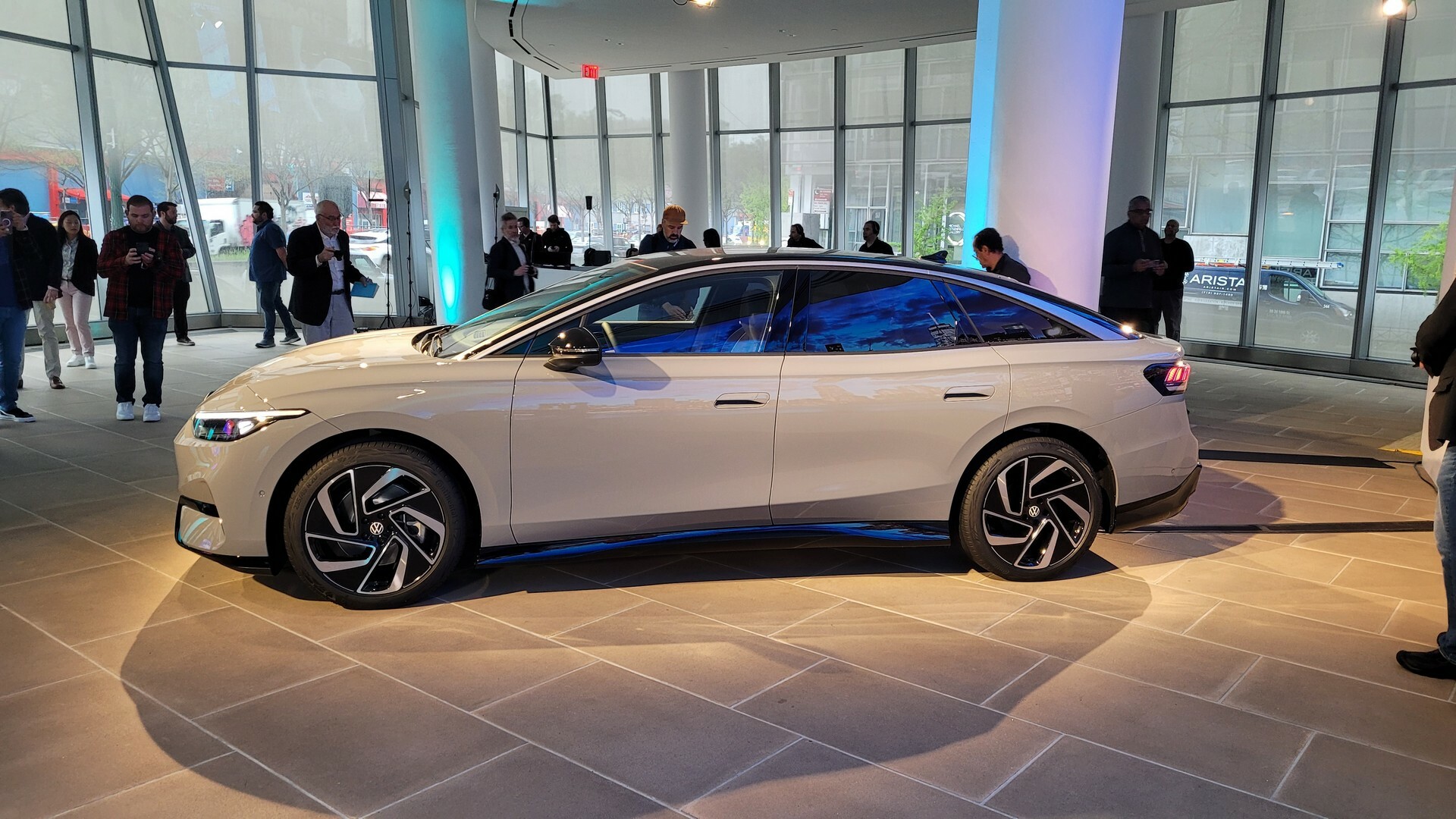
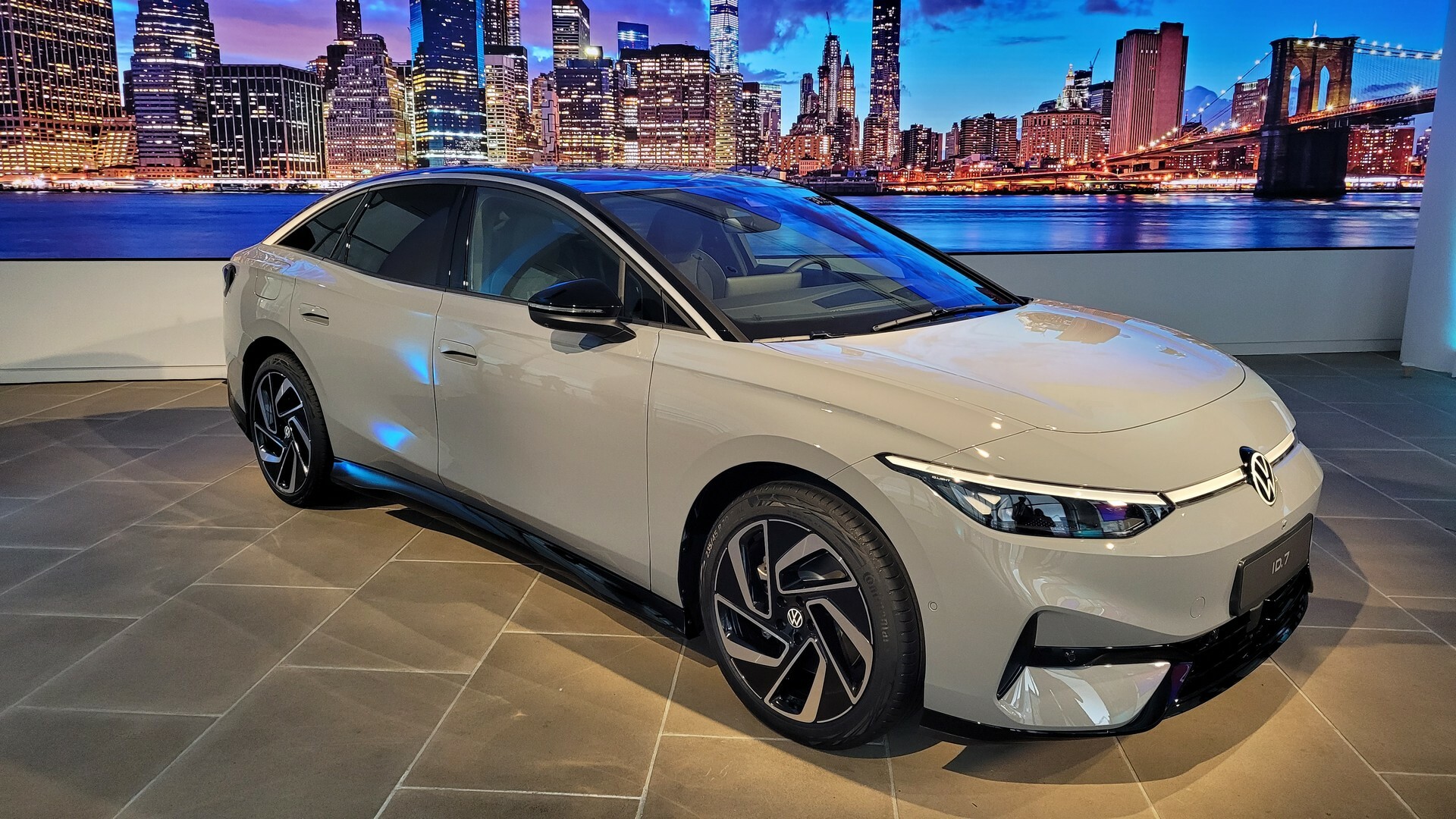
The ID.7 is Volkswagen’s electric Passat in all but name: a low, slippery five-door fastback built to swallow motorway miles. That profile is exactly what a payroll driver wants, because the scheme rewards low company-car tax and the ID.7 sits in the lowest band there is. As a fully electric car it attracts a 4% benefit-in-kind rate for 2026/27, the rate confirmed in HMRC’s company-car appropriate-percentage tables (last checked 10 June 2026).
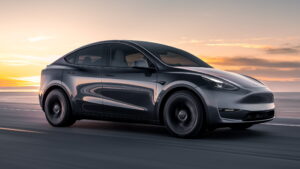
Against the obvious rivals, it stacks up well. The same logic that makes a Tesla Model Y on salary sacrifice cheap on payroll applies here, but the ID.7 gives you a proper executive saloon body and a longer headline range. If you want the German three-box alternative, our BMW i4 salary sacrifice breakdown lands at a similar net figure for a higher-rate taxpayer, and the Audi A6 e-tron payroll maths is the closest like-for-like on size and prestige.
UK trims, prices and range: Pro versus Pro S
There are two batteries to choose from in the UK saloon. The ID.7 Pro Match uses a 77kWh battery, starts from around £51,495 on the road, and is rated at roughly 383 miles WLTP with a 210kW (286PS) motor, per Volkswagen UK and Fleet News data checked 10 June 2026. Step up to the ID.7 Pro S Match and you get the 86kWh pack, a list price from about £55,450, and the headline 437-mile WLTP range, with a P11D value of £55,395 confirmed on Volkswagen’s UK press site. Both drive the rear wheels; the Pro S takes 6.7 seconds to 62mph because it carries the heavier battery.
| Spec | ID.7 Pro Match | ID.7 Pro S Match |
|---|---|---|
| Battery (usable) | 77kWh | 86kWh |
| OTR price (from) | £51,495 | £55,450 |
| P11D (indicative) | ~£51,440 | £55,395 |
| WLTP range | ~383 miles | 437 miles |
| Max DC charge | up to 175kW | up to 200kW (10-80% in ~26 min) |
For a payroll driver the Pro S is usually the one to have. The extra range buffers the winter haircut we cover below, and because BiK is a percentage of P11D, the tax difference between the two trims is small in cash terms. If your scheme prices the Pro S sensibly, the longer-range car is the safer ten-grand-on-finance decision.
How VW ID.7 salary sacrifice actually works
Salary sacrifice swaps part of your gross salary for a fully insured, maintained lease arranged by your employer through a provider such as Octopus EV, Tusker or Loveelectric. Because the money leaves before tax, you do not pay Income Tax or employee National Insurance on the sacrificed amount. In return HMRC charges a small benefit-in-kind on the car. For 2026/27 the employee NI main rate is 8% on earnings between the primary threshold and the upper earnings limit, per gov.uk National Insurance rates (last checked 10 June 2026), so a higher-rate driver saves 40% Income Tax plus that NI on the sacrifice.
One hard rule trips people up: salary sacrifice cannot take your gross pay below the National Minimum or National Living Wage. The Living Wage rises to £12.71 an hour from April 2026 per gov.uk minimum wage rates (last checked 10 June 2026), so a full-time worker on a modest salary may simply be blocked from sacrificing the full amount on a £55k car. The ID.7 suits higher earners precisely because the floor is rarely an issue for them. If you are weighing this against a cash alternative, our guide on salary sacrifice versus a car allowance sets out when each wins.
The 4% BiK maths, worked at 20%, 40% and 45%
The taxable benefit is simply P11D multiplied by the appropriate percentage. On the Pro S at £55,395 P11D and the 4% rate for 2026/27, the taxable benefit is £2,215.80 a year. You then pay your marginal Income Tax rate on that figure. The rest-of-UK bands are 20% basic, 40% higher and 45% additional per gov.uk Income Tax rates (last checked 10 June 2026); Scottish taxpayers pay on their own bands, so the saving differs north of the border.
| Tax band | Taxable benefit (P11D x 4%) | BiK tax per year | BiK tax per month |
|---|---|---|---|
| 20% basic | £2,215.80 | £443.16 | ~£36.93 |
| 40% higher | £2,215.80 | £886.32 | ~£73.86 |
| 45% additional | £2,215.80 | £997.11 | ~£83.09 |
Read that table carefully, because it is the number people get wrong. The £73.86 a month a 40% taxpayer pays is the BiK tax, the price of the perk. It is not what the ID.7 costs you on payroll. Your true net is the gross sacrifice your provider quotes, minus the Income Tax and NI relief you get on that sacrifice, plus this BiK tax. We will not print a net monthly figure here because the gross sacrifice varies by scheme, term and mileage; get your provider’s quote and slot it into that sum. The 4% rate is also a moving target: it rises to 5% in 2027/28, 7% in 2028/29 and 9% in 2029/30, so a four-year deal taken now sees the BiK roughly double by its final year.
The WLTP-versus-real-world range haircut
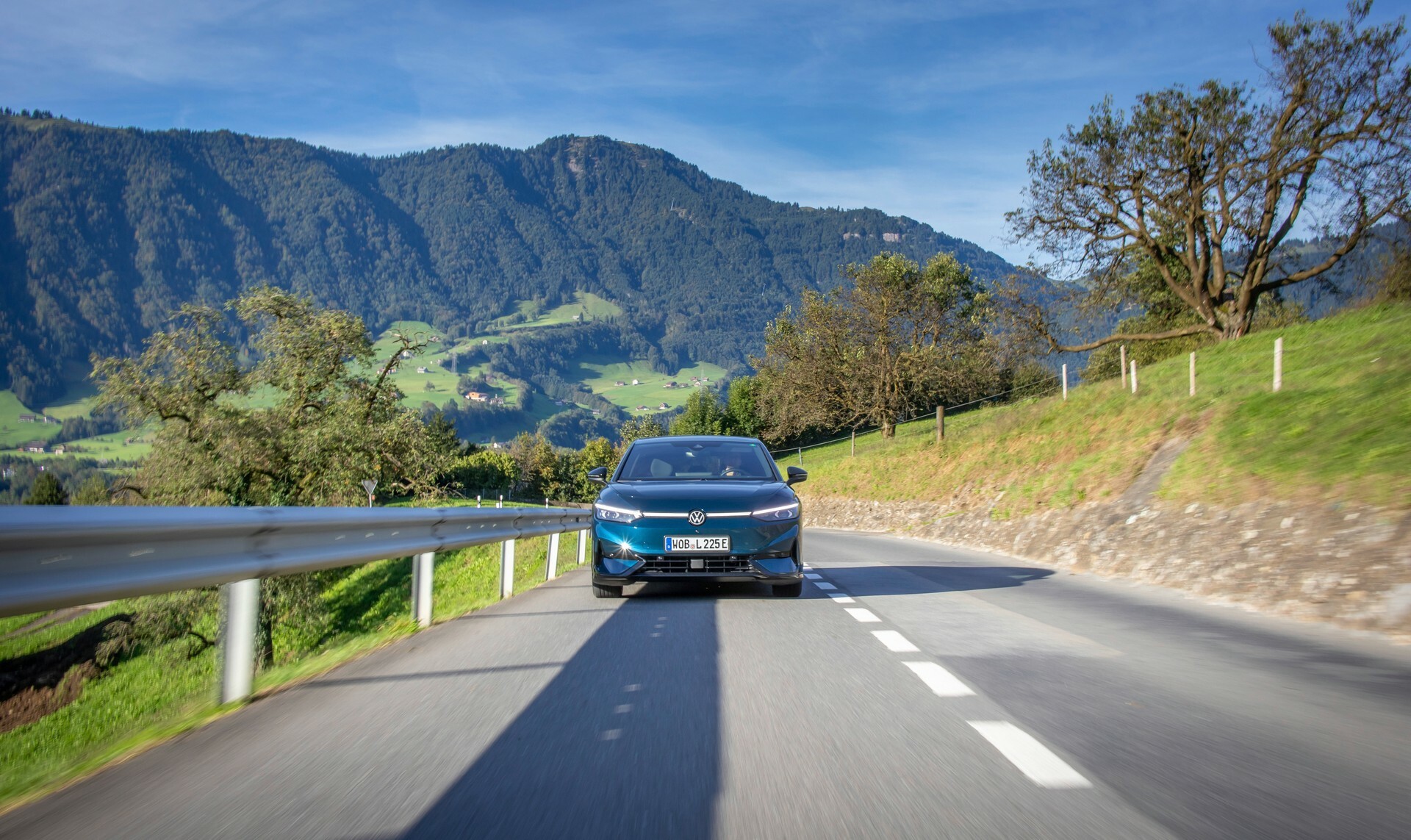
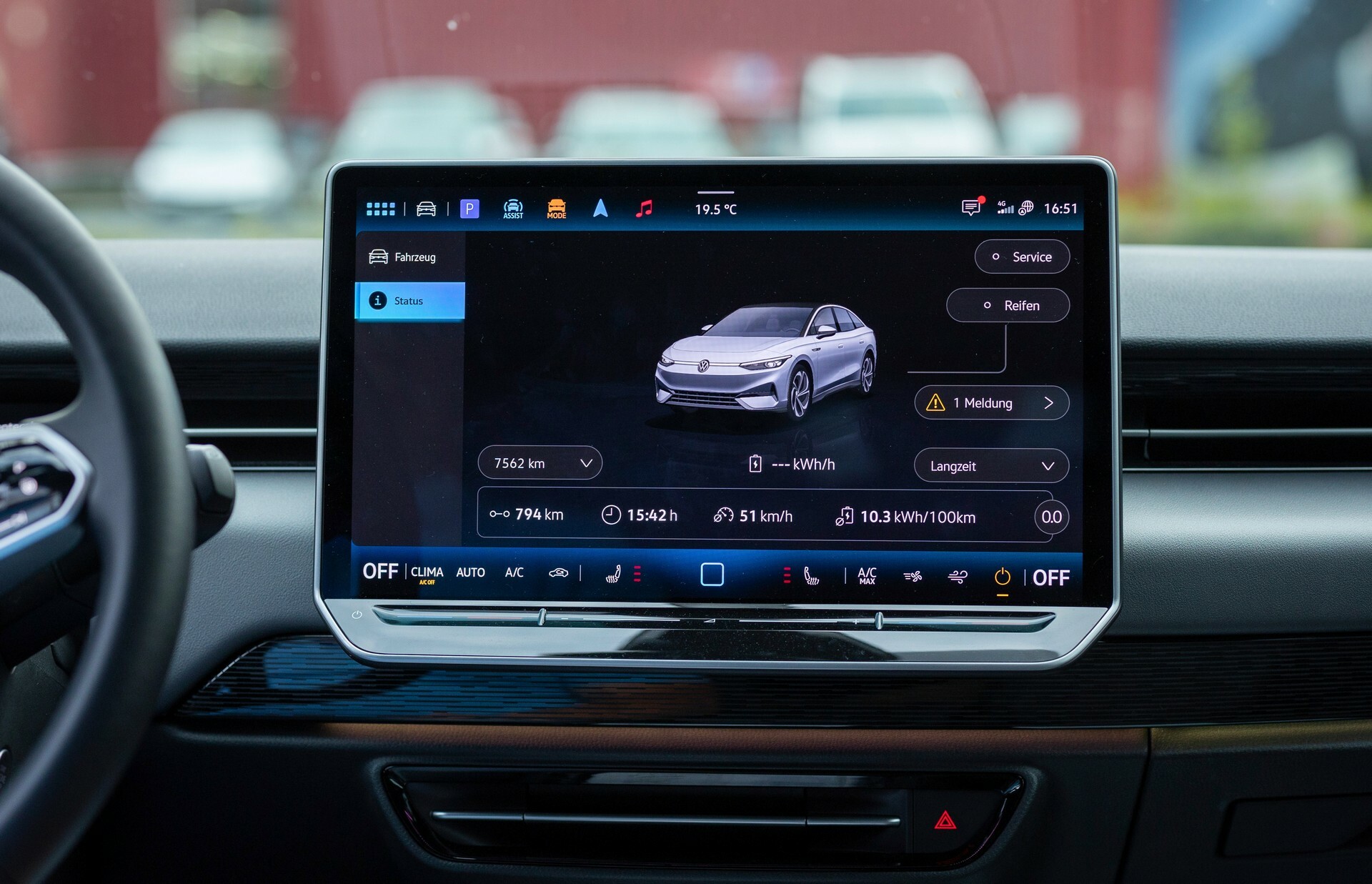
The 437-mile WLTP figure is a lab number. In normal UK use you should plan for less, and in a cold snap a lot less. Auto Express’s real-world Pro S testing landed around 310 miles, roughly a 29% shortfall, and independent winter testing across EVs commonly shows a 15% to 25% drop once heaters, motorways and low temperatures combine. For the ID.7 that means budgeting closer to 330 to 370 miles for most of the year and 300 to 340 miles in deep winter. It is still a genuine long-distance car, which is the whole point of choosing the bigger battery, but do not let the brochure number set your charging plan.
Running costs follow the same honesty test. Charge at home on an EV tariff and the ID.7 is cheap to run; lean on public rapid chargers and the per-mile cost climbs sharply. Tyres on a 2.1-tonne saloon wear faster than on a small EV, and that is a real ownership line, not a footnote. We unpack the bits the brochure skips in our piece on salary sacrifice EV hidden costs.
ID.7 sacrifice versus a personal lease
The fair comparison is against a personal contract hire, where you pay from taxed income. At the time of writing Carwow listed a personal lease on the ID.7 Pro S Match Plus at £318 a month over 24 months with a £4,100 initial payment and 8,000 miles a year (Carwow, last checked 10 June 2026; representative offer, not a finance recommendation, and terms change frequently). That £318 comes out of net pay, so a 40% taxpayer effectively earns around £530 gross to fund it.
Salary sacrifice usually wins for a higher-rate driver because the lease, insurance and maintenance are bundled and paid from gross pay, then only the small BiK is taxed. A personal lease is simpler and carries no leaver risk, but you fund every pound from taxed income. The cleaner the comparison, the better sacrifice looks for a 40% or 45% earner; for a 20% taxpayer the gap narrows and a sharp personal lease can run it close. The choice of provider matters too, as our Octopus EV versus Loveelectric comparison shows.
The leaver-risk trap and other caveats
The single biggest risk is leaving your employer mid-term. Most schemes either end the arrangement or charge an early-termination fee if you resign, are made redundant or go on extended unpaid leave, and you usually have to hand the car back. Read your scheme’s early-exit wording before you commit, because that is where a good deal turns sour. Insurance and home charging are not always included, the rising BiK schedule eats into the saving each year, and the car is never yours to keep at the end. None of this kills the case, but it is why we say a stable role is part of the qualification, not just your tax band.
This article is general guidance, not personalised tax or financial advice, and CDE has not driven this individual vehicle. Tax rates, scheme rules and lease offers change; confirm the current figures with HMRC, gov.uk and your own scheme provider before you commit.
Before you commit: checks worth doing
- Read the current 4% EV BiK rate and the rising schedule on the HMRC company-car tax pages so you know what the benefit costs in year four, not just year one.
- Confirm the live Pro and Pro S OTR price, P11D and WLTP range on Volkswagen UK’s configurator before you lock the quote.
- Ask your provider for a full gross-sacrifice quote at your exact salary, term and mileage, then do the net sum yourself using the BiK table above.
- Get the early-exit and redundancy wording in writing, and check whether insurance, tyres and charging are included.
- Sanity-check the deal against a personal lease and against another payroll EV, such as the BMW i5 on salary sacrifice, and browse the wider CDE electric-car coverage for alternatives.
Our take
For a 40% or 45% taxpayer with a secure job and a workplace scheme, VW ID.7 salary sacrifice is one of the strongest payroll EV cases on sale: a genuine 400-mile-plus executive saloon, taxed at just 4% for 2026/27, funded before tax and NI. We would take the Pro S over the Pro because the longer range absorbs the winter haircut and the BiK difference is small in cash. We would also insist on clean early-exit terms and treat the 437-mile WLTP figure as roughly 330 to 370 real-world miles for most of the year. Walk away if your job is shaky, if your scheme prices the Pro S poorly, or if you are a basic-rate earner who can find a sharp personal lease, because the gap narrows fast at 20%. The strongest buy here is the boring one: long-range battery, sensible scheme, no mystery in the small print.
How much is BiK on a VW ID.7 in 2026/27?
What is the real-world range of the ID.7 Pro S?
Is the ID.7 cheaper on salary sacrifice than a personal lease?
What happens to my ID.7 if I leave my job?
Should I choose the ID.7 Pro or Pro S for salary sacrifice?
Buyer action
EV and salary-sacrifice checks
Use this as the final check before paying a deposit, signing finance paperwork or relying on a headline monthly figure.