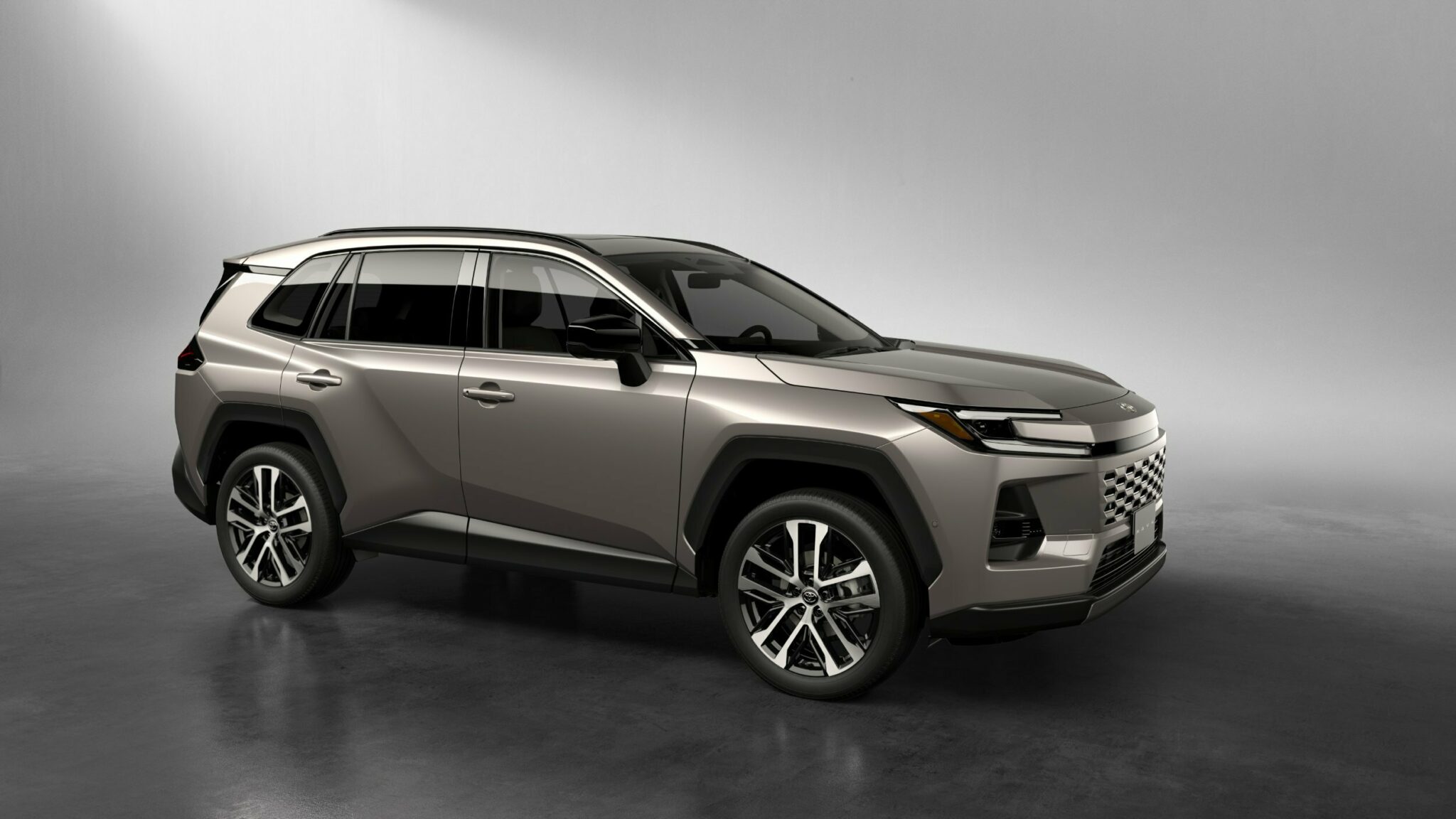
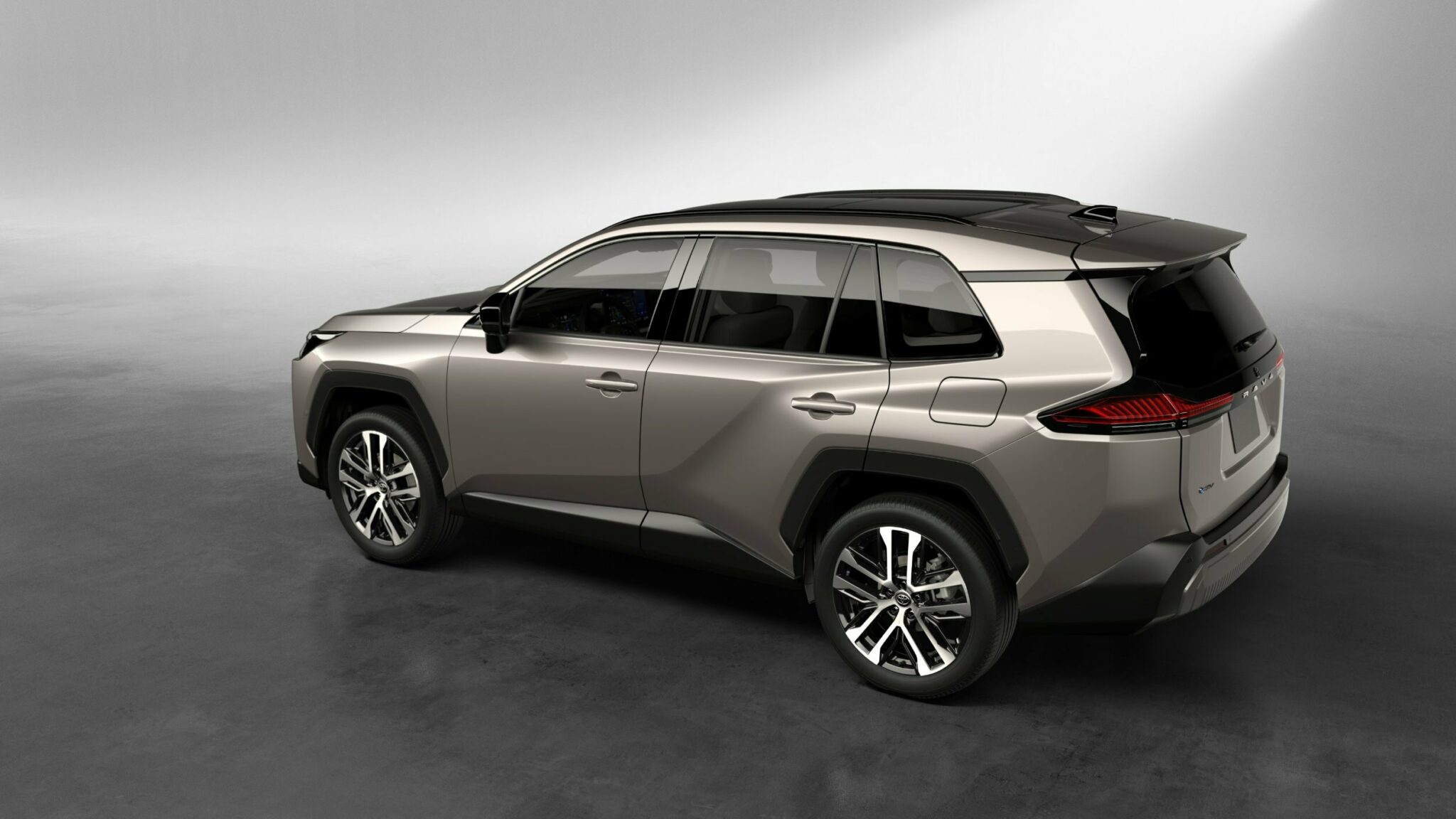
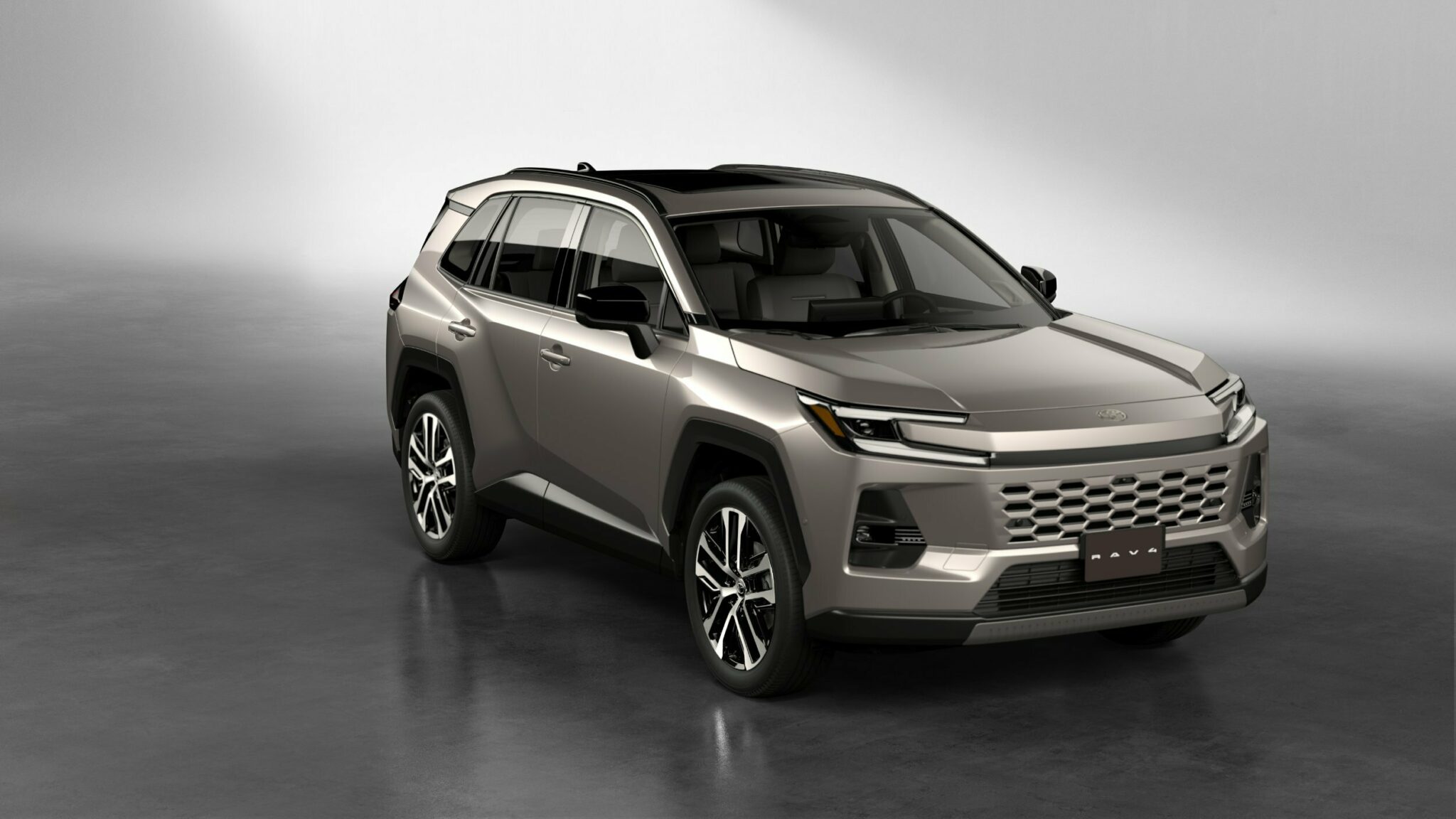
Toyota RAV4 PHEV running costs are the whole point of the all-new sixth-generation car, which arrives as plug-in only from £43,845, with up to 85 miles of WLTP electric range and weighted CO2 of just 30g/km. We have run the fuel, electricity, servicing and tax sums against a BMW X3 30e, a Volvo XC60 T6 and a pure-electric salary-sacrifice rival to show where the Toyota wins and where it does not.
What real owners say about plug-in SUV costs
CDE built this from Toyota GB’s published RAV4 plug-in specification, the official Ofgem price cap and gov.uk fuel statistics, set against the well-documented ownership pattern that follows every long-range plug-in hybrid, checked 10 June 2026. The figures below are sourced, not estimated.
- Most-praised theme: the genuinely long electric range. Toyota quotes up to 85 miles WLTP, so most owners can cover a typical UK commute on battery alone and rarely wake the petrol engine.
- Most-criticised theme: the real-world petrol economy once the battery is flat. The 217.3mpg weighted WLTP figure only holds if you charge often; run it as a petrol car and economy collapses, a complaint familiar to every PHEV owner.
- Cost signal: charging discipline is everything. At the Ofgem 26.11p/kWh price cap that runs from 1 July 2026 a full 22.7kWh battery costs roughly £5.93, so the saving over petrol depends entirely on plugging in.
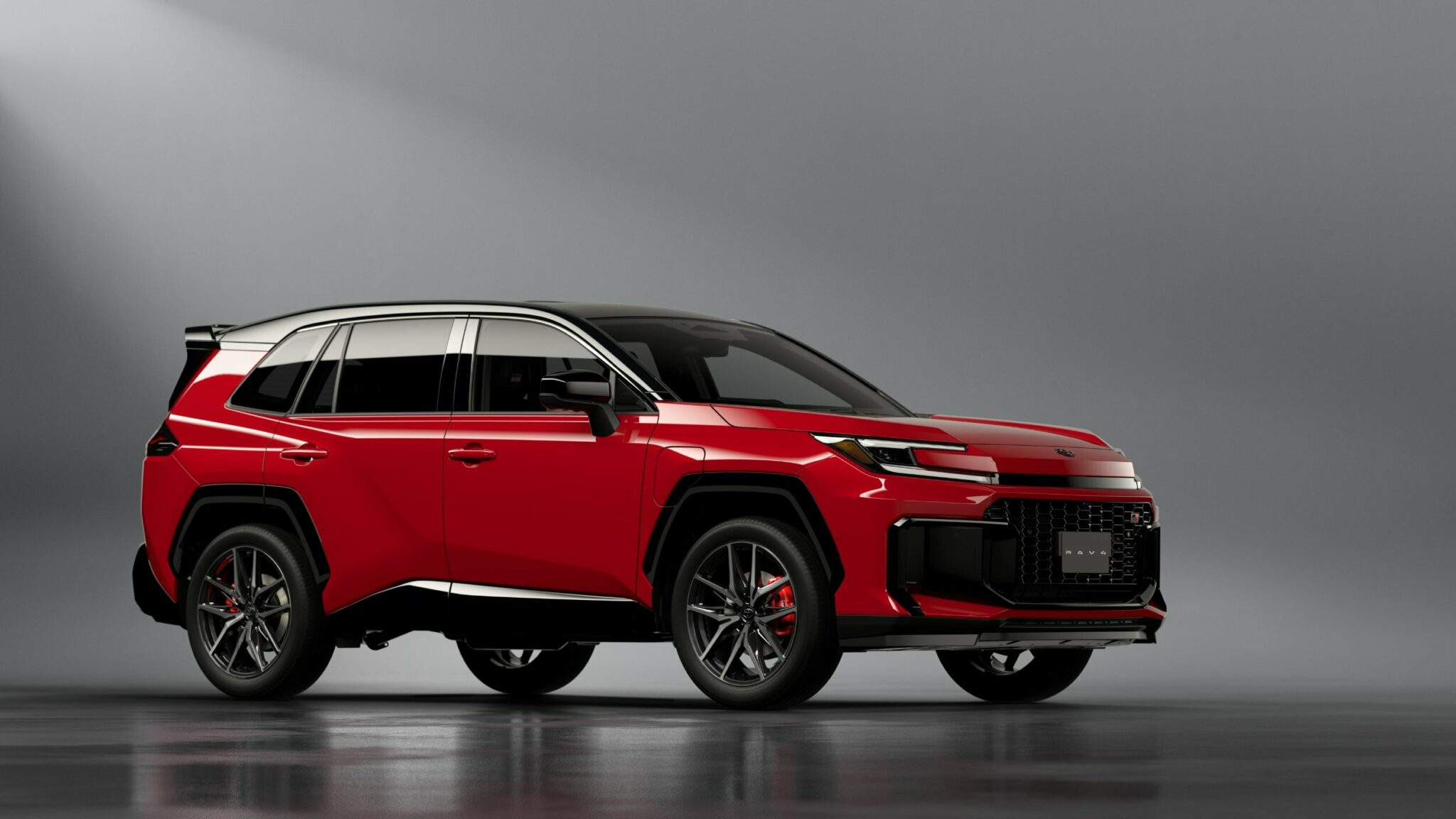
The headline numbers are confirmed. Toyota GB lists the RAV4 at £43,845 for the Icon, £45,745 for the Design, £50,045 for the front-wheel-drive Excel and £52,045 for the GR Sport, with the all-wheel-drive Excel at £52,390. Front-wheel-drive cars make 272bhp, the all-wheel-drive versions 300bhp, and the AWD car hits 62mph in 5.8 seconds. Order books opened in early May 2026 with the first UK deliveries due from June. Every grade is a plug-in hybrid; there is no cheaper conventional hybrid this time, which is exactly why the running-cost case has to stack up.
Can the electric range really cover a UK commute?
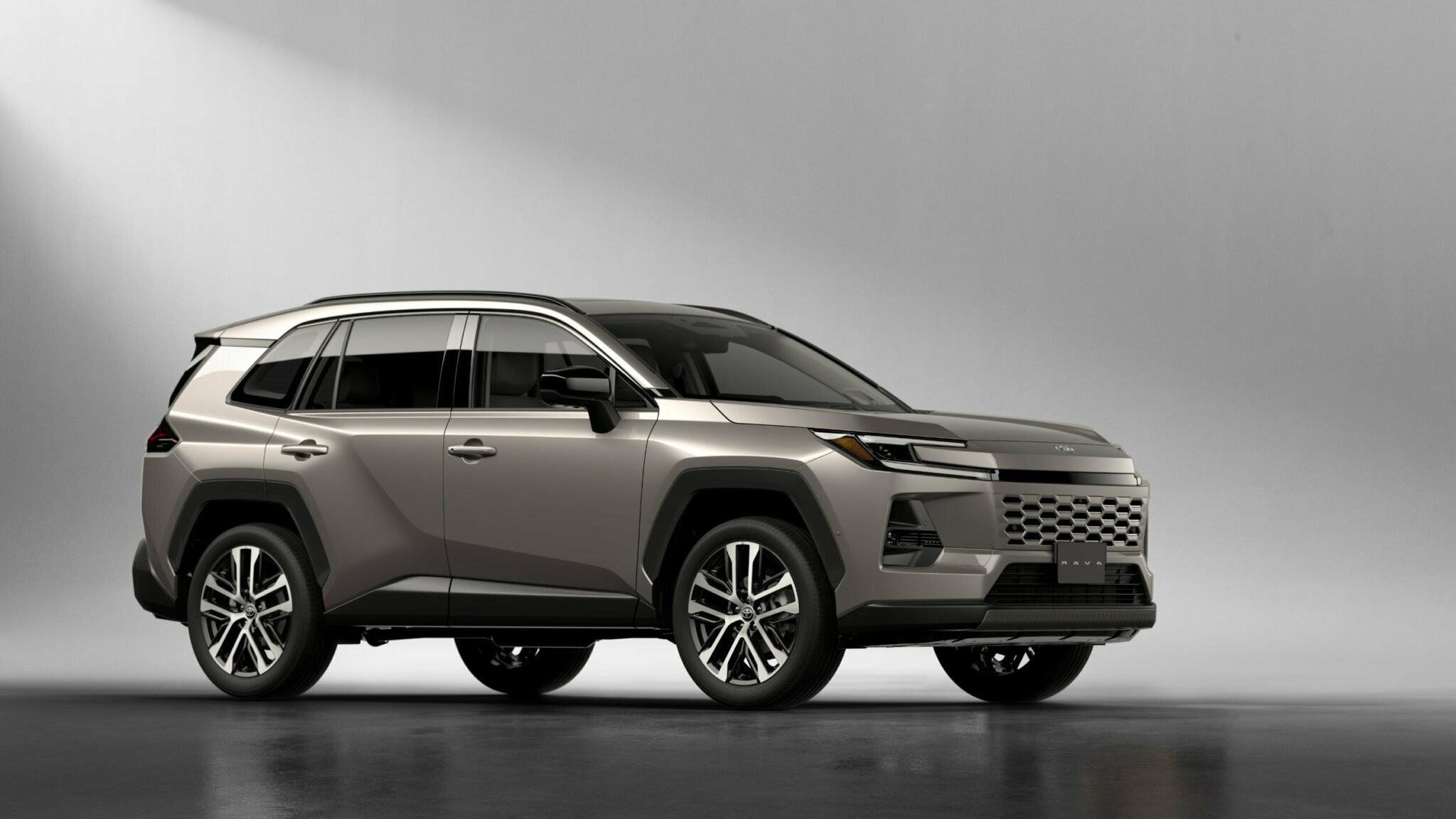
This is where the RAV4 separates itself from the premium pack. Toyota’s 22.7kWh battery is far bigger than the plug-in norm, and the official equivalent all-electric range on the WLTP combined cycle is 74.5 miles, rising to a quoted 85 miles on the lighter front-wheel-drive grades. The average UK commute is around 19 miles each way, so a 38-mile round trip sits comfortably inside the battery even after a winter range haircut. By contrast the BMW X3 30e claims about 55 miles WLTP and the Volvo XC60 T6 around 49 miles, both genuinely useful but neither able to swallow a longer commute plus the school run on a single charge the way the Toyota can. If your daily mileage stays under roughly 60 miles and you charge overnight, the RAV4 can run as an EV for most of the working week, which is the single biggest lever on its costs.
Fuel and electricity cost per 10,000 miles
Here is the CDE calculation, with every input sourced and dated. We split a 10,000-mile year into 70% electric miles and 30% petrol miles, a realistic mix for an owner who charges at home most nights but takes regular longer trips. Electricity is charged at the Ofgem price cap of 26.11p/kWh (1 July to 30 September 2026) and petrol at 158.74p per litre (gov.uk weekly figures, week commencing 1 June 2026, last checked 10 June 2026). The RAV4’s official 5.09 miles/kWh and a conservative 45mpg in depleted-battery petrol running give the totals below. Charge on a cheaper overnight EV tariff and the electric leg can fall by two-thirds.
| Energy split (10,000 miles) | Calculation | Annual cost |
|---|---|---|
| 7,000 electric miles | 7,000 / 5.09 mi per kWh x 26.11p | about £359 |
| 3,000 petrol miles | 3,000 / 45mpg x 158.74p/litre | about £481 |
| Total energy | combined | about £840 |
| Same car run only on petrol | 10,000 / 45mpg x 158.74p/litre | about £1,603 |
The lesson is blunt: a RAV4 PHEV that never gets plugged in is just a heavy, thirsty petrol SUV. Charged properly it undercuts its own petrol-only cost by roughly half. That gap is wider than on the shorter-range X3 30e or XC60 T6, simply because the Toyota does more of its miles on cheap electricity. If you want the deeper picture on where a plug-in stops making sense versus a full battery car, our look at used premium PHEV versus EV running costs sets out the crossover point in detail.
RAV4 PHEV running costs versus the BMW X3 30e and Volvo XC60 T6
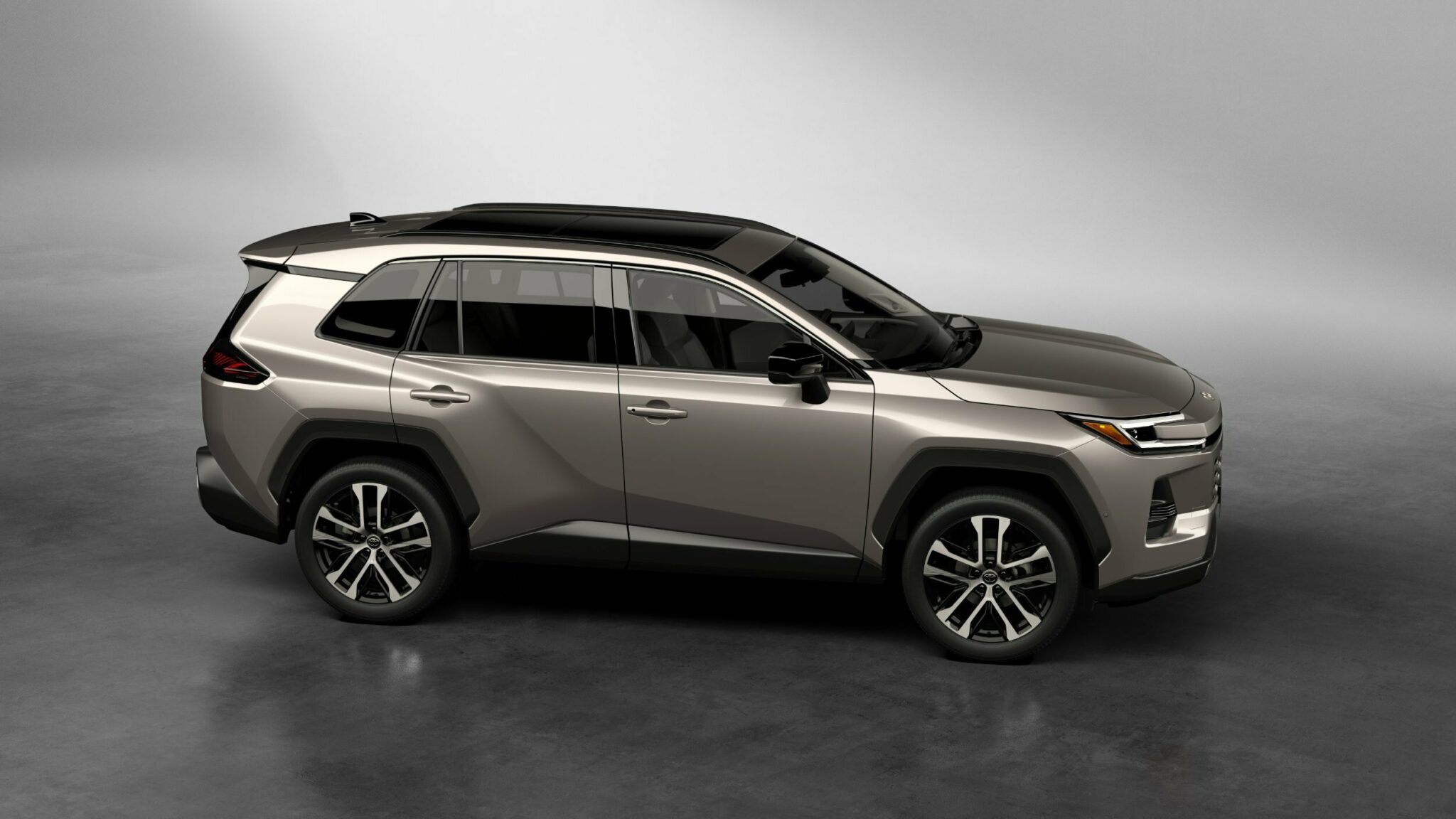
On price the Toyota has a clear head start. The cheapest RAV4 is £43,845, while the BMW X3 30e starts at around £57,245 and the Volvo XC60 T6 Recharge sits near £56,950, both UK figures checked 10 June 2026. That is a £13,000-plus saving before a single mile is driven, money that buys a lot of petrol and electricity. The premium pair fight back on cabin quality, badge and resale, and the Volvo offers a usefully bigger 18.8kWh battery than older T6 cars, but on raw energy cost the longer-legged RAV4 leads because it spends more of its life on battery power. For buyers cross-shopping plush V8 alternatives, the contrast with something like the BMW X6 M60i and its running costs is stark; the Toyota is in a different financial universe.
| Spec | Toyota RAV4 PHEV | BMW X3 30e | Volvo XC60 T6 |
|---|---|---|---|
| From (OTR) | £43,845 | about £57,245 | about £56,950 |
| WLTP electric range | up to 85 miles | up to 55 miles | up to 49 miles |
| Weighted CO2 | 30g/km | 21 to 26g/km | from 55g/km |
Company-car tax: where the RAV4 loses to a pure EV
This is the honest part of the story. A plug-in hybrid is not a zero-emission car, so it does not get the headline 4% benefit-in-kind rate that pure EVs enjoy in 2026/27 per HMRC’s company-car appropriate-percentage tables. Thanks to its sub-50g/km CO2 and long electric range, the RAV4 still lands in a low band: Fleet World reports a benefit-in-kind rating of 7% for the 2026/27 tax year, which is why Toyota made the UK car plug-in only. Confirm the exact figure for your chosen grade on the official price list before you order, last checked 10 June 2026. That 7% is far below any petrol SUV but still above a pure EV’s 4%, so a driver chasing the lowest possible payroll tax should compare it against an electric salary-sacrifice option such as a Tesla Model Y on salary sacrifice, and weigh the gap before committing. Our explainer on whether to lock a salary-sacrifice EV before BiK rises spells out how that 4% rate climbs over the next few years.
Servicing, warranty and the bills you forget
Servicing is where Toyota quietly claws back ground on the German and Swedish rivals. The RAV4 comes with Toyota’s warranty cover that can extend up to 10 years or 100,000 miles, kept alive each year the car is serviced within the official network, which is a meaningful safety net on a car packed with hybrid hardware. Routine maintenance on a Toyota hybrid is typically cheaper than the equivalent BMW or Volvo main-dealer schedule, and the brand’s reliability record is the envy of the segment. The catch sits in the consumables that plug-ins share with EVs: a 2-tonne-plus SUV chews through tyres, and brakes can seize from underuse because regenerative braking does most of the stopping. If you are weighing dealer cost against an independent specialist, our guide to premium car servicing at a main dealer versus an independent is worth a read before the first major service.
Insurance and the bills that vary by postcode
Insurance is the one running cost we will not pin a single number to, because Toyota GB had not published confirmed UK Thatcham insurance groups for the new RAV4 when we checked, and US group ratings do not transfer to the UK system. Expect it to land in the upper-middle of the 1-to-50 scale typical of a powerful, high-value plug-in SUV, but treat any quoted group with caution until Toyota confirms it. Premiums on plug-ins and EVs can run higher than petrol equivalents because the powertrain and sensors are costly to repair, a pattern explained in our breakdown of how premium car insurance groups work. The sensible move is to price up the cover on your own postcode and mileage before you sign, not after.
Where to check the RAV4’s costs before you order
Before you put a deposit down, do the homework that turns a brochure figure into a real budget:
- Read the official numbers on the Toyota UK RAV4 plug-in hybrid page and download the price-and-spec PDF for your exact trim.
- Check the live electricity unit rate via the Ofgem price cap explainer, then compare against a dedicated overnight EV tariff that can roughly halve your charging cost.
- Sanity-check the petrol leg of your budget against the latest gov.uk weekly fuel figures rather than a forecourt guess.
- Map your weekly mileage against the 85-mile electric range honestly; the saving evaporates if you regularly outrun the battery and cannot charge at work.
- Confirm the home-charging picture, including whether your parking allows a wallbox, since public charging at peak rates erodes the whole case.
- Compare the on-paper tax against a pure-EV salary-sacrifice quote so you know exactly what the plug-in badge is costing you in BiK.
On RAV4 PHEV running costs the verdict is clear: this is the most sensible plug-in family SUV on sale right now, provided you can charge it. The combination of a class-leading 85-mile electric range, a £13,000 price advantage over the BMW X3 30e and Volvo XC60 T6, Toyota’s long warranty and cheap servicing makes it cost about half what the same car would cost run on petrol alone. We would buy the Design grade: it adds the kit that matters without the GR Sport’s price jump. The case wobbles in two places. If you cannot charge at home, the petrol economy is ordinary and the saving disappears, so a self-charging hybrid or a different car makes more sense. And if minimum payroll tax is your priority, a pure-electric salary-sacrifice car still beats it on BiK. For a private buyer with a driveway and a regular commute, though, the RAV4 plug-in is the rational choice in the class.
Our score: 8.5/10
This article is general guidance, not personalised financial or tax advice; figures depend on your circumstances and CDE has not driven this individual vehicle. Always confirm prices, rates and specifications with the relevant official source before you buy.