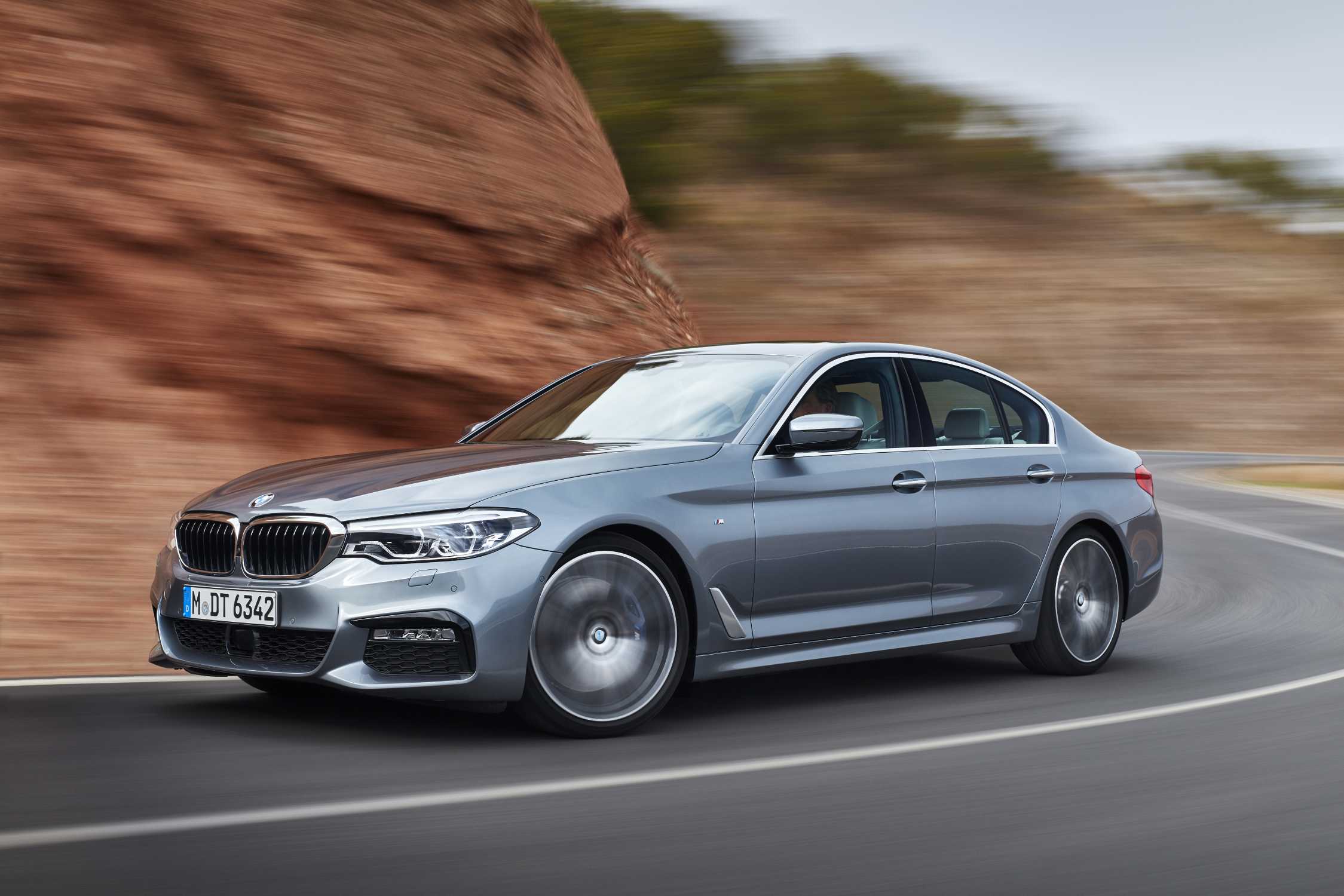
Look at a used BMW 5 Series listing in 2026 and the price you see is only half the story. With the current-generation G60 now well established on UK forecourts, the seventh-generation car has depreciated into genuinely tempting territory: What Car?’s used valuations open early 2017–2018 examples, as of 2026, from roughly £14,000, executive metal that cost the thick end of £40,000 new. The other half of the story sits behind the front bumper: a full-LED headlamp unit that the RAC’s running-cost data for the 2020–2023 G30 puts at £1,403 to £1,492 to replace. That single figure tells you almost everything about how to buy this car well, because the money you save on the ticket price can vanish in one careless component. This is where a bit of discipline earns its keep.
The G30 saloon and its G31 Touring sibling arrived in 2017 as the seventh generation of BMW’s executive staple, and, as Auto Express notes in its used Mk7 review, it was the first 5 Series to offer a plug-in hybrid. That matters in 2026, because it means the used market now stretches from six-cylinder petrol-hybrids down to the sensible four-cylinder diesels that most of the country actually bought. Nine model years of choice, a spread of drivetrains, and a car that still looks and feels current on a 2026 driveway. The trick is knowing which version, which year and which condition to chase.
Where the prices have landed (used BMW 5 Series)
Start at the affordable end and the numbers are striking. What Car?’s used valuations show, as of 2026, early 2017–2018 cars, 520d and 520i sitting around 70,000 miles, from roughly £14,000. That is executive-class metal, a car that wore a £40,000-plus price tag when new, for the price of a supermini. Move up the range and 2022–2023 examples start somewhere between £20,000 and £28,000 depending on spec and mileage.
The RAC’s figures for the post-2020 facelift cars, current in 2026, sharpen the picture. A 2020 520i SE saloon opens at £25,350 and climbs to about £30,400 for a late, mid-2023 build. The diesel commands a small premium for its long-legged manners: a 2020 520d SE starts at £26,200, rising to £32,100 for the newest examples. Want the Touring’s added boot? Budget roughly £1,800 over the equivalent saloon, a premium that has held remarkably steady, which tells you how much demand there still is for a fast, handsome estate.
My honest read is that the £14,000 to £16,000 window on a tidy pre-facelift 520d is the most interesting money on the whole spectrum. You are buying the same silhouette, the same cabin architecture and the same badge as the £30,000 car, and paying a fraction for the privilege of a few years and some miles. This is smart-money buying rather than bargain-hunting: the value only holds if the car has been looked after, which is the whole point of the checks below. If you have been weighing the 5 Series against its obvious rivals, my used executive saloon comparison against the E-Class and A6 e-tron lays out where each one earns its keep.
Petrol, diesel or plug-in: pick your G30
The engine decision is the one that shapes everything else, so be honest about your miles before you fall for a colour. Here is how the four drivetrains you will actually find on a UK forecourt stack up, using the pricing and specs above.
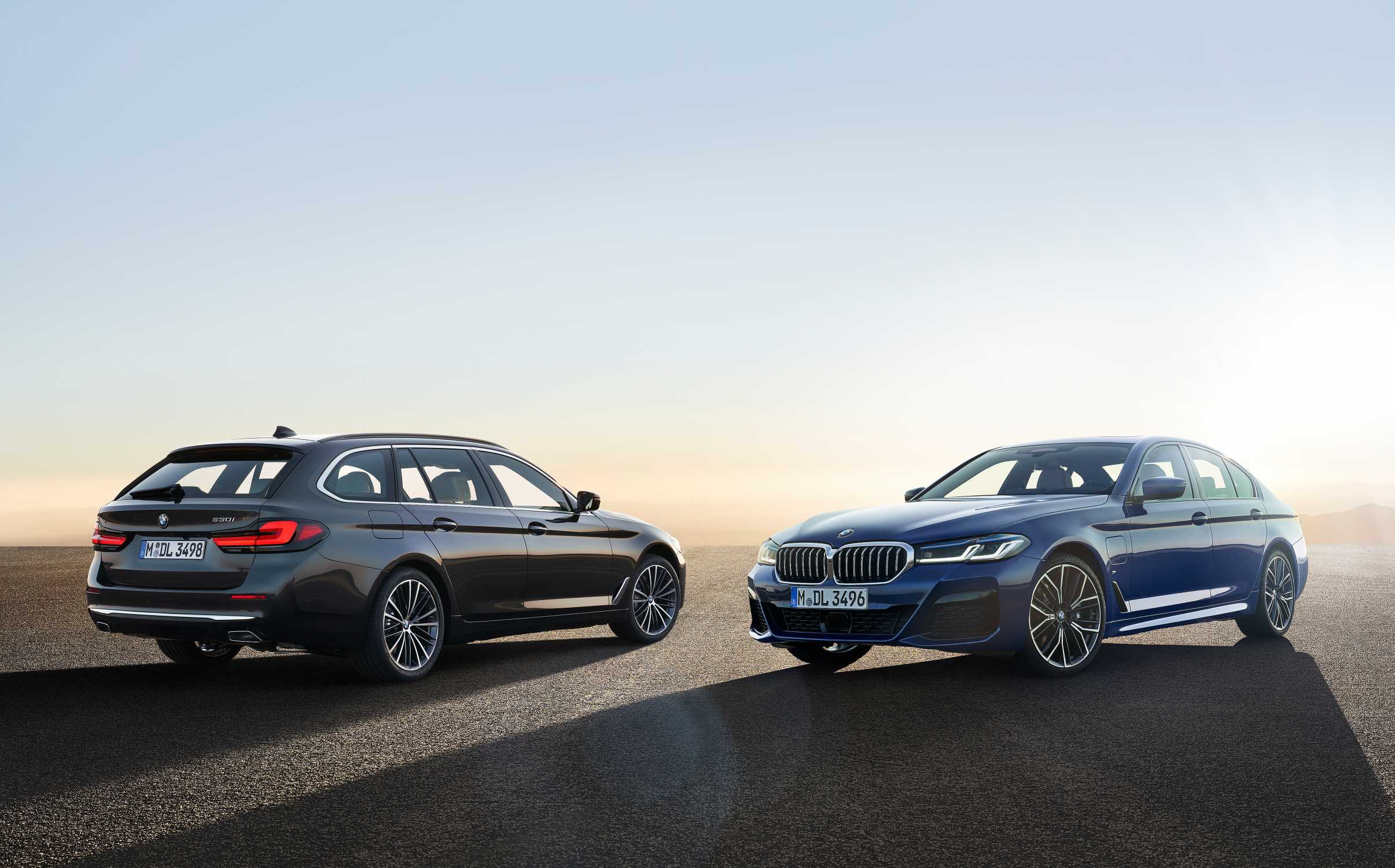
| Drivetrain | Typical used price (2020–2023, SE) | Best for | The deal-breaker |
|---|---|---|---|
| 520d (diesel) | £26,200–£32,100 | High-mileage motorway drivers; strongest residuals | Short urban trips never get it warm |
| 520i (petrol) | £25,350–£30,400 | Suburban and town use; smoother, quieter | Costlier per mile on a long motorway life |
| 530e (PHEV) | n/a | Commuters who charge at home (37 miles EV range, 12kWh) | A heavier, thirstier 520i without a plug |
| 545e (PHEV) | n/a | Enthusiasts wanting 394hp with low on-paper emissions (34.8 miles EV range) | Priciest to buy and still needs a charger |
The 520d remains the default for a reason. It is the mile-eater, the version that turns a 300-mile motorway slog into a non-event, and the one that holds its value best because everyone else wants it too. The 520i petrol is the smoother, quieter pick for shorter suburban lives where a diesel would never get properly warm; on the used market it typically undercuts the diesel by a few hundred pounds, which the running costs may or may not claw back depending on your mileage.
Then there are the plug-ins, and this is where the G30 gets genuinely clever. The 530e is the sensible PHEV: post-2020 facelift cars carry a 12kWh battery good for a claimed 37 miles of electric range, enough to cover most commutes on the plug and leave the petrol engine as a motorway backstop. The 545e is the enthusiast’s PHEV, a 3.0-litre straight-six paired with the hybrid system for a hearty 394hp and a still-useful 34.8 miles of electric range. That is the one that quietly does 0–62mph in the fours while promising company-car-friendly emissions on paper.
A 530e only makes financial sense if you can actually plug it in every night. Bought by someone with no home charger, it is just a heavier, thirstier 520i carrying a battery it never uses.
The caveat with any used PHEV is battery discipline. That 37-mile figure assumes a healthy pack and an owner who charged it. Bought by someone who never plugged in, a 530e is heavier and thirstier than the petrol it was meant to improve on. So if a plug-in tempts you, ask for the charging habits of the previous keeper as seriously as you’d ask about the service history, watch that the car reaches a sensible electric range on a full charge during the test drive, and work out whether the saloon-versus-Touring maths stacks up on a monthly payment, which is something I’ve picked apart in my 5 Series PCP breakdown.
What it actually costs to keep on the road
This is the part buyers skip and later regret. The good news is that routine servicing on a G30 is not frightening. The RAC’s parts data lists an oil filter at £8 to £25, an air filter at £11 to £80, front brake pads at £22 to £100 and rears at £23 to £56, with wiper blades £30 to £35 and a water pump around £100. None of that is alarming for a car of this class, and an independent BMW specialist will keep the labour honest.
The pain lives in the lighting. A rear lamp cluster runs £243 to £331, and that full-LED front headlamp is the £1,403 to £1,492 monster I opened with. On a £14,000 car, one kerbed or cracked headlamp is a tenth of the purchase price gone. So when you view, get low and look hard at both front units for internal condensation, stone-chip cracks or a mismatched replacement, and check the two headlamps match each other exactly; a single fresh-looking unit next to a foggier one usually points to a repair the seller isn’t advertising. Then factor a fresh MOT and a proper independent inspection into your budget before you fall for the leather and the badge.
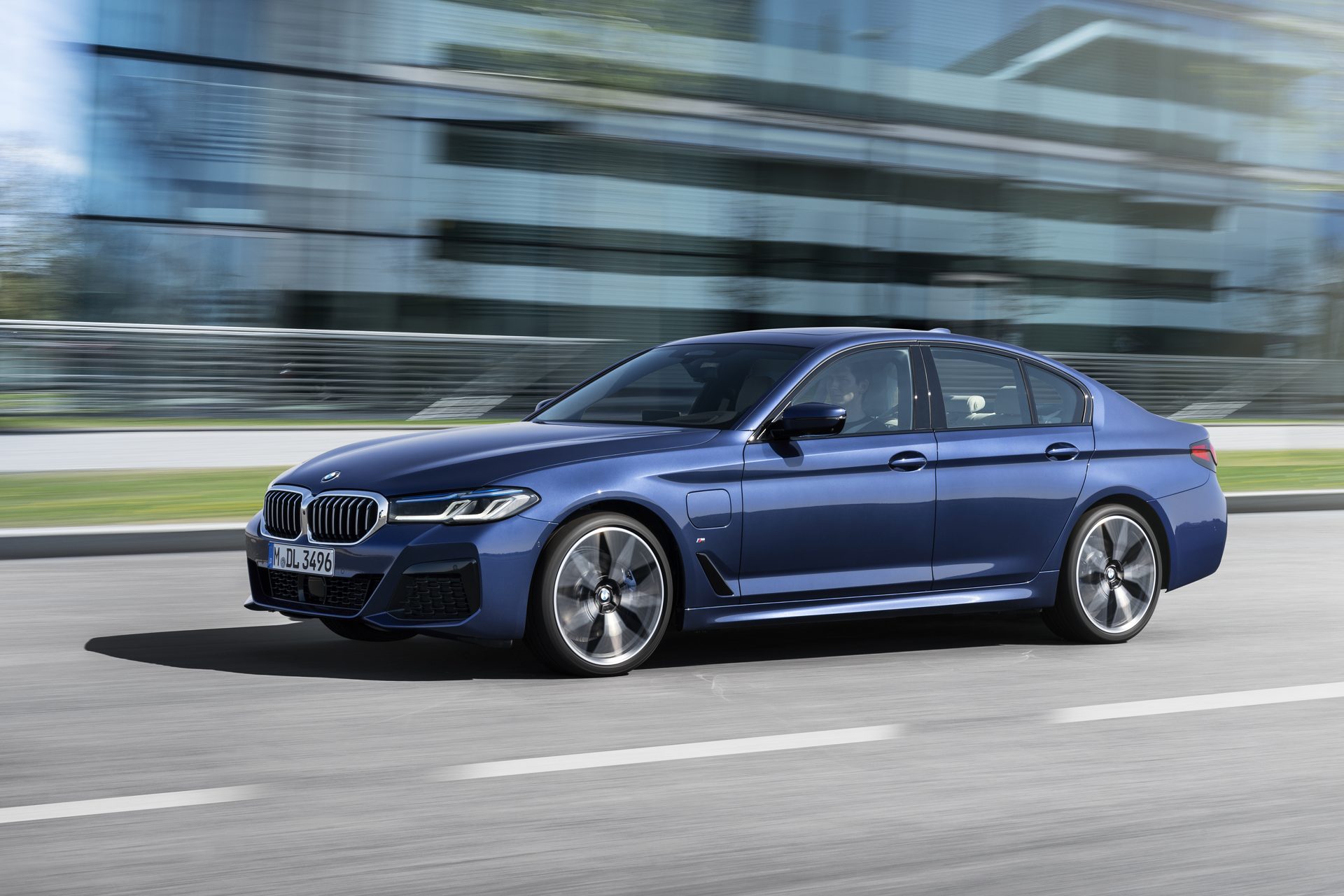
Two more running costs catch buyers out on a car of this class, and both belong on your inspection sheet. The first is rubber: the G30 leaves the factory on run-flat tyres, and a full set of those costs noticeably more to replace than conventional covers, so if the current tyres are past halfway, budget for the swap before you agree a price. The second is specific to the diesel. The 520d’s particulate filter and AdBlue system are built for regular longer runs, so a 520d whose history reads as nothing but short urban hops is a car whose exhaust after-treatment may be living on borrowed time; treat a purely town-bound diesel service record as a caution flag rather than a convenience, and price in the possibility of a forced regeneration or a blocked filter down the line.
Approved-used or independent forecourt?
Where you buy changes the risk profile as much as what you buy. A BMW Approved Used car costs more, but it comes with a manufacturer warranty and a preparation standard that can absorb exactly the kind of headlamp-and-electronics surprise the G30 is capable of springing. An independent forecourt or private sale will be cheaper up front, and on a well-kept 520d with a full history that can be the smarter play, provided you go in with your eyes open and a warranty of your own. Parkers rates the G30 well for reliability relative to its rivals, but “relative” is doing real work in that sentence; this is a complex, tech-laden executive car, not a Corolla. I’ve argued the trade-offs in full in my piece on approved-used versus independent for a used executive saloon, and for a first-time BMW buyer the warranty is usually worth the premium.
The case for hunting one down now
Here is where I land. The G30 is the used executive saloon I’d prioritise in 2026, and the version I’d chase is a facelift-era 520d SE or M Sport with a full service history and two undamaged headlamps, ideally around the £16,000 to £20,000 mark where condition and modest miles overlap. It gives you the diesel’s effortless range, the strongest residuals in the line-up, and the lowest odds of a five-figure lighting bill catching you out. The plug-ins are brilliant for the right driveway and a false economy for the wrong one; the petrol 520i is the honest urban alternative.
Buy on condition and history rather than headline price, walk away from anything with a whiff of neglect around the electronics, and the seventh-generation 5 Series delivers something rare: a car that still feels like a £40,000 machine for a fraction of it. The value here is real, but it belongs to the buyer patient enough to inspect properly. Everyone else is just buying someone else’s problem at a discount.
How we researched this guide
Every pick here is shortlisted from hands-on testing and time spent living with the hardware by the CDE desk, then sanity-checked against current UK pricing, manufacturer specs and real-world performance before it makes the cut. We never rank for commission — affiliate links don't change the order.
Buyer action
Where to check next
Use this as the final check before paying a deposit, signing finance paperwork or relying on a headline monthly figure.