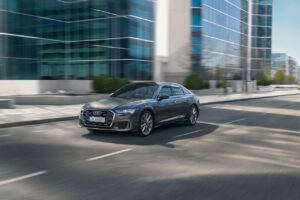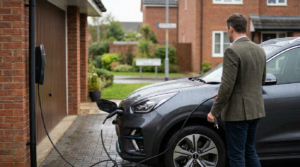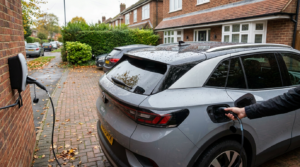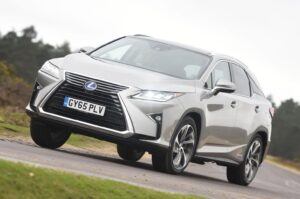
Sit two identical £50,000 electric cars on the same driveway and the badge tells you nothing about which one is the smarter buy. What matters is the paperwork behind each — and from 6 April 2026 that paperwork tilts hard in one direction. HMRC’s salary sacrifice guidance confirms that cars emitting no more than 75g/km of CO2 are charged under the normal benefit-in-kind rules rather than on the salary you hand over — and for a pure EV that charge is just 4% of P11D value in the 2026/27 tax year. That single figure is why the salary sacrifice pitch has stopped being a niche perk and started beating personal contract purchase on cold arithmetic. But “beats on the numbers” and “costs your household less” are not the same sentence, and the gap between them is where most people get the decision wrong.
I want to walk through this the way I’d work it out for my own kitchen table, because the honest answer depends on things nobody puts in the brochure: your marginal tax rate, whether you’d have paid for insurance and servicing anyway, and how confident you are that you’ll still be at the same employer in three years’ time. The figures throughout are representative and illustrative rather than a finance offer, so treat them as a framework and check your own band before you sign.
| For a £50,000 EV (40% taxpayer, 2026/27) | Salary sacrifice | PCP |
|---|---|---|
| Typical monthly cost | ~£400–£500 net (from ~£700 gross salary given up) | ~£550 finance + ~£150–£200 insurance & servicing = ~£700–£750 all-in |
| Paid from | Pre-tax salary | Post-tax income |
| Bundled in | Finance, insurance, servicing and road tax (VED) | Finance only |
| Company car tax (BiK) | 4% of P11D in 2026/27, rising to 9% by 2029/30 | Not applicable |
| At the end of the term | Lease: the car goes back | Balloon payment option to keep the car |
| Tied to your job? | Yes: leaving or redundancy can trigger exit costs | No: the finance stands on its own |
| Indicative 3-year gap | Around £5,000–£15,000 cheaper | Baseline |
| The call | Wins for a secure, higher-rate household set on a premium EV | Wins with no scheme, an uncertain job, or a plan to own |
The 4% number is doing enormous heavy lifting (salary sacrifice)
Salary sacrifice works because you give up gross salary — money taxed before it reaches you — in exchange for the car. On a 4% BiK EV you’re taxed on a tiny sliver of the car’s value instead of the whole monthly cost. The tax mechanics published by SalaryTax put it cleanly: for a basic-rate (20%) employee, every £1 sacrificed spares 28p of tax and National Insurance — 20% income tax plus 8% NI — so a pound of car costs them just 72p of take-home pay; for a higher-rate (40%) employee the relief is 42p in the £1 (40% tax plus 2% NI), so the same pound costs them 58p. PCP gives you none of that. Every pound of a PCP payment is money you’ve already been taxed on in full.
That relief is the whole game, and it’s why the saving scales with your tax band. The Electric Car Scheme reckons a 40% taxpayer typically lands 30–50% cheaper each month than the equivalent PCP or personal lease, while SalaryTax puts the basic-rate saving at a still-real 20–40%. Notice the spread. A higher-rate earner isn’t getting a slightly better deal than a basic-rate one — they’re playing a different game entirely.
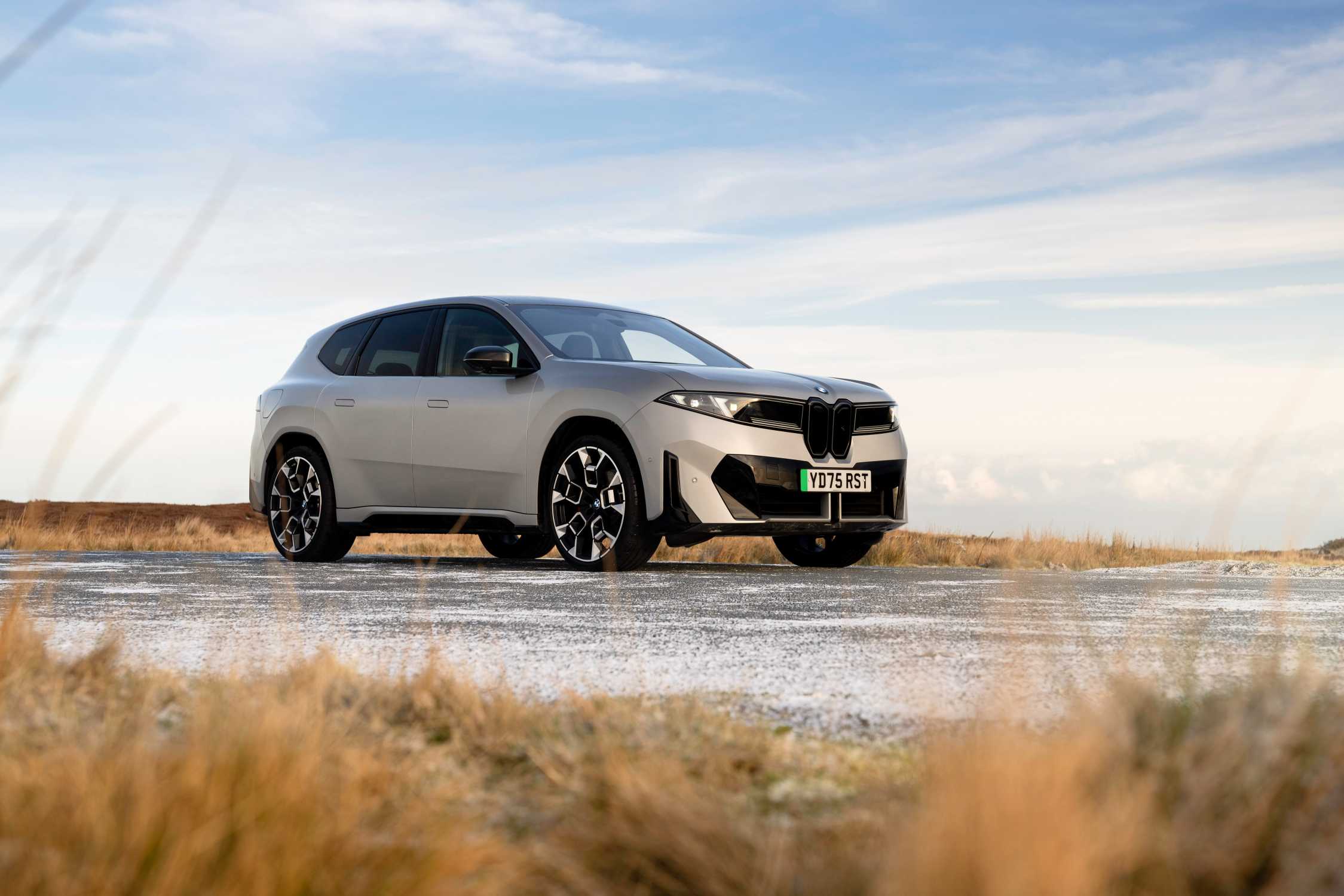
The car that costs your household least isn’t the one with the lowest monthly figure on the finance quote. It’s the one where you’d have spent the money anyway — and only salary sacrifice lets you spend it before the taxman does. Put a real car to the sums — a premium electric SUV like the BMW iX3, the sort of £50,000 EV most schemes are built around — and that is exactly where the gap opens widest.

The £50,000 worked example, both ways
Take a £50,000 EV, the sort of premium saloon or SUV most schemes are built around. Through salary sacrifice you’re looking at roughly £700 a month in gross deduction — but for a 40% taxpayer the net hit to take-home pay lands at around £400–£500, according to the Electric Car Scheme‘s figures. Crucially, that bundle already includes insurance, servicing and road tax.
Now the PCP quote on the same car. SalaryTools pitches the comparable PCP monthly at about £550 — which looks competitive until you remember what it doesn’t cover. Insurance and servicing on a £50k EV are on you, and that’s another £150–£200 a month landing on a separate direct debit. Add it up and the PCP route is really costing you closer to £700–£750 all-in, in post-tax pounds, versus £400–£500 in post-tax pounds for the sacrifice. If you want to pressure-test your own numbers rather than trust the round ones, the Cost-Saver net-cost calculator lets you plug in your salary and marginal rate.
Stretch that over three years and SalaryTools estimates a total saving of £5,000–£15,000 against PCP or lease. That’s not a rounding error. That’s a genuinely different financial outcome for the household — a family holiday, or a meaningful dent in the mortgage overpayment. It’s the same logic that runs through the best salary sacrifice cars for 2026: the saving is largest on exactly the premium EVs that would otherwise look extravagant on PCP.
To be clear about what those numbers are: they’re representative, illustrative figures to show how the two routes compare, not a personalised quote or a finance offer. Salary sacrifice availability and terms depend entirely on your employer’s scheme, and any PCP agreement is subject to status — your actual rate and monthly payment will be shaped by your deposit, term, annual mileage and credit profile. Check the live figures for your own salary and tax band before signing anything.
What the sacrifice quietly bundles — and PCP makes you buy twice
This is the bit I think gets under-weighted. When people compare £550 against £700 gross they’re comparing a naked finance payment against a fully-loaded motoring package. The salary sacrifice figure is doing the job of four separate bills — finance, insurance, servicing and VED — all inside one pre-tax deduction. PCP is doing one job and handing you the other three at full retail, paid from taxed income.
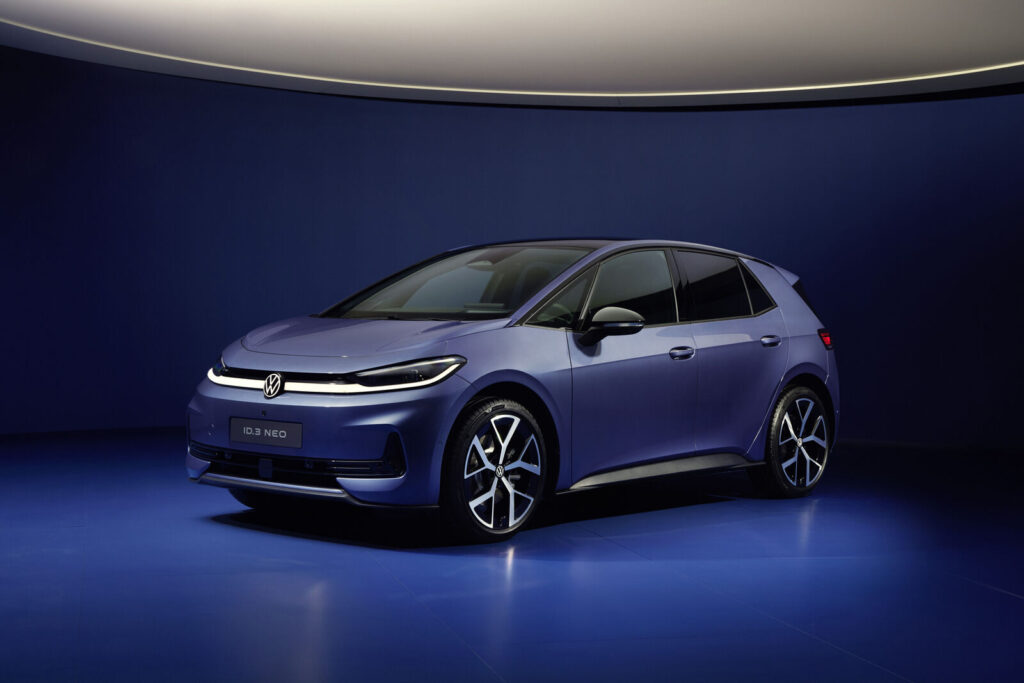
Insurance is where this bites hardest right now. Cover on a powerful £50k EV is not cheap, and it’s a cost you’d carry whichever way you financed the car. Buried inside a salary sacrifice scheme, that insurance premium is effectively bought with pre-tax money too. On PCP it’s bought with the most expensive pounds you own — the ones already taxed at your marginal rate. For a higher-rate earner, paying an insurance premium out of net salary means earning roughly £1.72 gross for every £1 of premium once you account for the tax and NI on the money you used to fund it. The same logic holds one rung down the price ladder, on a mainstream EV like the Volkswagen ID.3: the premium is smaller, but it is still bought with pre-tax money on a scheme and with post-tax money on PCP.
Where PCP still earns its keep
I’m not about to tell you salary sacrifice wins for everyone, because it plainly doesn’t. It only exists if your employer offers a scheme — a lot don’t, and the self-employed and company directors on dividend-heavy pay are largely locked out. If you can’t access a scheme, this whole comparison is academic and PCP or hire purchase is your real battleground; our breakdown of hire purchase versus PCP costs in 2026 is the more useful read there.
There’s a second group PCP suits better: anyone who wants the option to own the car. PCP ends with a balloon payment you can settle to keep the vehicle. Salary sacrifice is a lease — the car goes back, full stop. If ownership matters to you, or you rack up serious mileage that would shred a lease’s fair-wear-and-tear terms, the sacrifice saving can evaporate against excess charges.
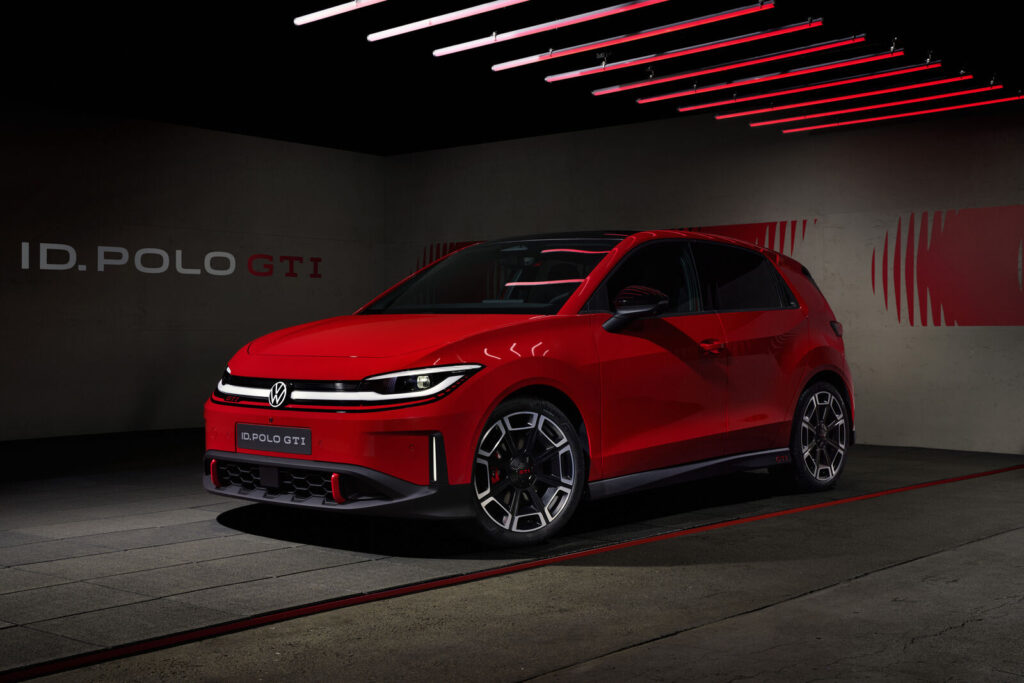
And there’s the risk nobody enjoys reading about. A salary sacrifice car is tied to your employment. Leave, or be made redundant, and you’re into early-termination territory — schemes vary, but you can be left covering exit costs on a car you no longer have a salary to sacrifice against. PCP has no such string attached; the finance stands on its own two feet regardless of who employs you. If your job feels wobbly, that untethered quality is worth real money. And none of it turns on the badge — a Volkswagen on a scheme obeys the same maths as a BMW; it is the scheme, not the marque, that moves the number.
The rising tax rate that changes the maths after 2027
One more thing before you sign anything for four years. That headline 4% BiK isn’t a fixture. It’s legislated to climb to 5% in 2027/28, 7% in 2028/29 and 9% in 2029/30, rates confirmed at successive Budgets and collated by SalaryTools. Even at 9% the EV company-car tax is trivial next to a petrol equivalent, so the salary sacrifice case doesn’t collapse — but the saving does narrow year on year. A 36-month agreement started in 2026/27 is riding the sweet spot; a longer term walks you into steeper years. It’s an argument for taking the deal sooner rather than “next year”, and for choosing an EV where the numbers already stack, like the ones we ran through on the BYD Seal salary sacrifice comparison.
So which one actually leaves your household better off?
Here’s where I come down, and I’ll be blunt about it. If you’re a higher-rate taxpayer with access to a scheme and you were always going to run a £40,000-plus EV, salary sacrifice isn’t just the cheaper option — it’s the one that borders on negligent to ignore. Buying the insurance and servicing with pre-tax money, on top of a 4% BiK that HMRC has explicitly blessed for 2026/27, is a structural advantage PCP simply cannot answer. The £5,000–£15,000 three-year gap is the household’s money, not the manufacturer’s.
But the moment any of three things is true — no scheme on offer, a job you’re not certain of, or a real intention to own the car at the end — the sums flip and PCP’s flexibility stops being a compromise and starts being the point. The right question was never “PCP or salary sacrifice?” in the abstract. It’s “do the pre-tax savings outweigh the loss of ownership and the employment string, for my band and my situation?” For a secure, higher-rate household set on a premium EV, the answer in 2026 is an easy yes. For nearly everyone standing outside those conditions, it’s a considered no — and there’s no shame in the finance quote you can walk away from.
Buyer action
Where to check next
Use this as the final check before paying a deposit, signing finance paperwork or relying on a headline monthly figure.