A £7,000 car allowance reads like a pay rise. By the time HMRC has taken its cut, a 40% taxpayer keeps somewhere near £4,200 of it — and still has to go out and find, insure, service and eventually sell the car. That erosion is the pivot on which the whole salary-sacrifice-versus-allowance decision turns in 2026, and with HMRC’s salary sacrifice guidance last updated on 6 April 2026, the rules underneath it are settled enough that I’ll tell you plainly where I land: for most higher-rate earners who want an electric car, sacrifice wins, and it isn’t marginal.
Let me lay the two options side by side the way I’d want them laid out for me — in real GBP, for a real UK employee choosing in 2026. There is a winner here for the majority. But it isn’t universal, and the exception matters enough that I won’t bury it at the bottom.
| Car allowance | Salary sacrifice (electric car) | |
|---|---|---|
| How it’s taxed | Paid as gross salary, taxed at your marginal rate with employee NI on top | Taken from gross pay before Income Tax and NI are calculated |
| Worked 2026/27 example | £7,000 allowance leaves a 40% taxpayer roughly £4,200 net, about £350 a month | £500 a month sacrificed can return up to £3,000 a year in Income Tax and NI relief |
| Benefit-in-kind | None — it is simply cash | 4% BiK on the EV in 2026/27 |
| What you have to manage | Finance, insurance, servicing, tyres and depreciation — all yours | Car, and usually insurance and maintenance, bundled into one monthly deduction |
| Business mileage | Claim HMRC AMAP: 45p a mile to 10,000 miles, 25p thereafter | No AMAP mileage claim |
| Best suited to | High-mileage drivers, anyone wanting a used or petrol car or the freedom to switch, and earners near the minimum-wage floor | Higher-rate taxpayers who want a new EV and can charge at home |
| Where I land | Wins on high mileage and flexibility | Wins for the majority of higher-rate EV buyers, and not by a nose |
What a car allowance actually leaves in your pocket
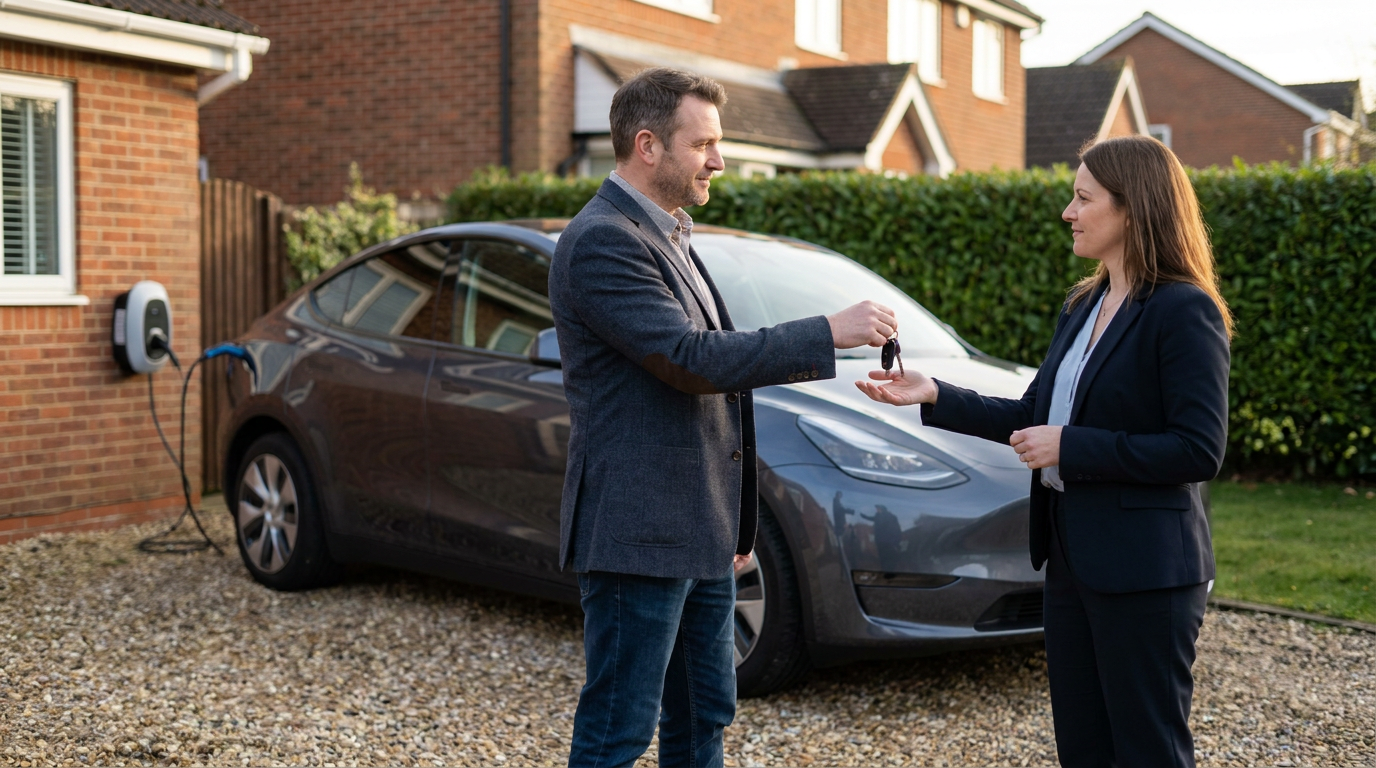
A car allowance is the blunt instrument of the two. Your employer hands you extra cash — typically £5,000 to £8,000 a year depending on role and seniority, as The Electric Car Scheme sets out — and tells you to go and sort your own motoring. The catch is that the money is taxed as ordinary income: it lands in your gross pay and is charged at your marginal rate with National Insurance on top. There is no favourable wrapper, no relief. It is salary that happens to have the word “car” written next to it.
Take the £7,000 example. For a higher-rate taxpayer, 40% income tax plus employee NI carves it down to roughly £4,200 in the hand — about £350 a month, on The Electric Car Scheme’s own worked figures. And out of that £350 you fund the deposit, the monthly finance, comprehensive insurance, servicing, tyres and the depreciation hit when you sell. The allowance doesn’t shrink your risk; it hands you every pound of it and calls the result “flexibility”.
Why the 4% BiK figure rewrites the whole sum
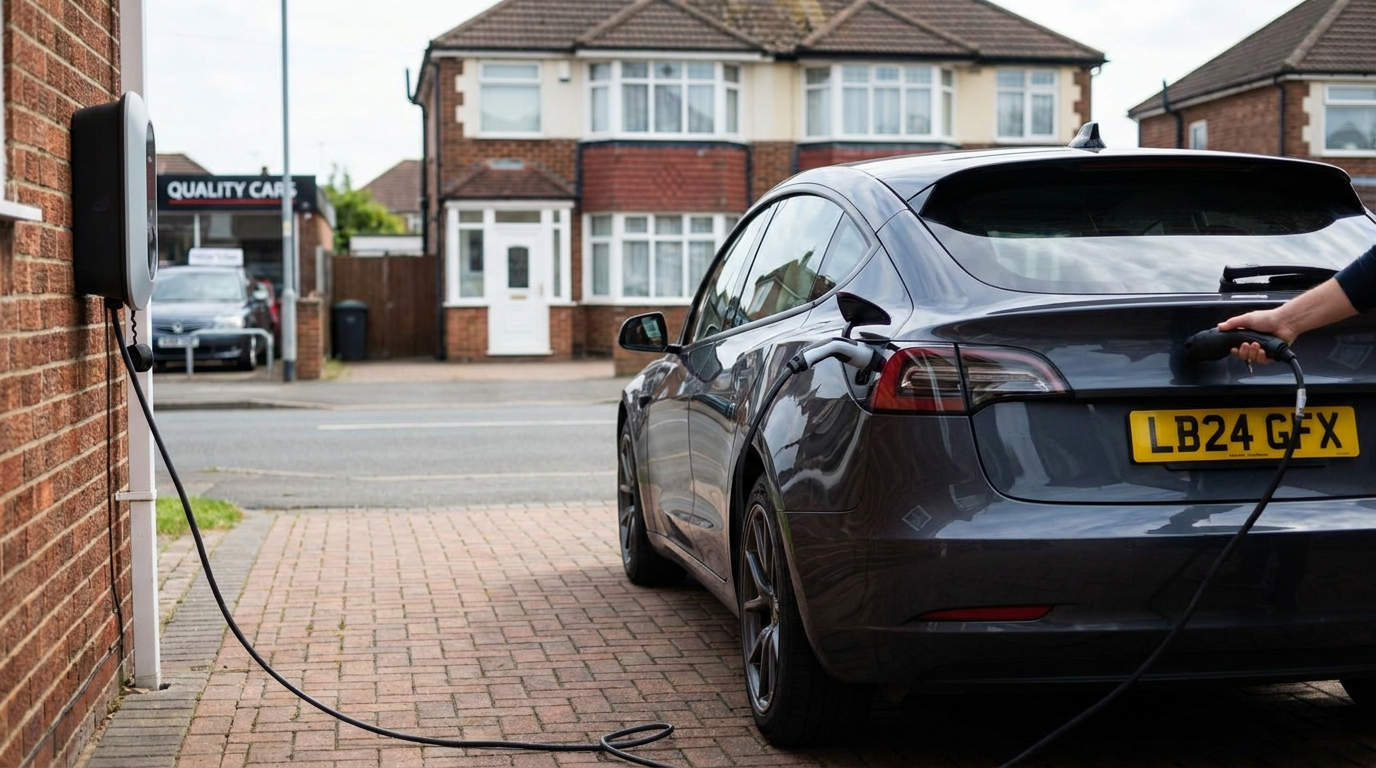
Salary sacrifice plays an entirely different game, and the reason is one number. Sacrifice part of your gross salary for an electric car through an employer scheme and the benefit-in-kind charge on that EV is just 4% in 2026/27. Set that against a petrol or diesel company car, where BiK rates climb as high as 37%, and you can see why nobody serious is recommending a combustion company car any more. Both The Electric Car Scheme and SalaryTools land on the same point: it’s the BiK gap that makes an EV through a scheme so much cheaper than the equivalent car bought with taxed money.
Read the payslip, not the offer letter
Strip away the packaging and the verdict is clear enough to state without hedging: for the great majority of UK employees who need a new car in 2026 — and emphatically for higher-rate taxpayers who can charge at home — salary sacrifice on an electric car is the stronger deal, and it isn’t a photo finish. The 4% BiK rate and the pre-tax shelter do something a taxed cash allowance structurally cannot. The allowance keeps its place for high-mileage drivers cashing in on 45p-a-mile claims, for those who refuse to be tied to a new EV, and for anyone near the minimum-salary floor — a real minority, not a rounding error.
But if you’re a 40% taxpayer staring at a £7,000 allowance line, do the one thing the offer letter is quietly hoping you won’t: work out what actually reaches your account after tax and NI, then set that £4,200 against what the same money buys you sacrificed pre-tax. Nine times in ten, the letter flatters the worse option. The payslip tells the truth.
Figures reflect the 2026/27 UK tax year and general HMRC rules; this is not personal tax advice. Your own saving depends on your salary, tax band and your employer’s scheme terms — model your specific numbers before you commit.
Buyer action
Where to check next
Use this as the final check before paying a deposit, signing finance paperwork or relying on a headline monthly figure.