The cheapest part of running an electric car is the bit everyone obsesses over. It’s the rubber underneath that quietly runs up the bill, and the latest fleet figures, published in October 2025, show the gap between what an EV driver pays for tyres and what a petrol driver pays isn’t closing. If anything, it has settled in and made itself comfortable.
That’s the headline I take from the latest epyx fleet analysis reported by Business Motoring on 21 October 2025. Working from a huge pool of real service, maintenance and repair transactions, epyx found the average electric car tyre now costs £246 to replace against £187 for a petrol or diesel equivalent. That’s a 32% premium, and it is not a rounding error you can shrug off across a four-year ownership run.
| Tyre costs (epyx fleet data) | Electric car | Petrol / diesel |
|---|---|---|
| Average cost to replace one tyre | £246 | £187 |
| Miles to first replacement | 14,352 | 18,333 |
| Cost premium | 32% more | Baseline |
| Verdict on rubber | Pricier, wears sooner | Cheaper, lasts longer |
The EV tyre premium is real, and it’s stubborn
What makes that 32% figure worth taking seriously is that it comes from actual invoices, not a manufacturer’s brochure or a lab estimate. epyx sits in the plumbing of UK fleet servicing, so when it says EV tyres averaged £246 against £187 for combustion cars in August 2025, that’s money that genuinely changed hands.
The corroboration matters too. Business Car reported the same finding, framing it as a premium that “persists”, which is exactly the point. The industry keeps hoping economies of scale will drag EV tyre prices back towards parity as electrification matures. The data flatly refuses to cooperate.
“There has been commentary in the fleet sector hoping the difference between ICE and electric car tyres would start to close over time, especially as electrification has progressed, but there’s no sign of that happening yet in our data.” — Tim Meadows, chief commercial officer, epyx
When the person sitting on the transaction data tells you the gap isn’t shrinking, I’d take that over any optimistic forecast about falling prices. This is a structural cost of the powertrain, not a teething problem.
Why heavy cars chew through rubber faster
The price premium is only half the story. The other half is that EV tyres don’t last as long, so you buy them more often. epyx’s fleet cars went to their first tyre replacement at 14,352 miles for EVs versus 18,333 miles for combustion cars, nearly 4,000 miles sooner. Pay more, more often. That’s the compounding problem.
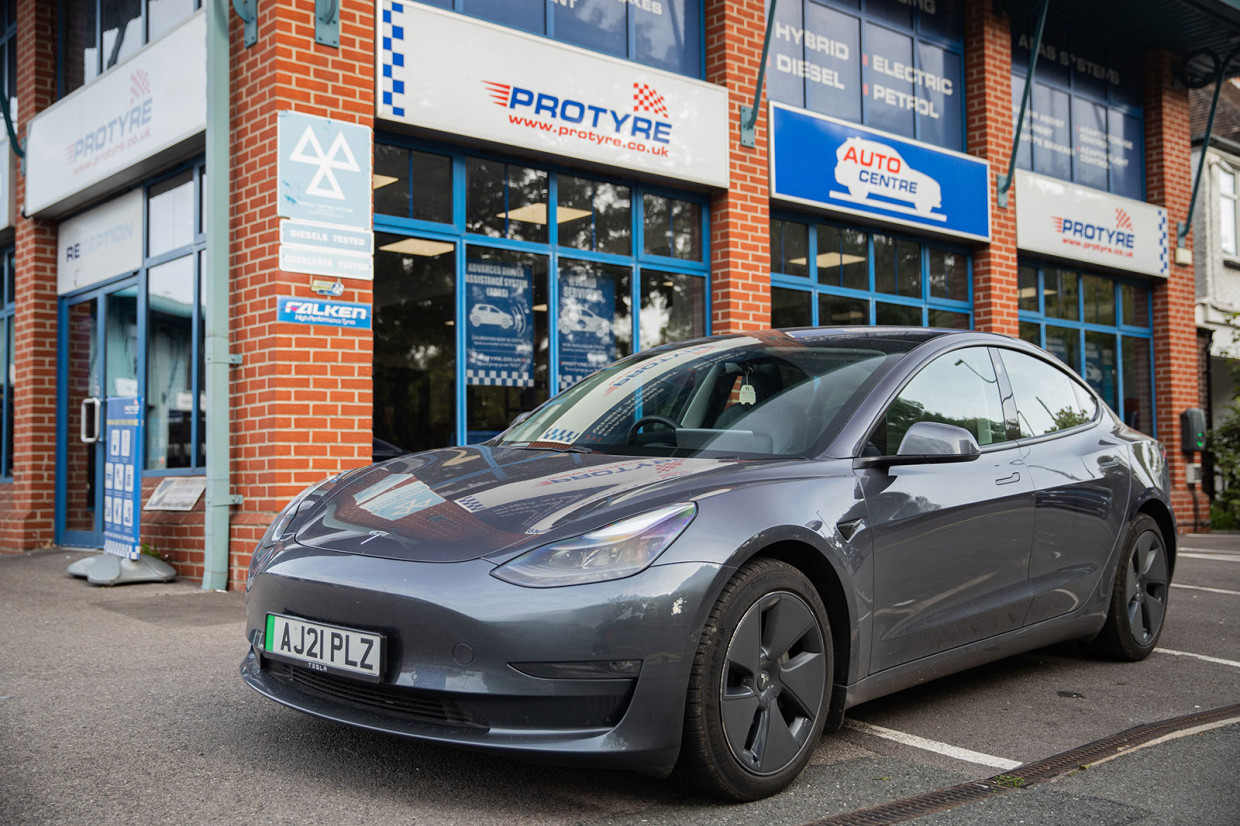
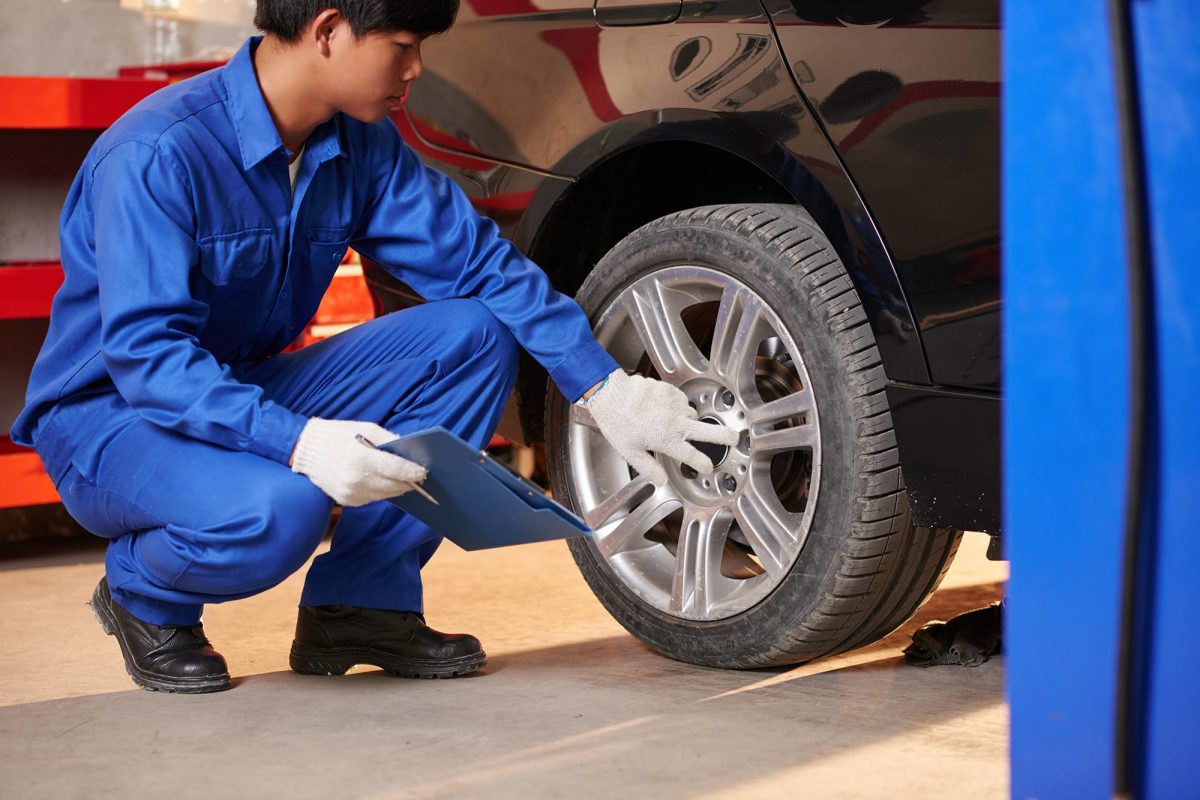
The physics behind it isn’t mysterious. Autocar’s deep-dive into the question, drawing on work from Emissions Analytics, lands on two culprits. The first is sheer mass: an electric car carries roughly 600kg more than its petrol equivalent, most of it battery slung low in the floor. Emissions Analytics reckons tyre wear rises by around 20% for every 450kg of added weight, and an EV clears that threshold comfortably.
The second is torque. An electric motor delivers its full twisting force from a standstill, and every enthusiastic pull away from the lights loads the tread blocks in a way a petrol engine’s gradual build-up simply doesn’t. Add the regenerative braking that scrubs speed through the driven wheels, and the contact patch is working harder its entire life. Heavier car, more instant grunt, faster wear: it’s not a manufacturing flaw, it’s the job description.
What this actually costs you over a year
Abstract percentages don’t help anyone budget, so work it from the epyx figures, the ones that actually changed hands. At an average of £246 an EV tyre against £187 for combustion rubber, a full set of four lands close to £984 for the electric car versus roughly £748 for the petrol equivalent. Then factor in how much sooner the EV set arrives: on epyx’s numbers the electric cars needed their first replacements at 14,352 miles against 18,333 for combustion cars, so a driver covering around 14,000 miles a year is shopping for tyres inside twelve months on the EV and closer to sixteen on the petrol car. Pay more per corner, and pay it more often.
The premium isn’t just a marketing badge, either. An EV-specific tyre genuinely is a different product: stiffer sidewalls to carry the extra weight, lower rolling resistance to protect range, and foam liners to hush the road roar a silent powertrain no longer masks. A flagship low-rolling-resistance EV tyre such as Michelin’s e.Primacy carries a clear premium over the standard Primacy it sits next to on the shelf. You are paying for engineering, not a sticker, which is exactly why dropping to a cut-price generic to save a few pounds tends to cost you range and refinement instead.
This is precisely the sort of line item that gets glossed over in a glossy lease quote, and it’s why I keep pointing readers towards the hidden running costs baked into an EV salary-sacrifice deal before they sign. Tyres are the one that ambushes people, because the first set is worn out well before they’ve mentally budgeted for it.
The performance-EV trap
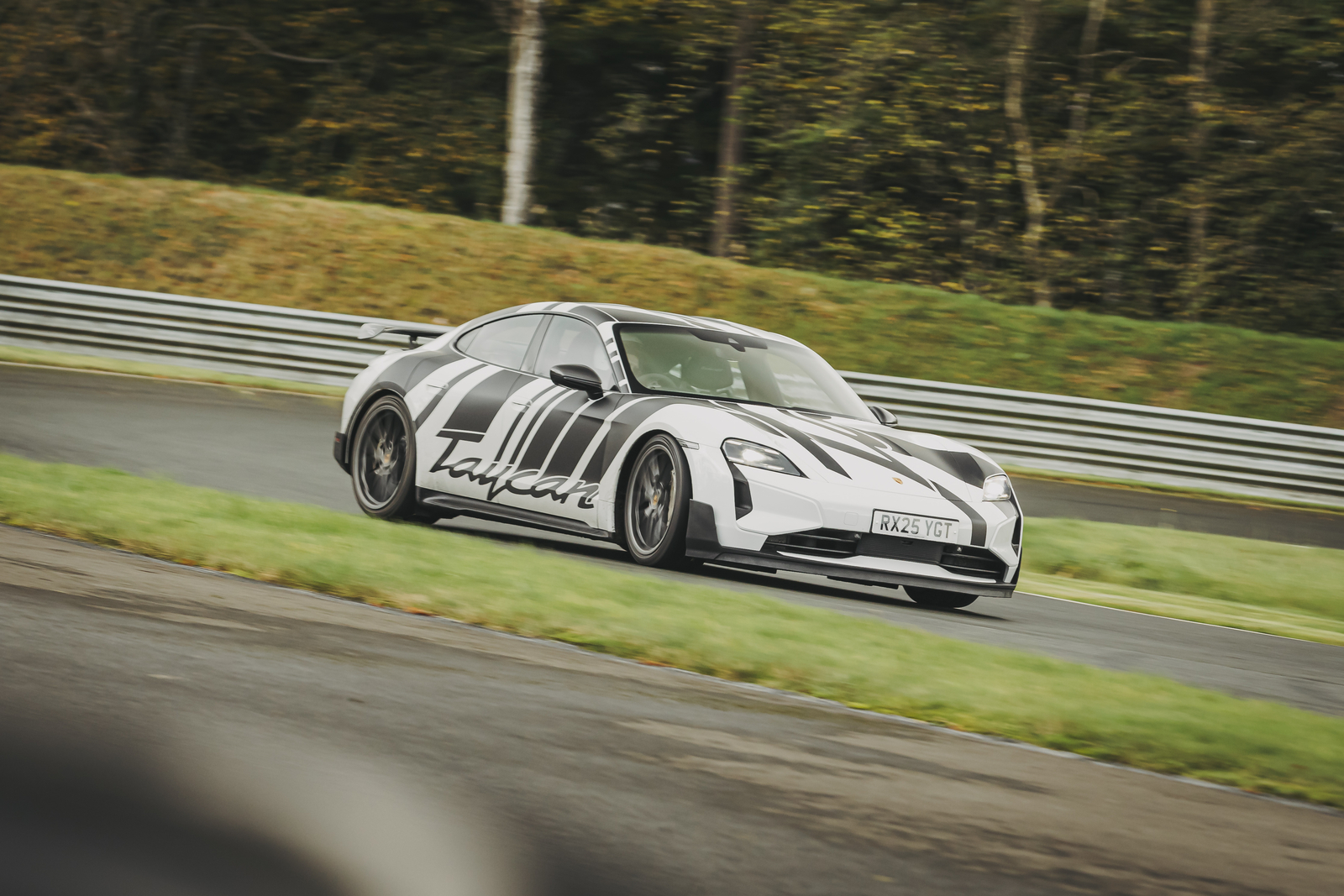
If the mainstream numbers make you wince, the fast stuff is where it turns genuinely eye-watering. A heavy performance EV combines the worst of both drivers: two-and-a-half tonnes of kerb weight and a throttle that punishes tread with every use. It’s no accident that we flagged tyre spend as one of the real ownership risks in our look at the Porsche Taycan on salary sacrifice: on a staggered set of performance rubber, a full replacement can run into four figures before you’ve factored in the more frequent visits.
That’s the trap of buying at the premium end of the electric market and assuming “fuel savings” square the ledger. They might cover your electricity. They will not cover the consumables. Anyone shopping the premium electric SUV bracket for 2026 should treat tyres as a fixed annual cost in the hundreds, not a once-every-few-years afterthought, because on the epyx mileage figures, that’s exactly what they are.
How I’d blunt the bill without pretending it away
You cannot make an EV as cheap to shoe as a supermini, and I’m not going to insult anyone by suggesting a bargain tyre closes the gap: on a car this heavy, the wrong rubber costs you range, refinement and, frankly, safety. But the premium is manageable if you stop letting it ambush you.
Buy the EV-specific tyre the car was designed around rather than defaulting to a generic; the range and noise penalty of the wrong choice erodes the saving fast. Keep the pressures spot-on, because an underinflated tyre on a heavy car wears its shoulders out early. Rotate front-to-back to even out the torque-loaded fronts. And when you’re modelling the true cost of going electric, the same discipline I’d apply to weighing up PCP against PCH on an EV, put a realistic tyre figure in the spreadsheet from day one. Going by those epyx per-tyre and replacement-mileage figures, budget somewhere around £600 to £700 a year on a mainstream EV doing average mileage, and more on anything heavy or fast.
Here’s where I land: the tyre premium is not a reason to avoid an electric car, but it is a reason to stop treating the switch as an unambiguous money-saver. The electrons are cheap. The rubber is not, it wears faster, and on epyx’s own data that gap is going nowhere. Price it in honestly and the EV still stacks up on its own terms. Ignore it, and the car you bought to save money quietly hands a chunk of it straight to your local tyre bay, several thousand pounds’ worth across the life of a lease. I’d rather you saw that bill coming.
Buyer action
EV and salary-sacrifice checks
Use this as the final check before paying a deposit, signing finance paperwork or relying on a headline monthly figure.