Premium car servicing splits sharply down two routes once your manufacturer warranty runs out: the main dealer, with its branded stamp and software access, or an independent specialist charging roughly half the labour rate. For a five-to-ten-year-old BMW, Audi, Mercedes, Porsche or Range Rover, the right call swings several hundred pounds a year and a chunk of resale value. We set out where each route wins, and the one legal point that frees you to choose.
What real owners say (CDE data)
- Most-praised about independents: headline savings (owners report half the main-dealer labour rate), a named technician who knows the car, and flexibility on which jobs to do now versus later.
- Most-criticised about main dealers: labour rates owners call eye-watering, upsold “advisories”, and courtesy-car and wait-time frustration at busy franchised sites.
- Reliability and resale signal: owners of BMW, Mercedes, Audi and Porsche repeatedly say a franchised stamp helps resale and approved-used eligibility, while a documented independent-specialist history is widely accepted once the car is older and out of approved-used scope.
The headline number: what each route actually costs
The gap is real and large. What Car’s servicing comparison shows a mainstream car like a Ford Fiesta costing £350 at a main dealer against £137 to £234 at an independent, with a Nissan Qashqai at £280 versus £126 to £205. Premium marques stretch that gap further. Independent German-car specialists commonly quote labour at around £76 an hour against franchised rates that reach £141 an hour in some regions, and reputable BMW, Audi or Porsche specialists routinely come in 50 to 60% under a main dealer for the same scheduled work and the same service-history stamp.
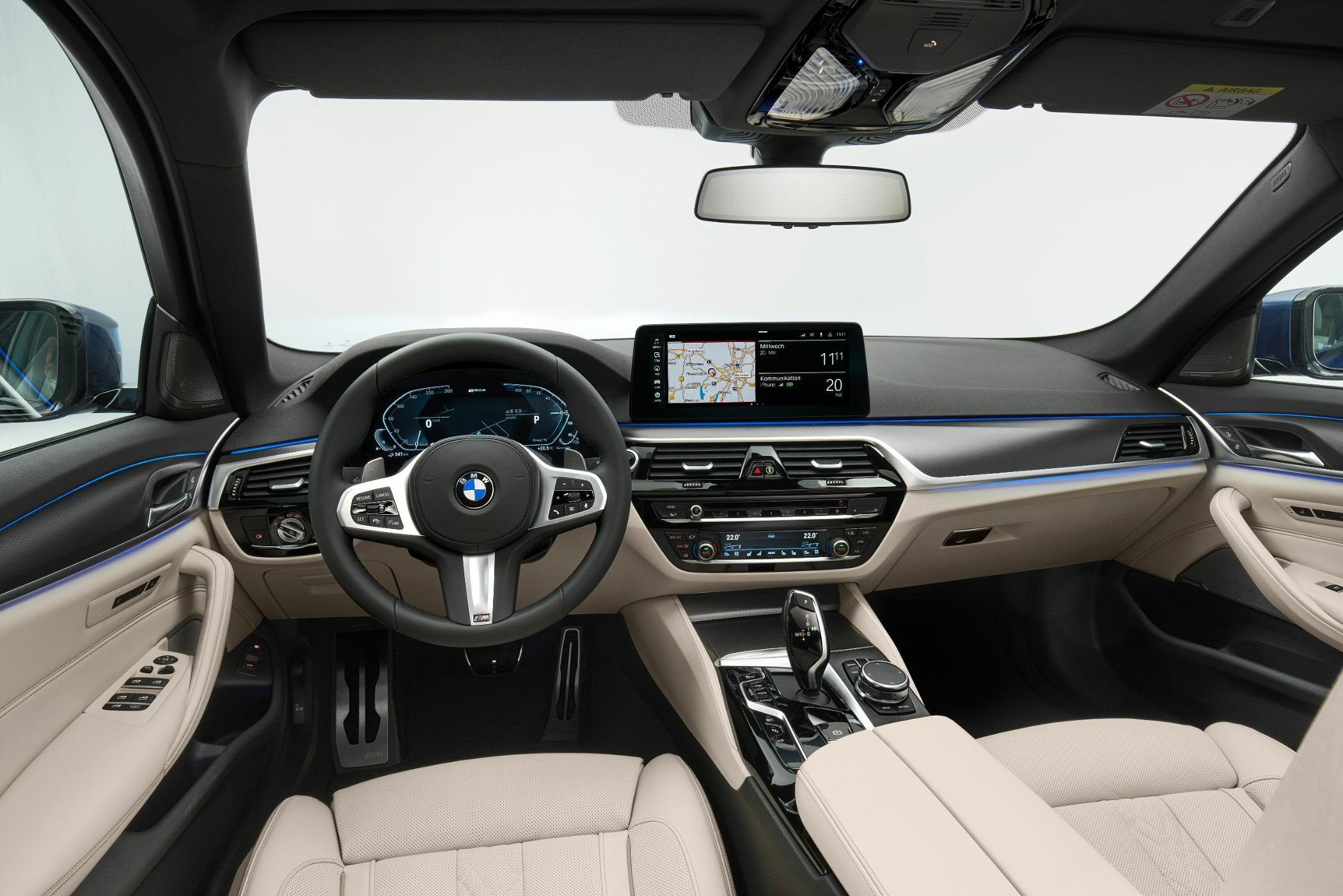
A worked Porsche example makes the point: owners on the Porsche Club GB forum describe a Porsche Centre quoting north of £1,500 for a four-year interval service, while a respected local specialist completed the same schedule, correct parts and a stamped history for roughly £700. On a 911 or Cayenne kept beyond the warranty period, that one decision is the difference between an £800 saving and none. If running costs are what is steering your purchase, our guide to the Porsche 718 used buyer’s checks covers the service-interval traps to price in before you commit.
Will an independent void your warranty? The Block Exemption point
This is the question that pushes nervous owners back to the dealer, and the answer is no, not if the work is done properly. The position rests on competition law plus your consumer rights, not on the dealer’s goodwill. The Competition Act 1998 (Motor Vehicle Agreements Block Exemption) Order 2023 came into force on 1 June 2023 and runs until 31 May 2029, replacing the retained EU regulation after Brexit. Alongside it, the Competition and Markets Authority published guidance on 5 June 2023 reaffirming that drivers can use independent garages without losing their warranty.
The practical conditions matter. You must service the car to the manufacturer’s schedule, use parts of matching quality (genuine or equivalent specification), and keep documentation of every job. A manufacturer cannot automatically void cover simply because an independent did the work; to refuse a claim it has to show the part or work actually caused the fault. What Car puts it plainly: the belief that an independent service instantly voids your warranty is, in its words, a rumour that is “unfounded”. The same logic governs an aftermarket policy, and our breakdown of used car warranty exclusions in 2026 shows where servicing gaps actually do invalidate a claim.

Where the main dealer is genuinely worth the premium
The franchised network is not just paying for a badge. Three things justify the higher bill while a car is younger. First, software: main dealers push the manufacturer’s coding, module and over-the-air updates that an independent may not be able to apply, which matters on modern infotainment and EV battery-management systems. Second, recalls: outstanding safety recalls are carried out free only by the franchised network, and a dealer visit flags them automatically (you can also check at gov.uk’s vehicle recall service). Third, approved-used eligibility: to be sold under a scheme like BMW Approved Used or Mercedes-Benz Approved Used, a car generally needs an unbroken franchised history, so a dealer stamp protects that route. Our look at BMW, Audi and Mercedes approved used warranty cover shows why that history is worth keeping while the car is still within scheme age.
Fixed-price service plans: locking in the dealer rate
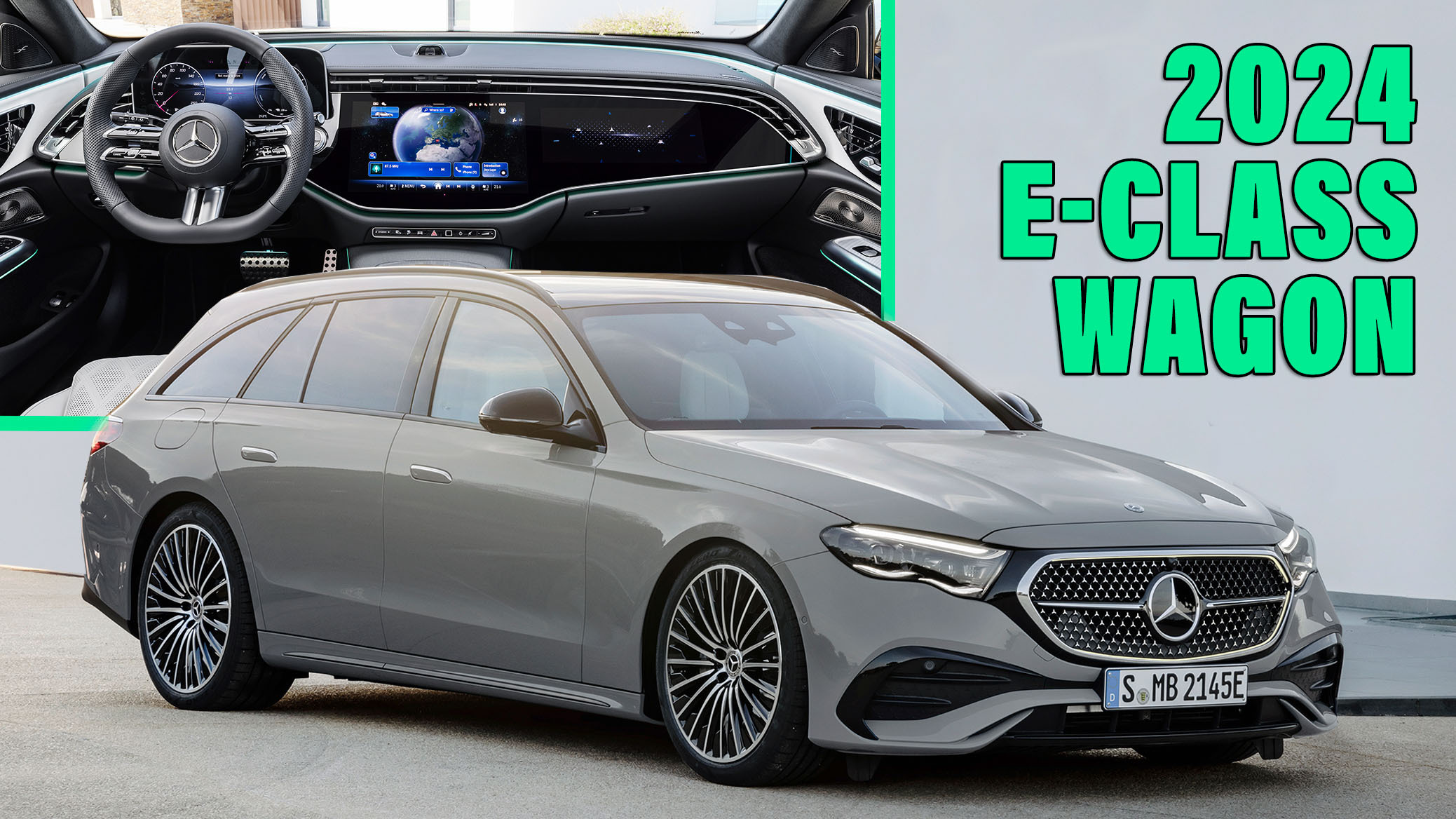
If you want the dealer stamp without inflation risk, the manufacturers sell pre-paid plans. BMW Service Inclusive covers parts, labour and fluids at a fixed upfront price for petrol, diesel and PHEV cars up to five years or 62,000 miles (four years, no mileage cap, for electric models), with BMW quoting packages from around £440 for a smaller car over three years and from £605 for five years. Mercedes-Benz Service Care works similarly: Honest John cites roughly £45 a month, about £2,160 over four years, for a three-year-old C-Class. Audi and Porsche run equivalent fixed-price schemes. These plans transfer with the car, so they can be a quiet selling point at resale.
The catch is that a plan locks you to franchised pricing for the term. If a good independent specialist would do the same schedule for half the money, the plan only makes sense when you value the branded stamp, the inflation hedge or the resale transfer more than the cash. For older cars past approved-used age, the maths usually tips the other way.

Premium car servicing costs side by side
The table below sets the two routes against each other on the points that decide it. Figures are indicative and cited; your exact quote depends on model, engine and region.
| Factor | Main dealer | Independent specialist |
|---|---|---|
| Typical labour rate | Up to ~£141/hour | ~£76/hour |
| Premium full service (worked Porsche example) | £1,500+ (4-year interval, Porsche Centre) | ~£700, correct parts and stamp |
| Indicative saving on like-for-like work | Baseline | 50 to 60% on a good specialist |
| Fixed-price plan example | BMW Service Inclusive from ~£440 (3yr) | Pay-as-you-go, no lock-in |
| Manufacturer software / OTA updates | Yes | Often limited |
| Free recall work | Yes | No (must use franchised network) |
| Approved-used resale eligibility | Protected | Not eligible while in scheme age |
| Warranty position (to schedule, matching parts) | Maintained | Maintained under the 2023 Block Exemption Order |
Service history and resale: where the stamp pays you back
For premium brands, a documented history is part of the asset. Honest John’s guidance is that a franchised dealer stamp matters more on BMW, Mercedes, Audi and Porsche, where buyers actively seek it, than on mainstream cars where a reputable independent record carries equal weight. The honest middle path most owners land on: keep the franchised stamp while the car is young enough for approved-used schemes, then move to a trusted marque specialist once it ages out, never letting the paperwork lapse. A complete, stamped book from any VAT-registered specialist beats a patchy main-dealer history every time. The same documentation discipline underpins aftermarket cover, which is why our comparison of Warranty Direct, MotorEasy and ALA stresses servicing evidence on every claim.
When an independent specialist is the smarter buy
Once a premium car is past its approved-used window, usually beyond five to seven years, the case for a marque specialist gets strong. You keep manufacturer-schedule servicing and genuine-or-equivalent parts, you keep the warranty position intact on any aftermarket policy, and you typically halve the bill. The best independents are model-deep: a dedicated Porsche or JLR specialist often knows the failure points better than a generalist franchised tech rotating across the range. For the running-cost picture as a whole, pairing a good specialist with sensible specialist breakdown cover for a premium used car is how owners keep an ageing flagship affordable. The exception is anything software-heavy or under active recall, where the dealer still wins.
How to choose and check before you book
Run these checks before committing to either route. They take minutes and protect both your warranty and your resale value, and they sit alongside the wider running-cost advice in our repairs and running costs section.
- Confirm the car’s approved-used age window with the brand; if it is still in scope and you may sell soon, keep the franchised stamp.
- Ask the independent in writing that they service to the manufacturer schedule and fit genuine or equivalent-specification parts, and that they stamp the book.
- Check for outstanding recalls at the DVSA recall service and route any recall work through the franchised network for free.
- Compare a fixed-price plan quote (BMW Service Inclusive, Mercedes-Benz Service Care, Audi or Porsche equivalents) against two independent specialist quotes for the same interval.
- For an EV or recent model with battery or driver-assist software, ask whether the independent can apply manufacturer updates; if not, the dealer may be worth it for now. Our notes on running an EV affordably sit alongside our premium EV insurance guide.
- Keep every invoice and stamp; a complete book is what defends a warranty claim and lifts resale.
Our view on premium car servicing is that the route should follow the car’s age, not brand loyalty. While a BMW, Audi, Mercedes, Porsche or Range Rover is inside its approved-used window, keep the franchised history: the dealer stamp protects resale and scheme eligibility, recalls and software are handled in-house, and a fixed-price plan hedges inflation. Once the car ages out, a reputable marque specialist is the smarter buy, halving the bill while keeping your warranty position intact under the 2023 Block Exemption Order, provided the work follows the manufacturer schedule with matching-quality parts and a stamped book. The one car we would always keep at the dealer for now is anything software-heavy or under active recall. For everything else, the independent specialist with boring, complete paperwork is the route we would back. CDE score: 4/5.
Does servicing at an independent garage void my premium car warranty?
How much cheaper is an independent specialist than a main dealer?
Is a fixed-price service plan worth it on a premium car?
When is the main dealer genuinely worth the extra cost?
Does a dealer service history really boost resale on a premium car?
Can an independent service my premium EV or hybrid?
This article is general guidance, not financial, legal or tax advice. Servicing costs, warranty terms and approved-used scheme rules vary by manufacturer, model and region, and change over time. Confirm current figures and warranty conditions with the manufacturer, your dealer or an independent specialist, and check the latest position with gov.uk, the CMA or a qualified adviser before you act.
Buyer action
Where to check next
Use this as the final check before paying a deposit, signing finance paperwork or relying on a headline monthly figure.