Best Used Hybrid SUV in the UK for 2026: Toyota, Lexus or Honda?
One used hybrid SUV can shed close to half its value in three years; another barely moves off its forecourt price. That gap, stripped of all the showroom theatre, is…
One used hybrid SUV can shed close to half its value in three years; another barely moves off its forecourt price. That gap, stripped of all the showroom theatre, is the whole game when you shop a used hybrid SUV in Britain in 2026, and it is exactly why I keep steering people back towards the Japanese badges. The SMMT’s 2026 registration data shows hybrids and plug-ins taking an ever larger slice of the new market, and Parkers’ hybrid SUV guide notes hybrid SUVs now make up more than a fifth of new SUV sales, with Toyota and Lexus among the leading names. That popularity matters second-hand, because the cars people trusted new are the cars that hold their value used.
So let me set out the case the way I would for a friend with somewhere between £15,000 and £26,000 to spend: Toyota, Lexus or Honda, and where I would actually sign.
Why the residual-value maths does the arguing for you
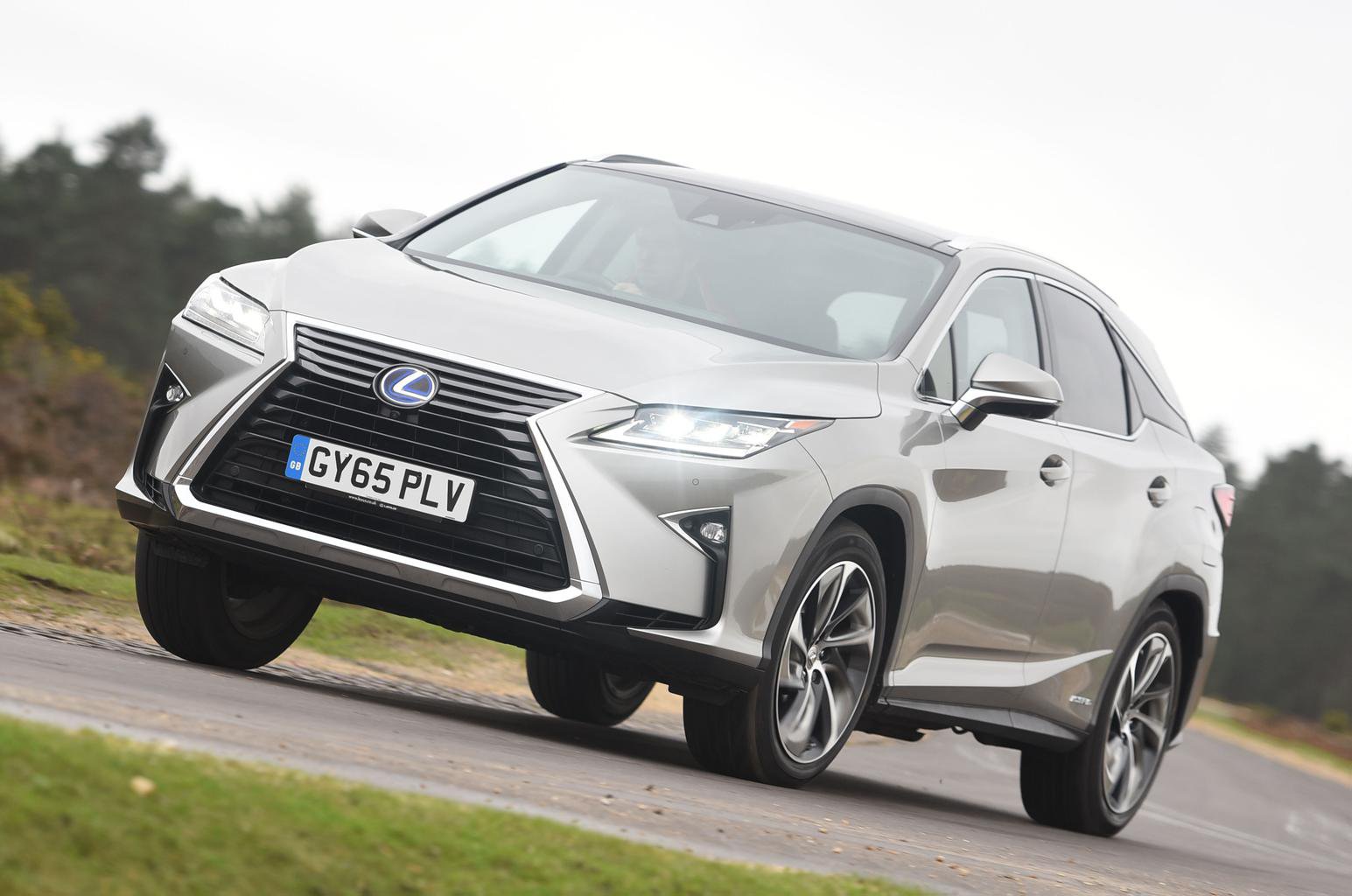
I will start with the number that ends most arguments, and it is hiding in plain sight in the used adverts. The used Lexus RX guide at What Car? still has 2016 RX 450h examples asking around £16,000 a full decade after they left the showroom; a self-charging Toyota or Lexus simply refuses to fall the way a non-Japanese plug-in hybrid SUV does, and the worst of those can give back close to half their price in three years. What Car?’s hybrid reliability rankings explain the mechanism: the brands that depreciate slowly here are also the brands owners report fewest faults on, and on a used car reliability and residuals are the same story told twice.
Read that again, because it reframes the whole purchase. A “cheaper” PHEV that haemorrhages value is not cheaper; it is a slow, expensive way to own a car. A self-charging Toyota or Lexus that barely moves on the used market is, in the only sense that matters to your bank balance, the premium buy. You are not paying for badge snobbery. You are paying for a residual value that protects you when it is your turn to sell.
A used hybrid that holds the bulk of its value isn’t the safe, boring option, it’s the one quietly winning the argument every time you come to sell.
Image: Whatcar
The three contenders at a glance
Here is how the shortlist breaks down on the figures the linked sources actually carry, before I tell you where I land.
Model
Typical used price
Best for
The catch
Toyota C-HR Hybrid
~£15,200 average (MotoringMojo)
City-and-occasional-motorway life; sharp looks
Tighter rear space; smaller boot than the RX
Lexus RX 450h
~£16,000–£20,000 (2016–17), to ~£26,000 (2018–22) (What Car?)
Long-haul refinement; luxury for hatchback money
Big, heavy; older infotainment shows its age
Honda CR-V Hybrid
Budget-dependent; check full Honda history
Roomy, sensible family choice
Residual-value case less proven than the Toyota group
Where I’d sign
Lexus RX 450h if the budget stretches past £16k; Toyota C-HR Hybrid on a hard £15k ceiling
The mainstream Toyotas: where £15,000 buys a drivetrain you can trust
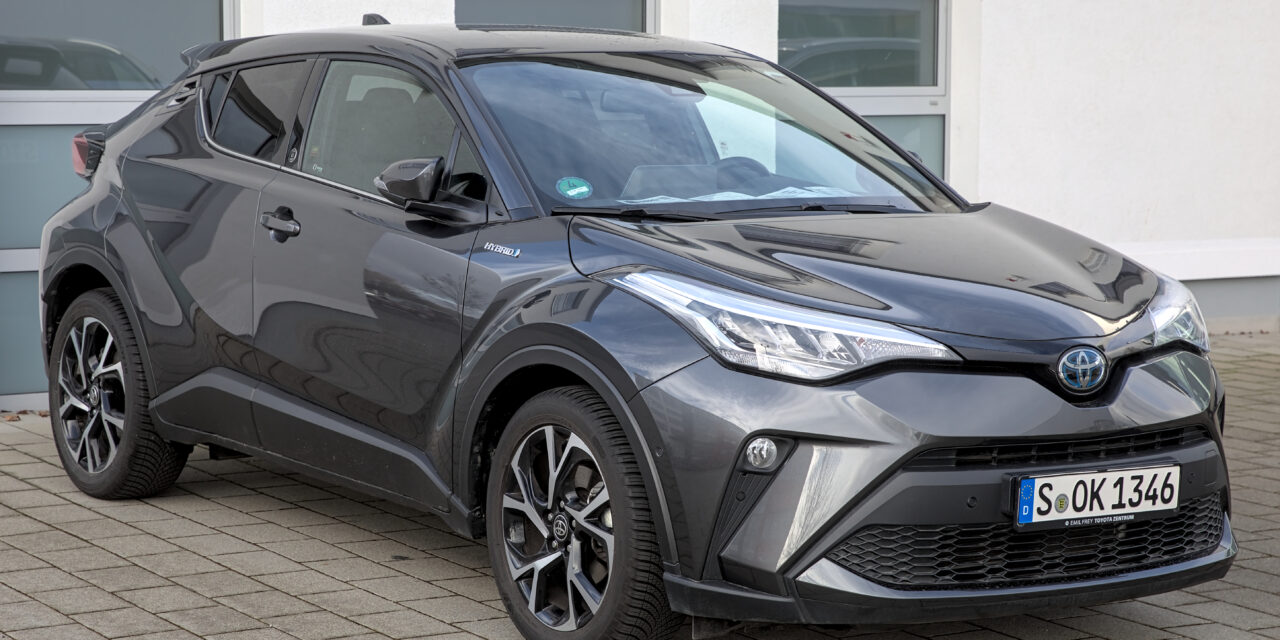
If your ceiling is around £15,000, the Toyota C-HR Hybrid is the car I would put at the top of the shortlist. MotoringMojo’s used hybrid SUV roundup puts the C-HR Hybrid at an average used price of about £15,200, right on the line where mainstream used hybrid SUVs (the C-HR and the Kia Niro among them) tend to start, between roughly £13,000 and £15,000.
What you are buying at that price is not a bargain runabout; it is a hybrid drivetrain Toyota has been refining for two decades, wrapped in a coupé-SUV body that still looks sharp on a 2026 driveway. For an urban-and-occasional-motorway life, the school run, supermarket, the odd 200-mile weekend, it is hard to fault, and it sits comfortably under the threshold where the genuinely premium cars begin.
The Lexus RX: the one I would actually stretch for
Here is where I lean, and lean hard. If you can find the money, the Lexus RX 450h is the used hybrid SUV I would buy with my own cash. The used Lexus RX review at What Car? lays out the pricing plainly: early 450h models from 2016–2017 sit at roughly £16,000–£20,000, with later 2018–2022 examples climbing to around £26,000. Crucially, the 450h hybrid is the more economical choice than the petrol-only RX 200t, so the version that feels like the indulgence is also the version that costs you less to run.
Image: Motoringmojo
That is the whole Lexus trick in one sentence. You get the quiet cabin, the long-haul refinement and a badge that still reads as proper luxury, and the hybrid powertrain quietly hands you better economy than the petrol alternative. A 2016 car at £16,000 is, to my eye, one of the most under-appreciated luxury buys on the British used market right now: a £50,000-when-new SUV for the price of a mainstream hatchback.
The trade-off is honest and worth saying out loud: an early RX is a big, heavy car, and the infotainment in the older examples shows its age. If your driving is almost entirely tight-city, the smaller C-HR is the smarter tool. But for anyone who covers distance, the RX is the car that will still feel special on year five.
The warranty that changes the second-hand sums
There is a safety net under both Toyota and Lexus that I think too many buyers overlook. Both marques run a manufacturer-backed scheme that keeps extending hybrid and mechanical cover well beyond the standard new-car term, on one strict condition: the car has to be serviced on schedule at an authorised dealer, with no gaps. Break the dealer-service chain and the rolling cover stops, so always confirm the exact terms for the individual car before you commit.
For a used buyer that condition is everything. It means a five- or six-year-old hybrid, bought right and kept on a main-dealer service history, can still have cover left on the hybrid system, the one component nervous buyers fret about most. My standing advice: before you fall for any particular car, confirm its service history is unbroken and dealer-stamped. On these brands, that paperwork is not admin; it is the warranty, and it is real money.
Image: Hendrick Honda
And Honda? The honest answer
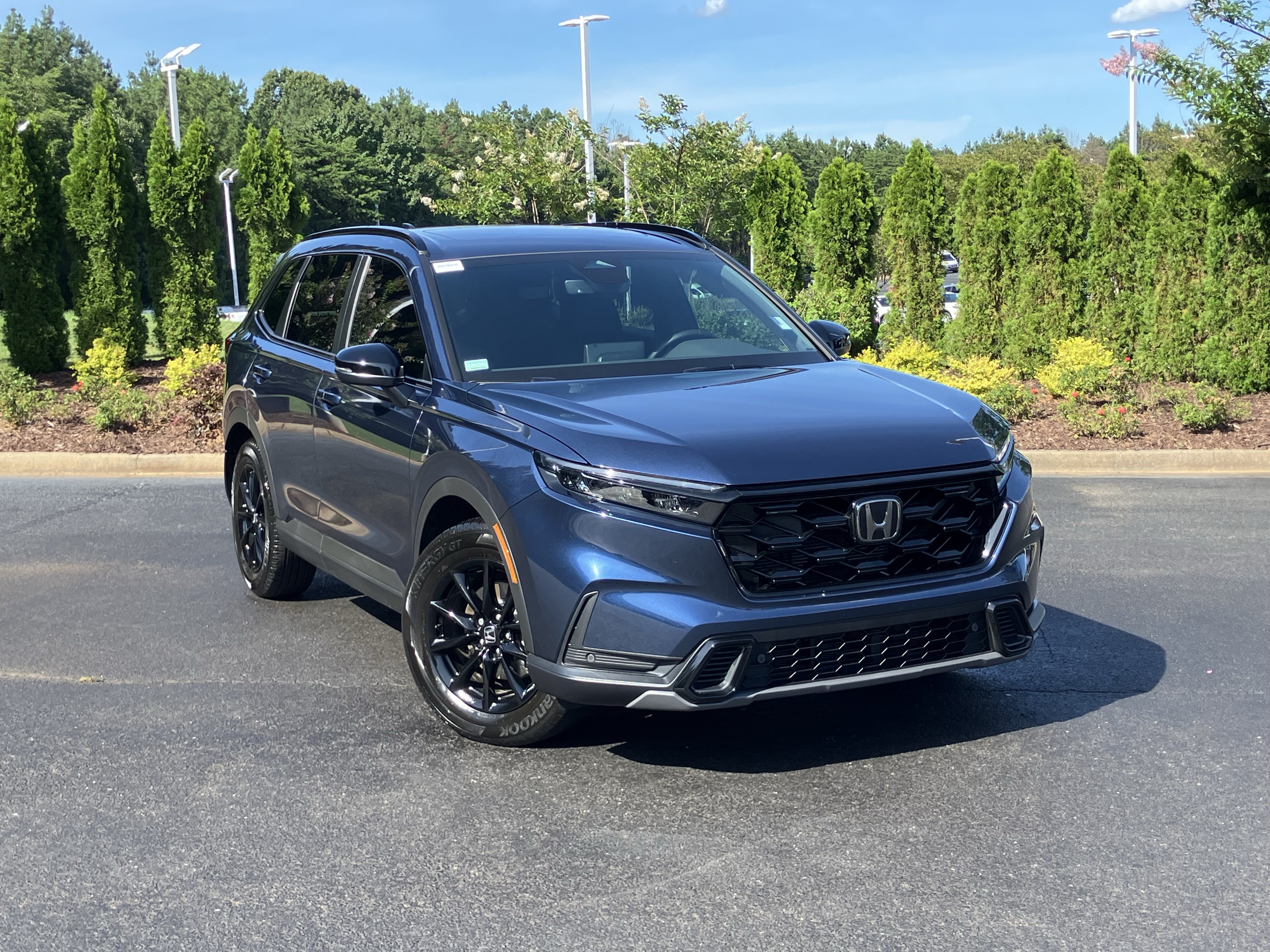
Honda earns its place in the conversation. The CR-V Hybrid is a genuinely sensible, roomy family choice, and Honda sits alongside Toyota and Lexus in the reliability conversation. But I am not going to dress up figures I cannot stand behind. The verified resale and pricing detail in front of me points squarely at Toyota and Lexus, and that is where my recommendation has to follow the evidence rather than the alphabet in the headline. If a well-kept CR-V Hybrid with full Honda history lands in your budget, look at it, just go in knowing the residual-value case is strongest on the two Toyota-group badges.
What I would do with the money
Decision made simple. With a hard £15,000 ceiling, I would buy the Toyota C-HR Hybrid at its ~£15,200 average and not look back: it does the job, holds its value and asks nothing of you. But if I could stretch to £16,000–£20,000, I would spend it on an early Lexus RX 450h every single time. It is the rare used car that gives you genuine luxury, lower running costs than its petrol sibling, and that residual resilience all at once.
The thing that would change my mind on any of them is the paperwork, not the price. No authorised-dealer service history, no deal, because on these cars the history is the warranty, and the warranty is the value. Get that right, and a used Japanese hybrid SUV is one of the few purchases in 2026 where buying the premium option is also the financially shrewd one.
How we researched this guide
Every pick here is shortlisted from hands-on testing and time spent living with the hardware by the CDE desk, then sanity-checked against current UK pricing, manufacturer specs and real-world performance before it makes the cut. We never rank for commission — affiliate links don't change the order.
Buyer action
Where to check next
Use this as the final check before paying a deposit, signing finance paperwork or relying on a headline monthly figure.
We use cookies to make this site work, measure how it is used, and (with your consent) personalise advertising. Strictly necessary cookies always run. Analytics and advertising cookies run only if you accept. See our Cookie Policy and Privacy Policy.
Car Deal Expert is a trading name of Greyline Technologies Limited. Registered in England & Wales, company no. 16673047. Registered office: 71-75 Shelton Street, London WC2H 9JQ.