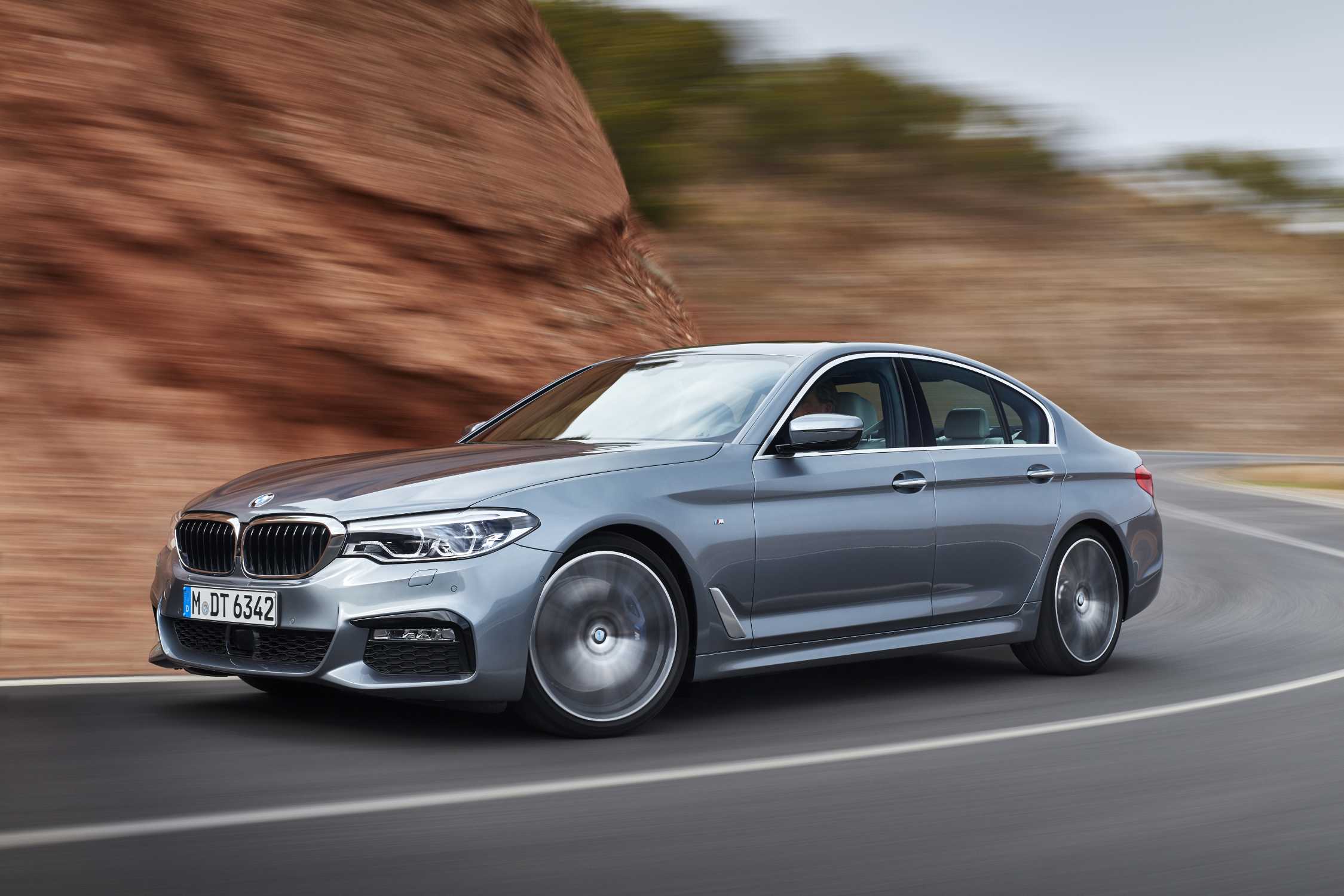
Walk onto a franchised forecourt for a three-year-old BMW 5 Series and you will pay more than the independent down the road is asking for the same car, same year, same miles. That is not a rumour or a sales-floor myth, it is the settled position of every serious UK buying guide, and CarOwl’s 2026 guide puts it plainly: approved-used cars carry a premium over independents, auctions and private sales. The only question worth asking about an executive saloon is whether that premium is buying you something real, or simply buying the badge on the showroom wall.
I spend my days reading the small print on these schemes, and I have come to a fairly firm view. For an E-Class, an A6 or a 5 Series at the younger end of the used market, the approved-used premium is one of the few times in motoring where paying more genuinely lowers your risk. But there is a hard line, drawn at age and mileage, beyond which the franchised dealer simply cannot help you, and that is exactly where the independent specialist earns its keep.
| What you are weighing | Approved-used (franchised) | Independent specialist |
|---|---|---|
| Inspection | Around a 100-point check by brand-trained technicians | Varies widely, from a true marque expert to a wash and a once-over |
| Warranty | 12 to 24 months, manufacturer-backed at main-dealer labour rates | Third-party policy that may cap, exclude a component or lapse on a missed service |
| Age / mileage eligibility | Typically up to 5 years and under 60,000 miles | No limit, so it serves the older, higher-mileage cars the network drops |
| Return / exchange | A 30-day or seven-day return window bundled in | Rarely matched |
| Roadside assistance & MOT cover | Routinely included | Rarely included |
| Asking price | A clear premium over the equivalent independent car | Lower, with the difference left in your pocket |
| Where I would choose it | An in-window saloon you intend to keep through the costly-electronics years | An older, leggier car with a documented history and warranty terms you have actually read |
What the premium actually buys (approved-used vs independent)
Strip away the free coffee and the courtesy car, and an approved-used scheme is really three things bundled together: an inspection, a warranty, and a safety net if it all goes wrong. The inspection is the part buyers underrate. Manufacturer programmes put each car through a multi-point check, typically around 100 points covering mechanical condition, safety systems and documented history, carried out by brand-trained technicians, as Honest John’s 2026 advice sets out. Independents vary enormously here. Some excellent specialists know a particular marque better than the main dealer ever will; others give a car a wash and a once-over and call it prepared. You cannot tell which from the photographs.
Then there is the warranty. An approved-used executive saloon usually comes with 12 to 24 months of manufacturer-backed cover. That distinction, manufacturer-backed, matters more on a German saloon than on almost anything else. The cars are superb, but a failed air-suspension strut, an adaptive-damper fault or an infotainment module on an E-Class or A6 is not a small job. A genuine factory warranty pays out at main-dealer labour rates without an argument about whether a part was “wear and tear”. A third-party policy from an independent might cover the same fault, or it might cap the claim, exclude the component, or lapse the moment you miss a service.
There is a reason the debate gets sharper the further up the price ladder you climb. The approved-used premium is most pronounced in high-value segments, exactly the executive territory of the 5 Series and E-Class, because the cost of reconditioning these cars to a manufacturer standard is so much higher, a point CarOwl makes about the priciest end of the used market. A diagnostic plug-in alone can flag thousands in software updates and module recalibration that a smaller independent simply will not absorb into the asking price. So the gap you are looking at on the screen is not pure margin; a meaningful slice of it is work that has, or should have, already been done.
On a high-value executive saloon, the approved-used premium is not really a price, it is an insurance excess you pay up front so the next four-figure bill is someone else’s problem.
The five-year, 60,000-mile cliff edge
Here is the catch that decides the whole argument. Approved-used schemes are not open to every car. They generally cover vehicles up to five years old with under 60,000 miles, the criteria Parkers’ approved-used guide describes as standard across the manufacturer programmes. Executive saloons are precisely the cars that fall off that cliff fastest. A 5 Series bought by a company-car driver or a high-miler can sail past 60,000 miles inside three years, and a well-kept E-Class at six or seven years old is often the smartest money in the segment: depreciation has done its worst, the engineering is mature, and the car is barely run in.

The moment your shortlist drifts older or higher-mileage than those limits, the franchised network has nothing to sell you. This is not independents being a budget compromise, it is them serving a part of the market the manufacturer has deliberately walked away from. The best marque specialists live here, and a good one with a documented service history and its own warranty can be a far better bet than a tired, top-of-the-bracket approved-used car bought purely for the badge. The mechanism is simple: once a car is out of programme eligibility, the only thing standing between you and a four-figure repair is the quality of the paperwork and the honesty of the seller, not the logo over the door.
The extras the brochure buries
The bit buyers forget to price is everything stacked around the warranty. Approved-used programmes routinely bundle roadside assistance, MOT-test cover and exchange policies, a 30-day or seven-day return window if the car is not right, again per Honest John. Independents rarely match the full set. That return policy is the one I would not give up lightly on an unfamiliar executive saloon. These cars hide their flaws well on a twenty-minute test drive; a fortnight of real commuting tells you whether the ride is genuinely cosseting or whether a previous owner has put it on the wrong tyres and killed the refinement that made you want it in the first place.
The checks I never skip, whichever route you take
None of this means you hand the franchised dealer a blank cheque. An approved-used badge raises the floor; it does not remove your homework. These are the checks I run on an executive saloon before I would put money down, on either forecourt:
- Match the service history to the badge. On a German saloon I want to see the stamps, the invoices and the software-update record, not a vague assurance that it was “dealer maintained”. A gap around a major service interval is where the expensive faults hide.
- Read the warranty document, not the warranty headline. “24-month cover” means nothing until you have read what it excludes, what it caps, and what voids it. Air suspension, adaptive dampers and infotainment are the components I check are actually covered, because they are the ones that bite.
- Run the history and finance checks yourself. Outstanding finance, a recorded write-off or a mileage discrepancy are deal-enders, and you want to find them before the salesperson does the talking.
- Get an independent eye on the older cars. Past the five-year, 60,000-mile window, an independent pre-purchase inspection by a marque specialist is the cheapest insurance you will ever buy on a car this complex.
- Look at the tyres and brakes hard. The wrong budget tyres will wreck the refinement that makes an executive saloon worth owning, and a fresh set across all four corners is a real cost to factor into the price.
The standard buyer’s groundwork still applies on top of that, and Which?’s used-car guidance and Parkers’ buying tips are sensible places to sanity-check your process. An approved-used promise is only ever as good as the cover document behind it.
How I would actually shop the segment
So here is where I land. If you are buying an executive saloon inside the five-year, 60,000-mile window and you intend to keep it through the years where the expensive electronics start to wobble, pay the approved-used premium and sleep well: on a 5 Series, E-Class or A6 it is the most rational money in the deal. If your car is older, leggier, or you simply have the appetite to manage your own risk, find a specialist independent with a real reputation, a documented history and warranty terms you have actually read, and pocket the difference with a clear conscience. What would change my mind in either direction is the paperwork, not the postcode of the forecourt: a thin inspection and a weasel-worded warranty are no safer for carrying a manufacturer’s logo, and a great independent with nothing to hide will happily prove it before you sign.
How we researched this guide
Every pick here is shortlisted from hands-on testing and time spent living with the hardware by the CDE desk, then sanity-checked against current UK pricing, manufacturer specs and real-world performance before it makes the cut. We never rank for commission — affiliate links don't change the order.
Buyer action
Where to check next
Use this as the final check before paying a deposit, signing finance paperwork or relying on a headline monthly figure.