Car Deal ExpertIndependent UK car-buying guidance: premium used cars, finance, salary-sacrifice EVs, insurance, recalls and consumer protection since 2008.
BMW 3 Series vs Audi A4 approved-used: where the smarter money is
BMW 3 Series vs Audi A4 approved-used: I compare what each manufacturer warranty actually guarantees, the price gap, and the badge I would buy in 2026.
Walk onto any approved-used forecourt with about £25,000 to spend on a premium saloon and the shortlist nearly always narrows to a BMW 3 Series vs Audi A4 decision. On Auto Trader this week (checked 23 June 2026) a 2023 A4 typically asks a little less than the equivalent 3 Series, which makes the Audi look like the obvious value play. It is not that simple. The badge on the bonnet matters far less than the badge on the windscreen sticker: what each manufacturer’s Approved Used programme actually guarantees is where the smarter money is won or lost.
I have spent enough afternoons reading the small print on these schemes to know that “manufacturer approved” is not one fixed thing. BMW and Audi promise different cover, different inspection depth and different eligibility windows, and those differences are worth real money the day something goes wrong. So before you let a £1,500 saving on the asking price decide it, here is what you are genuinely buying with each.
The price gap that tempts you first
Start with the asking prices, because that is what pulls you toward the Audi. General used listings on Auto Trader (23 June 2026) put a 2023 3 Series from around £17,495, with the bulk of clean, sensible-mileage cars sitting between roughly £21,000 and £28,000. A 2023 A4 starts a touch lower, from about £15,989, with most landing between roughly £19,750 and £24,500. Like for like, on age, mileage and trim, the A4 generally undercuts the 3 Series by four figures.
Two things to hold in your head, though. Those are general used listings, not approved-used prices: a manufacturer-approved car from a franchised dealer carries a premium over a private sale or an independent forecourt, and that premium is the cover, not the metal. And residuals are close: the two are broadly evenly matched, with the 3 Series sometimes holding a modest edge, so part of the Audi’s upfront saving can quietly erode when you come to sell. If you want the detail on which A4 engines and years age best, my Audi A4 B9 used buyer’s guide covers the ones I would and would not touch.
BMW 3 Series vs Audi A4: what each Approved Used badge actually buys you
Here is the part the asking price hides. Both programmes start from a minimum 12-month warranty, but the terms underneath that headline diverge, and so does how far back into a car’s life each scheme will reach. I have laid them side by side below using each manufacturer’s own published terms (BMW Approved Used and audi.co.uk, both checked June 2026).
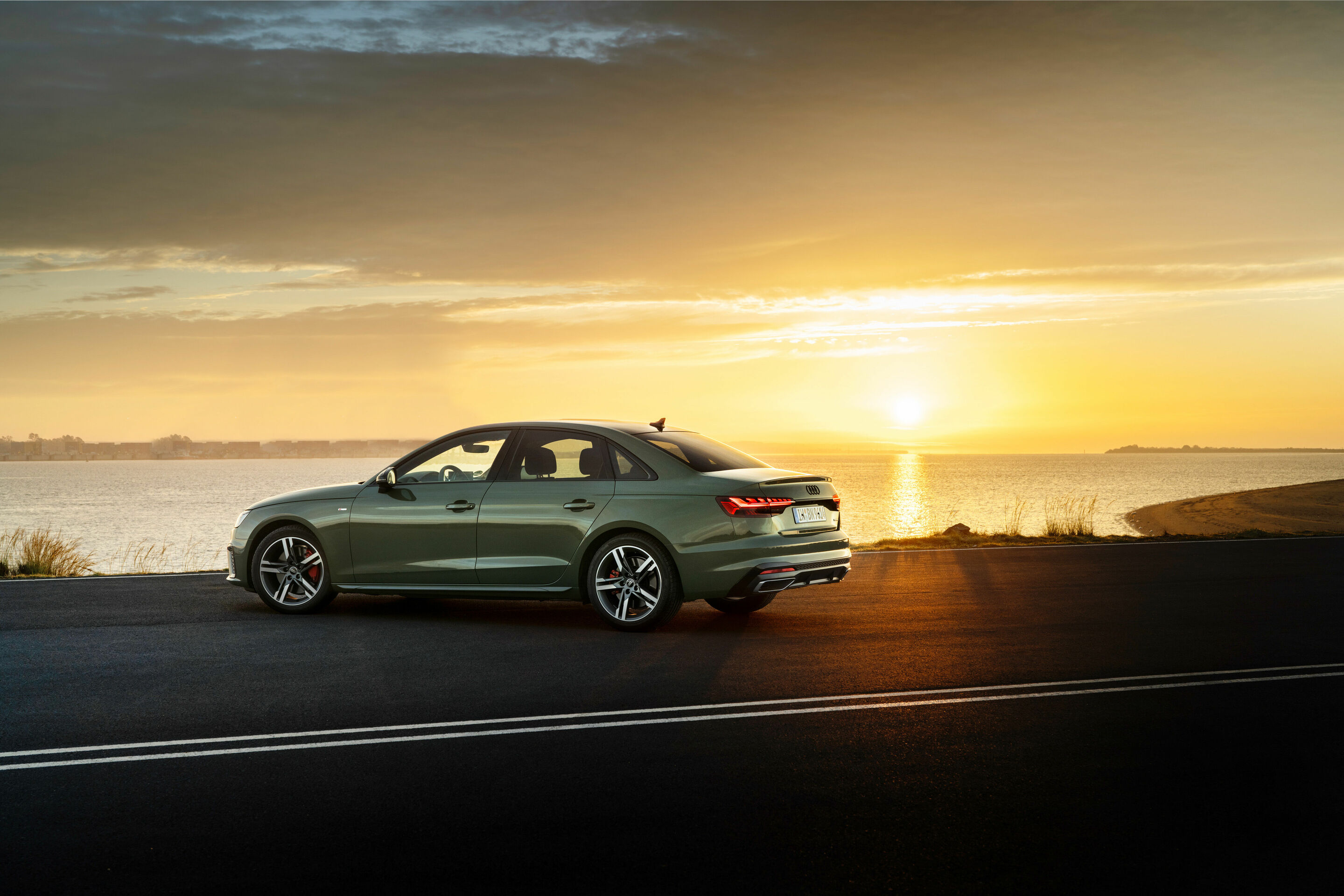
Image: Audi MediaCenter
What you get
BMW Approved Used
Audi Approved
Minimum warranty
12 months, unlimited mileage
12 months
Eligibility window
By age and mileage criteria at handover
Up to 8 years old / 100,000 miles
Inspection
360-degree multi-point check (no published count)
Up to 150 checks (up to 133 on EVs)
Roadside assistance
12 months, UK, Ireland and Europe
Included with the warranty
MOT cover
12-month MOT cover included
MOT Protection (up to £750)
Drive-away cover
5-day DriveAway insurance
5-day Drive Away Insurance
History
Verified Service History
Full check at handover
Extended cover after year one
Available to buy
From around £129
Where the edge sits
Warranty terms and bundled extras
Reach into older, higher-mileage cars
Where the BMW programme is genuinely stronger
The single line that earns BMW its premium is “unlimited mileage” on that first 12 months. If you are a genuine high-miler, a salesperson doing 25,000 miles a year, that is not marketing fluff: a mileage-capped warranty can quietly expire months before its calendar date, and BMW’s does not. The 12-month MOT cover, the 5-day DriveAway insurance and the roadside cover stretching across Europe round out a package that means you drive off with nothing else to arrange. None of those extras is unique to BMW, as you will see, but the explicitly unlimited-mileage warranty is the one genuine point of separation, and it is the kind of thing you never think about until a water pump lets go outside Reims.
BMW is also careful not to publish a check-count, and I actually respect that: a “360-degree” inspection that finds the fault is worth more than a headline number that does not. If you want a sense of how these cars wear in the real world rather than on a spec sheet, the gap between claim and reality is exactly what I dug into on the 3 Series mild-hybrid real-world MPG.
On an approved-used premium saloon you are not paying for the metal twice. You are paying for the cover, and an unlimited-mileage year is the bit you can actually feel the day a turbo fails.
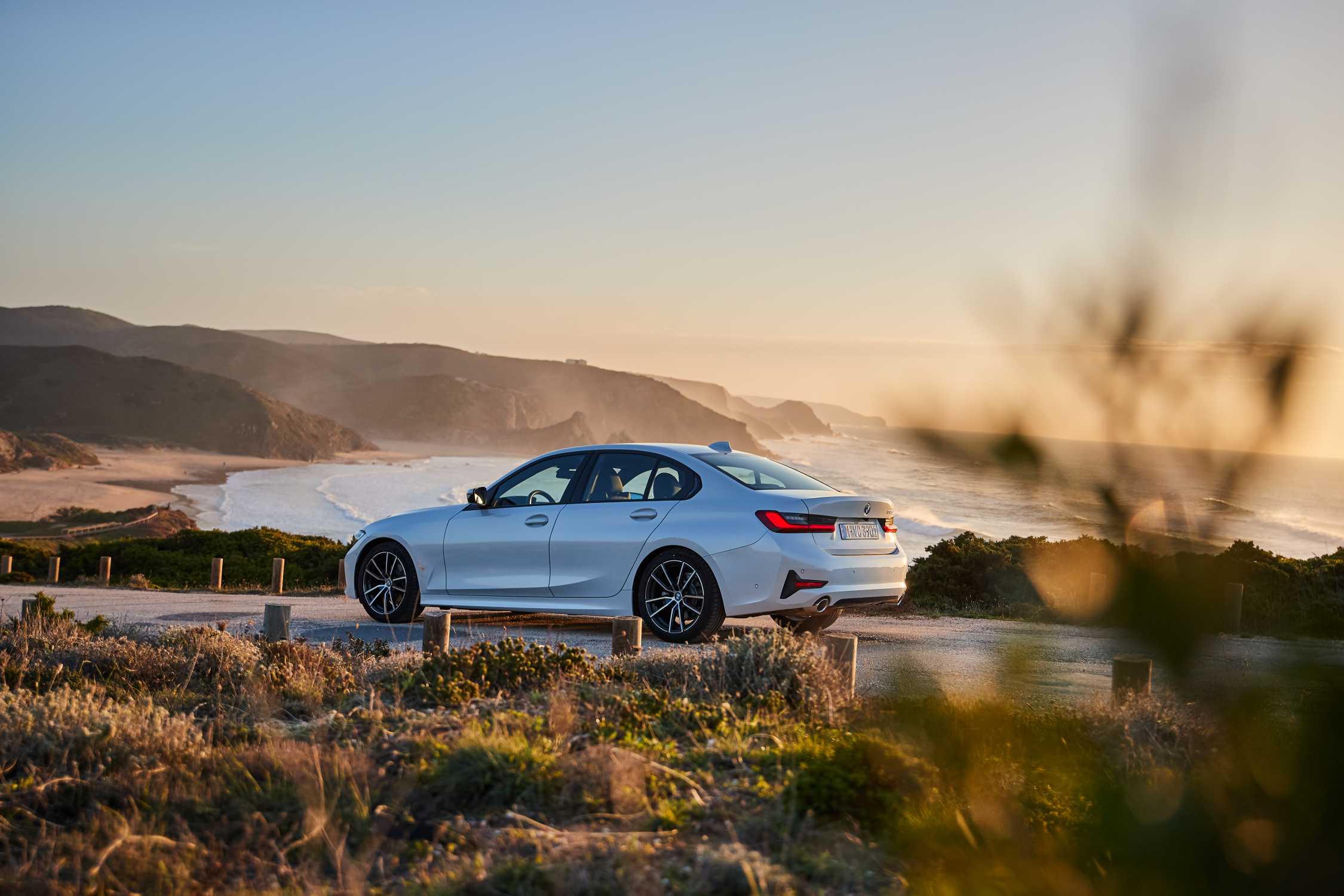
Image: BMW Group
Where Audi quietly answers back
Audi’s counter is reach. Its Approved scheme will take a car up to eight years old and 100,000 miles, which is a wider net than the premium rivals tend to cast, and the up-to-150-point preparation (up to 133 on EVs) is a thorough, documented going-over. For a buyer eyeing a slightly older, higher-mileage A4 that still wants a manufacturer warranty wrapped around it, Audi is often the only one of the German three that will still play. The extended cover from around £129 per year once year one runs out is sensibly priced, too, which matters because the second year is when the bills on this class of car start to bite. It is the same logic that makes a Mercedes C-Class approved-used buy live or die on its warranty wording rather than its badge.
Crucially, Audi matches BMW where it counts on the day-one extras: a 5-day Drive Away Insurance and MOT Protection worth up to £750 both come as standard, so the idea that the BMW package is uniquely “drive off and forget it” does not really hold. The honest caveat is elsewhere: “up to 150 checks” is a ceiling, not a promise on every car, and some of those checks are marked not-applicable depending on age and trim. Ask which ones were actually done on the car in front of you, and get the warranty’s mileage terms in writing.
The checks I would run before I trusted either badge
A manufacturer sticker is reassurance, not a guarantee that the car is faultless. I would still want to see a fully stamped service history with the cambelt or chain service evidenced where the engine calls for it, an MOT history on gov.uk that does not show a pattern of the same advisory being ignored, and a written copy of exactly what the approved inspection covered on this car, dated and signed. On the diesels in both ranges I would ask pointed questions about DPF and EGR work, and on any mild-hybrid I would want the 48-volt system checked, not assumed.
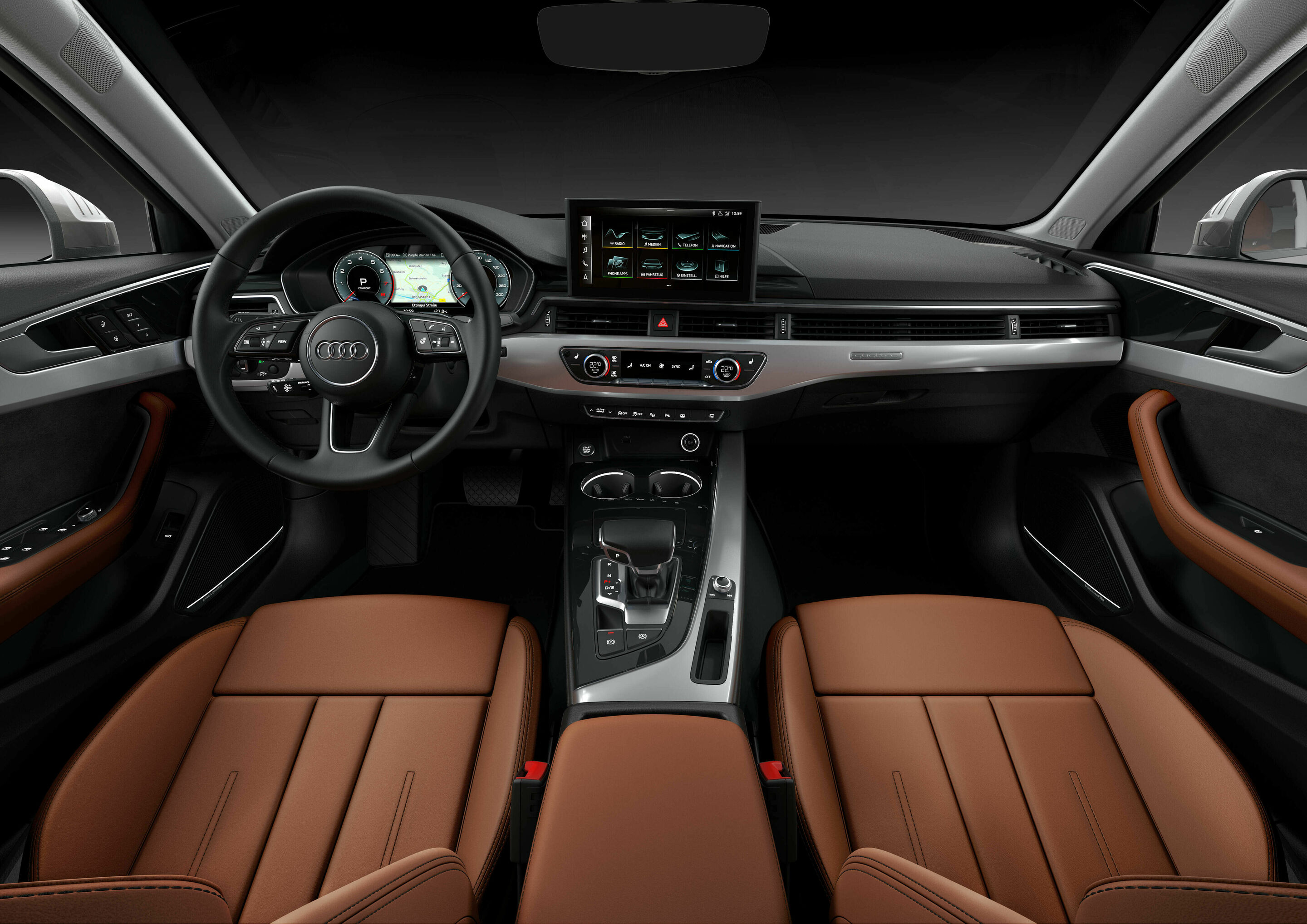
Image: Audi MediaCenter
Then weigh the approved premium honestly. If a comparable independent A4 is £2,000 cheaper than the approved one, you are effectively paying £2,000 for a year of warranty and the inspection. On a car of this age and complexity, I usually think that is money well spent, the same way I would not flinch at the approved premium on an approved-used BMW X1. But if the independent car has a watertight history and a separate warranty you trust, the maths can flip. Residual strength is part of that sum too, which is why the wider used premium-car market is worth a read before you commit.
The one I would hand the money over for
If you are buying a recent, low-mileage car and you do the miles, I would take the BMW 3 Series approved-used and pay the small premium over the A4 without losing sleep. The unlimited-mileage warranty and a residual that is at least as strong as the Audi’s make the higher asking price defensible, and for a high-miler the cheaper car to own across three years. That is the call I would make for most buyers in this bracket, and if your budget stretches a size up the same reasoning carries straight into a BMW 5 Series.
The Audi A4 is the smarter buy in one specific case, and it is a real one: you want a slightly older, higher-mileage premium saloon with a manufacturer warranty still over it, and BMW’s window has closed on the car you like. There, Audi’s eight-year, 100,000-mile reach is genuinely the better deal, and the A4 is a lovely thing to live with. Match the programme to the car you actually want, not the logo you like best, and you will not be the one circling a warranty clause in red after the fact.
How we researched this guide
Every pick here is shortlisted from hands-on testing and time spent living with the hardware by the CDE desk, then sanity-checked against current UK pricing, manufacturer specs and real-world performance before it makes the cut. We never rank for commission — affiliate links don't change the order.
Buyer action
Where to check next
Use this as the final check before paying a deposit, signing finance paperwork or relying on a headline monthly figure.
We use cookies to make this site work, measure how it is used, and (with your consent) personalise advertising. Strictly necessary cookies always run. Analytics and advertising cookies run only if you accept. See our Cookie Policy and Privacy Policy.
Car Deal Expert — independent UK automotive publisher since 2008.