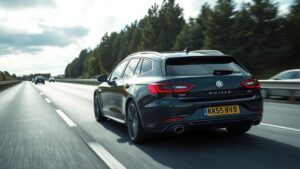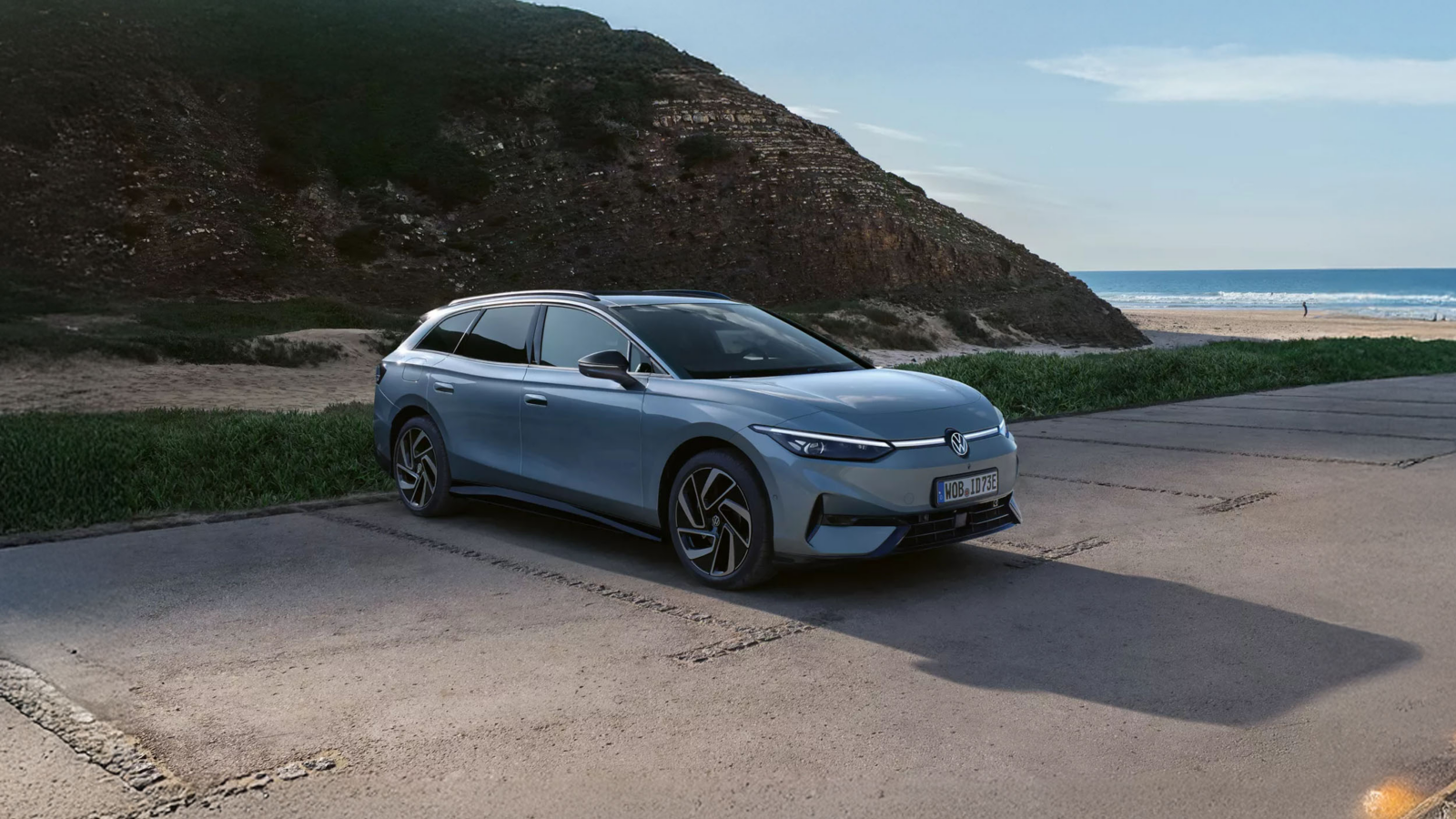
Volkswagen has quietly done something the ID.7 saloon never quite managed: it has built the electric car a fleet manager can sign off without a fight. The ID.7 Tourer — the estate version — sits on Volkswagen UK’s configurator at £51,795 including VAT as I write in July 2026, and the more I look at where it lands on a company-car spreadsheet, the more it reads like a deliberate pitch to the one buyer who actually racks up the miles: the rep.
I’ll be blunt about where I stand before I show my working. For a private buyer paying cash, £51,795 for a Volkswagen estate is a lot of money and the badge doesn’t quite carry it. But that is the wrong lens. The ID.7 Tourer isn’t really priced for the driveway — it’s priced for the payslip, and on the payslip the maths is genuinely hard to argue with.
The trims a fleet driver actually needs to know (Volkswagen ID.7 Tourer)
There are three ways into the range, and the gap between them tells you who Volkswagen thinks is buying. The entry car is the Pro Match Plus at £51,795, with a 77kWh battery and a 372-mile WLTP range. Step up to the Pro S Match Plus at £55,280 and you get the bigger 86kWh pack and a headline 422-mile WLTP figure. At the top, the GTX Plus 4MOTION at £59,900 adds all-wheel drive and pace but, tellingly, drops the range back to 357 miles.
| Trim | Price (OTR, incl. VAT) | WLTP range | The high-mileage take |
|---|---|---|---|
| Pro Match Plus | £51,795 | 372 miles | 77kWh pack; the entry point |
| Pro S Match Plus | £55,280 | 422 miles | 86kWh pack; the one that matters |
| GTX Plus 4MOTION | £59,900 | 357 miles | 4MOTION AWD, but 65 fewer miles |
Auto Express pegs the on-the-road span at £52,805 to £62,080 once you’re through the door, which squares with those configurator numbers. For a high-mileage driver the choice is almost made for you: the Pro S is the one that matters. That 422-mile WLTP figure is the whole reason a business driver would look at this over a diesel — it’s the number that turns “range anxiety on the M6” into a non-issue on a rep’s typical week.
What the spec sheet won’t shout about is that the heat pump — the single most useful piece of kit for anyone doing cold-morning motorway miles — is now standard on UK cars, where it used to be an option. On a car whose entire job is real-world range in a British winter, that quietly matters more than another driver-assist acronym.
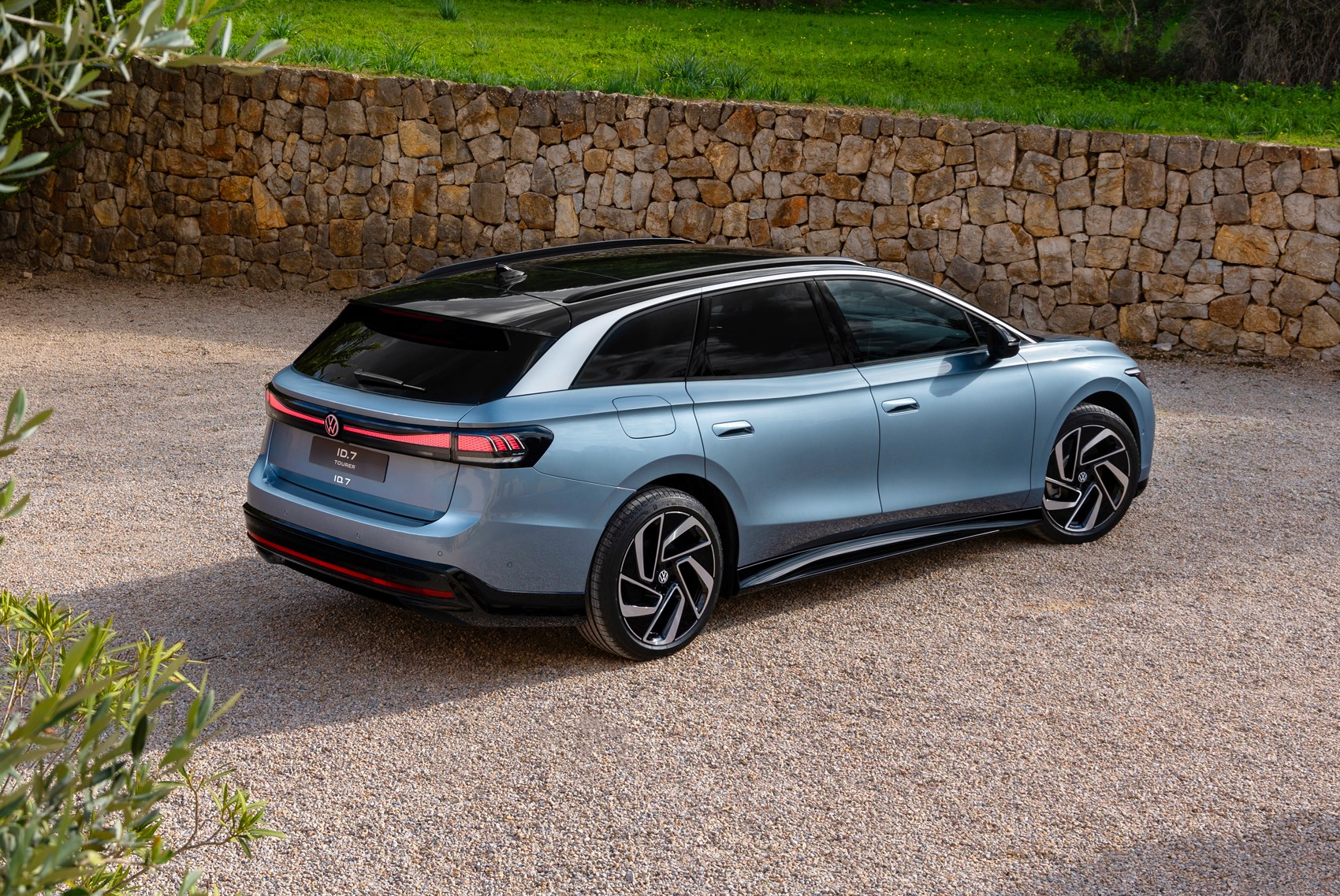
The £42,000 line that changes the pitch
Here’s the bit that would stop a private buyer in their tracks — and barely dents the business case. The ID.7 Tourer gets no UK EV grant, because every version sails past the £42,000 threshold. So the headline discount that props up cheaper electric estates simply doesn’t exist here.
For a cash buyer that’s a genuine knock. For a company-car driver it’s close to irrelevant, because the incentive that actually moves the needle isn’t a purchase grant at all — it’s benefit-in-kind. Electric company cars still sit in the single-digit BiK band in the 2025/26 tax year, and that is where a £52,000 EV quietly humiliates a £52,000 diesel on the monthly deduction. The rep isn’t comparing sticker prices; they’re comparing what lands on the P11D, and on that measure the grant’s absence is a footnote. Exactly what you save depends on your own tax band, the car’s P11D value and your circumstances, and those EV BiK rates are scheduled to rise gradually over the coming tax years, so treat this as a tax position to check against your own numbers rather than a finance offer.
The ID.7 Tourer’s case was never range or badge — it’s the line on a payslip that a diesel estate, however good, cannot get near.
Volkswagen has thrown in one sweetener that’s worth naming: an Ohme home charger for £199 on orders placed between November 2025 and December 2026, shared with the ID.7 fastback. It’s not the reason you’d buy the car, but for a driver charging at home overnight it’s the difference between a tidy install and a four-figure bill — and home charging is the entire economic argument for an EV company car in the first place.
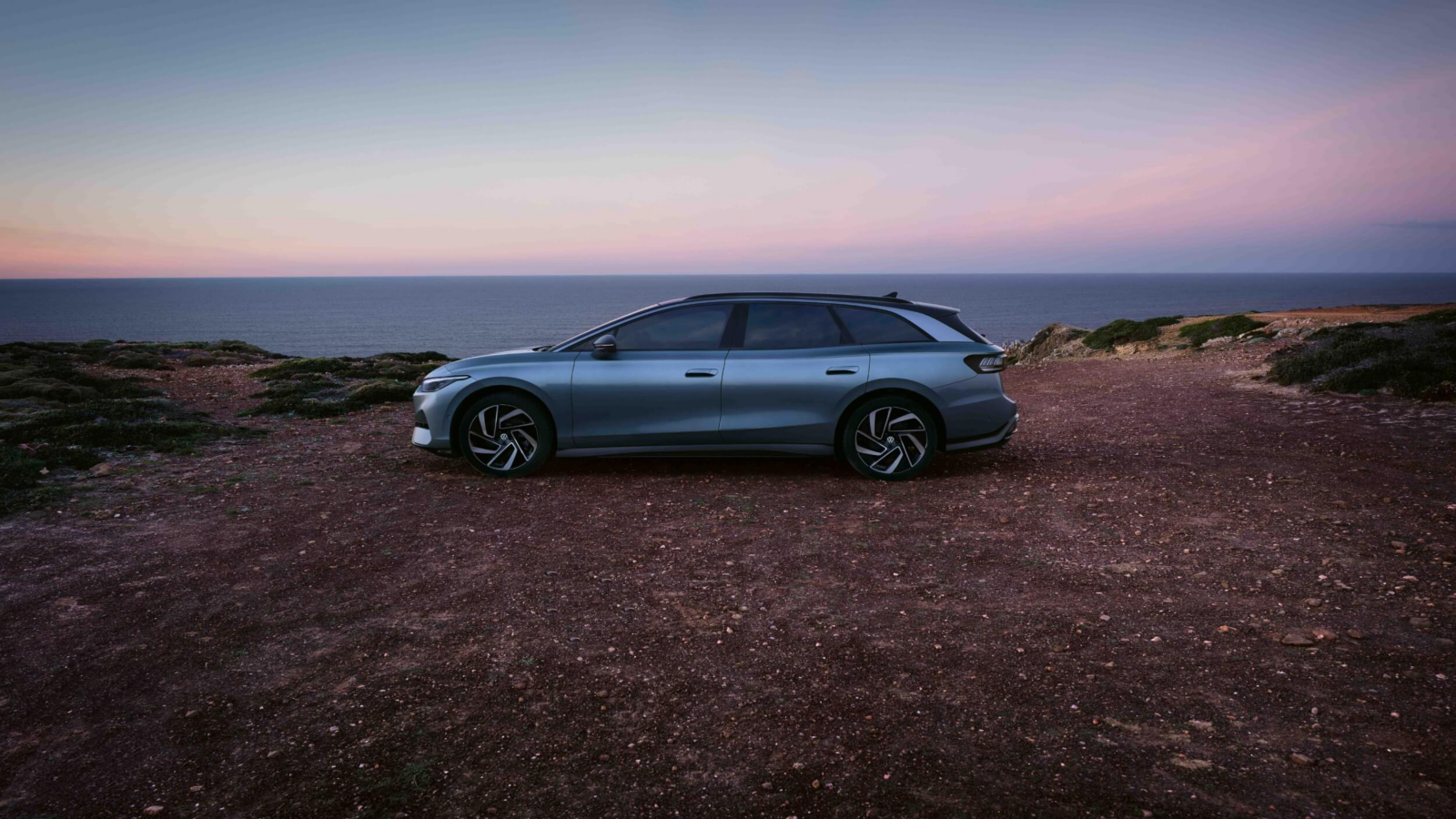
The residual value question
The number that keeps fleet accountants up at night is depreciation, and it’s where early electric cars have burned businesses badly. Auto Express’s company-car assumptions put the ID.7 Tourer at roughly 44% residual value after three years and 36,000 miles. That’s not spectacular, but for a large electric estate in a market that has been brutal on used EV values, it’s respectable — and it’s the sort of figure a leasing firm can actually build a competitive monthly rate around.
That last point is the quiet engine of the whole proposition. A steady residual is what lets a contract-hire company price a lease keenly, and a keen lease is what a salary-sacrifice scheme lives or dies on. The ID.7 Tourer isn’t cheap to buy, but it’s shaped to be cheap to run through a business — which, for its intended audience, is the only sum that counts.
Where it sits against the estate rivals
The obvious benchmark is the BMW i5 Touring, the electric estate a lot of UK buyers had been waiting for. The BMW is the more desirable object and the sharper drive, but it’s also materially more expensive, and for a driver whose decision is dominated by BiK and lease rate rather than kerb appeal, the Volkswagen’s lower entry point does real work. This is a case where the badge premium is a cost, not a benefit.
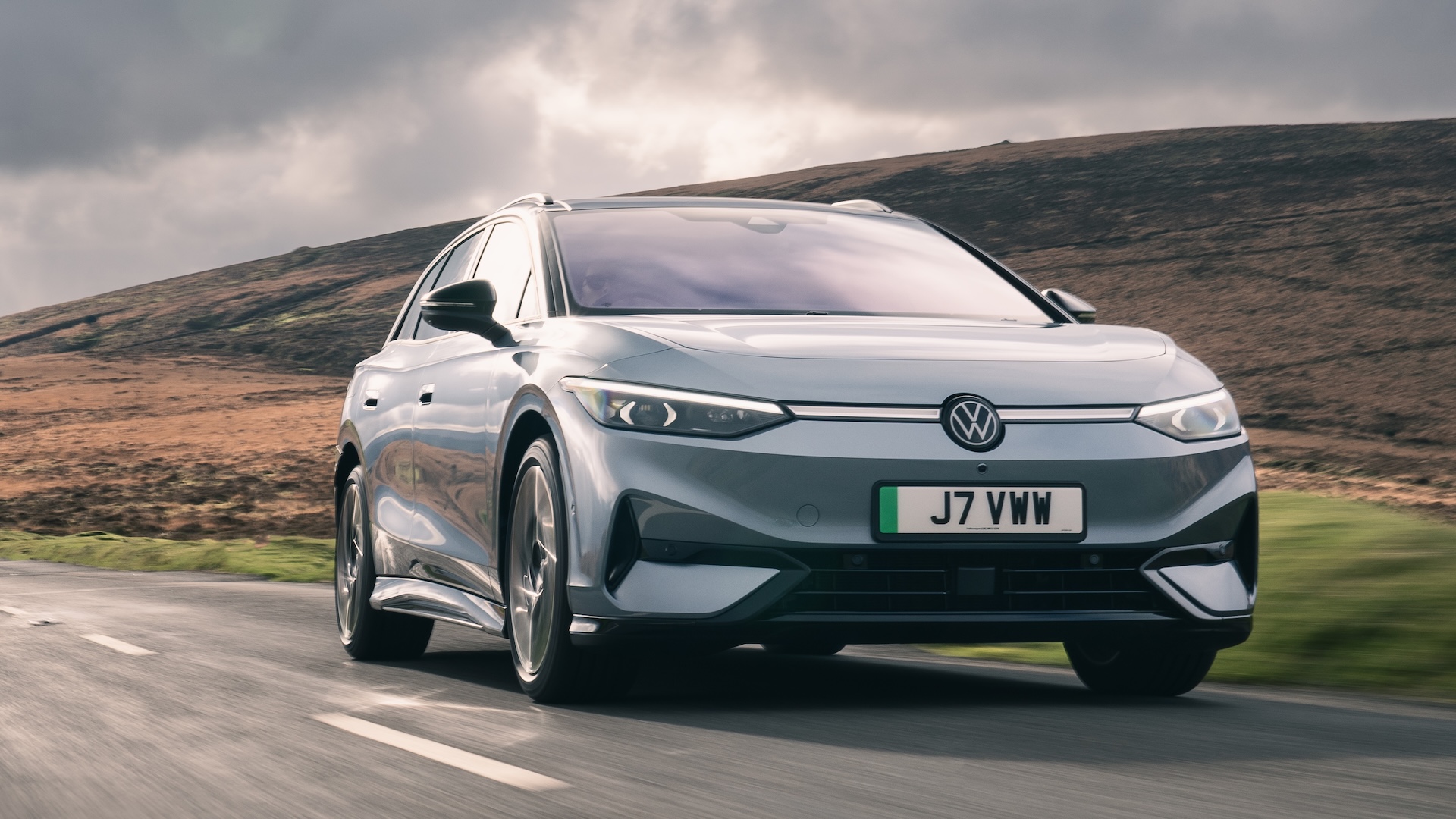
Against the Mercedes EQE, the ID.7 Tourer plays a different card entirely: it’s a proper long-roofed estate, not a swept-back executive saloon, so if the job genuinely involves carrying kit — samples, cases, a dog crate on a Sunday — the Volkswagen is the more honest tool. And if you look further down the price ladder at something like the MG5 EV on salary sacrifice, you can see exactly what Volkswagen is charging the extra for: range, refinement and a residual a leasing firm trusts. Whether that gap is worth it depends entirely on how many motorway miles you’re doing — and for the target buyer, it usually is.
The one version I’d steer a rep away from is the GTX Plus. Yes, 4MOTION and the performance are tempting, but paying £59,900 to lose 65 miles of range against the Pro S makes no sense for someone whose whole reason to be in this car is covering distance without stopping. The pace is a private-buyer indulgence dressed up as a company car.
The rep’s arithmetic
Strip away the badge debate and the missing grant, and the ID.7 Tourer resolves into one clean recommendation: get the Pro S Match Plus, take the Ohme charger, charge at home, and let the BiK saving and the 422-mile range do the heavy lifting. It won’t thrill you the way the i5 Touring might, and if you’re spending your own money outright I’d genuinely tell you to think harder. But for the driver this car was built for — high mileage, business-funded, home-charged — the sums line up in a way almost nothing else at this size does. Volkswagen didn’t build a bargain here. It built the electric estate that survives contact with a fleet spreadsheet, and for a rep, that’s the only test that has ever mattered.
Buyer action
EV and salary-sacrifice checks
Use this as the final check before paying a deposit, signing finance paperwork or relying on a headline monthly figure.