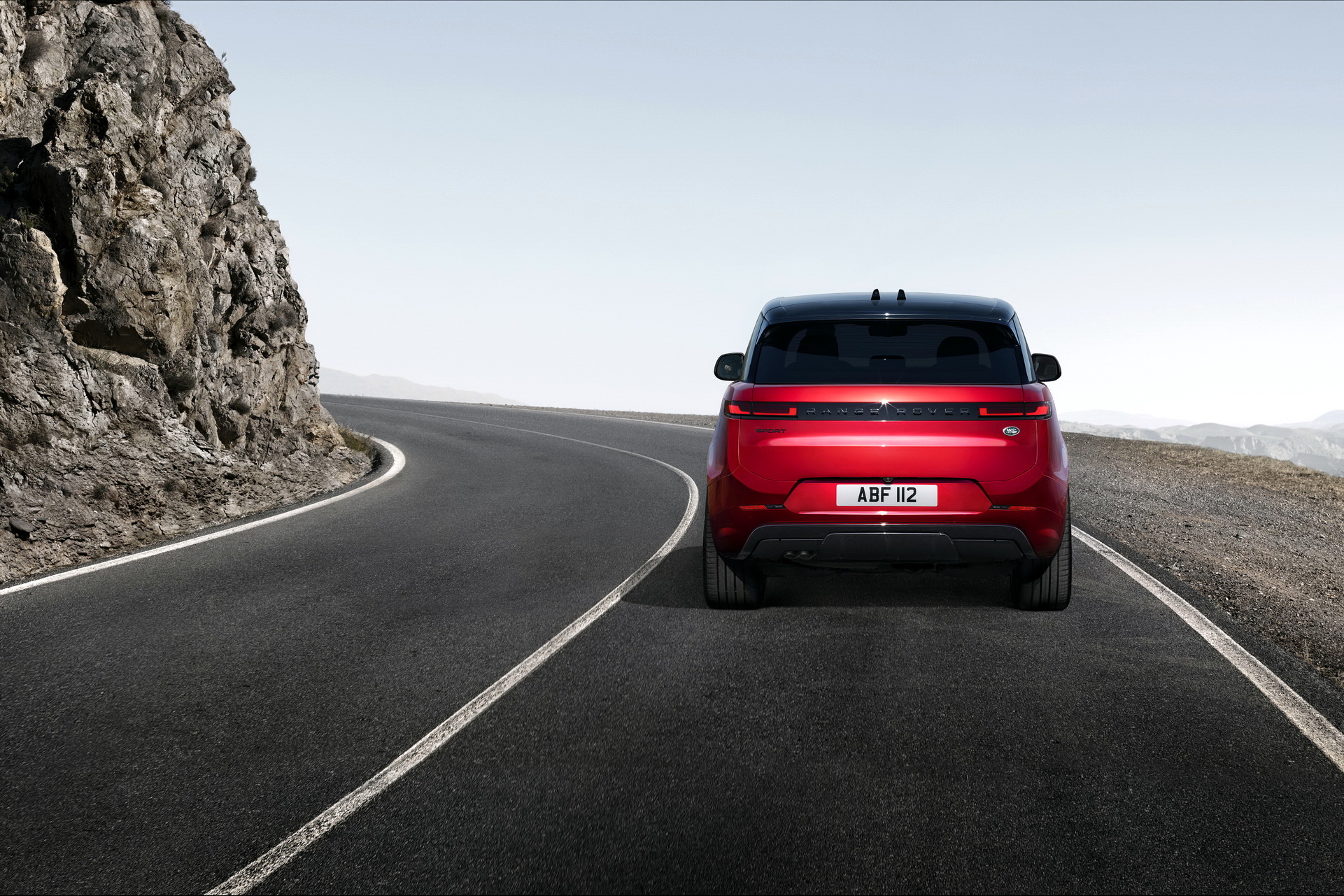
Buying a Range Rover Sport approved used now looks like the smart move in 2026, and the reason sits in last autumn’s headlines. The cyberattack that stopped JLR’s UK plants for weeks tightened new-order supply, so a roughly one-year-old L461 lets someone else eat the first-year depreciation while you take a car that is on the forecourt today. Here is what to pay, what to check, and when to walk away.
What real owners say about the current Range Rover Sport
We read across PistonHeads owner threads, the What Car? Reliability Survey commentary and the DVSA recall record for the third-generation (L461) car to gauge the early ownership picture. The signal is qualitative, not a poll, and we have flagged where a number comes from a named source.
- Most-praised: ride comfort and refinement, the cabin step-change over the old L494, and the mild-hybrid straight-six diesel (D300/D350) for effortless real-world pace.
- Most-criticised: early Pivi Pro software niggles, occasional air-suspension and 12V battery gremlins, and running costs that punish anyone who ignores tyres and brakes.
- Reliability signal: JLR ranks low in the What Car? Reliability Survey for SUVs historically, and a 2026 JLR recall covered mild-hybrid power loss on certain models (issued in the US, with a UK recall anticipated rather than confirmed), so check the recall record on any specific car.
Why the JLR cyberattack changed the buying maths
The context matters because it explains the supply squeeze. A cyberattack that began on 1 September 2025 forced JLR to halt production across its UK plants, and Solihull (which builds the Range Rover Sport) only restarted in the run-up to mid-October, with Halewood back online on 16 October 2025, according to Autocar’s report on all JLR plants returning online. Autocar put the estimated revenue loss at around £1.5bn, with the UK government underwriting a £1.5bn loan to support the supply chain. Our view on what that means for you: weeks of lost output thinned the new-order pipeline, so a built, registered, one-year-old car sitting on an approved-used forecourt is worth more in 2026 than it would be in a normal supply year. To be clear, none of this implies the cars themselves are faulty; it is a supply story, not a quality one, and the recovery is already feeding through, as our look at the JLR FY26 Range Rover recovery sets out.
What a one-year-old L461 actually costs in 2026
Pricing first, because it is the whole argument. New, the current car has an RRP of £77,620 to £146,195 (Carwow, last checked 10 June 2026). On the used side, a clean 2024-registered L461 Sport sat between £58,844 (a 3.0 D300 SE diesel on 35,576 miles) and £80,049 (a P460e plug-in hybrid Dynamic SE on 17,191 miles) across the cinch listings we checked on 10 June 2026, with most examples clustering in the £60,000 to £70,000 band. Present that as a range, not a single figure: spec, mileage and powertrain move the number by tens of thousands. The point is the gap. Letting the first owner absorb the steepest depreciation on a near-£80,000 car, then buying it a year later for the low-to-mid £60,000s, is the saving the supply squeeze cannot erase.
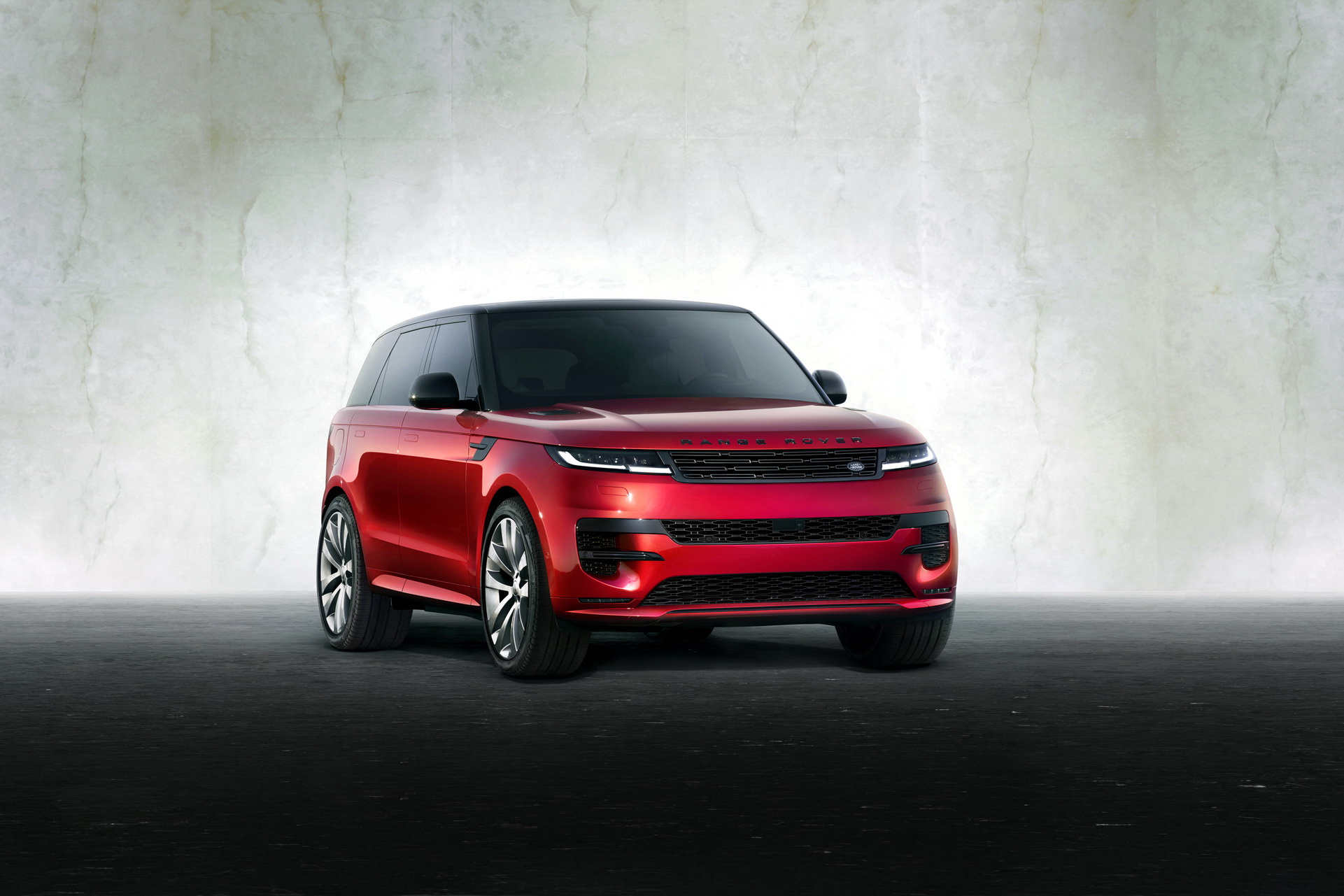
If you would rather buy nearly new and finance it, the route splits the same way the finance maths does on the rest of the range. Our breakdown of PCH versus PCP on a £70,000 Range Rover Sport shows how the monthly figure changes depending on whether you want to own the car at the end, and a one-year-old approved car drops the cash price you are financing in the first place.
What Land Rover Approved actually covers
The UK scheme is called Land Rover Approved (not “certified”, which is the American term). Every approved car comes with a multi-point inspection, an HPI history check, roadside assistance and a manufacturer-backed warranty. The standard cover is 12 months. The sharper deal is conditional: Land Rover ran an enhanced offer from 1 April to 30 June 2026 giving 24 months of warranty plus 24 months of roadside assistance for a £99 plus VAT customer contribution, but only on cars aged one to two years bought on PCP or HP with a minimum £15,000 of finance over at least 24 months (rangerover.com approved-used terms, last checked 10 June 2026). Read the wording on the specific car before you sign, because the 24-month term is a time-limited finance promotion, not the default. For how that compares with German rivals, our guide to BMW, Audi and Mercedes approved used warranties is the reference.
Warranty wording is where money is won or lost on a premium SUV. Wear items, software and consumables are routinely excluded, which is exactly where a Range Rover Sport generates bills. Our piece on used car warranty exclusions in 2026 spells out what even good cover leaves on your side of the ledger.
The cyber-era build checks nobody else mentions
Here is the CDE wedge, and it is about paperwork rather than panic. Cars built either side of the autumn 2025 shutdown can show gaps between the build date and the first registration date, simply because finished stock sat longer or registration was delayed while plants restarted. That is not a fault, but it can affect how the warranty start date and the first service interval are read, so confirm both in writing. Check the software and over-the-air update status too: ask the retailer to confirm Pivi Pro is on the current release and that any open software campaigns have been applied, because early L461 cars shipped with infotainment that improved a lot through updates. Finally, run the registration through the DVSA recall lookup yourself; a 2026 mild-hybrid power-loss action affected some JLR cars, and our note on the JLR mild-hybrid recall explains what to ask.
The standard near-new checklist still applies on top: full service history stamped by a franchised dealer, tyres matched across each axle, brake life on a heavy car that goes through both, and a cold start to listen for air-suspension faults. None of this is unique to a cyber-era build, but a one-year-old car is young enough that any of it being wrong is a negotiating lever, not a deal-breaker.
How this differs from the older L494 used route
Do not confuse this with the previous-generation play. The five-to-ten-year-old L494 is a different car at a different price, and a different risk profile: cheaper to buy, out of manufacturer warranty, and reliant on your own due diligence on known faults. If your budget sits at £20,000 to £35,000, the older car is the conversation, and our L494 used buying guide covers the best years and the ones to avoid. The one-year-old L461 approved route is for a buyer who wants warranty cover, current technology and minimal unknowns, and is happy to spend low-to-mid £60,000s to get it. If you want a related seven-seat alternative on the same approved logic, the Land Rover Discovery 5 used guide is worth a look.
Running costs that change the answer
A cheaper purchase price does not make a Range Rover Sport cheap to run. It is a high insurance group, tyres are large and expensive, and a 2.4-tonne SUV works its brakes hard. The P460e plug-in is the one to weigh carefully: it makes sense if you genuinely charge at home and cover most short trips on electric, and far less if you do not, because you carry the battery weight without the fuel saving. The diesel D300 remains the rational long-distance pick. Whichever you choose, budget for a franchised service plan and factor VED on a car that comfortably clears the expensive-car supplement when new.
Where to check before you put a deposit down
- Run the registration through the GOV.UK vehicle recall checker and the MOT history tool to confirm no open safety actions and a clean advisory record.
- Cross-check live asking prices on the official Land Rover Approved search and on Auto Trader, comparing like-for-like spec and mileage rather than headline figures.
- Use the manufacturer availability tool to see genuine stock and lead times rather than relying on any quoted wait in months, which moves week to week.
- Get the warranty start date, service-interval clock and any software campaigns confirmed in writing before you commit.
- Read the finance offer in full: a promotional warranty term can be tied to taking PCP or HP, so price the cash route alongside it.
This article is general guidance for UK buyers and not personalised financial or purchasing advice. Figures were correct at the time of writing and CDE has not driven or inspected the individual vehicles referenced; verify prices, warranty terms and finance details with the retailer before you buy.
Our take on the Range Rover Sport approved used route
Our score: 8/10. For a buyer who wants the current car with cover and minimal unknowns, the Range Rover Sport approved used route is the sensible 2026 move: the supply squeeze from the JLR shutdown props up new-order pricing, while a one-year-old L461 in the low-to-mid £60,000s has already shed the worst of its depreciation and still carries manufacturer-backed warranty. Buy the D300 diesel for long-distance running, or the P460e only if you will charge it daily. Walk away if the service history has gaps, if a build-to-registration date mismatch is left unexplained, or if the only way to the 24-month warranty is a finance deal that costs more than the cover is worth. Get the paperwork boring and the recall record clean, and this is the strongest way into a current Range Rover Sport without paying new money or waiting on an unverified order.
Is a Range Rover Sport approved used car worth it in 2026?
For most buyers, yes. A one-year-old L461 sat in the low-to-mid £60,000s across the cinch listings we checked on 10 June 2026, against an RRP up to £146,195, so the first owner has absorbed the steepest depreciation. You also get a manufacturer-backed warranty, an HPI check and a multi-point inspection. The catch is running costs, which stay premium regardless of what you paid.
How long is the Land Rover Approved warranty?
The standard Land Rover Approved warranty is 12 months. Between 1 April and 30 June 2026, Land Rover ran an enhanced offer giving 24 months of warranty and roadside assistance for a £99 plus VAT contribution, but only on one to two-year-old cars bought on PCP or HP with at least £15,000 of finance over 24 months or more. Check the wording on the specific car, as the 24-month term is a time-limited promotion.
Did the JLR cyberattack affect Range Rover Sport quality?
No. The cyberattack that began on 1 September 2025 halted production and tightened supply, but it does not mean the cars built around it are faulty. It is a supply story. The only practical effect for a used buyer is that some cars can show a gap between build date and first registration, so confirm the warranty start date and first service interval in writing.
Should I buy the diesel or the P460e plug-in hybrid?
The 3.0 D300 diesel is the rational pick for long-distance drivers, with strong real-world economy and effortless pace. The P460e plug-in hybrid only pays off if you charge at home and cover most journeys on electric range; if you do not, you carry the battery weight without the fuel saving. Match the powertrain to your actual mileage pattern, not the on-paper figures.
How does this differ from buying an older L494 Range Rover Sport?
The L494 is the previous generation, typically five to ten years old, cheaper to buy at roughly £20,000 to £35,000, and usually out of manufacturer warranty. It suits a buyer comfortable doing their own due diligence on known faults. The one-year-old L461 approved route is for someone who wants current technology, warranty cover and minimal unknowns, and is happy to spend low-to-mid £60,000s for the reassurance.