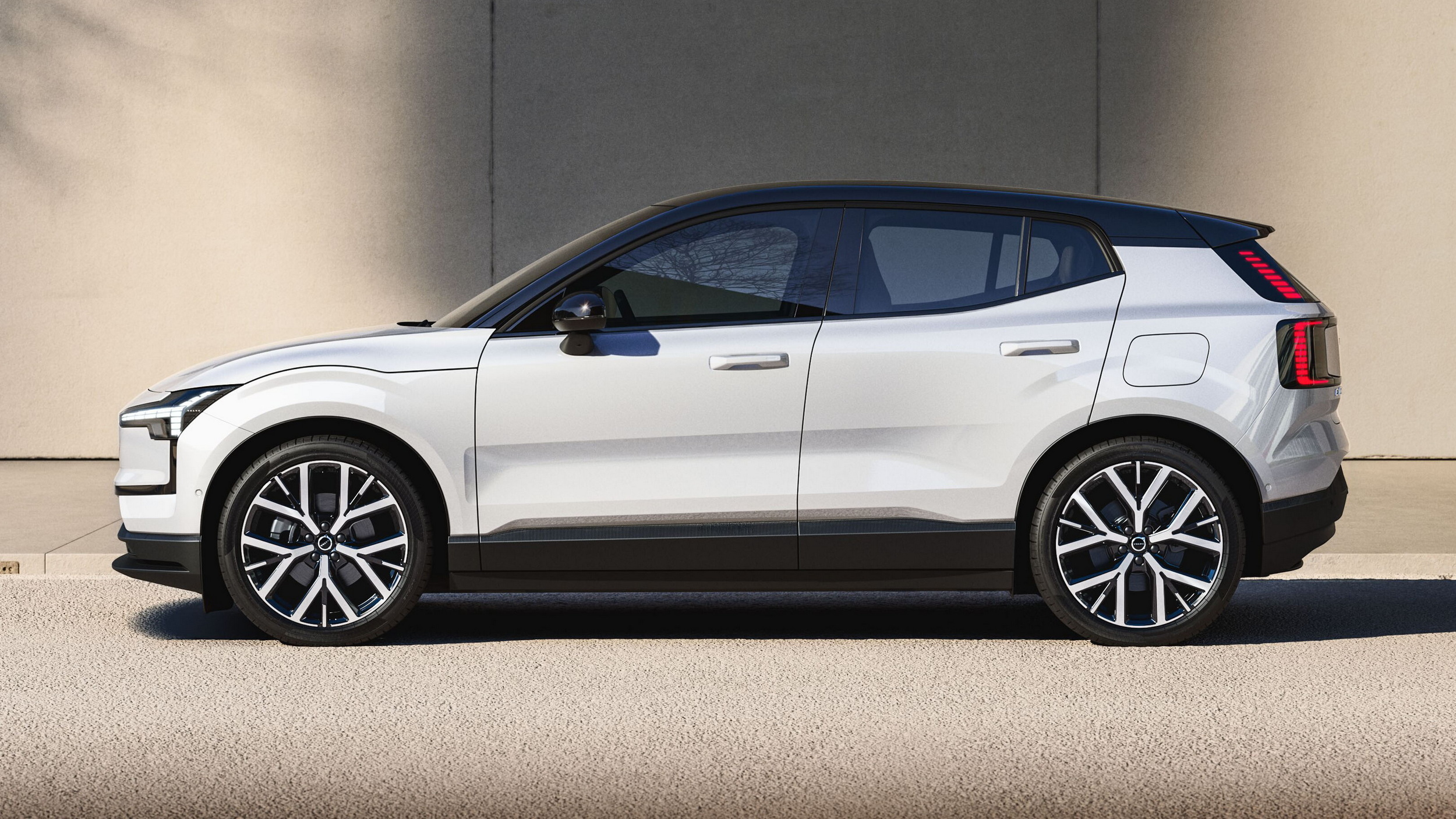
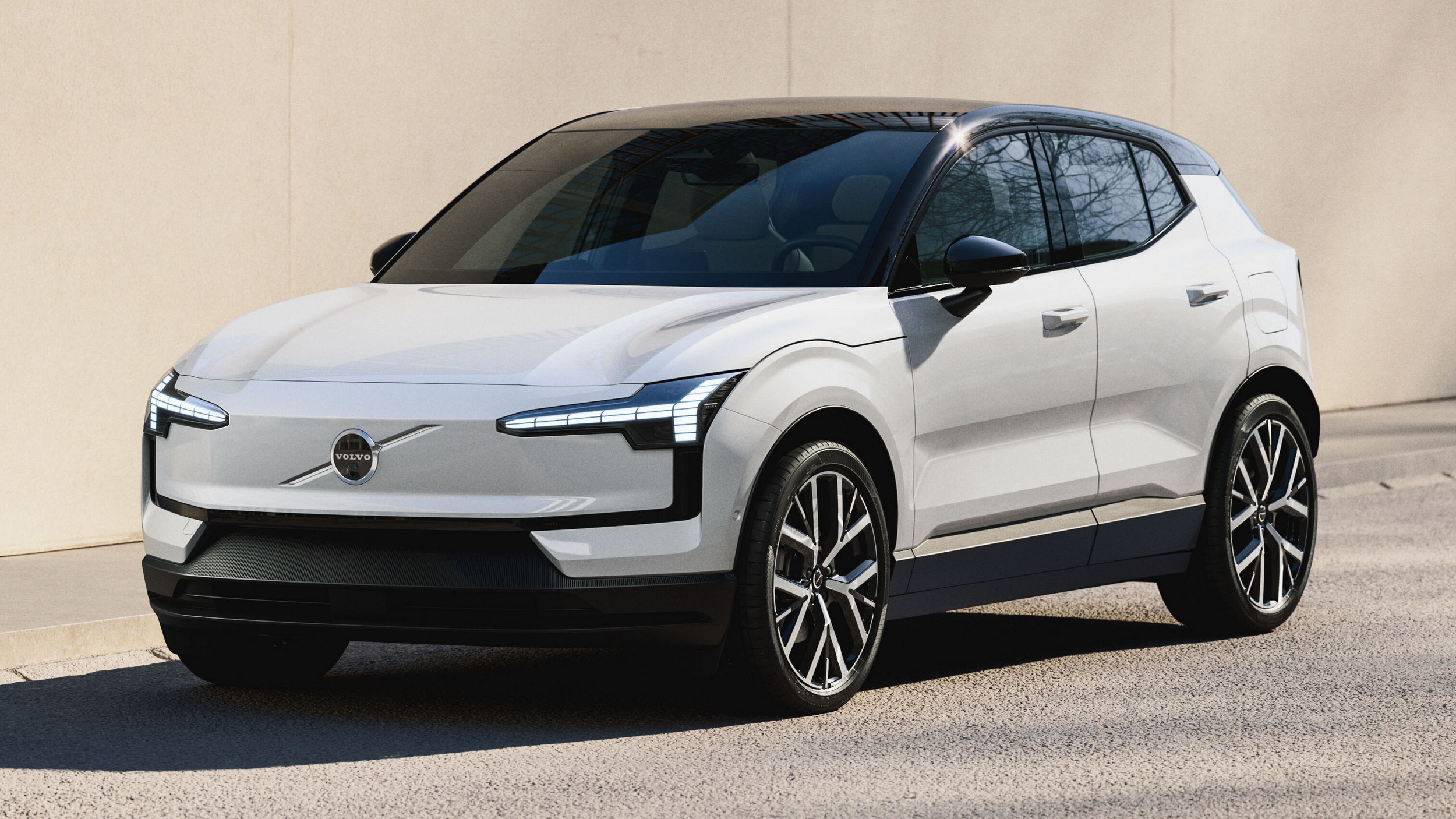
Volvo EX30 buyers weighing a salary-sacrifice scheme in 2026 have two live stories to read before they sign: a right-hand-drive battery recall that landed first in the UK in January, and a cheaper LFP entry car that quietly sidesteps it. Our view is that the EX30 is still one of the lowest-cost premium EVs you can put on payroll, but the recall and the wait mean it is no longer the obvious default. We set out the BiK maths, the recall scope and the faster alternatives below.
What real owners say (CDE data)
Where the EX30 stands on UK price and availability at this refresh:
- Auto Trader: new EX30 listed from £33,050, with PCP and lease deals from about £334 a month, available to order from UK franchised dealers.
- The Electric Car Scheme: salary sacrifice from £395 a month, offered as Volvo’s most affordable electric option.
- EVschemes: Single Motor salary sacrifice quoted from £440 a month as an indicative scheme price.
Prices checked 10 July 2026.
CDE cross-referenced the January 2026 Volvo UK recall statement reported by electrive, the Reuters-sourced February update, and Carwow and Auto Express owner-facing EX30 reviews published through 2026 to build this picture. Owner sentiment is consistent across those sources rather than drawn from a single forum thread.
- Most-praised aspects: sharp Scandinavian styling, brisk performance even on the single-motor cars, and a low scheme entry price for a genuinely premium badge.
- Most-criticised aspects: a tight rear cabin and small boot, a touchscreen-only control layout that splits opinion, and real-world range that lands well short of the headline figure.
- Reliability signal: the headline issue is the right-hand-drive battery recall (33,777 cars in January per electrive, later put near 40,323 worldwide by Reuters); Volvo UK states around 0.02% of identified cars, roughly seven vehicles, had an incident, with no reported injuries.
The Volvo EX30 recall, in plain English
The story that should shape your decision is the battery recall that surfaced in British media first. According to electrive’s January 2026 report, Volvo identified a fire risk tied to a high state of charge and asked owners to cap charging at 70% as an interim measure. Crucially, it affects only the 69kWh NMC battery fitted to the Single Motor Extended Range and Twin Motor Performance cars sold in right-hand-drive markets from 2024 onwards. The smaller 49kWh LFP base car is not involved.
We would not frame this as an active fire crisis. Volvo UK’s own statement, quoted by electrive, puts the incident rate at around 0.02% of identified cars, roughly seven vehicles, with no reported personal injuries. Volvo says it will replace the affected battery modules free of charge and is contacting owners directly. The figure rose from 33,777 in January to about 40,323 worldwide by late February as the recall widened to other right-hand-drive markets including Australia and New Zealand, per a Reuters update electrive carried. For a sal-sac driver the practical point is simple: an affected EX30 is a 70%-charge car until the workshop fix lands, which trims your usable range in the interim.

Although the number of reported incidents is very low, accounting for around 0.02% of the vehicles we have identified as potentially affected, and we have received no reports of related personal injuries, we are taking this matter extremely seriously.
Volvo UK statement, via electrive, January 2026
The cheaper LFP entry car that dodges the recall
In February 2026 Volvo added a cheaper entry variant, a Single Motor car on a 51kWh LFP battery, from £32,850 per electrive. That matters for two reasons. First, it drops the EX30 firmly back under the symbolic £33k mark, which is where it earns its reputation as the cheapest premium EV on payroll. Second, the LFP chemistry is a different pack from the 69kWh NMC unit caught up in the recall, so the entry car is not part of that action. UK list pricing across the range runs roughly £33,060 to £47,060 depending on trim and battery.
The trade-off is range and pace: an LFP entry car trades some of the headline mileage and the dual-motor punch for a lower sticker and simpler battery. If you are choosing an EX30 purely to minimise monthly cost through a scheme, the entry car is the rational pick, and right now it is also the one without a recall hanging over it. Buyers who want the longer-range or performance cars should factor the interim 70% advisory into their range planning until Volvo confirms the fix.

Your Volvo EX30 is built in Belgium now, not China
One stale premise worth correcting: European EX30s are no longer China-built. Early cars were imported from China, but Volvo moved European production to its Ghent plant in Belgium during 2025, partly to sidestep the EU’s tariff on China-built EVs. That shift was meant to shorten the long waits that dogged the first deliveries. Volvo Europe has talked about a delivery target of roughly 90 days once production was fully ramped, but we would not quote that as a guaranteed UK lead time; order trackers through 2026 still showed averages closer to four months depending on spec and stock.
For a salary-sacrifice driver the lead time is not a footnote, it is the whole decision. Most schemes start your sacrifice when the car arrives, so a four-month wait is four months you are not saving. That is the single biggest argument for looking at a ready-to-go alternative, which we come to below. If you are still comparing the EX30 against its own stablemates, the larger Volvo EX40 on salary sacrifice is the obvious step up for buyers who find the EX30 cabin too tight.
How the BiK maths actually works in 2026/27
Here is the part competitors gate behind a quote wall. Company-car Benefit-in-Kind on a fully electric car is 4% for the 2026/27 tax year, per HMRC’s published appropriate-percentage tables (checked 11 June 2026). The rate rises to 5% in 2027/28, 7% in 2028/29 and 9% in 2029/30, so it is climbing but still low. The taxable benefit is the car’s P11D value multiplied by that 4%, and the tax you pay is that benefit multiplied by your marginal Income Tax rate.
| BiK working (2026/27, ~£33k EX30) | 20% taxpayer | 40% taxpayer |
|---|---|---|
| P11D (approx) | £33,000 | £33,000 |
| Taxable benefit at 4% BiK | £1,320 | £1,320 |
| BiK tax per year | £264 | £528 |
| BiK tax per month | about £22 | about £44 |
That roughly £22 a month for a basic-rate taxpayer and £44 for a higher-rate taxpayer is the BiK tax cost, the tax you pay for having the car as a benefit. It is not the full net monthly cost of the scheme. Your actual take-home reduction depends on the gross sacrifice your provider quotes, which is driven by the lease rate, term, mileage and what the scheme bundles in (insurance, tyres, charging). We will not invent a single net-monthly figure here because it varies by scheme and changes with the lease market; get a live figure from your provider and check it against the worked BiK above. For the wider trade-off, our guide to salary sacrifice versus a car allowance for a higher-rate EV buyer shows when the payroll route wins.
Real-world range and the hidden running costs
Official EX30 range sits at roughly 280 miles for the Performance car and up to 296 miles for the Extended Range, with Volvo Cars UK now quoting an official WLTP span of 209.4 to 303.9 miles across the line, but independent testing tells a soberer story. Carwow recorded around 221 miles in the Performance and up to 247 in efficient Extended Range conditions, with typical real-world figures nearer 200 to 220 miles. On an affected car held at 70% pending the recall fix, your usable range is lower again until the modules are replaced. Plan charging around the real number, not the brochure one. The official spec puts DC rapid charging at 10 to 80% in about 26 to 28 minutes at up to 175kW, so a top-up on a longer run stays quick where the charger allows.

Sal-sac quotes can flatter the headline by leaving out the costs that bite later. Charging at home is far cheaper than public rapid charging, tyres on a quick EV wear faster than buyers expect, and leaving a scheme mid-term can carry an early-exit charge. We lay these out in our breakdown of salary-sacrifice EV hidden costs, and the separate question of what the EV battery warranty actually covers is worth reading given this recall. If you are still deciding which provider to use, our comparison of Tusker, ElectriX and Octopus EV schemes sets out the rule differences.
Faster ready-to-go alternatives worth a quote
If the wait or the recall puts you off, three EVs sit in a similar scheme bracket and tend to be available sooner. The Vauxhall Astra Electric is a conventional hatch with no recall cloud and aggressive 2026 pricing. The Kia EV3 is a slightly larger small SUV with a strong real-world range and Kia’s long warranty. The Renault Megane E-Tech is the style pick of the trio. All three carry the same 4% BiK in 2026/27, so the per-band tax maths above applies to them too; only the P11D and the scheme’s gross sacrifice change. We would get live quotes on all three alongside the EX30 rather than assume the Volvo is automatically cheapest.
None of those rivals quite matches the EX30 on badge or kerb appeal, which is a real part of why people choose it. But on the metric that drives a sal-sac decision, availability times net cost, a ready car you can drive next month can beat a cheaper car you wait four months for. If you want the Volvo specifically, our deeper look at the Volvo EX30 as the cheapest premium EV on payroll runs the case in full, and the wider EV salary-sacrifice section covers the rest of the field.

The Volvo EX30 remains one of the cheapest ways to put a genuinely premium EV on payroll, and at roughly £22 a month BiK tax for a basic-rate taxpayer or £44 for a higher-rate taxpayer in 2026/27, the tax case is strong. But it is no longer the automatic pick. If you want the long-range or performance cars, the right-hand-drive battery recall and the interim 70% charge advisory are real, even if the 0.02% incident rate keeps this firmly in the precaution camp rather than a crisis. Our view: the new 51kWh LFP entry car is the smart EX30 to choose, because it slips under £33k and is not part of the recall. If you cannot wait the four months and you want certainty today, get quotes on the Astra Electric, Kia EV3 and Megane E-Tech in parallel and let availability and net cost decide. The strongest sal-sac choice is the one you can actually drive on time.
Is the Volvo EX30 recall a fire risk I should worry about?
Which Volvo EX30 is not affected by the recall?
How much is salary-sacrifice BiK tax on a Volvo EX30 in 2026/27?
How long is the wait for a Volvo EX30 now?
What is the real-world range of a Volvo EX30?
Are there faster alternatives to a Volvo EX30 on salary sacrifice?
Where to check before you sign
- Confirm whether the exact EX30 you are quoted is an affected variant, and ask the dealer for the recall status in writing before you commit.
- Check the live BiK rate and bands on gov.uk company-car tax so your monthly maths uses the current figure.
- Read your scheme’s early-exit and leaver terms in full, as leaving an employer mid-term is where sal-sac costs surprise people.
- Ask the provider for a full net-monthly quote that itemises the gross sacrifice, insurance, tyres and charging, not just a headline number.
- Use a vehicle recall lookup such as the DVSA recall checker once you have a registration or VIN.
- Compare delivery dates on the EX30 and at least two alternatives so a long wait does not quietly erode your saving.