
The figure that still decides a used Audi Q5 for me is not residual value or badge polish. It is the reliability gap What Car’s 2023 large-SUV survey published between petrol and diesel: petrol Q5s scored 95.6% and ranked 8th of 24; diesels scored 87.1% and landed 21st of 24. On a premium second-generation Q5 (the FYB, 2017 on), that is not a nuance. It is the difference between a car that mostly stays a polished family SUV and one that starts to feel like a rolling repair ledger.
I write this as a used-buyer’s guide for 2026, not a brochure rehash. The Q5 still looks and feels the part: quattro presence, quiet cabin, the sort of car that slots into a premium driveway without apology. The question is which examples still deserve that money once the warranty has gone, and which faults turn a desirable badge into an expensive week off the road.
Petrol’s scoreboard advantage is not subtle (used Audi Q5)
What Car’s survey put petrol fault rates at 27% against 35% for diesel. More telling for anyone who needs the car back quickly: 63% of petrol problems were fixed in a day or less, against only 38% of diesel jobs. Diesel repairs frequently cleared £1,500. That combination (more faults, slower fixes, higher bills) is why I start every Q5 shortlist by filtering fuel type before I fall for an S line roof-line or a Vorsprung options list.
Auto Express’s used Q5 buyer’s guide lands in the same neighbourhood: desirable, expensive to keep right, and not a car you buy on badge faith alone. Which?’s Q5 coverage is a useful second independent frame on ownership risk. None of them rescue a neglected diesel on quattro alone.
| Measure (What Car? 2023 large-SUV survey) | Petrol Q5 | Diesel Q5 |
|---|---|---|
| Reliability score | 95.6% | 87.1% |
| Rank in class (of 24) | 8th | 21st |
| Reported fault rate | 27% | 35% |
| Faults fixed in a day or less | 63% | 38% |
| My verdict | The reliability side I buy | Only with full history and the right price |
Common diesel complaints cluster around brakes, electrics and interior trim. Petrols are not saints (electrical glitches and gearbox or clutch concerns still surface), but the ranking and repair-speed split keep pointing the same way. Premium-SUV money belongs with the score near the top of the class, not the one parked near the bottom.
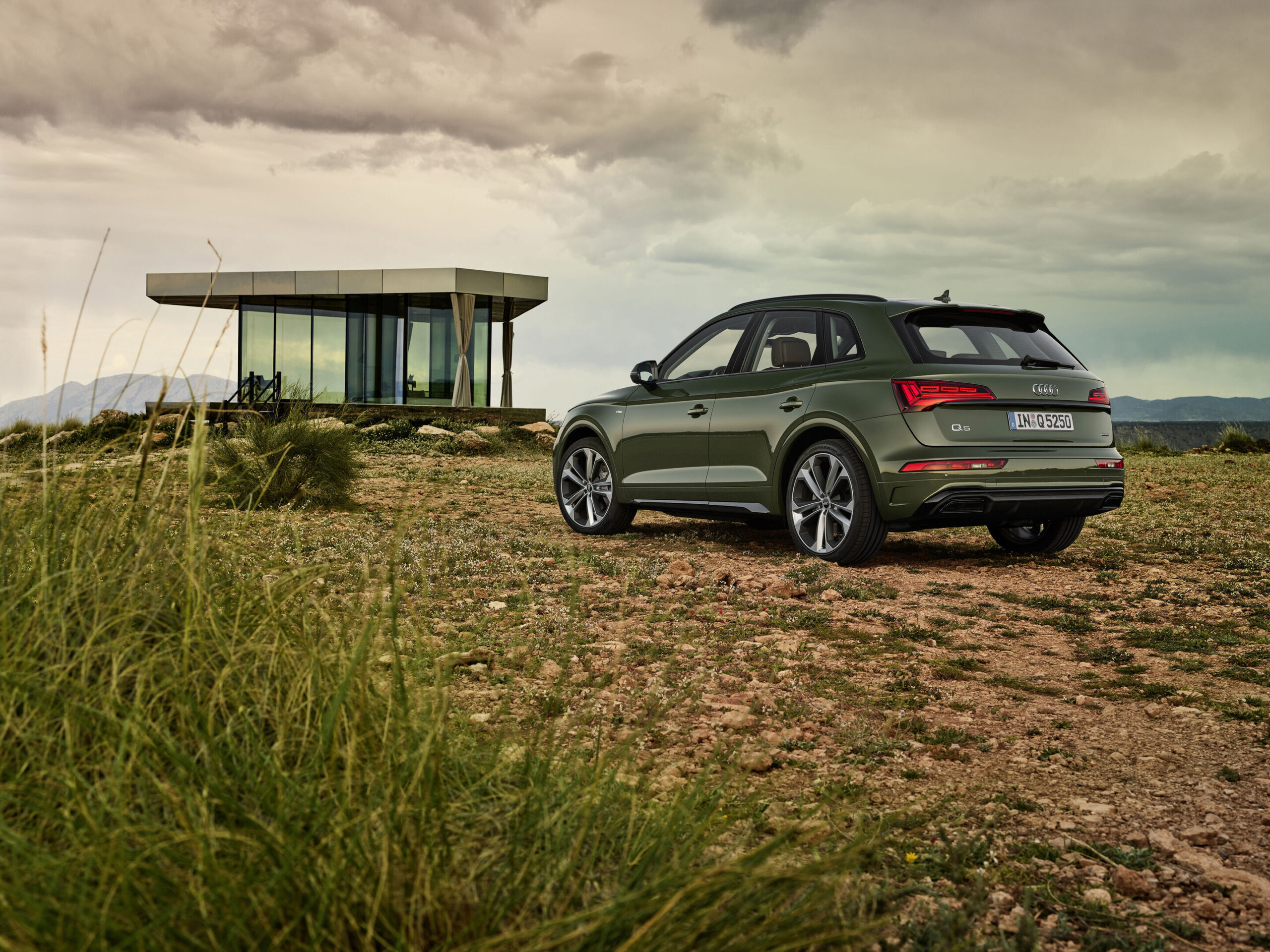
When the screen goes black, the bill does not
Infotainment is the Q5’s soft underbelly. Freezing MMI, black screens and connectivity drop-outs are reported often enough that a long head-unit test is non-negotiable: phone mirroring, radio, navigation if fitted, reverse camera, pairing after a restart. A glitchy forecourt demo is not “software being temperamental”. It is a preview of the specialist conversation later.
MIB2 and MIB3 head-unit replacements are quoted in the £1,500–£2,500 band once parts and labour are in. That is real money on a used purchase, enough to erase the difference between two similar adverts, and it sits on top of broader electrical issues such as malfunctioning lights and sensors that show up on both petrol and diesel cars. Car Cost Check’s Q5 common-problems file is a useful cross-check when you are mapping which faults keep recurring across keepers.
I would rather pay more for a quieter, lower-spec petrol with a clean electrical history than “save” on a high-spec diesel whose screen has already started to argue with the rest of the car.
That is also why warranty shape matters on this model. If you are weighing an approved-used path against a private sale, read how thin (or thick) the cover really is before you treat “dealer” as a synonym for safe. The same discipline set out for another premium brand in what a BMW Approved Used warranty actually covers in 2026 applies here: know what electrics and gearbox failures would cost you after the handshake.
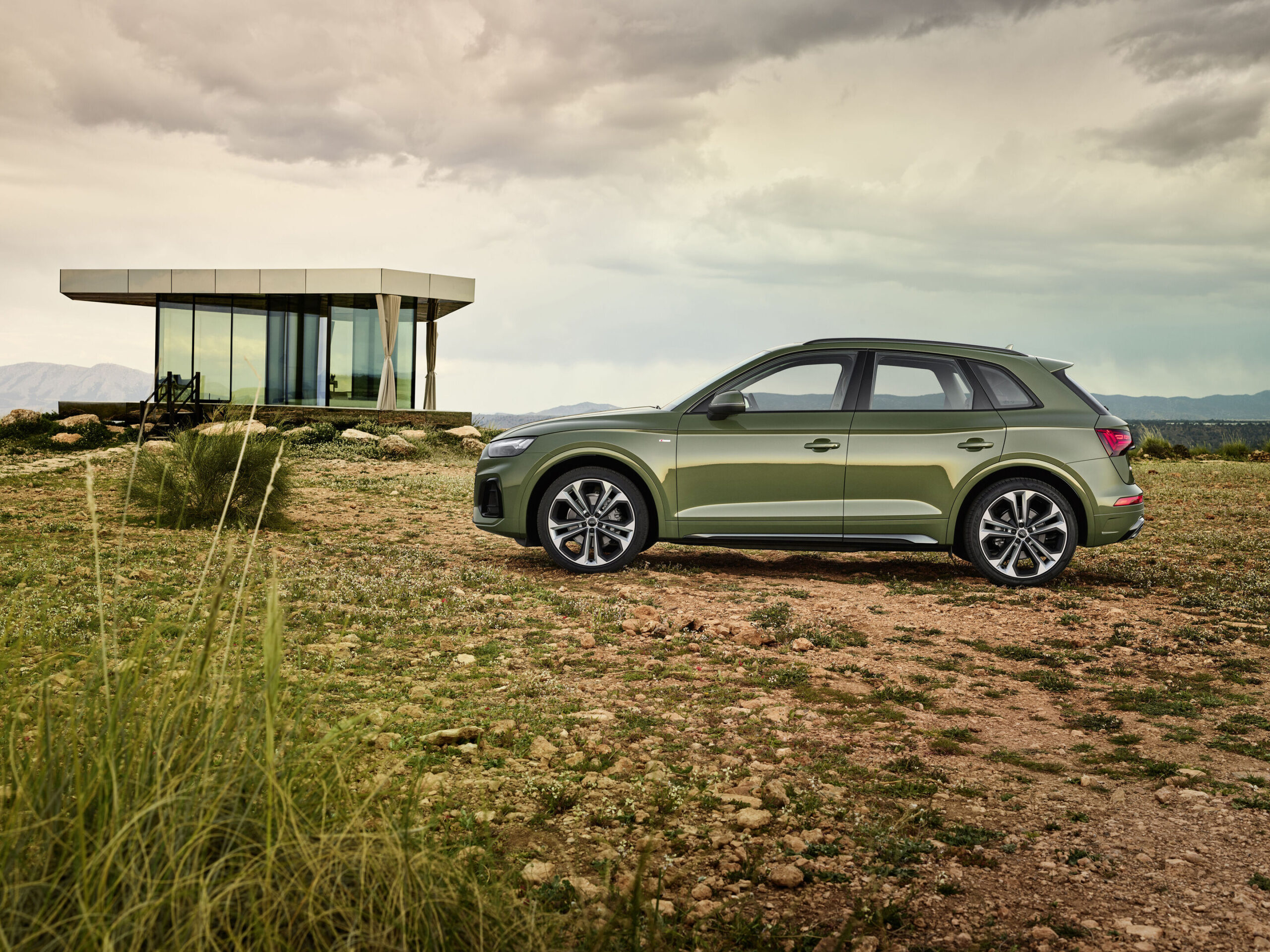
The S tronic interval Audi still calls “lifetime”
The dual-clutch story is the one that separates casual browsers from serious buyers. The DL382 S tronic needs fluid changes every 60,000km (about 37,000 miles), whatever the “lifetime fill” language on older service schedules. Neglect that interval and mechatronic failures cluster between roughly 60,000km and 120,000km (about 37,000 to 75,000 miles). Mechatronic unit repairs land around £1,500–£2,500; a full clutch-pack replacement at a dealer is typically £2,500–£3,500.
Those figures change how I read an advert. A high-mile Q5 with stamped fluid changes is a different proposition from a low-mile car whose service book is silent on gearbox oil. Mileage without maintenance evidence is not reassurance on this transmission. I want invoices, not a shrug and a “Audi says it’s sealed for life” line that has already been overtaken by specialist practice.
Petrols already carry gearbox and clutch concerns in the survey data; add a neglected DL382 and you stack risk on risk. Diesels face the same gearbox maths plus the weaker ranking. Either way, fluid-change paper is part of the purchase price: ignore it and the clutch-pack invoice becomes the second deposit.
Four recalls that still matter on the used forecourt
Before any trim debate, I want the recall history closed. Pre-October 2019 cars can need a dealer fix for wheel-arch liners that detach. Builds from August to November 2018 were subject to brake master-cylinder replacement. January 2020 mild-hybrid cars can suffer moisture ingress in the starter-alternator. A 2021 campaign covered substandard rear-axle retaining nuts. None of those is exotic trivia; each is a concrete check against the VIN before money moves.
Free Plate Check’s Audi Q5 pages are a practical starting point for plate-level history context, but the dealer or Audi UK recall check on the chassis number is still the line I trust for campaign completion. A beautiful S line that still owes a master-cylinder or axle-nut job is not a bargain. It is unfinished safety admin wearing premium paint.

That same forensic habit is what I bring to other premium used SUVs with patchy reliability reputations, including the engine-and-trim discipline in the Jaguar F-Pace X761 used reliability guide. Badge prestige is never a substitute for a closed recall list and a service book that matches the odometer.
Running costs: where the diesel keeps bleeding
On the 40 TDI, annual maintenance for around 15,000km (roughly 9,000 miles) a year is put at £1,000–£1,850. That is routine ownership cost before you hit a mechatronic failure, a head-unit replacement, or a diesel repair that tips past £1,500. Add the survey finding that diesel jobs more often take longer than a day and you start to see why a “sensible” TDI can feel anything but sensible once you are organising courtesy cars and invoices.
I still understand the long-distance case for diesel in the Audi family (carefully argued for the saloon in the Audi A6 TDI review for 2026), but the Q5’s own ranking is harsher on oil-burners than brand loyalty likes to admit. High motorway miles do not erase a 21st-of-24 result or slower repairs. Modest annual mileage makes the petrol edge cleaner still; high mileage only works if fluid history, electrics and purchase price leave room for the known bills.
The specification money actually buys on a used Q5
Here is the trim conversation I will have in 2026, stripped of brochure theatre. The “trim worth the money” is not the one with the most badges on the hatch. It is the petrol example, ideally with a documented S tronic fluid change at the right interval, whose MMI works under load, whose sensors and lights behave, and whose recall campaigns are closed. That car can wear Sport, S line or a higher pack; the hierarchy that protects your wallet is powertrain and evidence, not the options code.

I will pay for kit that is already fitted and working: proper lighting, heated seats for UK winters, a tow pack if you actually tow. I will not pay a premium for a high-spec diesel whose survey peers sit near the bottom of the large-SUV class, or for a gadget-heavy cabin if the head unit is already unstable. Extra electrics on a glitch-prone platform are more surface area for the same fault family. Private-sale cars with full invoices beat dealer fluff with gaps; a lower-mileage petrol without gearbox-fluid proof does not beat a higher-mileage petrol with stamped DL382 care. Maintenance honesty is the trim level that matters.
What I would sign for, and what I would walk past
I would sign for a well-documented petrol Q5 with calm electrics, completed recalls and S tronic fluid history that matches the mileage: the car that respects What Car’s 95.6% score and keeps head-unit, mechatronic and clutch-pack bills as managed risks. I would walk past a diesel that only wins on torque and the monthly payment if the service book goes quiet after 60,000km (about 37,000 miles) or the screen needs a hard reset twice on the test drive.
The Q5 remains a premium used buy when you choose the reliability side of its own data. Ignore that split and you are buying a future invoice with quattro badges on it. In 2026, with those rankings and repair costs in plain sight, the money still goes to the petrol with paperwork, not the diesel with the better story.
How we researched this guide
Every pick here is shortlisted from hands-on testing and time spent living with the hardware by the CDE desk, then sanity-checked against current UK pricing, manufacturer specs and real-world performance before it makes the cut. We never rank for commission — affiliate links don't change the order.
Buyer action
Where to check next
Use this as the final check before paying a deposit, signing finance paperwork or relying on a headline monthly figure.