Used Audi A6 (C8) in 2026: the UK verdict on a premium saloon that quietly earns its keep
The Audi A6 has spent its entire C8 life being the executive saloon nobody argues about — and that quiet, low-drama competence is exactly what makes it such a shrewd…
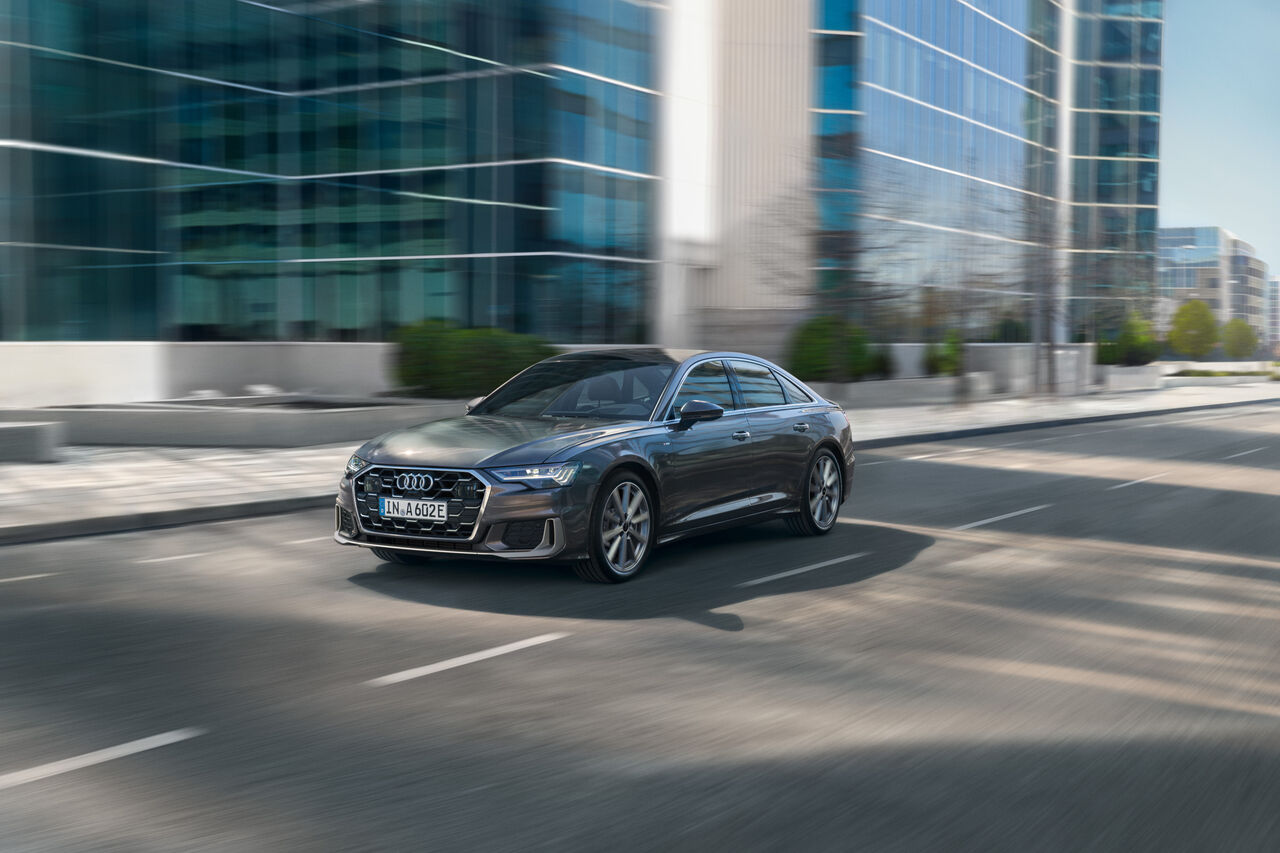
The Audi A6 has spent its entire C8 life being the executive saloon nobody argues about — and that quiet, low-drama competence is exactly what makes it such a shrewd used buy now. Reading the market as it stands in July 2026, and setting it against Parkers’ used verdict on the A6, the picture is of a car that isn’t trying to dazzle you in the showroom and doesn’t need to. It just keeps delivering long after the finance deal that first put someone else behind the wheel has been paid off.
That is the whole appeal, and it’s also the trap. A saloon this understated is easy to buy badly — to overpay for the wrong engine, or to walk into a running-cost bill you didn’t budget for. So here is how I’d read the C8 in 2026, trim by trim and pound by pound.
What your money actually buys right now (Used Audi A6)
The used A6 saloon market is deep. Run the classifieds and there are close to a thousand cars listed across the UK — 977 the day I looked — spanning everything from a leggy early diesel at £5,350 to a nearly-new, fully-specced example at £51,961. The median sits at around £19,700, and that midpoint is the number worth holding onto: it tells you the sweet spot of this market is a well-kept, two-to-four-year-old saloon rather than a bargain-basement runabout or a near-new indulgence.
The plug-in hybrid is where the used pricing gets interesting. A 50 TFSI e PHEV starts from around £22,999, with a well-specced S Line version closer to £38,990. That’s a meaningful premium over an equivalent diesel or petrol, and whether it earns that premium depends entirely on how — and where — you drive. More on that below, because it’s the single decision that most changes whether this car is a triumph or a quiet disappointment.
The engine question, and why the diesel still wins for most
The C8 A6 is one of those cars where the badge on the boot matters more than the trim on the dashboard. Get it right and it’s one of the most relaxed long-distance saloons you can buy for the money; get it wrong and you’ll spend three years wondering why the running costs never quite added up.
Image: Audi
For genuine high-mileage drivers, the 40 TDI diesel remains the answer. Parkers records real-world economy of 47.1–50.4mpg for the diesel, and on a motorway-heavy life that number holds up in a way the petrols simply can’t — they sit at a thirstier 32–39mpg. If your annual mileage runs into five figures and most of it is A-roads and motorways, the diesel is the version I’d shortlist first, and it’s the case I made in full in our long-haul A6 TDI review.
The PHEV is a different animal, and the marketing around it needs handling with tongs. The official WLTP claim of 235–256mpg is a laboratory artefact, not a promise — it assumes you start every journey with a full battery. In the real world, Parkers puts mixed-use economy nearer 60mpg, which is genuinely excellent, but only if you actually plug it in. The electric range is a modest 25–30 miles. For a company-car driver with a home charger and a short commute, that turns most weekday trips fully electric — and, just as important, drops the car into a far lower benefit-in-kind band than any diesel A6, which is where a plug-in company car quietly makes its money back. For a private buyer who’ll rarely charge it, you’ve paid a premium for hybrid hardware you won’t use, and you’d have been better off in the diesel.
The PHEV isn’t a fuel-economy shortcut; it’s a lifestyle bet. Charge it religiously and it’s the cleverest A6 on the forecourt. Treat it like a normal petrol and you’ve simply paid more to carry a battery around.
Image: Audi
The tax bill nobody mentions in the showroom
Here’s the cost that catches used buyers out. Because so many A6s were registered with a list price above the £40,000 luxury-car threshold, they attract the expensive-car VED supplement. Under the 2025/26 road-tax rates that means roughly £620 a year across years two to six of the car’s life, before dropping to the standard £195 a year thereafter. Crucially, that supplement is tied to the original list price when new, not what you pay used, so a £20,000 used A6 can still carry the road-tax burden of a £60,000 car.
Do the arithmetic and it stings: on a car still inside that window, you’re budgeting the best part of £1,900 in VED alone across a typical three-year ownership, before a drop of fuel or a single service. That is real money, and it is money the forecourt board never mentions.
None of this is a dealbreaker; it’s arithmetic. But it’s arithmetic you want to do before you sign, not after the first renewal reminder lands. Factor it into your total-cost sums alongside insurance and servicing, and a tempting private-sale saving can look rather less tempting than a well-supported forecourt car.
Warranty and recalls: where I’d tread carefully
This is the part of the A6 story that makes me uneasy. Audi’s standard warranty is three years or 60,000 miles, extendable for a fee, and next to BMW’s unlimited-mileage cover on an equivalent 5 Series that mileage cap feels stingy on a car explicitly built to rack up motorway miles. For a high-mileage diesel buyer, the very thing the A6 is best at is the thing most likely to run you out of factory cover early.
Image: Audi
There’s homework to do, too. What Car? lists six recalls across the range, covering issues from a towing bracket to rear-window faults. Recalls aren’t a red flag in themselves — they’re normal, and a fixed recall is a solved problem — but an unactioned one isn’t. Before you commit to any C8, run the registration past Audi to confirm every outstanding recall has been carried out. It costs you a phone call and it’s the single cheapest piece of due diligence you’ll do.
All of which feeds into where you buy, not just what. The mileage-capped warranty is a strong argument for a manufacturer-backed car with a clean, documented history, and it’s exactly the trade-off I weighed up in our guide to approved-used versus independent forecourts. On a saloon this dependent on service records and recall history, that peace of mind is worth paying a little for.
Against the 5 Series and the E-Class
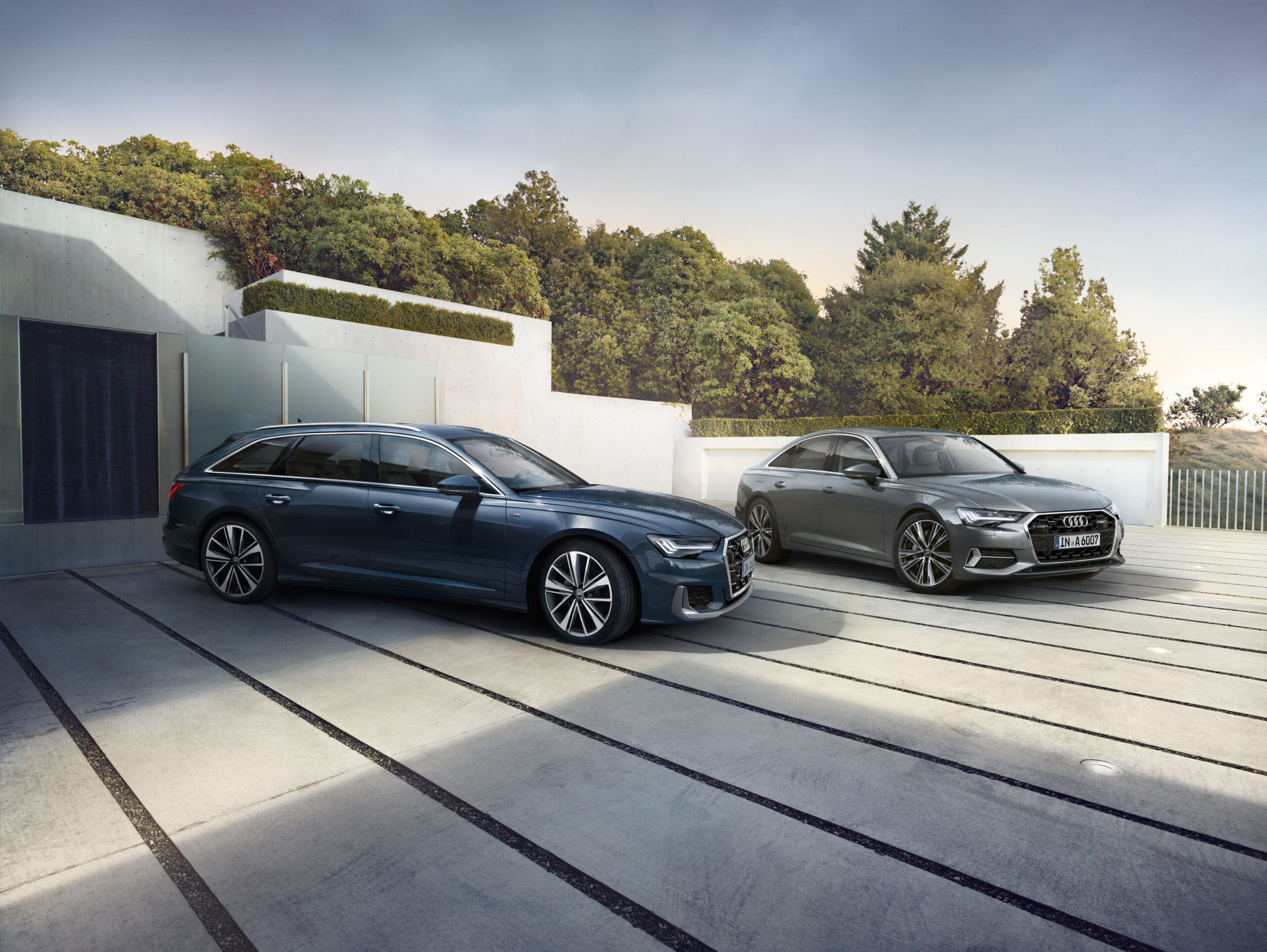
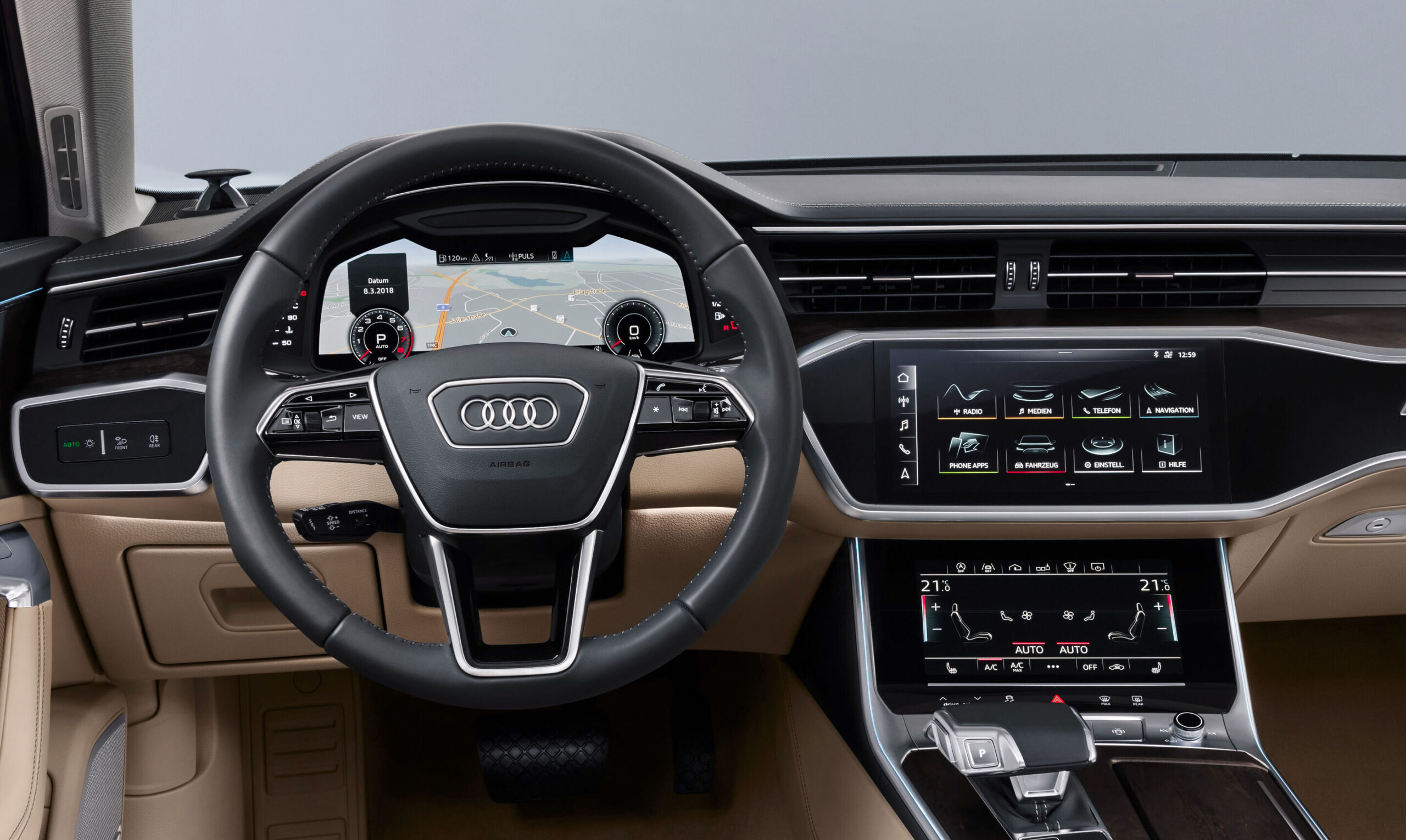
The A6 doesn’t win its class on any single knockout blow — it wins on the balance sheet. Where the BMW 5 Series still has the edge on handling engagement and the Mercedes E-Class on plush, waft-along ride comfort, the Audi splits the difference and undercuts both on running costs for a diesel driver. Its resale values are strong, its cabin has aged with more grace than the exterior, and it’s the default I’d reach for if outright refinement is the goal rather than badge theatre.
Image: Audi
Executive saloon
Where it wins
Where it loses
Audi A6 (C8)
All-round balance; strong resale; cheapest to run as a 40 TDI diesel
Firmer ride, especially on larger alloys; styling now familiar rather than fresh
BMW 5 Series
Keenest handling; unlimited-mileage warranty
Dearer to run than the A6 diesel
Mercedes E-Class
Plushest, most waft-along ride comfort
Dearer to run than the A6 diesel
My pick
Audi A6 (C8), for the buyer who values the balance sheet and refinement over badge theatre
—
The honest downsides are real, though. The ride is firmer than the Mercedes, especially on the larger alloys, and the exterior design — striking in 2018 — now reads as familiar rather than fresh. If you want to see exactly how the three stack up head-to-head, including where the newer e-tron fits in, our used executive saloon comparison lays out the full case. But on the core question of whether the A6 belongs on your shortlist, the answer is an easy yes.
The head says Audi — here’s the one thing I’d check first
I’d buy a used C8 A6, and I’d buy it with the confidence of someone who’s done the sums. For the driver who does real motorway miles, a 40 TDI in the mid-teens to low-twenties is one of the most quietly satisfying ways to spend that money in the entire used market — refined, economical, and built to shrug off the distances that would age lesser cars. For the home-charging company-car escapee, the 50 TFSI e is worth its premium, provided you’ll actually keep it charged.
The one thing I’d do before handing over a penny is treat the warranty and recall position as make-or-break rather than paperwork. Confirm every recall is closed, check exactly how much factory or approved-used cover is left against that 60,000-mile ceiling, and price the expensive-car VED into your monthly figure. Do that, and the A6’s greatest weakness — its stingy safety net — stops being a risk and becomes a negotiating lever. Skip it, and the quiet saloon that asks for nothing can end up asking for rather a lot.
How we researched this guide
Every pick here is shortlisted from hands-on testing and time spent living with the hardware by the CDE desk, then sanity-checked against current UK pricing, manufacturer specs and real-world performance before it makes the cut. We never rank for commission — affiliate links don't change the order.
Buyer action
Where to check next
Use this as the final check before paying a deposit, signing finance paperwork or relying on a headline monthly figure.
We use cookies to make this site work, measure how it is used, and (with your consent) personalise advertising. Strictly necessary cookies always run. Analytics and advertising cookies run only if you accept. See our Cookie Policy and Privacy Policy.
Car Deal Expert — independent UK car-buying guidance.