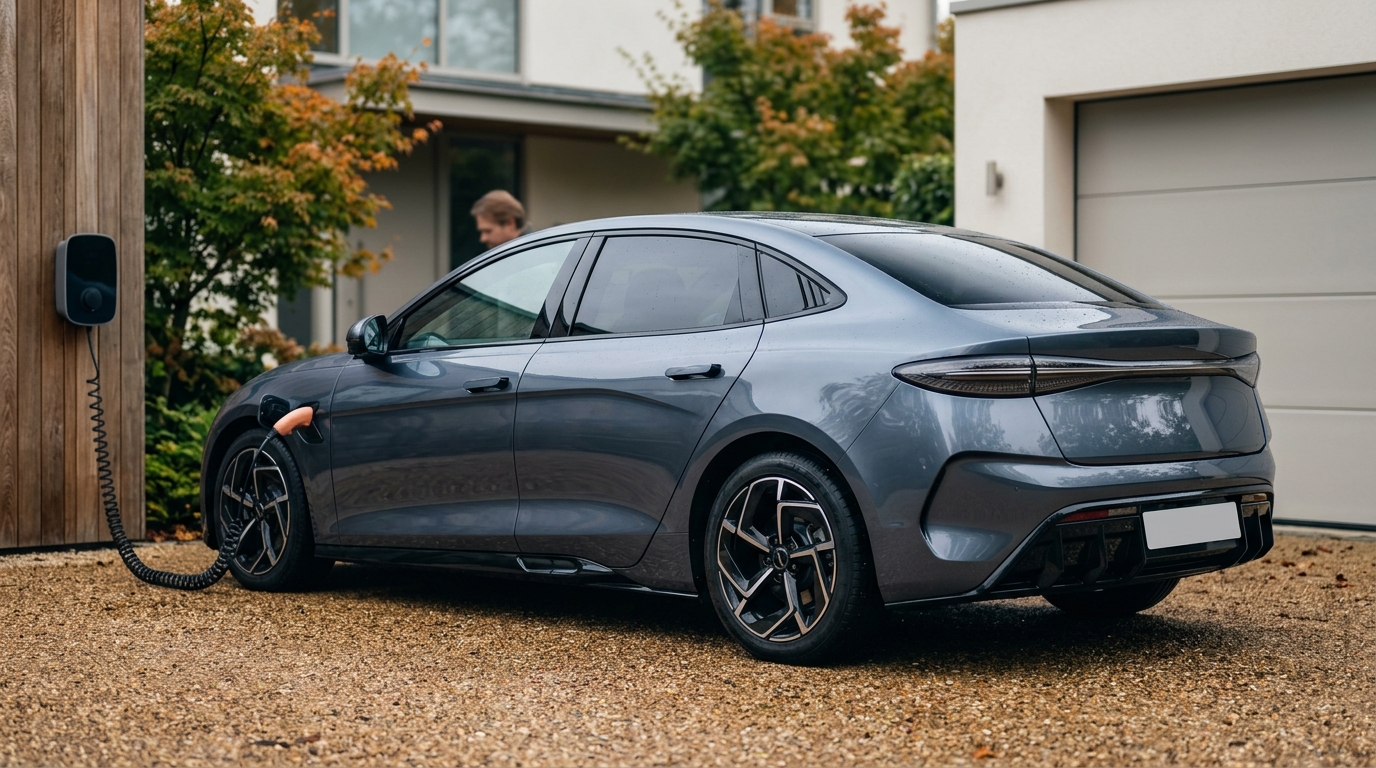
BYD Seal salary sacrifice 2026: is it the smartest sub-£500 a month EV?
Run a BYD Seal salary sacrifice through the numbers and the interesting question is not whether the car is cheap, but whether it clears the sub-£500-a-month net mark that most buyers use as their mental line for a sensible company EV. With the 2026 model-year Seal having landed in the UK on 19 February 2026 from £45,730, and the zero-emission benefit-in-kind rate fixed at 4% for the 2026/27 tax year, my honest answer, after lining up those prices against that rate, is yes for a higher-rate taxpayer and a maybe for a basic-rate one. The Seal is a genuinely long-range, well-equipped saloon that slips under the £50,000 supplement threshold, and that combination does most of the heavy lifting. The catch is the part nobody advertises: the only lease rate that matters is the one your own employer’s scheme quotes, so treat every headline monthly, mine included, as a worked illustration rather than a promise.
What the Seal costs, and why staying under £50,000 matters
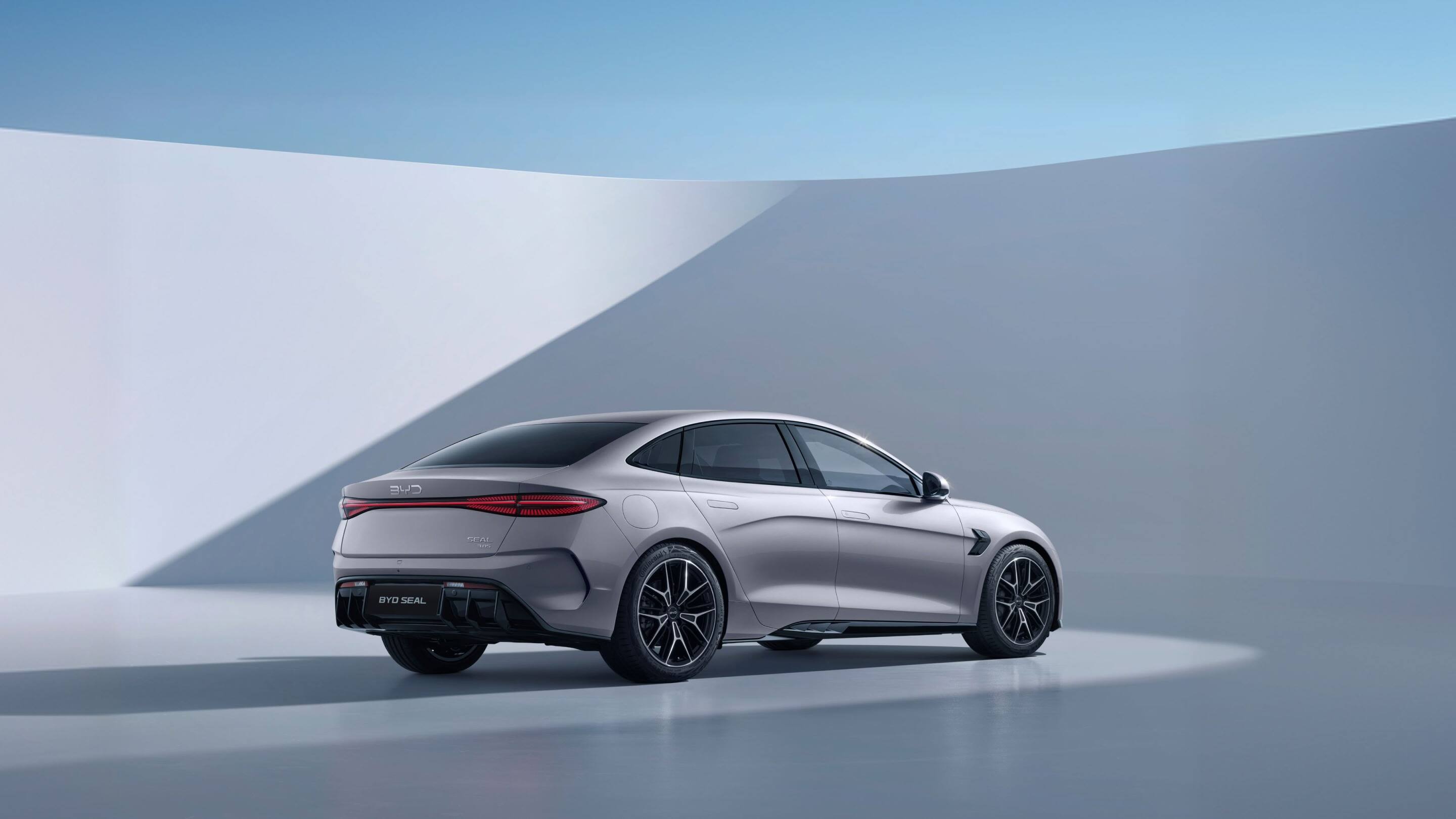
BYD launched the 2026 model-year Seal in the UK on 19 February 2026 with two trims: the Design at £45,730 on the road and the Excellence at £48,730, per BYD UK’s own Seal pricing. Both use the same 82.5kWh lithium-iron-phosphate battery, with the rear-drive Design rated at 354 miles WLTP and the all-wheel-drive Excellence at 323 miles. The number I care about most for a company-car driver is the one neither figure shows: both trims sit below £50,000, so neither is caught by the Expensive Car Supplement that adds £440 a year to the road tax of pricier EVs for five years. That is not an accident. BYD has priced the Seal to duck the threshold, and on a salary-sacrifice scheme that saves you a charge the driver of a £55,000 rival quietly carries. If you want the direct fight with the obvious alternative, I have run the full Seal versus Model 3 salary-sacrifice showdown separately; here I want to test the Seal on its own terms.
What a BYD Seal salary sacrifice actually costs at 4% BiK
The part of the maths I can state with confidence is the benefit-in-kind, because HMRC sets it rather than a broker. Per HMRC’s Employment Income Manual (EIM24705), the appropriate percentage for a zero-emission car is 4% for the 2026/27 tax year, rising to 5% in 2027/28, 7% in 2028/29 and 9% in 2029/30. On the Seal Design’s £45,730 list, 4% gives a taxable benefit of £1,829. A basic-rate taxpayer pays 20% of that, around £366 a year or £30 a month; a higher-rate taxpayer pays 40%, about £732 a year or £61 a month; an additional-rate taxpayer about £69 a month. Those are small numbers, and they are the whole reason an electric salary-sacrifice car beats taking the same money as taxed pay. The benefit climbs as the percentage does, so by 2029/30 that higher-rate figure roughly doubles, which is worth remembering on a four-year term.
Does it clear sub-£500 a month? An honest worked example
Here is where I have to be straight with you: I do not have a current, dated Seal-specific quote from a named scheme, so the lease rate below is an illustration, not a market figure. Say your scheme prices the Seal Design at £600 a month gross sacrifice over a four-year, 10,000-mile term. A higher-rate taxpayer reclaims 40% income tax plus 2% National Insurance on the sacrificed pay, so 42% of that £600 comes back, cutting the real salary cost to roughly £348 a month. Add the £61 a month of benefit-in-kind from above and you land around £410 a month, all in, for a £46,000 saloon with insurance, servicing and tyres usually bundled in. That is comfortably under £500. A basic-rate taxpayer reclaims only 20% tax plus 8% NI, so the same £600 nets closer to £432 before the £30 benefit charge, landing near £462, still under the line but with far less margin. Change my assumed £600 and the whole answer shifts, which is precisely why the only number you should trust is your own scheme’s. If you are weighing the route itself, my piece on salary sacrifice against a car allowance sets out when the scheme genuinely wins.
Where the Seal is genuinely good, and where I would pause
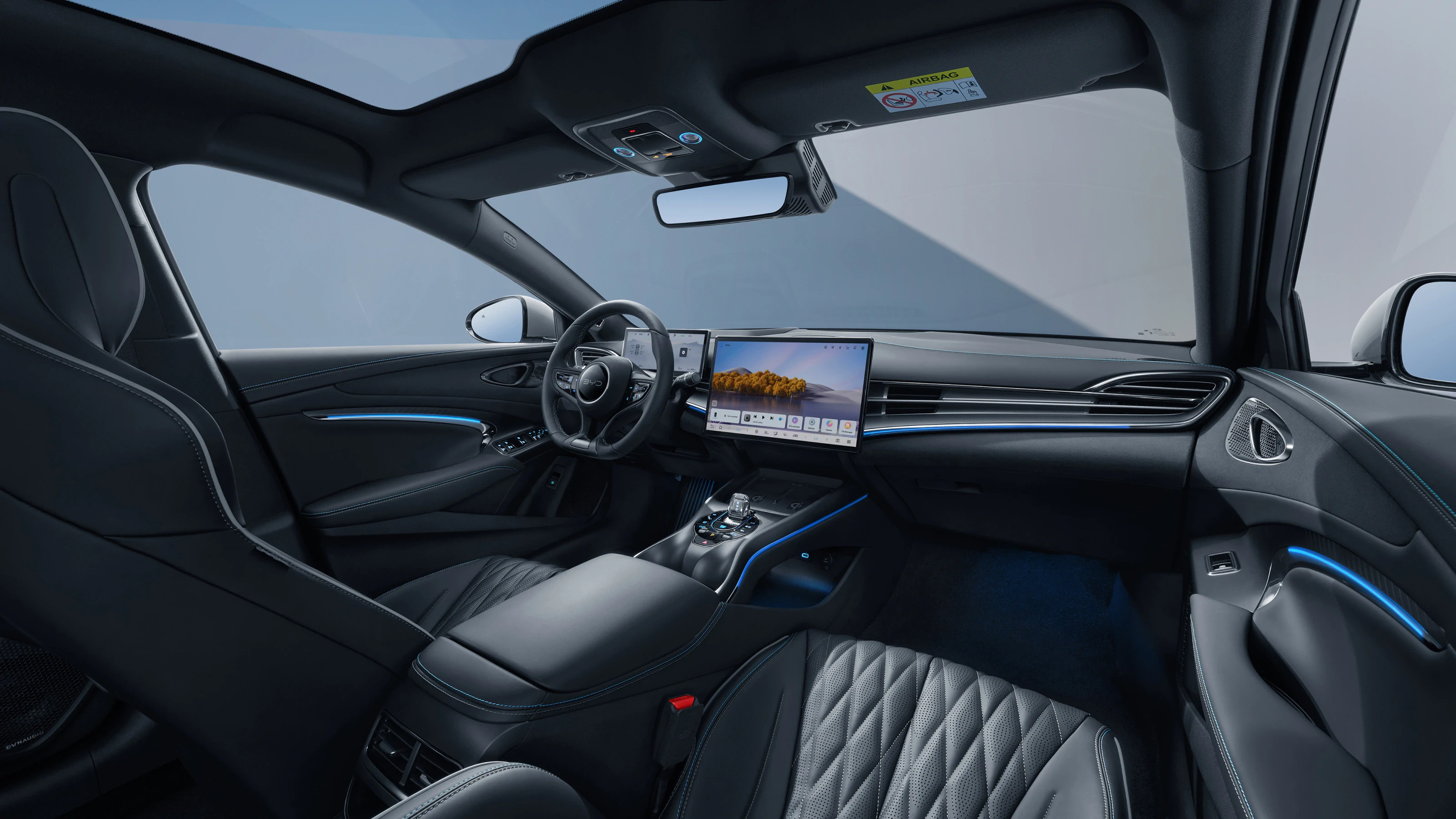
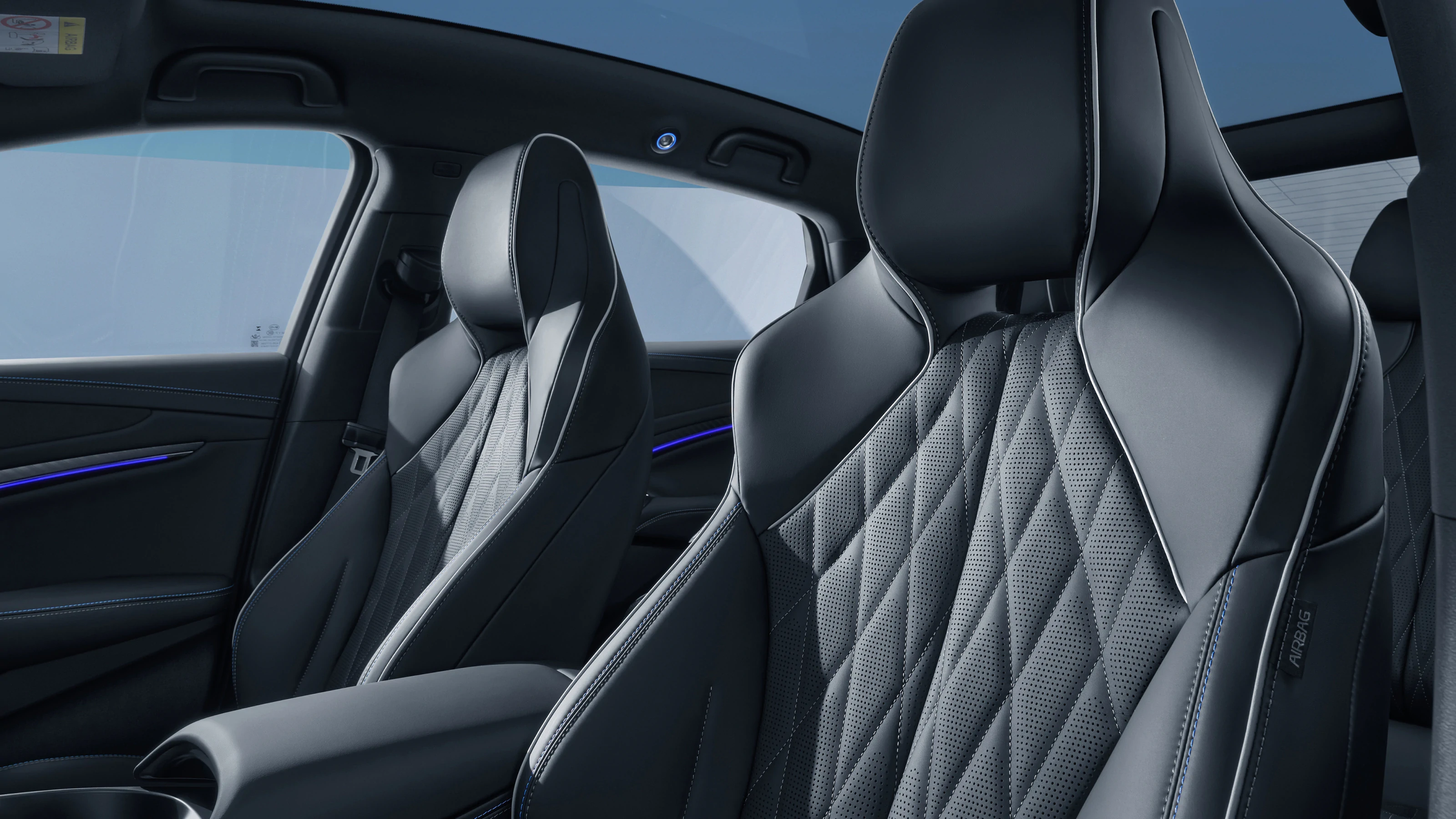
The Seal’s lithium-iron-phosphate battery is its quiet strength: LFP chemistry tolerates being charged to 100% daily and tends to age more gracefully than the nickel-based packs in some rivals, which matters on a four-year scheme where the car is someone else’s residual risk, not yours. The cabin is plusher than the price suggests, the real-world motorway range sits a sensible distance below the 354-mile WLTP claim rather than collapsing, and the standard kit list shames cars costing more. What would make me pause is resale conviction: BYD is still building its reputation for holding value in Britain, and the Atto 3’s mixed record on that front, which I dug into in the BYD Atto 3 used-value piece, is a fair warning. On salary sacrifice that risk is the leasing company’s, not yours, which is exactly why I am happier recommending the Seal on a scheme than as an outright cash buy. The other check most people skip is insurance: get a real quote before you commit, because a powerful EV saloon can land in a higher group than the brochure mood suggests, and renewal behaviour on EVs has been punishing, as I covered in the EV insurance renewals piece.
The alternative I would still make you test-drive
I cannot send you off without naming the car the Seal has to beat. The Tesla Model 3 RWD undercuts the Seal on list price and tends to be cheaper to insure and quicker to charge on a long run, and on a scheme the gap in monthly net cost can be slim. The Seal answers with more standard equipment, a more comfortable cabin and that durable LFP battery. Neither is a wrong answer, which is why I would shortlist both and let a back-to-back drive decide. For the line-by-line money, the Tesla Model 3 on salary sacrifice and the Polestar 2 on a scheme are the two I would put alongside it on the spreadsheet.
Who I would actually put in one
A BYD Seal salary sacrifice makes the most sense for a higher-rate taxpayer who wants a comfortable, genuinely long-range company saloon and likes the idea of the £410-ish illustrative monthly landing well under £500 with the running costs wrapped in. The under-£50,000 pricing keeping you clear of the Expensive Car Supplement is the detail that seals it for me. I would steer a basic-rate driver to run their own scheme quote carefully first, because the relief is thinner and the sub-£500 verdict is closer to the bone, and I would steer anyone tempted to buy one outright with cash toward waiting to see how Seal residuals settle. On a four-year scheme, though, where the depreciation worry belongs to the leasing company and the LFP battery shrugs off daily full charges, the Seal is one of the more sensible electric saloons a UK employee can put on their payslip this year. Get the quote, get an insurance figure, and check the term suits how long you plan to stay in the job.
Final verdict
BYD Seal salary sacrifice in 2026: the 4% BiK maths, an honest sub-£500 a month worked example, and where the Seal sits against the Tesla Model 3.
How we compare
Buyer action
Where to check next
Use this as the final check before paying a deposit, signing finance paperwork or relying on a headline monthly figure.