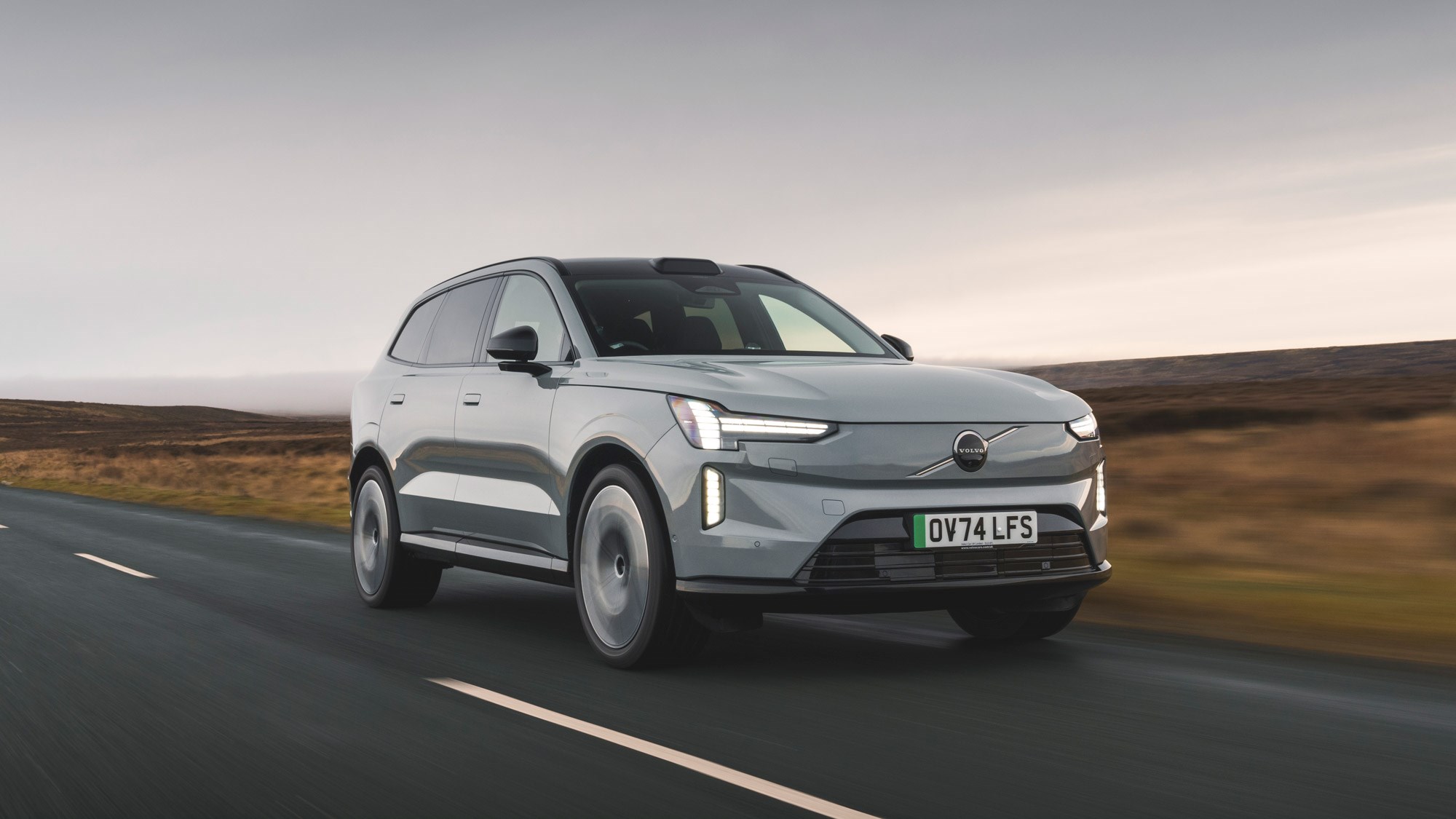
Ninety-six thousand pounds bought you exactly one thing when the Volvo EX90 first landed on UK driveways in 2023: an Ultra-trim seven-seater and no choices to make. It’s a very different car to shop for in 2026. As Parkers set out in its 2026 running-costs review, the range now opens at £73,160 for a Single Motor in Core trim — a £23,000 step down from where this car started life. That gap is the whole story of the EX90 as a family buy, and it’s where I’d want you paying attention before a salesperson starts talking about air suspension.
Let me be plain about what this is: a big, calm, seven-seat electric SUV that wants to be the default school-run-and-Scotland car for households who’d otherwise be looking at a used XC90 or a new Kia EV9. The question isn’t whether it’s good. It’s whether the version you can actually afford is the one worth having — and, increasingly, whether a used launch car undercuts a new base one.
The £73,160 question: which EX90 makes sense
Start at the bottom, because that’s where the volume now sits. The Single Motor Core opens the range at £73,160 and carries an official WLTP figure of 351 miles. Move up to the Twin Motor cars and Volvo quotes up to 376–383 miles depending on spec. On paper the dual-motor version goes further, which feels backwards until you remember these are efficiency-and-aero games as much as battery ones.
| EX90 trim | Power | 0-62mph | WLTP range | Price from |
|---|---|---|---|---|
| Single Motor Core | Single motor | — | 351 miles | £73,160 |
| Twin Motor (launch Ultra) | 456hp | 5.5s | 376–383 miles | £96,255 |
| Twin Motor Performance | 680hp | 4.2s | — | £100,555 |
| Sarah’s pick | Single Motor Core | — | 351 miles | £73,160 |
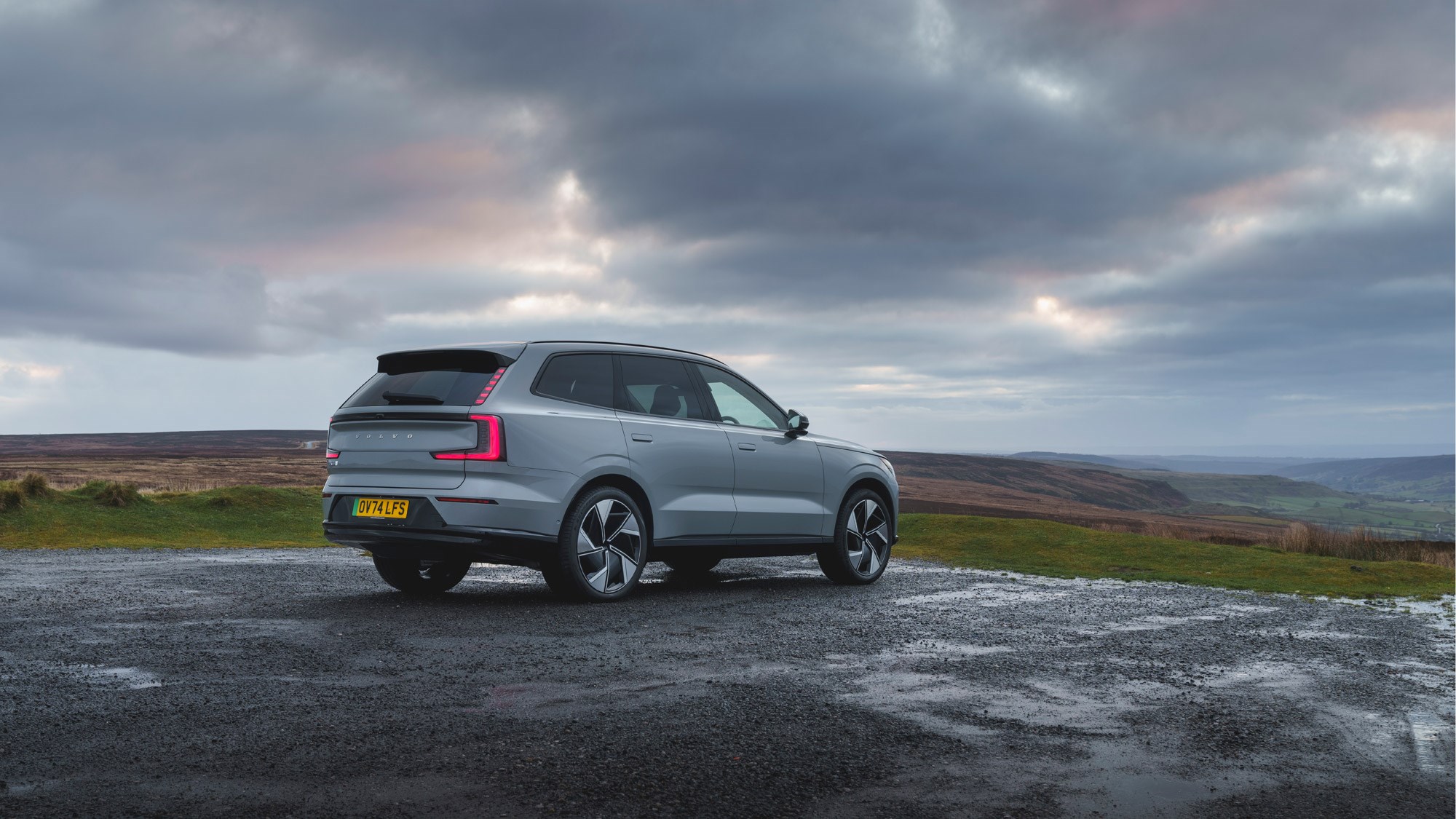
Every launch EX90 uses the same 111kWh gross pack, of which 107kWh is usable. That’s a genuinely large battery, and it’s the reason this car weighs what it does and costs what it does. It’s also why I’d treat the WLTP numbers as a ceiling you’ll rarely touch.
What 107kWh actually gets you in a British winter
Here’s the number that matters more than any brochure figure. CAR magazine’s testing put real-world range at roughly 290–310 miles, working out to 2.7–2.9 miles per kWh. Parkers’ 2026 running-costs work lands in the same territory.
So the honest planning figure for a family is comfortably under 300 miles in mixed use, and less again on a cold motorway with seven aboard and the heating on. That’s still a lot — London to Leeds and back with margin — but it is not the 380-mile car the headline implies. If your mental model was “never think about charging,” recalibrate to “one relaxed stop on the long runs.”
The EX90 doesn’t ask you to compromise on space or safety. It asks you to be honest about the difference between 383 miles on a poster and 300 in your driveway — and to decide whether £73,000-plus is the right price for that honesty.
Charging: fast enough, not headline-grabbing
The EX90 peaks at 250kW on a DC rapid charger. Volvo’s own 10–80% claim of 22 minutes assumes a 350kW connection the car can’t fully exploit; the figure most independent road tests report sits closer to 30 minutes on a good 250kW unit. Thirty minutes for 200-odd usable miles is perfectly respectable for a car this heavy, and it maps neatly onto a coffee-and-loo stop with kids. It won’t embarrass a Hyundai Ioniq 5 on outright charging speed, but it doesn’t need to — the big pack means you’re stopping less often to begin with.
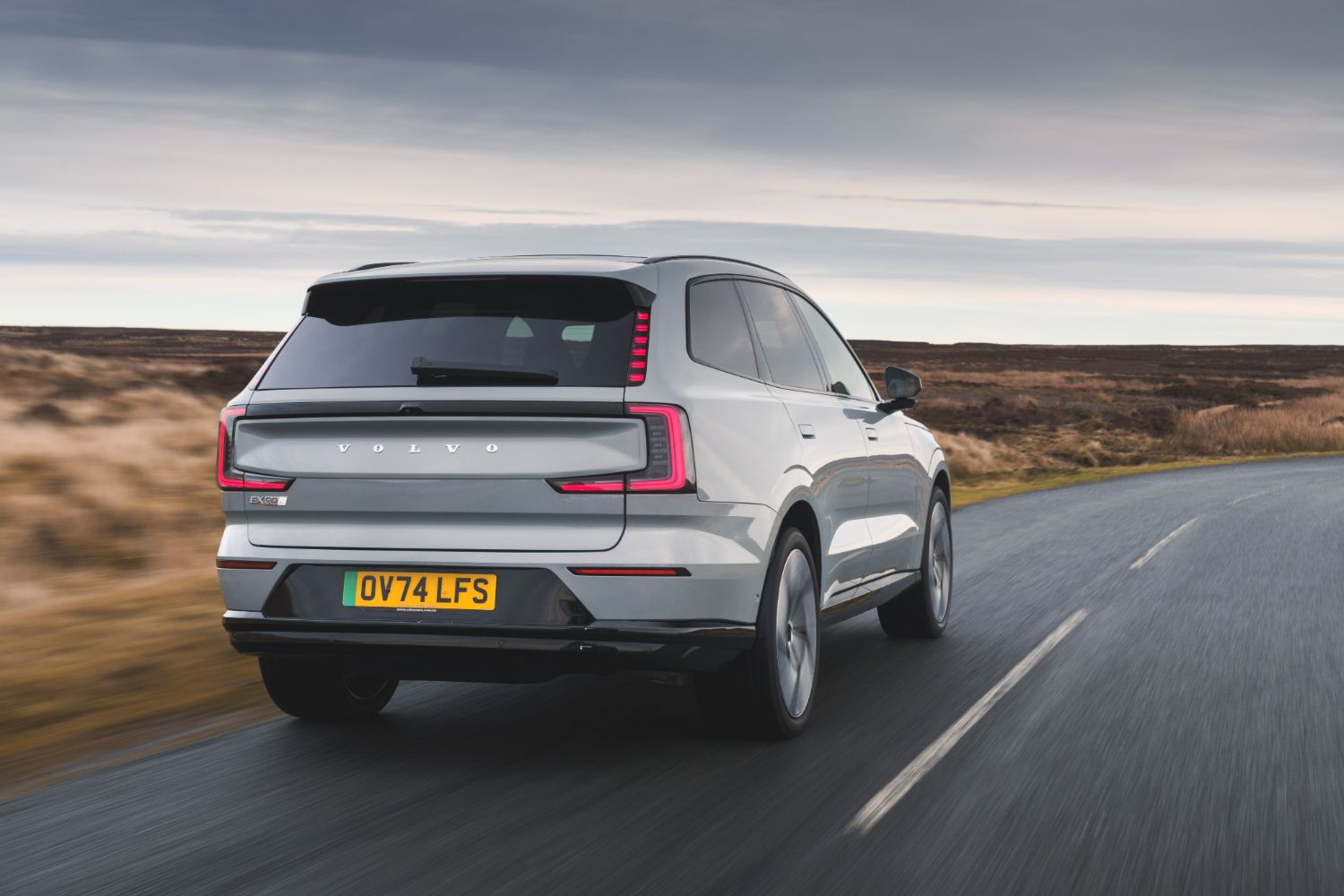
On the ownership maths, the battery carries the standard 8-year/100,000-mile warranty. For a car you might reasonably keep through two or three sets of school shoes, that’s the reassurance line I’d want underlined. And be blunt about where the running-cost case actually lives: fill that 107kWh pack overnight on a 7kW home charger and the pence-per-mile is what makes the EV sums work; lean on public rapids alone and a chunk of that saving disappears.
Performance you’ll never fully use — and that’s fine
Even the “slow” EX90 isn’t. The Twin Motor makes 456hp and hits 62mph in 5.5 seconds; the Twin Motor Performance pushes 680hp and 4.2 seconds, as Car Enthusiast found on its first drive of the Performance Ultra. Both are limited to 112mph, which tells you everything about Volvo’s priorities: this is a car engineered to feel unburstable and serene, not to chase a lap time.
I’ll say it straight — the 680hp Performance is the version I’d steer a family away from. You’re paying a premium (the launch Performance was £100,555 against the standard Twin Motor’s £96,255) for acceleration a seven-seat EV has no business needing. Spend that difference on the battery you’re already carrying and the miles you’ll actually drive.
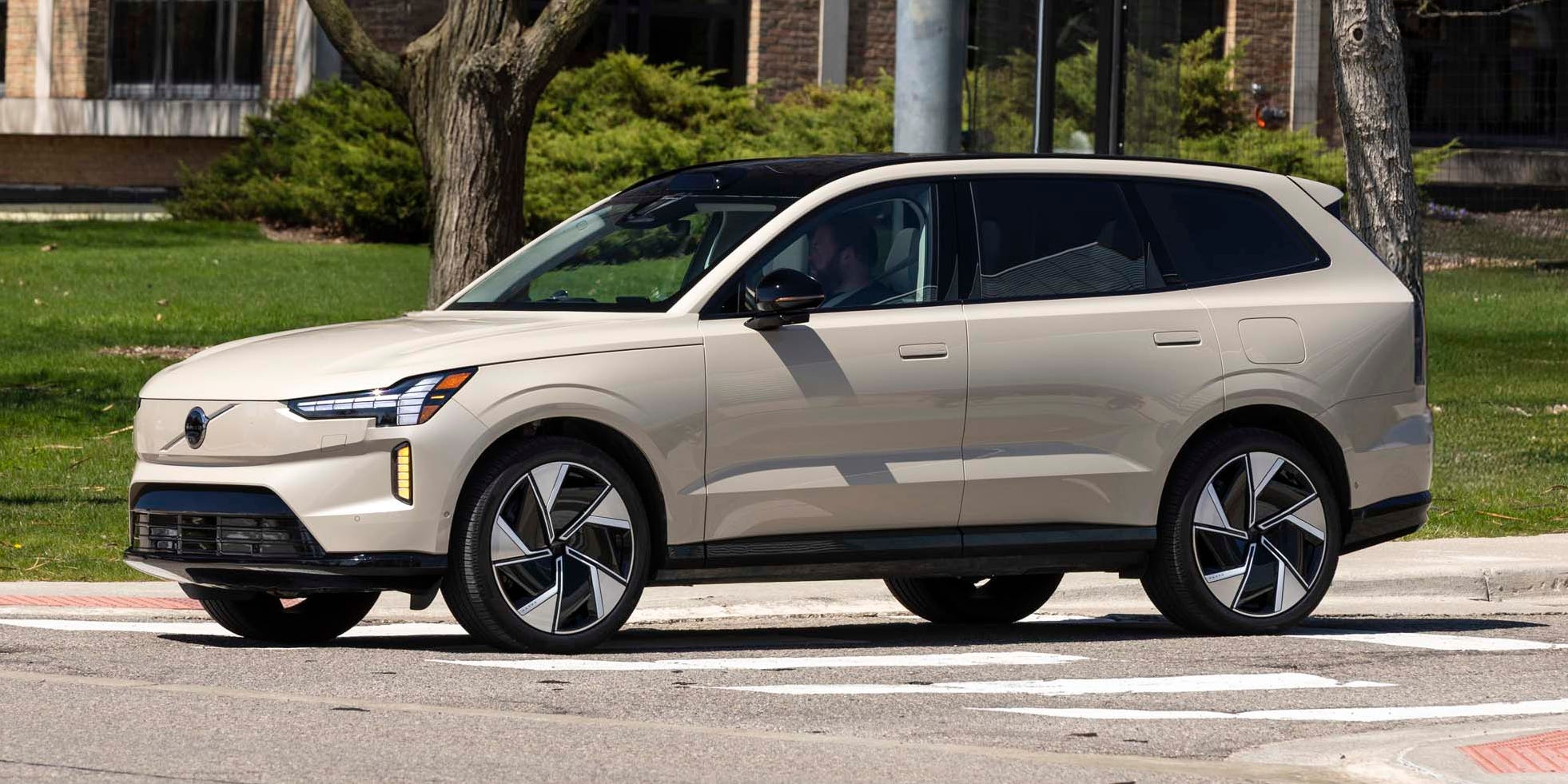
The seven-seat case, and who it’s wrong for
This is where the EX90 earns its keep. Three rows, a properly premium cabin, and Volvo’s whole safety identity built around the thing you’re most likely to be carrying: people you love. If you genuinely need seven seats and you want electric, the shortlist is short — EX90, Kia EV9, and not a great deal else at this size and finish. It also sits at the family end of the same premium-EV decision tree as our best premium electric SUV shortlist, where monthly cost matters as much as badge.
But be ruthless with yourself on the trim ladder. The Single Motor Core at £73,160 gives you the range, the space and the safety story. Climb to a launch-style Ultra Twin Motor near £96,000 and you’re buying badge and pace, not fundamentally more family car. For most households doing the school run and the occasional long haul, the cheaper motor is the smarter motor — and I mean that in the John Lewis sense of buying well, not buying least.
Here’s the used-buyer angle I can’t ignore, though: those launch Twin Motor cars that stickered at £96,255 in 2023 are now filtering onto the used market, and early adopters of a £90k-plus EV rarely get their outlay back. So the comparison I’d actually run in 2026 isn’t only Core versus Twin Motor on Volvo’s new-car list — it’s a new Single Motor Core against a two- or three-year-old launch Ultra with the bigger-badge kit and the same 107kWh pack. Confirm the service history, check the 8-year battery warranty still has years and miles to run and transfers to you, and price that used car honestly against the £73,160 floor before you assume the new base car is automatically the buy.
Who should walk away? Anyone whose “seven seats” is really “five seats and boot space twice a year” — a two-row EV will save you weight, money and range anxiety. And anyone whose driveway can’t take a 7kW home charger, because feeding a 107kWh pack off public rapids alone will erase a chunk of the running-cost case that makes an EV worth it in the first place.
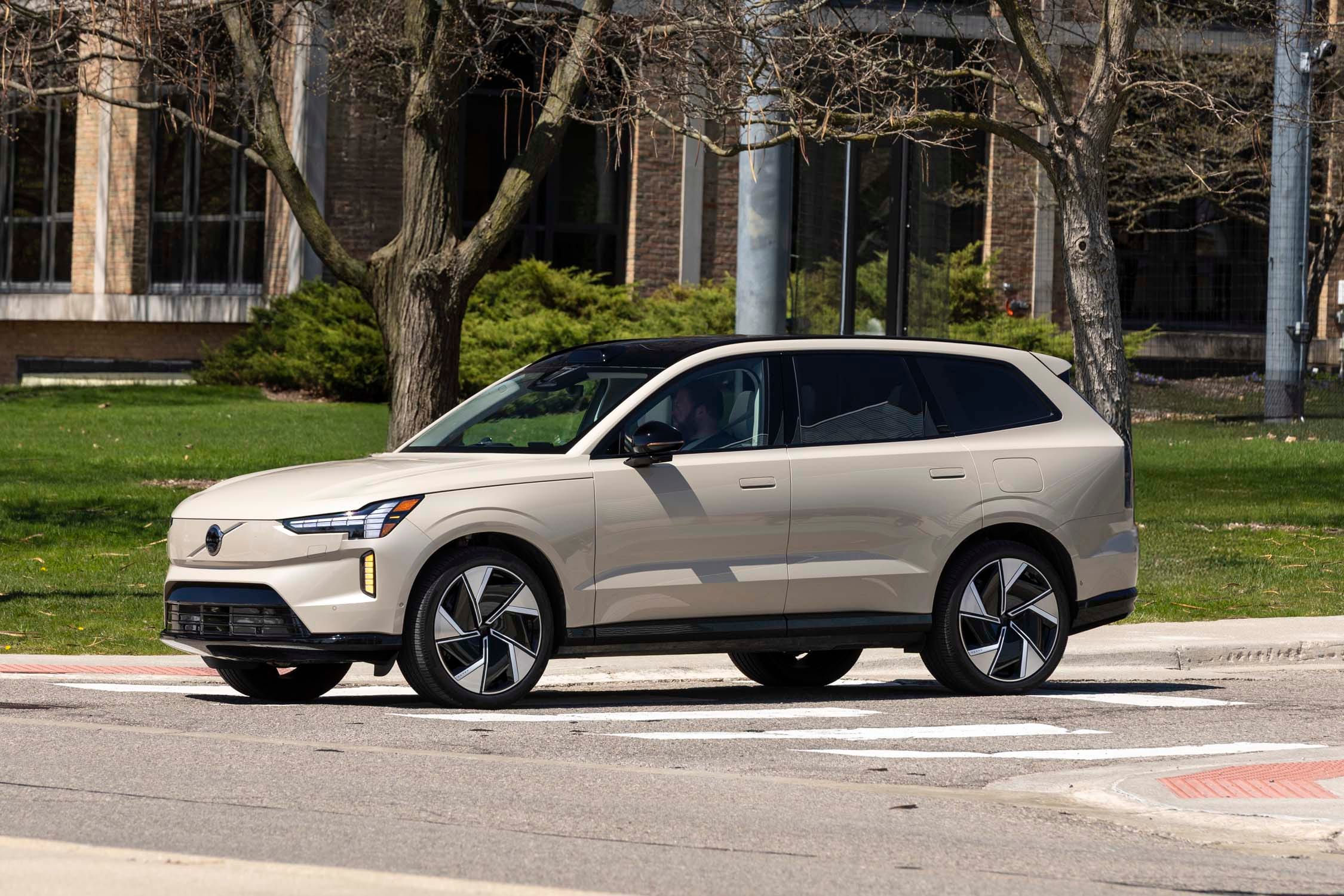
What I’d do with £75,000 and three car seats
I’d buy the Single Motor Core, fit a home charger before the car arrives, and plan my life around 290–300 real miles rather than 351 official ones — unless a used launch Twin Motor with a clean history came in far enough under new money to make the bigger battery the bargain. That’s the EX90 at its most sensible: a quiet, safe, genuinely seven-seat electric Volvo bought at the price that makes it make sense, not the price that makes it show off.
What would change my mind? A meaningfully cheaper Kia EV9 deal, or a home-charging situation you can’t fix — either of those tips the balance. Short of that, if you need seven electric seats in 2026 and you can stretch to the low seventies, this is the one I’d have on the driveway. Just buy the version you’ll actually drive, not the one on the poster.
Buyer action
EV and salary-sacrifice checks
Use this as the final check before paying a deposit, signing finance paperwork or relying on a headline monthly figure.