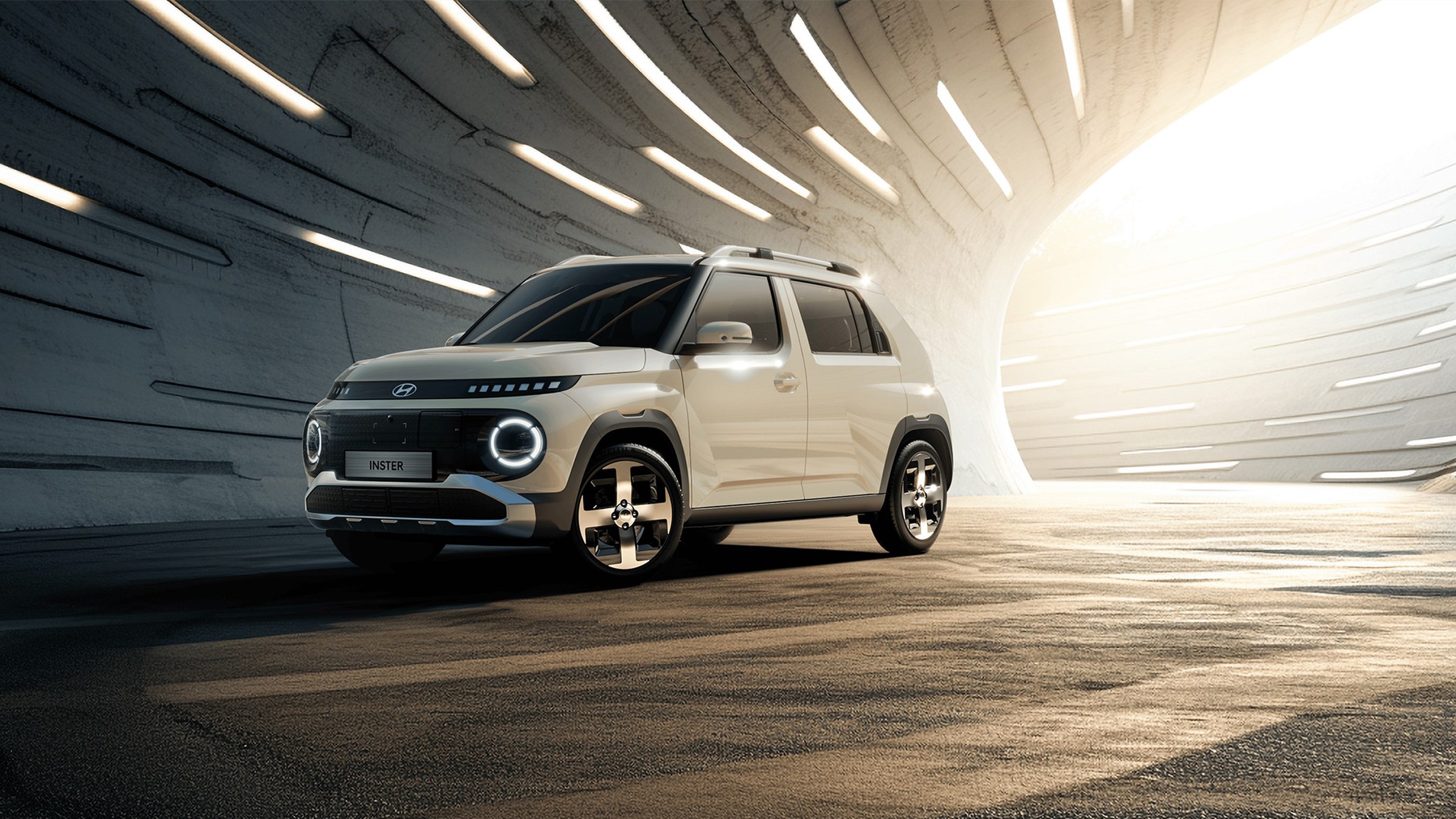
The Hyundai Inster has been on UK roads since its 2025 launch, and after a year of strong reviews from What Car and Autocar it has become the small electric car I get asked about most. It is genuinely funky, far more practical than its footprint suggests, and priced from £23,505, with Hyundai’s own discount pulling the entry car close to £20,000. Before you sign, though, three decisions really settle whether you have bought well: which battery, which trim, and whether that headline discount is the bargain it first looks.
| The Hyundai Inster range at a glance | |
|---|---|
| Inster 01 (Standard Range) | from £23,505 |
| Battery and power (Standard Range) | 42kWh, 95bhp |
| Range (Standard Range, WLTP) | up to 203 miles |
| Long Range (49kWh, 113bhp) | up to 229 miles, +£1,550 |
| Inster Cross (rugged trim) | from £28,755 |
| Sources: Hyundai UK and What Car, checked 22 June 2026. | |
What you actually get for the money
At £23,505 the entry Inster 01 is not the cheapest electric car in Britain, and Hyundai would not want me to pretend otherwise. What it is, on the evidence of a year of road tests, is one of the best resolved. Carwow handed it a Highly Commended in the Urban Living category of its 2025 awards, and the consistent thread through the reviews is that the Inster feels like a properly engineered small Hyundai rather than a stripped-out city runabout. Even the base car gets a 10.25-inch driver display and touchscreen, adaptive cruise and a reversing camera, which is more than some rivals charge extra for.
It is backed, too, by Hyundai’s five-year unlimited-mileage warranty and an eight-year battery warranty, which is exactly the safety net a first-time EV buyer should want and longer than several rivals offer. That cover travels with the car if you sell within the term, so it protects the resale value as much as it reassures the first owner.
It also sits a long way below the price thresholds that catch pricier electric cars out. There is no danger here of straying into the EV dead zone where cars are too expensive for help and too cheap to feel special, and the Inster is nowhere near the expensive-car VED supplement. Every pound of the list price is going on the car, not on tax you will pay later.
Standard Range or Long Range: the battery I would choose
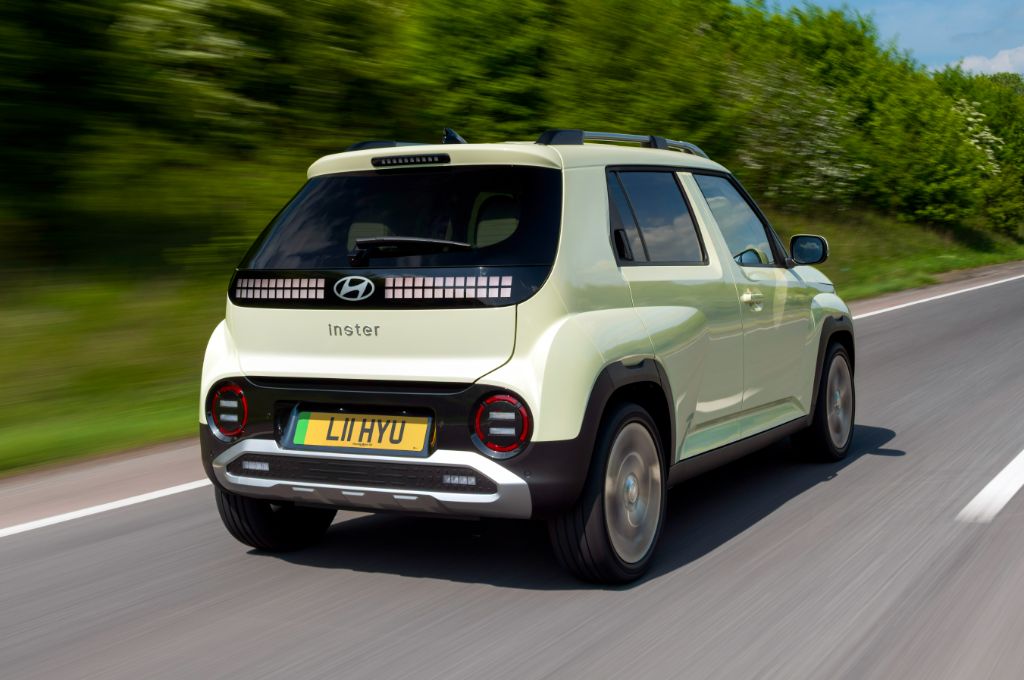
This is the decision most buyers get wrong, in both directions. The Standard Range car pairs a 42kWh battery with a 95bhp motor for an official 203 miles. The Long Range steps up to 49kWh and 113bhp for 229 miles, and costs £1,550 more. If your life is school runs, shops and a town commute, the smaller battery is honestly all you need, and the lighter car feels the perkier of the two around a city. The £1,550 is better spent on trim.
If, on the other hand, you do a regular longer hop, a 60-mile round commute or the occasional motorway run to see family, pay for the Long Range. The extra 26 miles of official range matters less than the bigger buffer it gives you in winter, when a small battery loses range fastest. The sweet spot most reviewers land on, and the one I would buy, is the Long Range in mid-spec 02 trim.
The Hyundai Inster’s real party trick is space
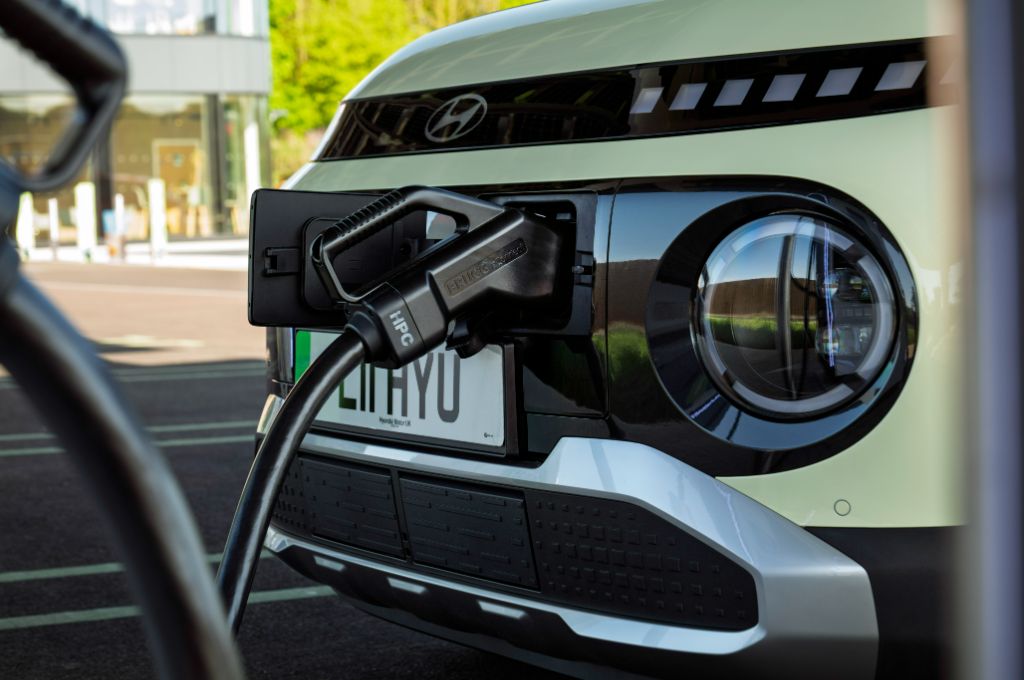
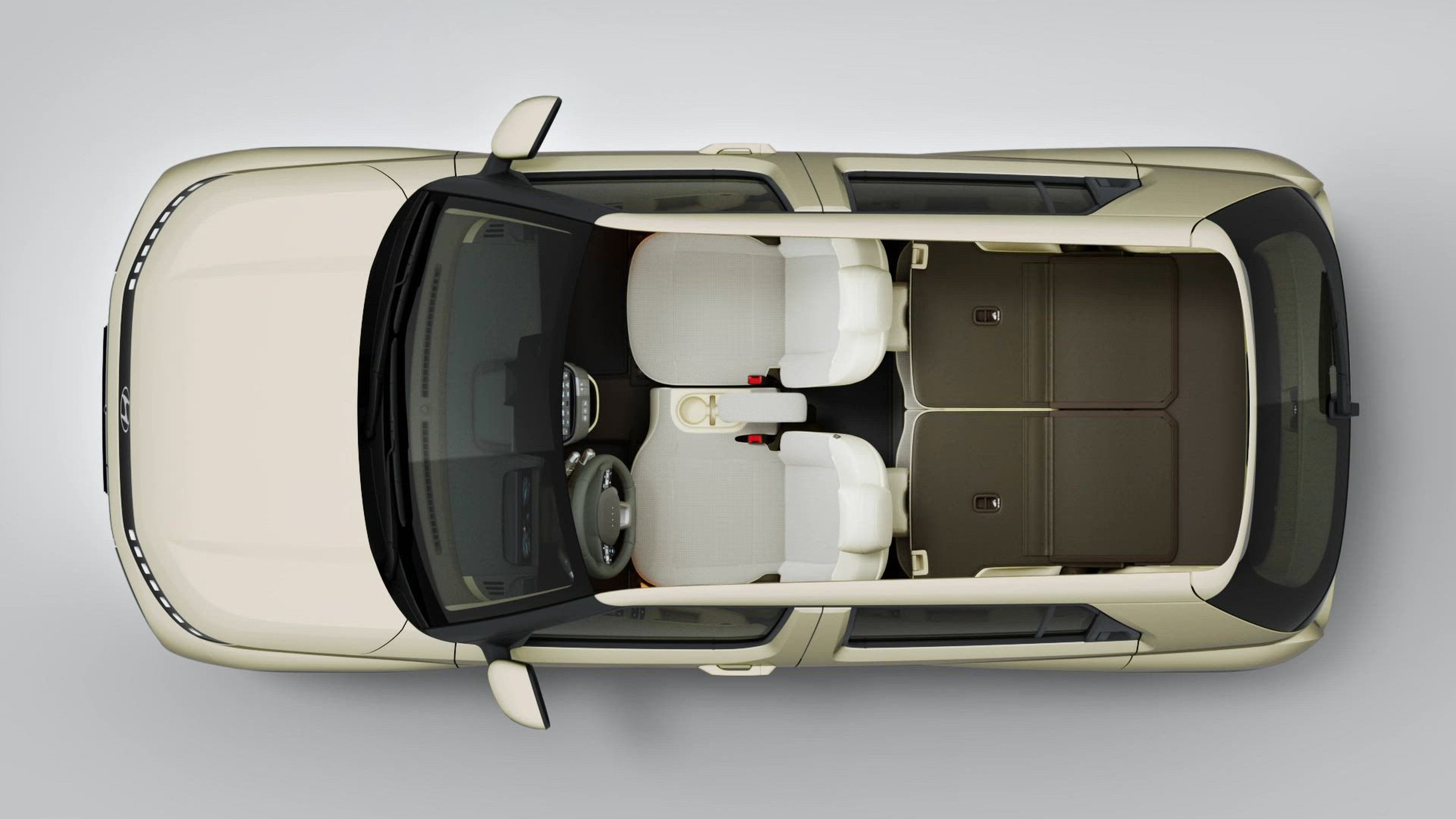
This is where the Inster stops being just another small EV. At roughly 3.8 metres long it is only a touch bigger than a Fiat 500e, yet the rear seats slide, recline and fold individually, and the front seats fold nearly flat. The result is a cabin that swallows far more than the exterior promises, whether that is two adults with real legroom or a boot extended for a flat-pack run. For anyone downsizing from a bigger car who is nervous about losing practicality, this is the feature that does the reassuring.
At 3.8 metres it is barely bigger than a Fiat 500e, yet it carries people and luggage like a car from the class above.
Running costs: where a car this small quietly wins
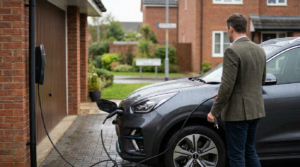
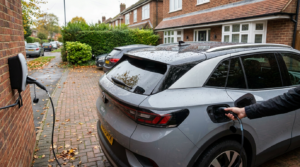
A small battery is cheap to fill. On a typical overnight EV tariff the 42kWh pack costs only a few pounds for a near-full charge, which is the heart of the case for going electric at this end of the market; the gap between charging at home and topping up on public rapid chargers is the single biggest variable, and I have set it out in CDE’s guide to EV running costs at home versus public prices. Insurance is the other pleasant surprise: a city car with modest power sits in low groups, so it dodges the premiums that sting bigger, faster electric cars.
On road tax, the Inster pays the standard rate that now applies to electric cars, so factor in what EV drivers pay in VED since the rules changed in 2025. None of it is expensive, but it is no longer free, and it belongs in your monthly figure alongside the charging. Run honestly, an Inster is cheaper to keep on the road than almost anything with an engine, and noticeably cheaper than a used Kia Niro EV a size up.
The £3,750 question, and why I would read the small print
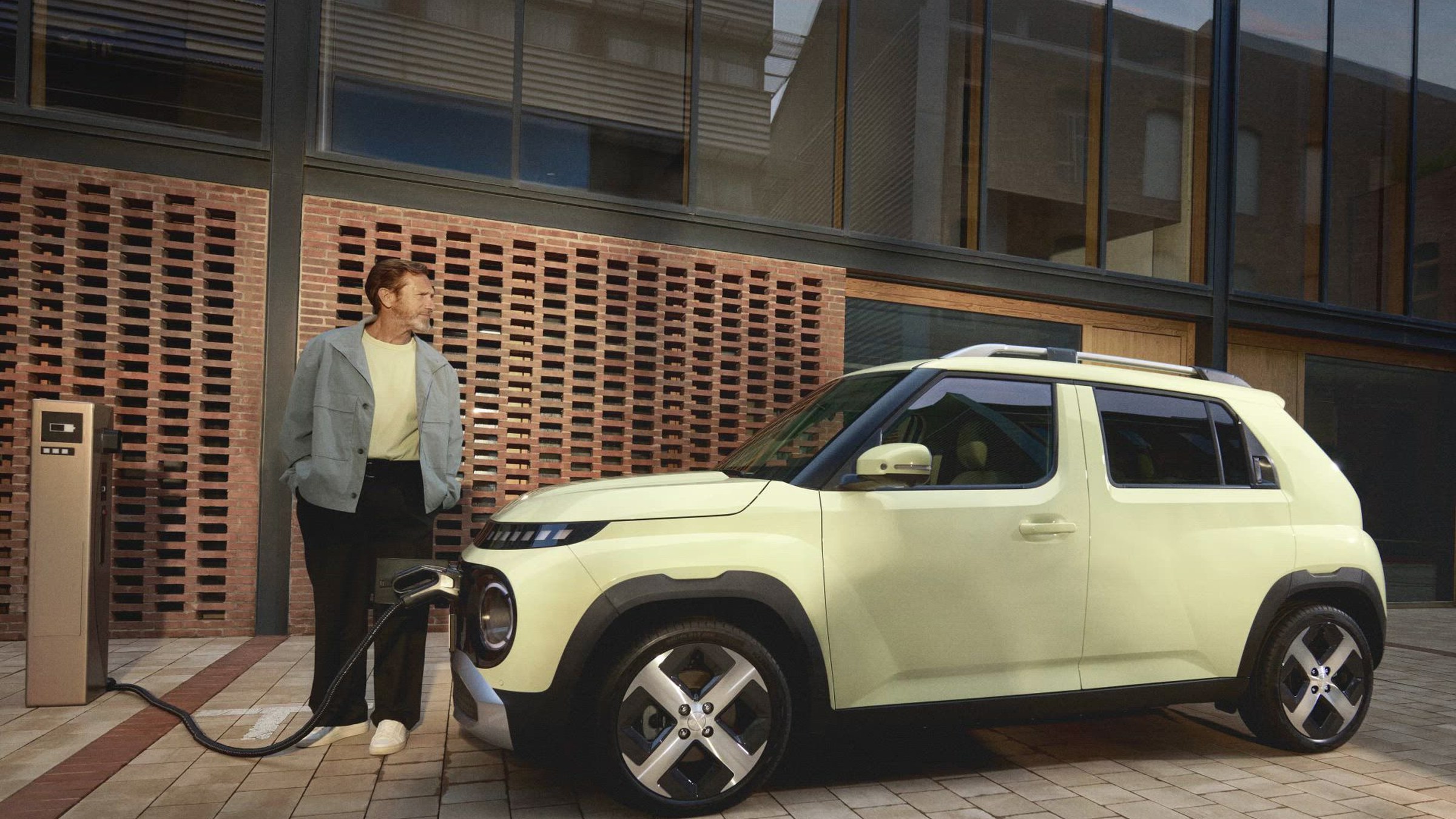
Here is the bit that needs care. The Inster does not appear on the government’s Electric Car Grant list the way some rivals do, so it does not get the state-backed money off. Instead, Hyundai has been running its own offer worth up to £3,750, which has pulled the entry car close to £19,755. That is a genuine saving and I am glad it exists, but it is a manufacturer discount, not a government grant, and manufacturer discounts can change or end at short notice in a way the official scheme cannot. So before you build your sums around the sub-£21,000 figure, confirm with the dealer that the offer is still running on the exact trim and battery you want. You can check the current car and specifications on Hyundai UK’s Inster page.
Who I would point at an Inster, and who I would send elsewhere
For a one-car household in a town or city, a first-time EV buyer, or anyone downsizing who refuses to give up practicality, the Inster is one of the easiest recommendations I can make right now. Buy the Long Range 02, confirm Hyundai’s discount is live, and you have a clever, well-equipped electric car that will cost very little to run. The people I would steer away are high-mileage motorway drivers, who should spend more on a bigger-battery car, and anyone seduced purely by the sub-£21,000 headline: if that discount has lapsed by the time you walk in, the maths changes, so check first and decide on the real price in front of you.
Our score: 8.5/10
How we researched this guide
Every pick here is shortlisted from hands-on testing and time spent living with the hardware by the CDE desk, then sanity-checked against current UK pricing, manufacturer specs and real-world performance before it makes the cut. We never rank for commission — affiliate links don't change the order.
Buyer action
Where to check next
Use this as the final check before paying a deposit, signing finance paperwork or relying on a headline monthly figure.