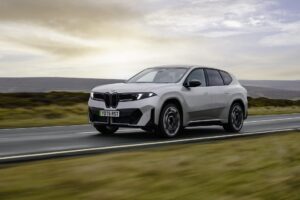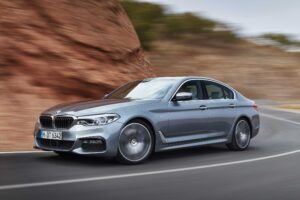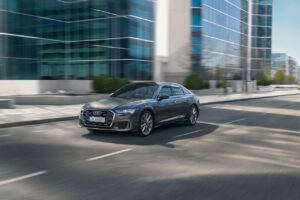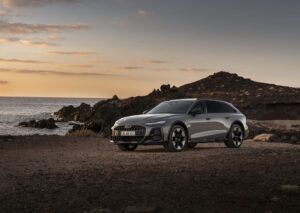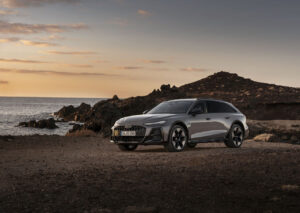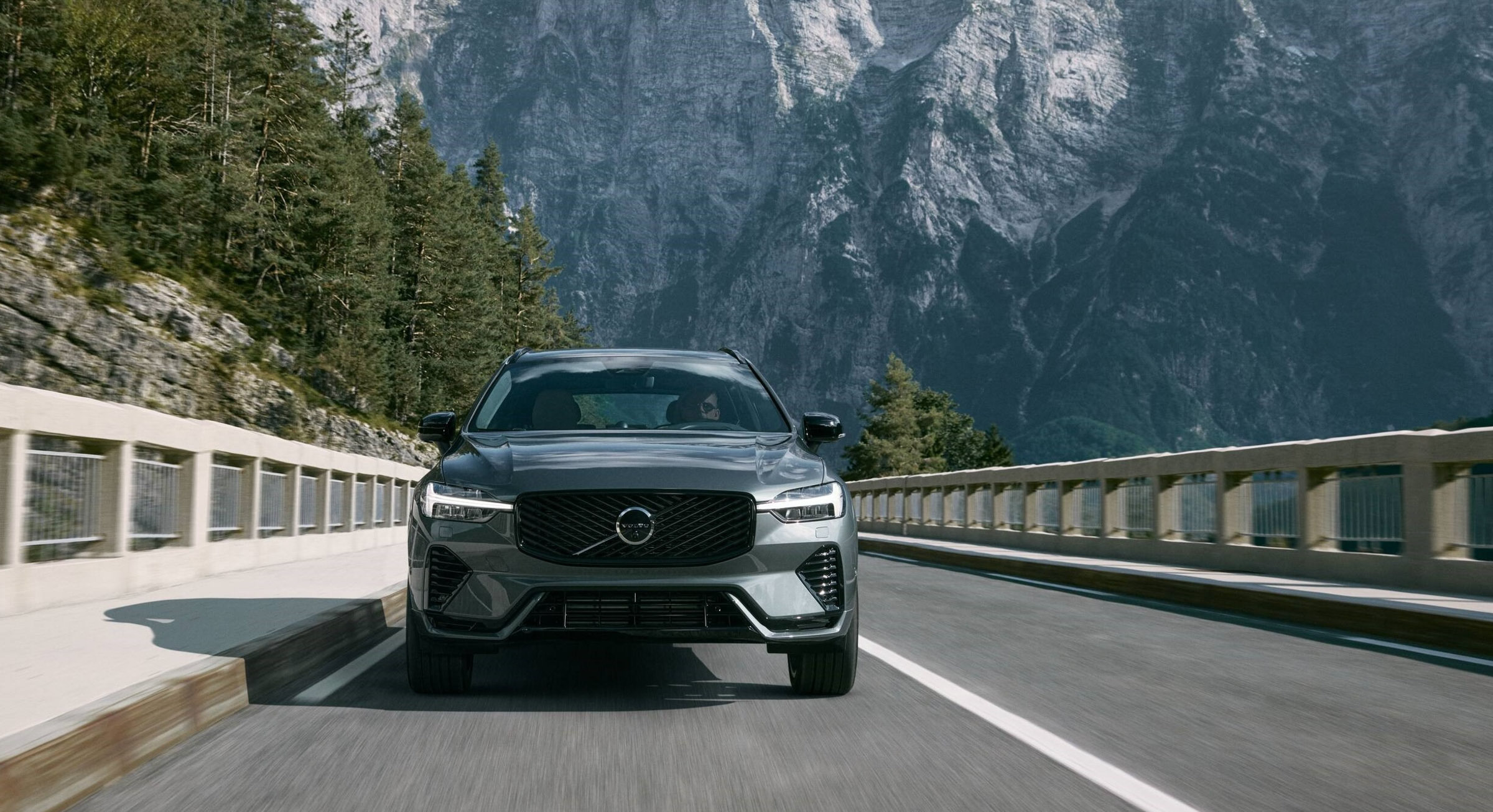
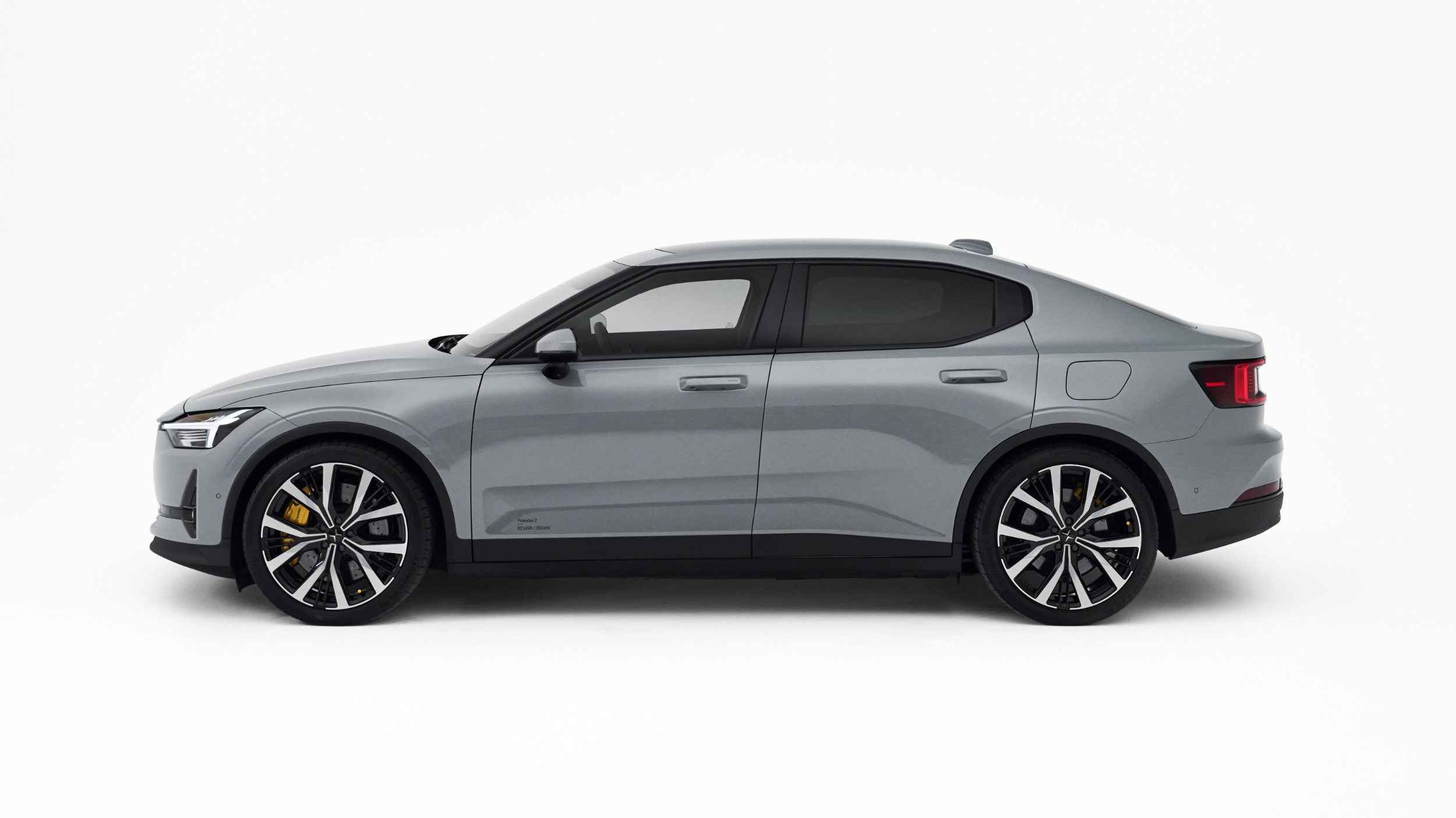
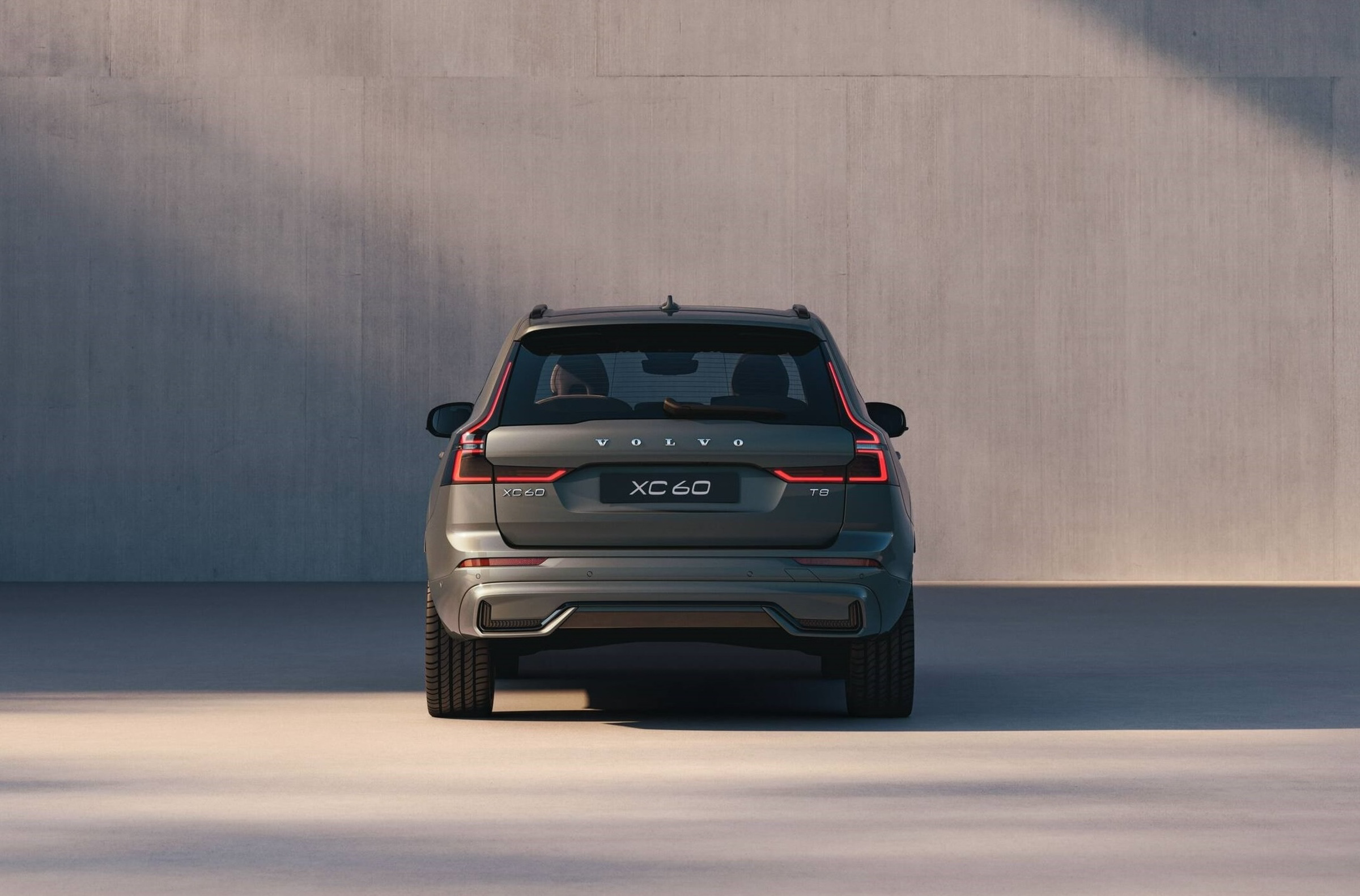
Used premium PHEV vs EV is the question splitting UK premium buyers in 2026, and the honest answer turns on one thing: whether you can charge at home. A used plug-in hybrid such as a Volvo XC60 T8 or BMW X5 xDrive50e usually costs less to buy than an equivalent used electric Polestar 2 or Volvo EX40, but it can cost far more to run if the battery rarely sees a plug. We have weighed purchase price, depreciation, running cost, company-car tax, charging and range, used reliability and insurance to name the overall winner for your situation.
This is general information, not personal financial, tax or legal advice; figures depend on your circumstances and the rates current when you read this. CDE has not independently driven or inspected every individual vehicle referenced. Always confirm current rates with the cited gov.uk, HMRC or FCA source before you commit.
What real owners say (CDE data)
- Most-praised aspects: EV owners report low per-mile cost on home charging, quiet refinement and one-pedal town driving; PHEV owners praise the petrol backstop on long motorway runs and no range anxiety on a UK road trip.
- Most-criticised aspects: PHEV owners who cannot charge regularly report real-world economy far below the official figure; EV owners flag public rapid-charging cost and slower depreciation recovery on early cars.
- Reliability signal: Honest John Real MPG data shows hybrids and plug-in hybrids return roughly 70% of their advertised economy on average, with the BMW 330e among the weakest at about 37% of its official figure when run on petrol; used premium EV battery cover is typically 8 years or 100,000 miles to a 70% state-of-health threshold across Volvo, Polestar and BMW.
How the premium PHEV vs EV comparison is scored
We run this as seven rounds, each naming a winner, then a final verdict. The used PHEV in the dock is the plug-in hybrid premium SUV and saloon set: Volvo XC60 T8, BMW X5 xDrive50e, BMW 330e, Mercedes GLC 300e. The used EV side is the premium electric set a similar buyer shortlists: Polestar 2, Volvo EX40, BMW i4, Tesla Model 3. The deciding variable in nearly every round is your charging access and annual mileage, so we score for the typical UK premium buyer doing 10,000 to 14,000 miles a year with a home wallbox, then flag where that flips. If you are weighing a payroll EV instead of a private purchase, our Volvo EX40 salary sacrifice analysis shows how the company-car route changes the maths entirely.
| Criterion | Used premium PHEV | Used premium EV |
|---|---|---|
| Typical used buy price (clean 2021-2022) | £28,000-£42,000 | £22,000-£38,000 |
| Electric-only range | 30-55 miles claimed (less in cold) | 200-330 miles claimed |
| Real-world economy if not charged | ~30-45 mpg petrol | n/a (always electric) |
| Company-car BiK 2026/27 | Depends on CO2 + electric-range band (gov.uk Appendix 2) | 4% (zero-emission rate) |
| Battery warranty | Usually 8yr/100k on the hybrid battery | 8yr/100k to 70% capacity |
Round 1: purchase price
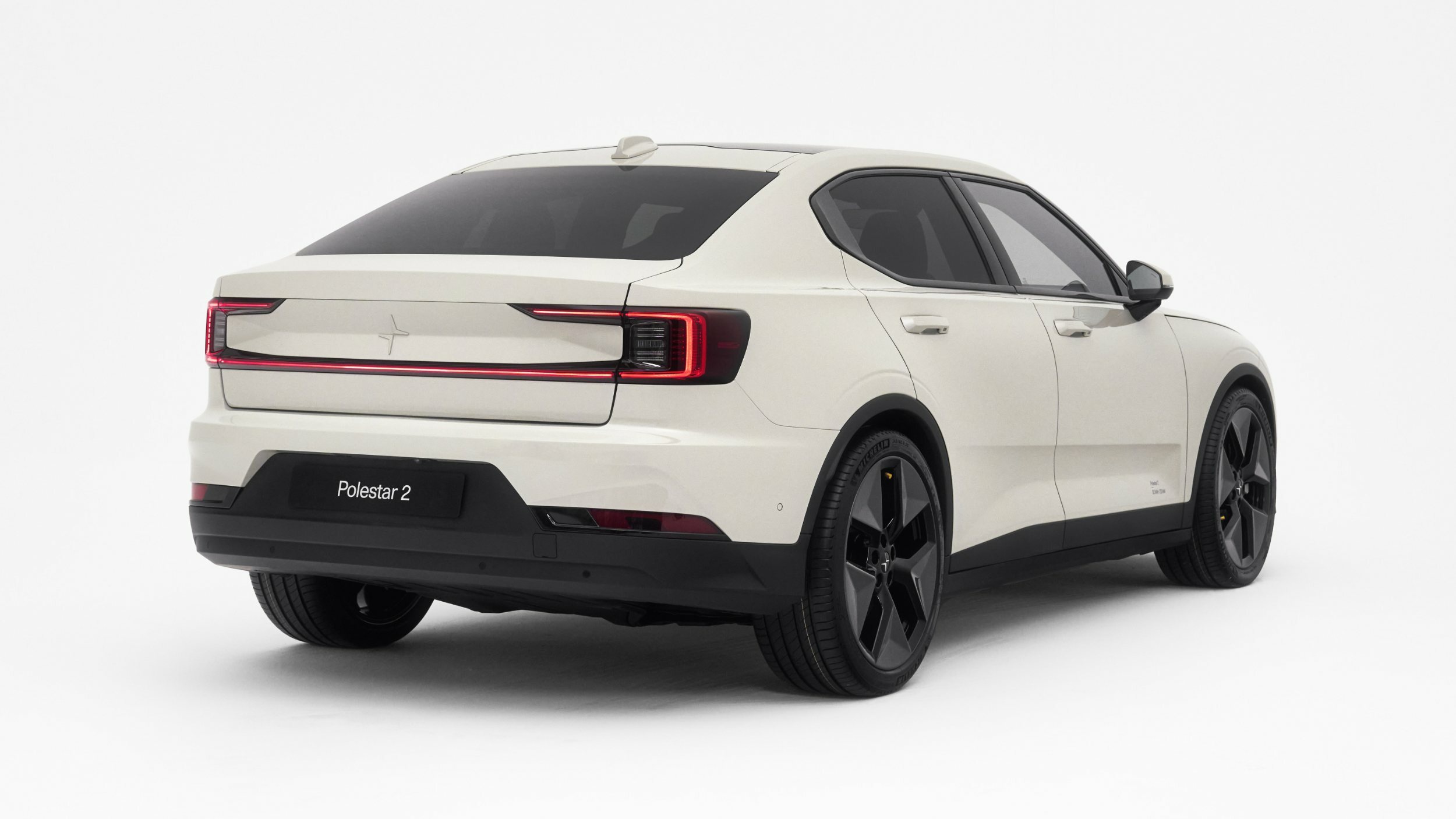
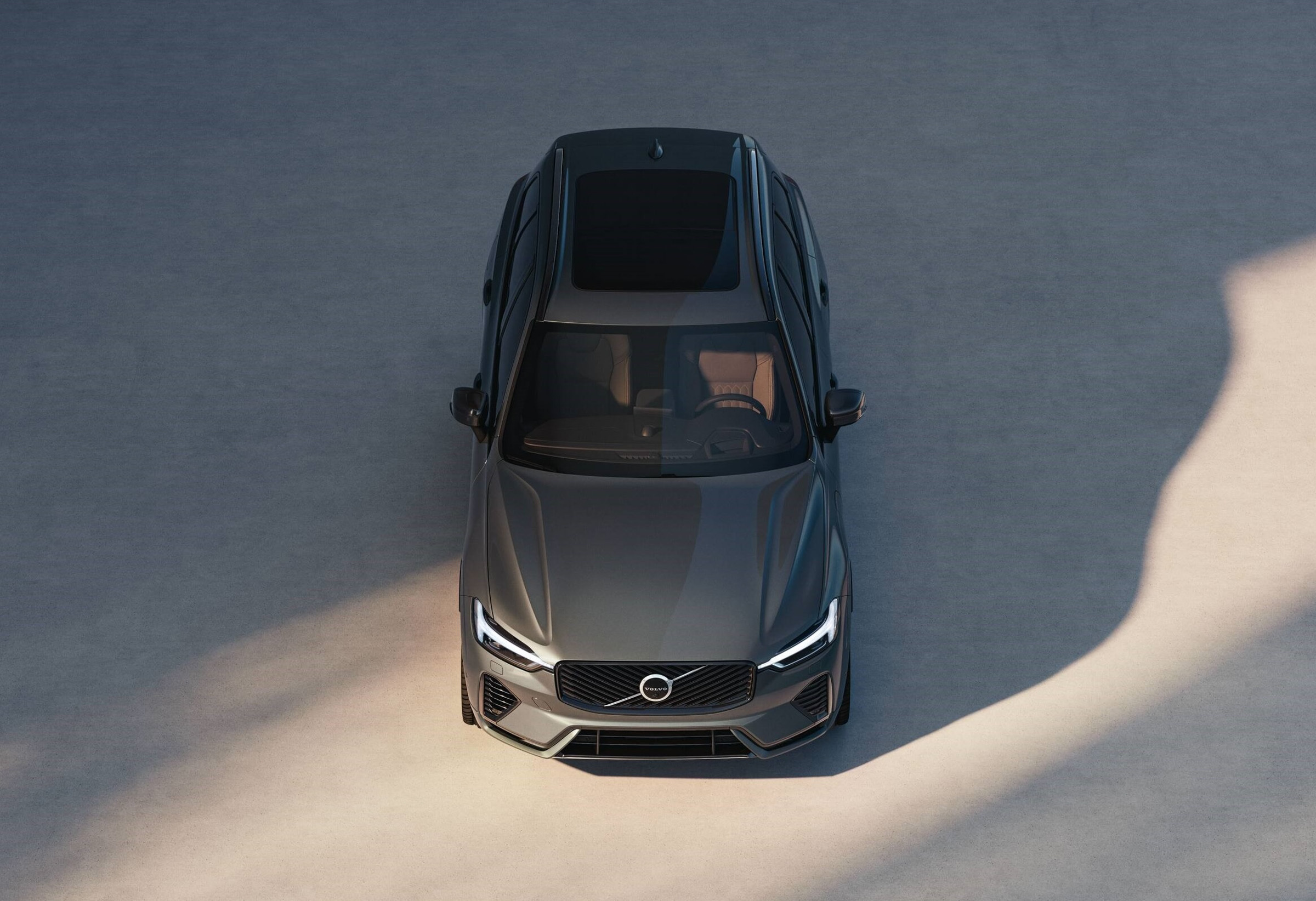
On used forecourt price, the plug-in hybrid usually wins. A clean 2021 Volvo XC60 T8 Recharge with full Volvo service history sits in the high £20,000s to low £30,000s in mid-2026, and a 2021 BMW X5 xDrive50e lands in the £40,000s. The equivalent used EV is often a little cheaper now because electric values fell hard between 2022 and 2024: per the Auto Trader Retail Price Index, used EV prices ended 2025 down 7.4% year on year with the average used EV near £24,000. So a used Polestar 2 or Volvo EX40 can undercut a premium PHEV SUV on headline price. The catch is mix: the PHEV money buys you a larger, plusher SUV body, while the EV money buys a smaller saloon or compact crossover. Round 1 winner: PHEV on like-for-like body size; EV on absolute lowest entry price.
Round 2: depreciation and resale
Depreciation is where the story changed in 2026. Used EVs took the brunt of the 2022-2024 correction, but Auto Trader’s index shows the market has steadied: April 2026 used EV values rose 3% month on month, outperforming the wider used market, with retailer demand up 59% year on year. That suggests a used EV bought now is less likely to keep falling than one bought two years ago. Premium PHEVs have held value more smoothly through that period, but they face a different headwind: tightening company-car rules and falling appetite as fleets move to pure electric, which softens future demand. Round 2 winner: PHEV for recent stability, but EV for the better forward trajectory now prices have bottomed.
Round 3: running and fuel cost
This round is decisive and it depends entirely on charging. Charged nightly on a home tariff, a used EV is the cheapest premium car here to run per mile, and an XC60 T8 driven mostly on its 30-to-50-mile electric range is nearly as cheap. Leave the PHEV uncharged and it becomes a heavy petrol SUV: Honest John Real MPG data shows plug-in hybrids average roughly 70% of their advertised economy, and the worst, including the BMW 330e at about 37% of its official figure, barely beat a conventional petrol once the battery is flat. The EV has no such failure mode; its cost varies only between cheap home charging and pricier public rapid sessions. Our coverage of the held June 2026 advisory fuel rates shows the EV reimbursement rate staying low while petrol rates rose. Round 3 winner: EV, clearly, unless you genuinely plug the PHEV in most days.
Round 4: company-car BiK and tax
If you take the car through a company or salary-sacrifice scheme, the tax gap is enormous and it favours the EV. For 2026/27 the zero-emission company-car benefit-in-kind appropriate percentage is 4%, read from our dated rates source and confirmed against HMRC’s published schedule. A plug-in hybrid does not get a single rate: per gov.uk Appendix 2, a car emitting 1 to 50 g/km is banded by its electric-only range, so a short-range PHEV can sit several times higher than the 4% EV rate, and a longer-range one lands in between. For a private used buyer the tax that bites is VED, not BiK, but anyone routing the car through payroll should note the BiK rate is rising; our salary-sacrifice EV 2028 BiK lock-in guide explains why locking a term early matters. Round 4 winner: EV, by a wide margin, for any company-car or sal-sac buyer.
Round 5: charging and real-world range
Range and charging is the round the PHEV was designed to win, and for a specific buyer it does. If you have no off-street parking, no workplace charging and a long regular motorway commute, the plug-in hybrid removes range anxiety because it always has a petrol tank to fall back on. A used Polestar 2 or BMW i4 with 200 to 300 real miles covers most UK driving on a home charge, but a buyer who cannot charge at home is the one person who should not buy an EV yet, and equally should not buy a PHEV expecting low cost. For the typical premium buyer with a wallbox, the EV’s longer electric range and faster rapid charging beat the PHEV’s short electric envelope. Round 5 winner: PHEV for the no-home-charging long-distance driver; EV for everyone with reliable charging.
Round 6: used reliability and battery health
On used reliability the two have different risk shapes. A premium PHEV carries both a combustion engine and a high-voltage system, so there is simply more to go wrong: cooling, the smaller traction battery, the engine and the gearbox all age. A used EV has far fewer moving parts, and its main risk is battery degradation, which is precisely what the manufacturer warranty addresses. Volvo, Polestar and BMW all cover the drive battery for 8 years or 100,000 miles to a 70% state-of-health floor, so a 2021 used EV still inside that window carries a safety net a private PHEV engine does not. Read the wording carefully, as our EV battery warranty explainer sets out. The plug-in hybrid traps we flag in the Range Rover Evoque used guide apply across the PHEV class. Round 6 winner: EV, for fewer failure points and a transferable battery warranty.
Round 7: insurance and standing costs
Insurance can swing either way and is worth pricing per car before you commit. Premium EVs have carried higher premiums in recent years because specialist repair, battery handling and approved-bodyshop labour push claims costs up, though competition has eased that through 2026. A used PHEV is often grouped slightly lower than the equivalent EV, but it is mechanically more complex, so servicing and out-of-warranty repair can cost more. Standing costs also include tyres, where the heavier PHEV SUV and the instant-torque EV both chew through rubber faster than a petrol saloon. We would price cover on the exact registration with an insurer before deposit rather than trust a class average. Round 7 winner: narrow PHEV edge on premium, offset by higher mechanical repair risk; call it even.
Where to check the car and the numbers before you buy
Before you put down a deposit on either, run these checks. Pull the gov.uk MOT history to see advisories and mileage consistency. Run the DVSA recall lookup, which matters for several PHEV battery recalls. Cross-check used pricing on Auto Trader and PistonHeads for the exact trim and year. For a payroll car, confirm the current company-car rate on gov.uk and read the scheme rules. On an EV, ask for a battery state-of-health readout and confirm the 8-year/100,000-mile cover is still in date and transferable. Browse our full premium EV section for model-by-model used analysis, and on a PHEV, get the hybrid system and engine inspected by a brand specialist.
Our take: which used car wins
Our verdict on used premium PHEV vs EV: for most UK premium buyers with a home wallbox and average mileage, the used electric car wins. It is cheaper per mile, simpler to maintain, carries a transferable battery warranty, and now that values have steadied it is no longer the depreciation gamble it was in 2024. The plug-in hybrid wins for one buyer specifically: no reliable home charging, high motorway mileage, and a need for a large SUV body, where its petrol backstop earns its keep. The trap to avoid is buying a used PHEV for low running cost and then never charging it, because Honest John’s data shows that turns a premium plug-in into a thirsty petrol SUV. Decide on charging first, then on body size, and the right car names itself.
Our score: 8/10 (used premium EV)
Our score: 6/10 (used premium PHEV)