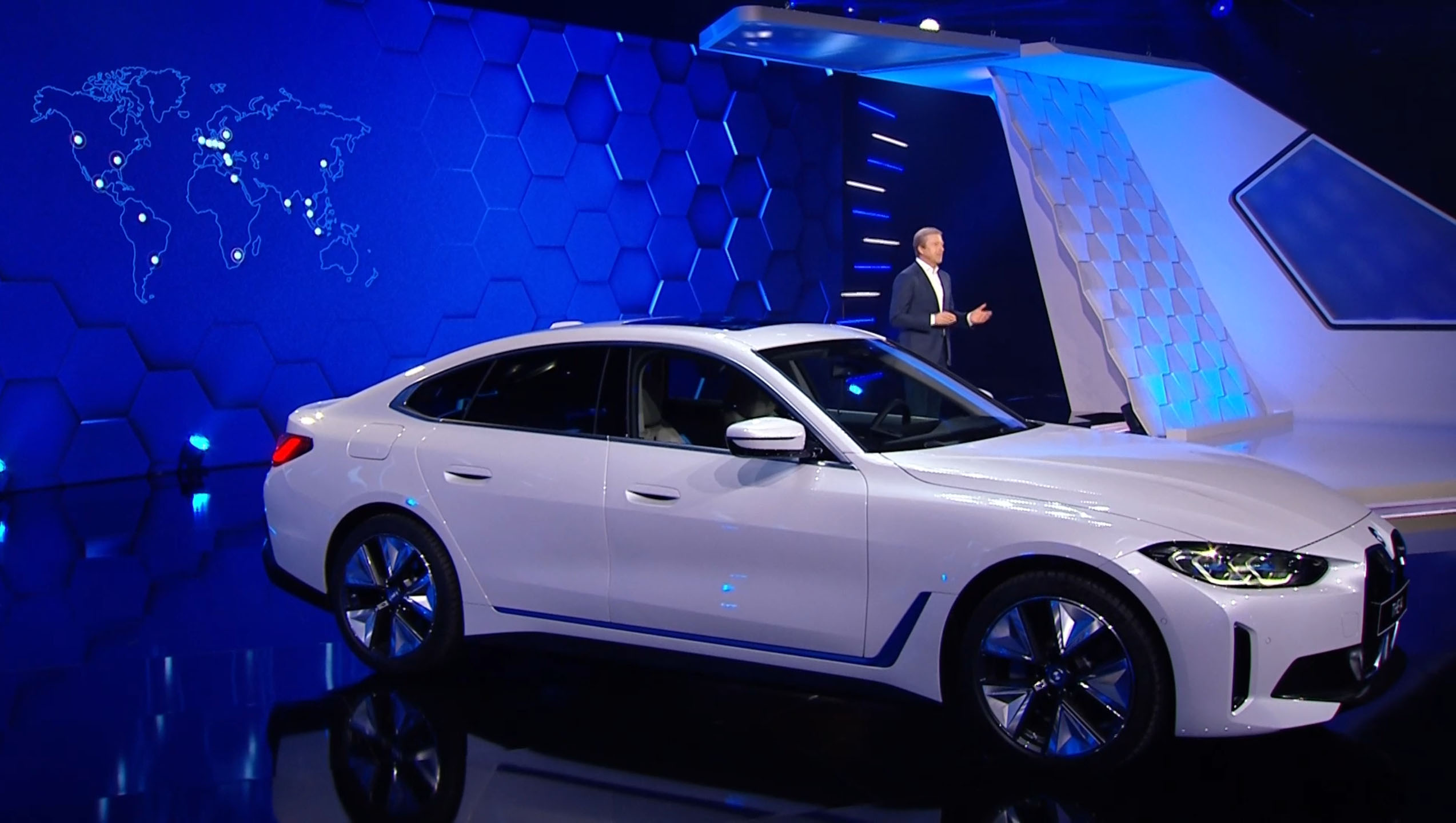
A BMW i4 salary sacrifice is one of the cheapest ways a UK higher-rate taxpayer can run a genuinely premium electric car in 2026, because the company-car benefit-in-kind rate on a zero-emission car is still just 4 per cent for the 2026/27 tax year. Sacrifice the lease cost from gross salary and you avoid income tax and national insurance on that slice of pay, while the tax on the car itself stays tiny. This guide shows how the maths works, which i4 trim makes it work hardest, and the small print that decides whether the deal is as good as it looks.
What the i4 sal-sac numbers really look like
The saving on any salary-sacrifice EV comes from two places: you stop paying income tax and employee national insurance on the sacrificed salary, and the benefit-in-kind tax you pay instead is tiny because the EV rate is so low. We have read the rate from the HMRC company-car schedule and worked the i4 example below from BMW UK list pricing; always re-run it on your own P11D and scheme quote.
- BiK rate, zero-emission cars 2026/27: 4 per cent, per the HMRC appropriate-percentage tables (checked 31 May 2026).
- Where the saving comes from: income tax and NI relief on the gross sacrifice, not the car tax.
- Biggest lever: the lower the trim’s P11D value, the lower the BiK bill, which is why the eDrive35 and eDrive40 beat the M50 on pure cost.
How BMW i4 salary sacrifice actually works
Salary sacrifice is an arrangement where your employer leases the car and you give up an agreed slice of gross salary to cover it. Because the sacrifice comes out before income tax and national insurance, a 40 per cent taxpayer effectively gets the car at close to 42 per cent off the equivalent personal-lease cost, before the small benefit-in-kind charge is added back. The only tax you pay on the car is that benefit-in-kind, calculated as the car’s P11D value multiplied by the appropriate percentage and then by your marginal income-tax rate.
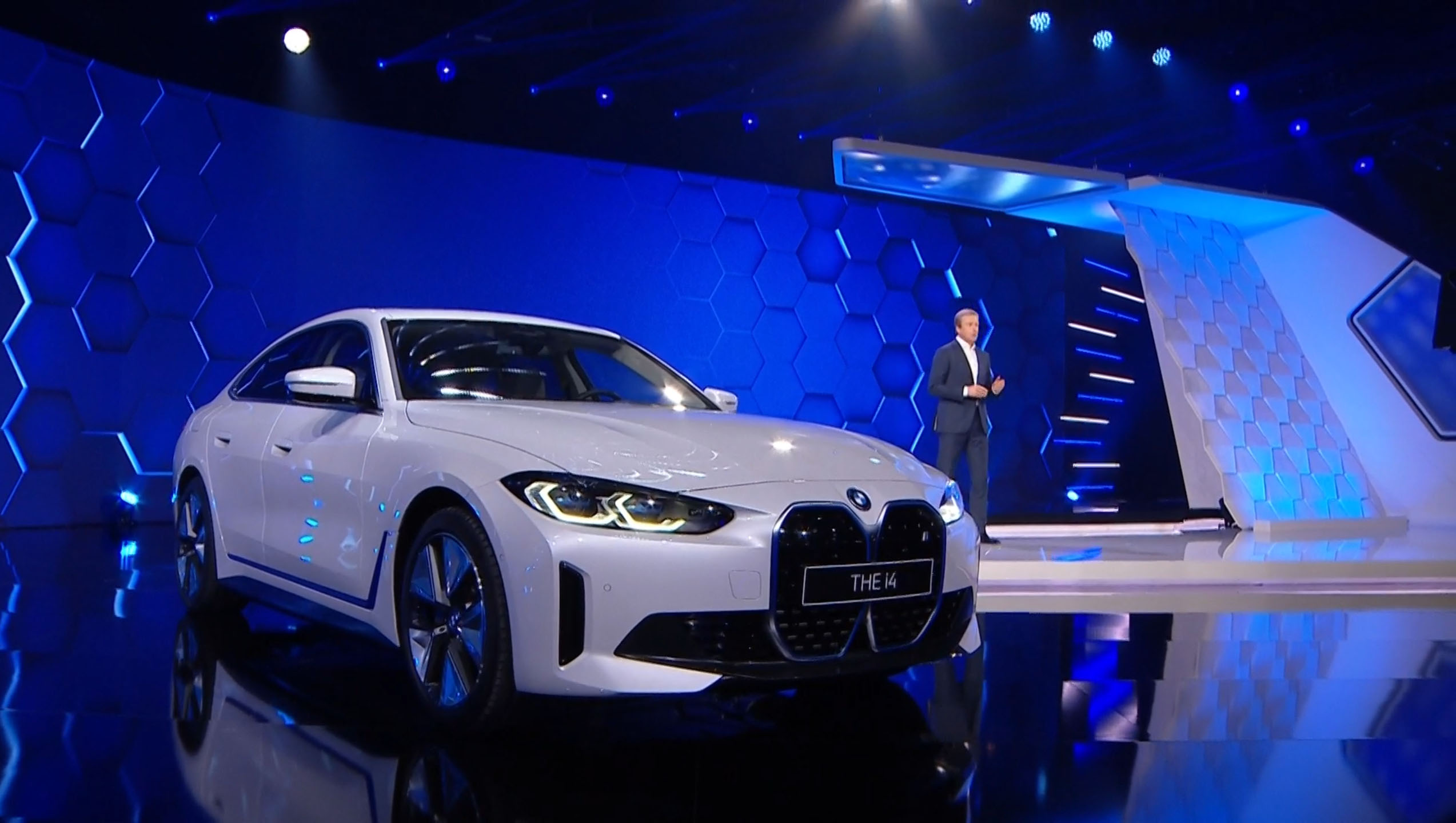
One important guardrail: salary sacrifice cannot take your gross pay below the National Minimum Wage, so a very expensive car on a modest salary may be capped or refused by the scheme. It also means the saving is largest for higher and additional-rate taxpayers, and more modest for a basic-rate employee.
The 4% BiK window and why timing matters
The reason 2026 is a good year to do this is the benefit-in-kind rate. Per HMRC’s published appropriate-percentage schedule, the zero-emission rate is 4 per cent for 2026/27, then rises to 5 per cent in 2027/28, 7 per cent in 2028/29 and 9 per cent in 2029/30. Those are still very low numbers next to a petrol company car, but they are climbing, so a fixed-rate scheme taken now locks in the cheapest years. We read these figures from the HMRC tables rather than quoting them from memory, and you should confirm the current year before signing.
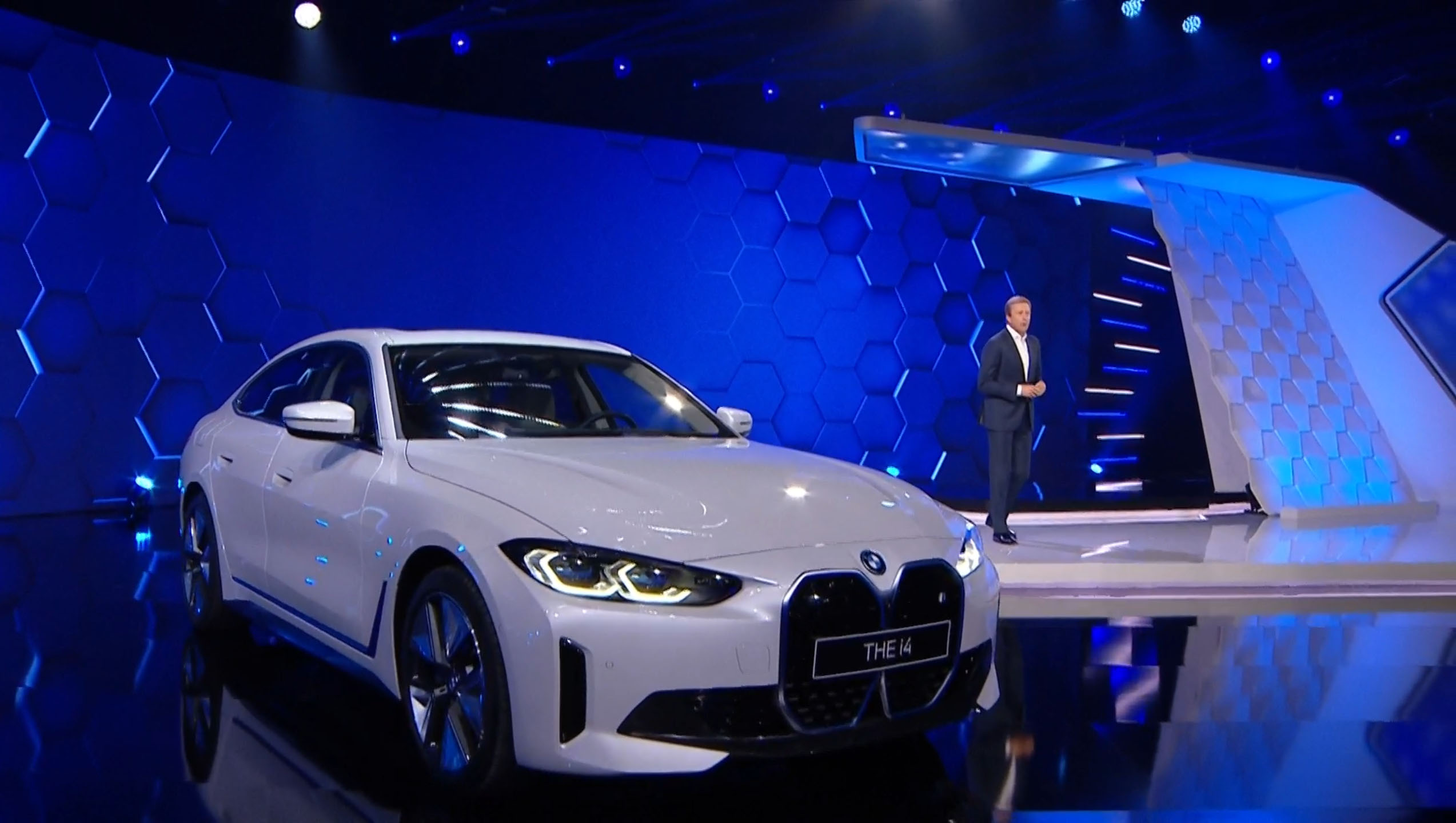
Which i4 trim makes the maths work: eDrive35, eDrive40 or M50
Because benefit-in-kind is a percentage of P11D value, the cheaper the i4 the smaller the tax bill. The rear-drive eDrive35 and the longer-range eDrive40 carry materially lower P11D values than the 500hp-plus M50, so they cost less in BiK and usually less in monthly sacrifice. Our view is that the eDrive40 is the sweet spot: it has the range most company drivers actually want, a sensible P11D, and it drives beautifully. The M50 is a wonderful thing, but you pay for its P11D every month, so choose it because you want it, not because you think sacrifice makes it free.
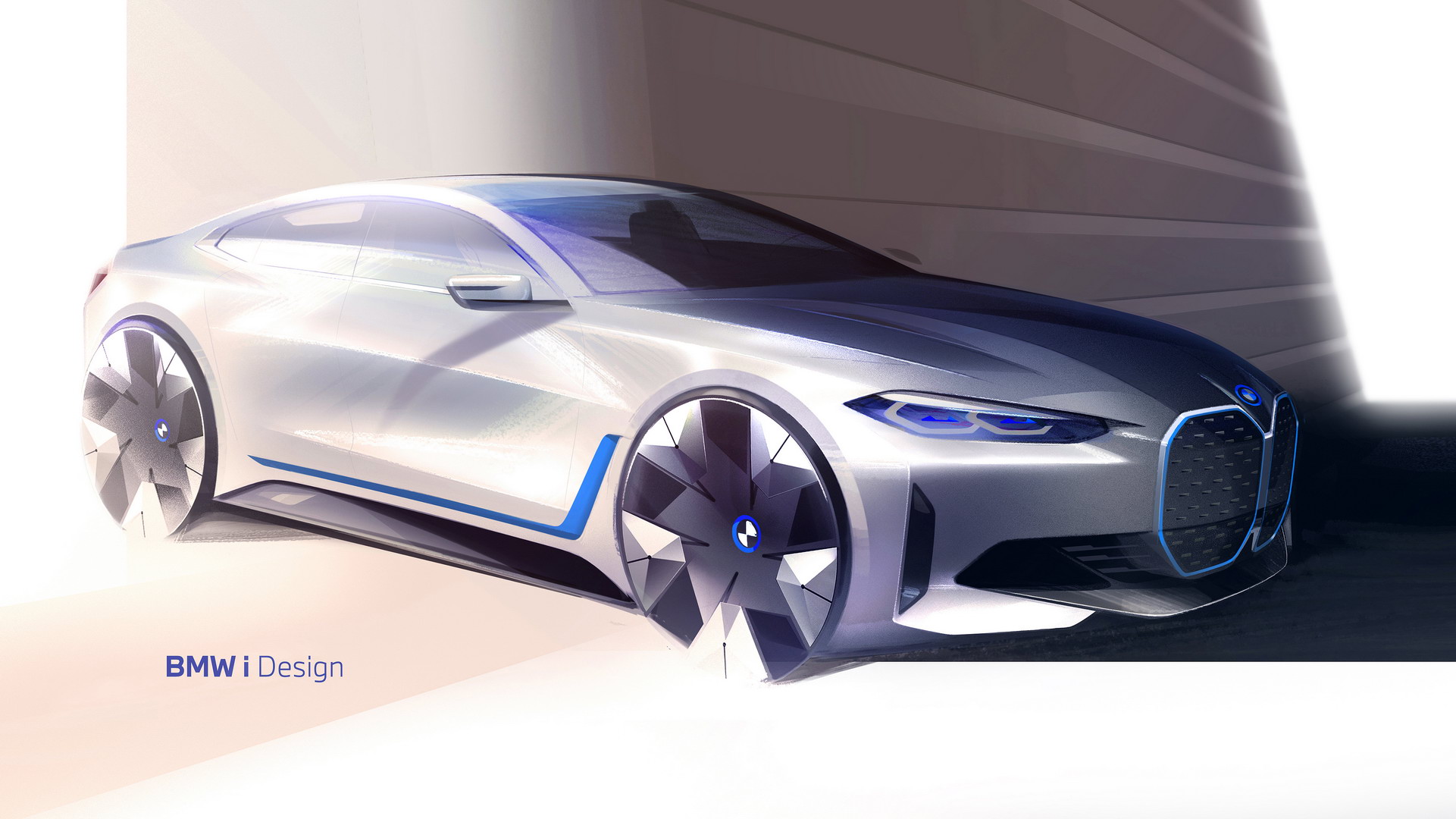
A worked example for a 40% taxpayer
Take an i4 eDrive40 with a P11D value of around £60,000 (use BMW UK’s current figure for your exact spec). At the 2026/27 rate of 4 per cent, the taxable benefit is £2,400 a year. A 40 per cent taxpayer therefore pays £960 a year, or £80 a month, in benefit-in-kind tax on the car itself. The bigger saving sits in the sacrifice: paying the lease from gross salary means a higher-rate employee avoids 40 per cent income tax and 2 per cent national insurance on that money, which is what makes the net monthly cost land well below an equivalent personal lease.
| i4 eDrive40 BiK (P11D ~£60,000, 4%) | Taxable benefit | BiK tax |
|---|---|---|
| Basic-rate (20%) taxpayer | £2,400/yr | £480/yr (£40/mo) |
| Higher-rate (40%) taxpayer | £2,400/yr | £960/yr (£80/mo) |
| Additional-rate (45%) taxpayer | £2,400/yr | £1,080/yr (£90/mo) |
What the scheme does and does not include
This is where deals differ. Most premium salary-sacrifice schemes bundle maintenance, tyres, insurance and breakdown into the monthly figure, which is part of why they look expensive next to a bare personal lease but often work out cheaper once you add those costs back. Check exactly what is included, the mileage allowance, and the excess-mileage rate. The two questions that catch people out are early exit and home charging: find out what happens if you leave the employer mid-term, and whether a home charger or charging credit is part of the package. Scheme rules from providers such as Octopus EV and Loveelectric set this out clearly, and you should read your own employer’s terms before committing.
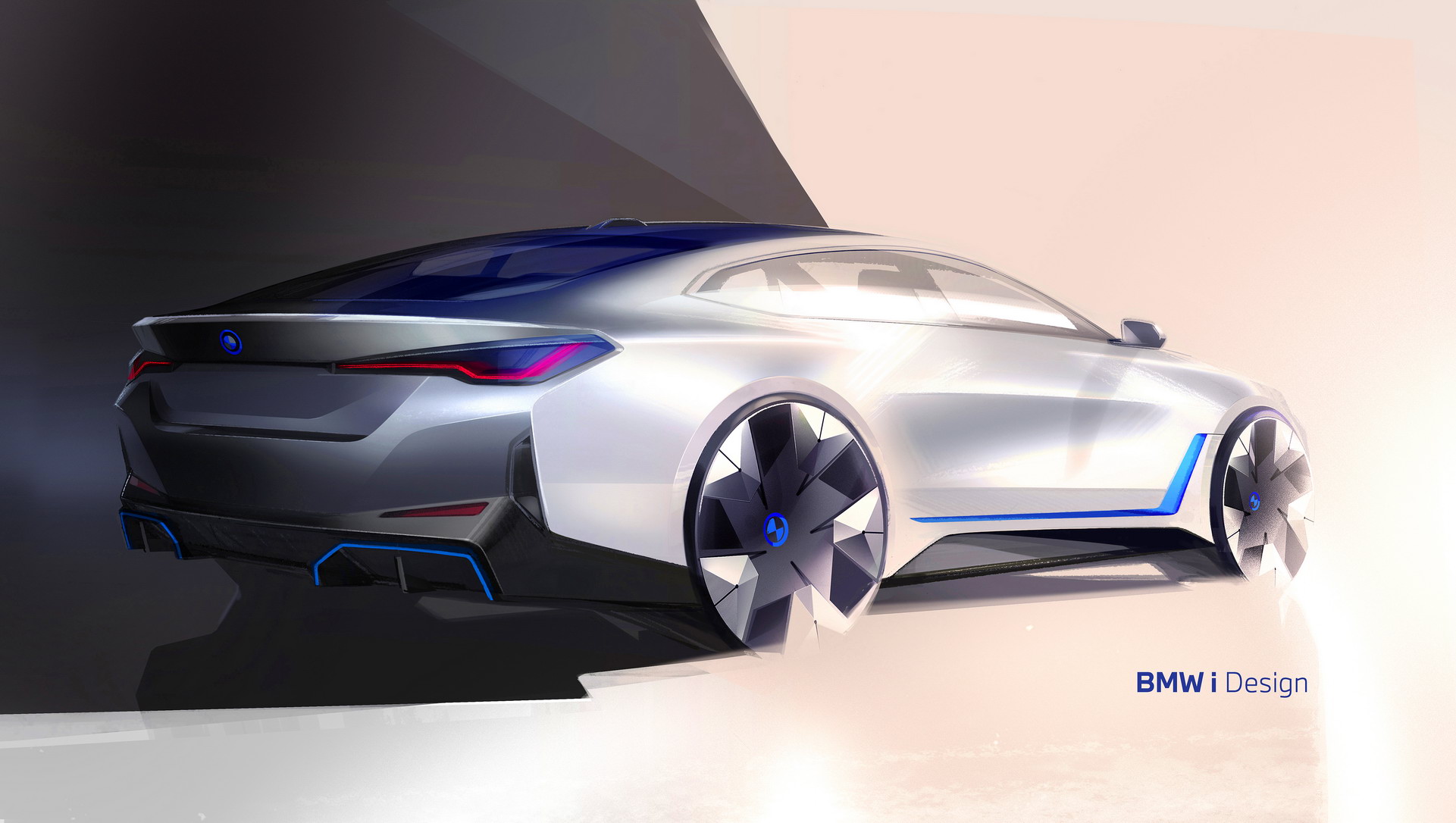
If you are weighing the i4 against the obvious rivals, our Tesla Model Y salary sacrifice and Polestar 2 salary sacrifice breakdowns use the same method, and our BMW i5 M60 sal-sac maths shows how the numbers scale up a class. This independent UK review is a good way to judge the car itself before you commit.
Before you sign your i4 sal-sac agreement
Run these checks before you commit:
- Confirm the current benefit-in-kind rate on the HMRC tables for the tax year you start, not a figure from an old article.
- Get the exact P11D value for your chosen i4 spec from BMW UK and recompute the BiK yourself.
- Ask what happens on early exit if you leave the employer, and whether there is an early-termination charge.
- Check whether insurance, maintenance, tyres and a home charger are included, and the mileage limit and excess rate.
- Compare the net monthly sacrifice against a personal lease with those extras added in, not the headline lease alone.
- Confirm the sacrifice does not take your pay below the National Minimum Wage, which can cap the car you can choose.
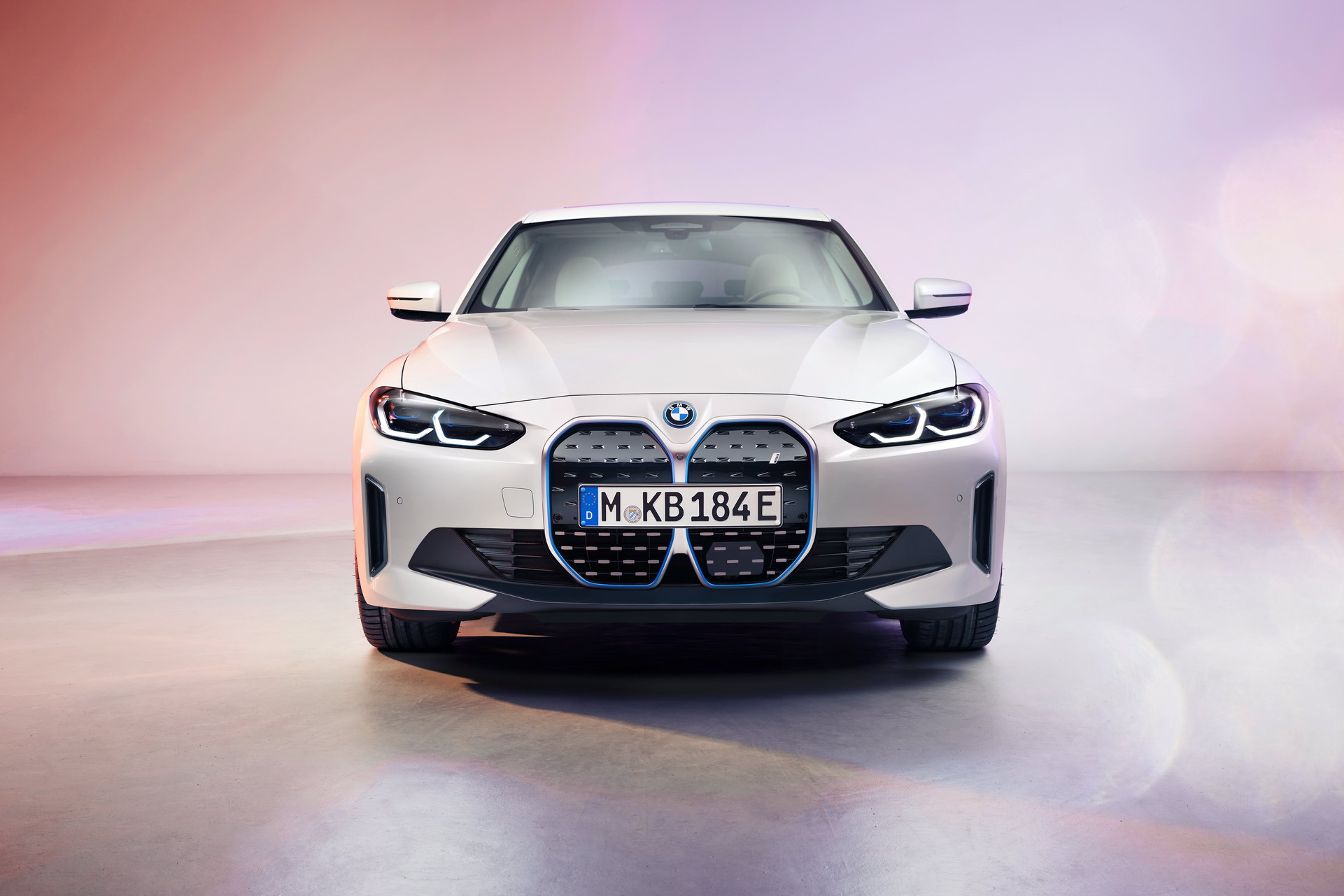
For a UK higher or additional-rate taxpayer with access to a scheme, a BMW i4 salary sacrifice is close to a no-brainer in 2026: a desirable, long-range premium EV at a net monthly cost a personal lease cannot touch, with the company-car tax still at its lowest meaningful level. We would choose the eDrive40 for the best balance of range, P11D and driving appeal, take the deal while the 4 per cent rate applies, and read the early-exit clause carefully before signing. We would be more cautious if your salary is modest enough that the National Minimum Wage floor bites, or if your employer’s scheme strips out insurance and charging that a rival bundles in. Run your own P11D through the maths, compare like for like, and the i4 is one of the strongest sal-sac cases on the road.
How much does a BMW i4 cost on salary sacrifice?
What is the BiK rate on a BMW i4 in 2026?
Which BMW i4 is best for salary sacrifice?
What happens to my i4 sal-sac if I leave my job?
Is BMW i4 salary sacrifice worth it for a basic-rate taxpayer?
Related reading on CDE
Buyer action
EV and salary-sacrifice checks
Use this as the final check before paying a deposit, signing finance paperwork or relying on a headline monthly figure.