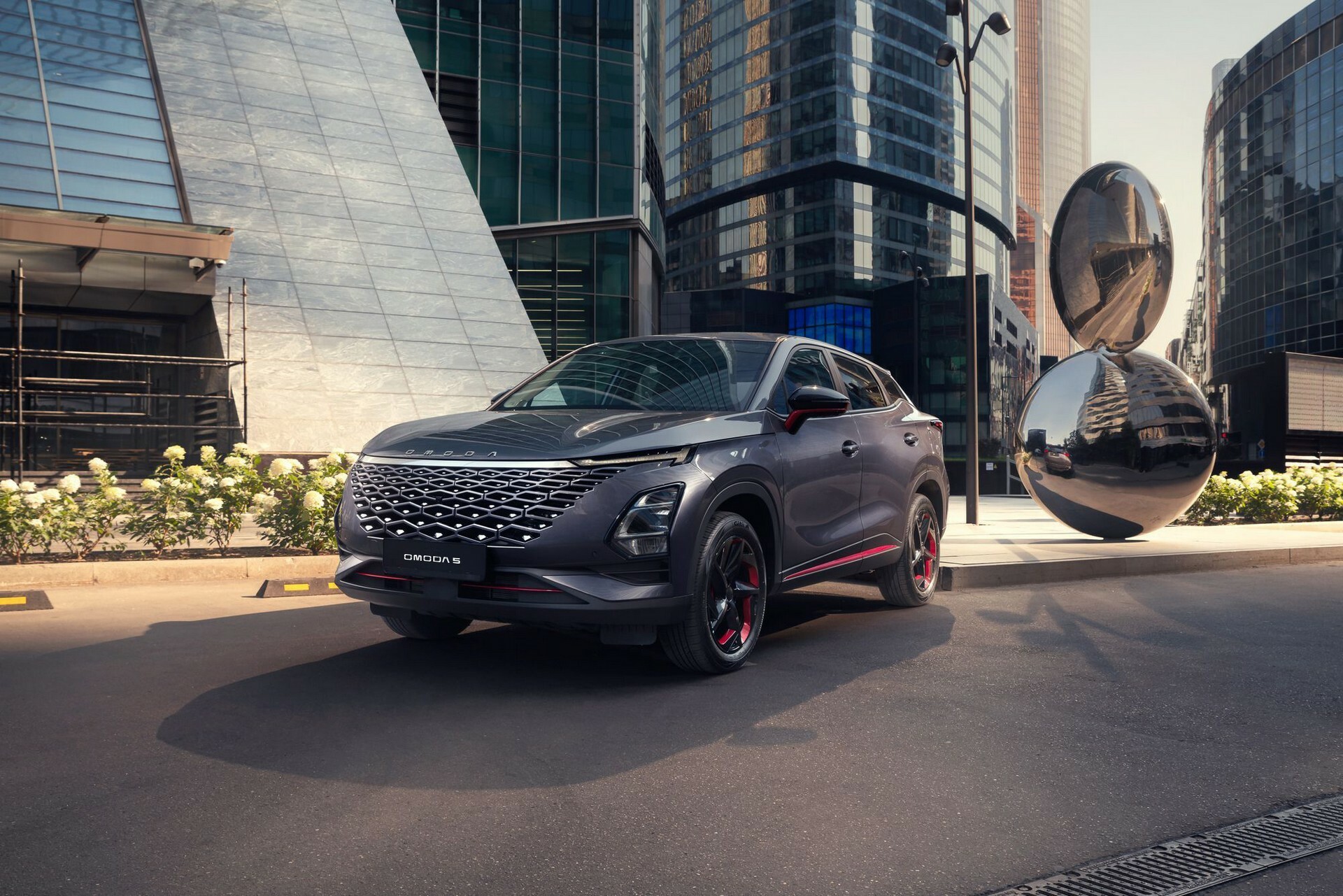
The Omoda 5 PCP offer at 0.0% APR looks unbeatable on paper, and for a buyer keeping the car it can be. The harder question is what happens at the end of the term, because Omoda has almost no UK resale track record. Our view: the headline rate is real, but a new brand carries residual-value risk that a longer warranty does not fully cancel out, so go in with eyes open.
What real owners and reviewers say (CDE data)
CDE drew on published UK reviews from Carwow, What Car? and Top Gear, plus Omoda’s own SMMT-verified registration figures, checked 10 June 2026. We did not invent owner-survey percentages: Omoda has been on sale in Britain since late 2024, so no long-run UK reliability survey or used-value history yet exists, and that absence is itself the story.
- Most-praised: generous standard kit, long seven-year warranty and low list price, per Carwow’s Omoda 5 review.
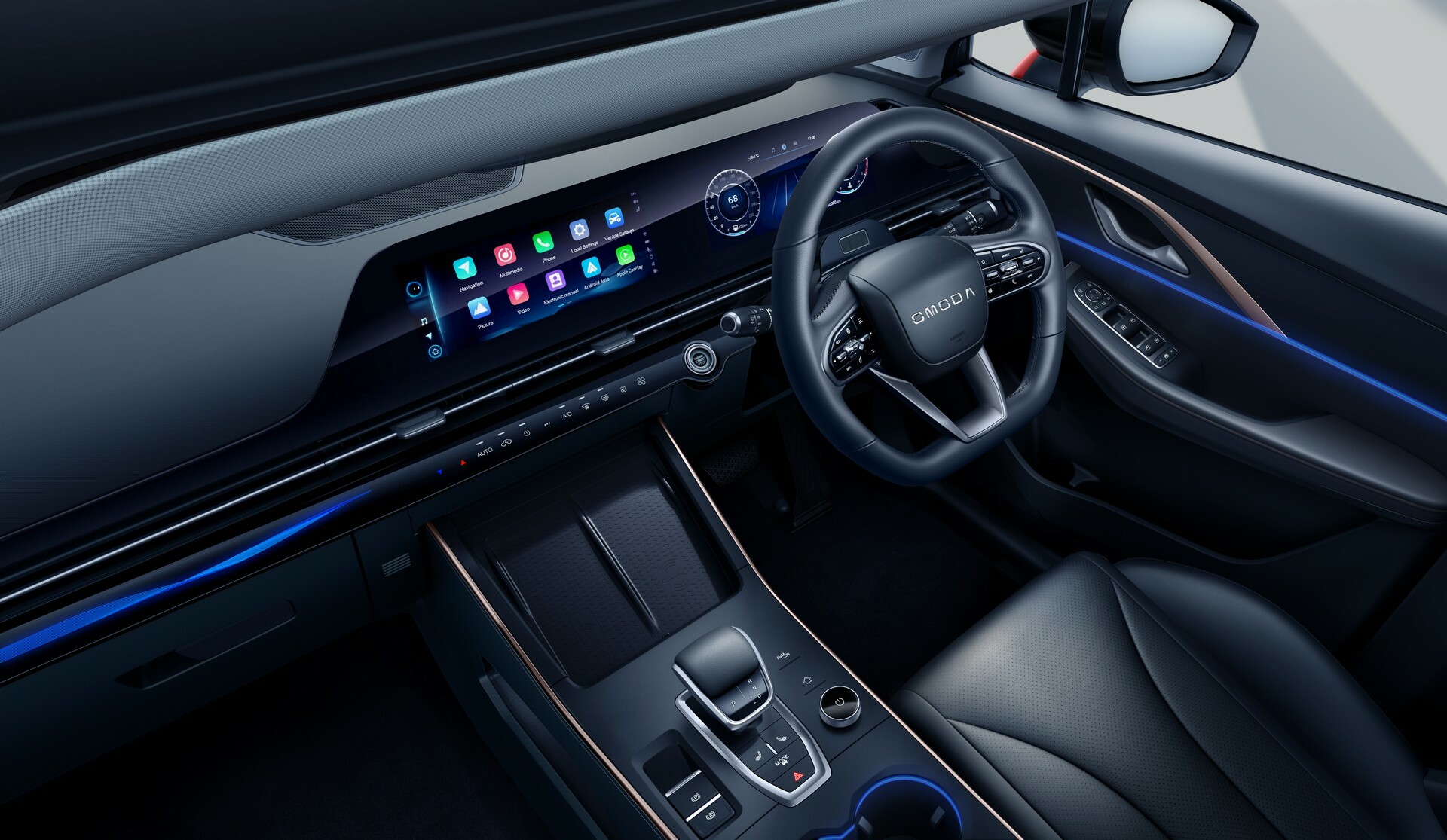
- Most-criticised: a cramped cabin, vague steering and a small boot per Carwow, with Top Gear adding that the petrol model is noisy and inefficient.
- Reliability signal: too new for a What Car? Reliability Survey placing or settled used values; mechanically it shares Chery’s T1X platform, but UK depreciation data is not yet established.
What the Omoda 5 PCP deal actually offers
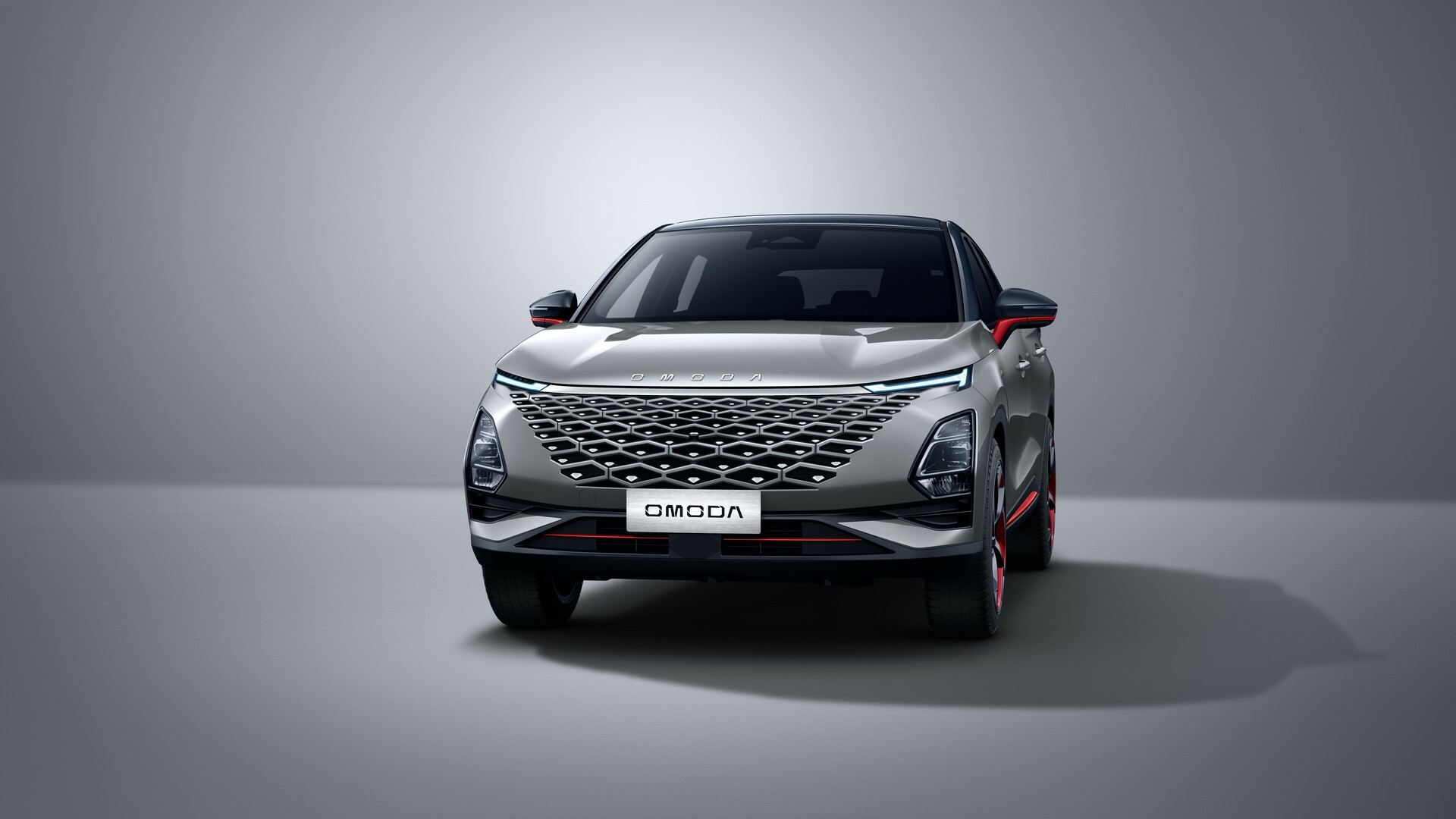
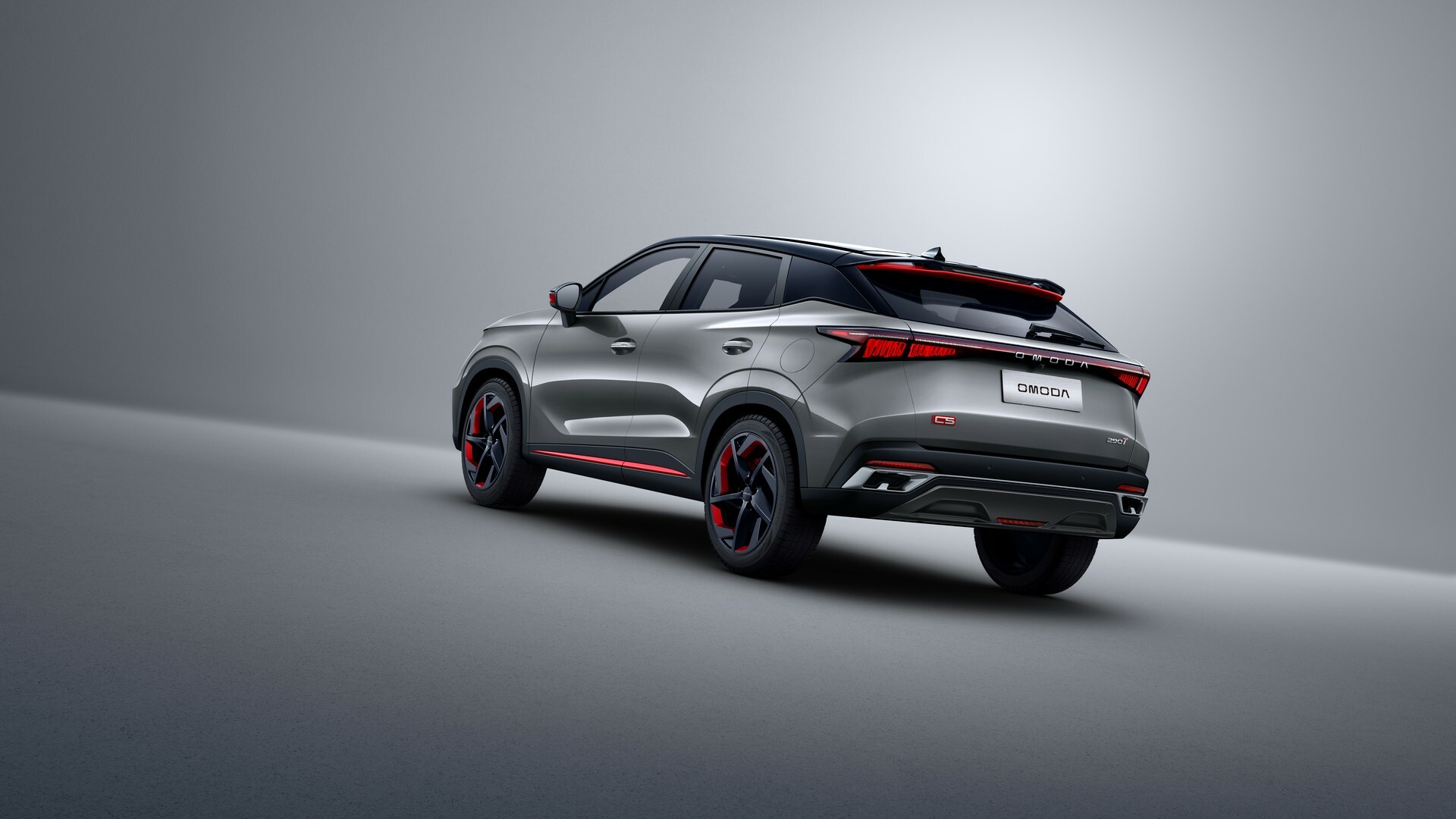
Omoda is running 0.0% APR representative PCP on the Omoda 5 Knight for orders placed between 1 April and 30 June 2026, so the window closes at the end of this month. The car itself is a 4.4-metre family SUV with a 1.6-litre turbo petrol engine, priced from £24,040 on the road and rising to £29,255 for the hybrid range-topper, per Carwow’s current pricing. That makes it one of the cheapest new family SUVs you can buy, undercutting a Nissan Qashqai or Volkswagen T-Roc by a clear margin before any finance support.
Zero percent finance is genuinely valuable: it means the cash price and the financed price are the same, so you are not paying a hidden premium to spread the cost. Where a typical premium SUV carries a representative APR of 6 to 10 per cent, the difference over a three or four-year term runs into thousands. If you understand the gap between a quoted rate and your real one, our guide to representative APR versus your real car finance rate explains why “representative” does not guarantee the figure you are offered.

The representative example, in full
Finance figures need their full context, so here is Omoda’s own published representative example for the 5 Knight, taken from omodaauto.co.uk (last checked: 10 June 2026). On a £24,040 cash price with a £999 customer deposit over 49 months: 48 monthly payments of £261.88, an optional final payment (the guaranteed future value) of £10,470.76, a total amount payable of £24,040, 0.0% APR representative, fixed, based on 6,000 miles a year with an 8p per mile excess-mileage charge. Finance is subject to status for UK residents aged 18 and over, and a guarantee may be required. This is general guidance, not a personalised finance recommendation.
Read that optional final payment carefully. The £10,470.76 balloon is what Omoda guarantees the car is worth at the end of the term. If the used market values it higher than that, you keep the difference as equity; if lower, that is Omoda’s problem, not yours, provided you hand the car back within the mileage and condition terms. That GMFV is the single most important number in any PCP, and our explainer on the guaranteed future value and the balloon payment sets out exactly how it protects you.
The residual-value risk nobody mentions
Here is where new-brand reality bites. A PCP shields you from depreciation only if you hand the car back at the end. The moment you want to settle early, part-exchange, or sell privately, the car’s real used value decides your position, and Omoda has barely two years of UK trading history to set that value. A weak used market would leave you with little or no equity to roll into your next car, which is the usual way British buyers fund a deposit. To be clear, this is not a comment on Chinese cars being untrustworthy: BYD, MG and others build perfectly sound vehicles. The issue is narrower and purely financial, a new entrant whose residual values are unproven, which makes early-exit flexibility the thing to watch.
The reassuring counterweight is that Omoda is selling in real volume, which usually firms up residuals over time. Omoda registered 19,855 cars in the UK in 2025, its first full year, and 5,917 in March 2026 alone, both figures verified against SMMT data. Cars that sell in numbers tend to hold value better than rare oddities, because there is an active used market and a parts supply behind them. If you want a sense of how electric newcomers are tracking on values, our analysis of which EVs hold their value in 2026 shows how quickly the picture can move for newcomers.
What a seven-year warranty is really worth on a three-year PCP
Omoda’s headline reassurance is a seven-year, 100,000-mile warranty, which Carwow notes matches Kia and MG but trails the ten-year cover from Toyota and Suzuki. On a three or four-year PCP where you hand the car back, you simply will not use years five, six and seven of that cover, because you no longer own the car. The warranty’s real value to you is the protection it gives the used buyer who takes the car after you, which in turn supports the residual value that decides your equity. So the long warranty does matter, just not in the way the showroom implies: it is a residual-value prop, not personal cover for a short-term keeper.
If you intend to keep the Omoda 5 past the balloon, the maths shifts in your favour, and outright ownership through a different product can beat PCP. Buyers who plan to own long term should weigh the structure against hire purchase, which is built around eventual ownership, and against the case we set out in personal loan versus PCP. The longer you keep the car, the more that seven-year warranty earns its place.
Dealer network, parts and insurance considerations
A new brand also means a young service and parts network. Omoda’s UK dealer count is still growing, so check that there is an approved retailer within sensible reach of home before you sign, because warranty work has to go through the franchise. Parts supply on any recently arrived marque can be slower than for an established name when something unusual fails, which is worth factoring into how long you are prepared to live with the car. Insurance and repair costs are the other unknown: newer brands can sit in higher groups while bodyshops build familiarity, so price up the cover for your postcode before you commit, rather than assuming a budget SUV is automatically cheap to insure. On the warranty itself, our piece on what EV and long-term warranties actually hide is a useful reality check on the small print.
None of this is unique to Omoda; every new arrival starts here. It simply means the buying decision rests more on the finance structure and your ownership plan than on the badge. Whether an extended cover plan is ever worth buying on top is a separate question we tackle in is an extended car warranty worth it, and for a sense of how rival value EVs stack up, the BYD Atto 3 versus Hyundai Kona Electric comparison is a useful yardstick.
Where to check before you sign
Before you commit to the Omoda 5 PCP, work through a short, practical checklist:
- Confirm the live representative example and the 30 June 2026 order deadline on the official Omoda UK new car offers page, as terms can change.
- Cross-check the on-the-road price and trim equipment against an independent review such as Carwow’s Omoda 5 review.
- Read the warranty and resale caution in What Car?’s verdict before you bank on holding the car long term.
- Locate your nearest approved Omoda retailer and ask about parts lead times for the model.
- Get an insurance group and premium indication for your postcode at renewal time.
- If you are unhappy with any finance agreement later, the Financial Ombudsman Service sets out your free escalation route.
This article is general guidance, not personalised financial advice. Finance figures are representative examples that depend on your circumstances and a credit check, and CDE has not driven this individual vehicle. Confirm current terms with the retailer and a regulated adviser before signing.
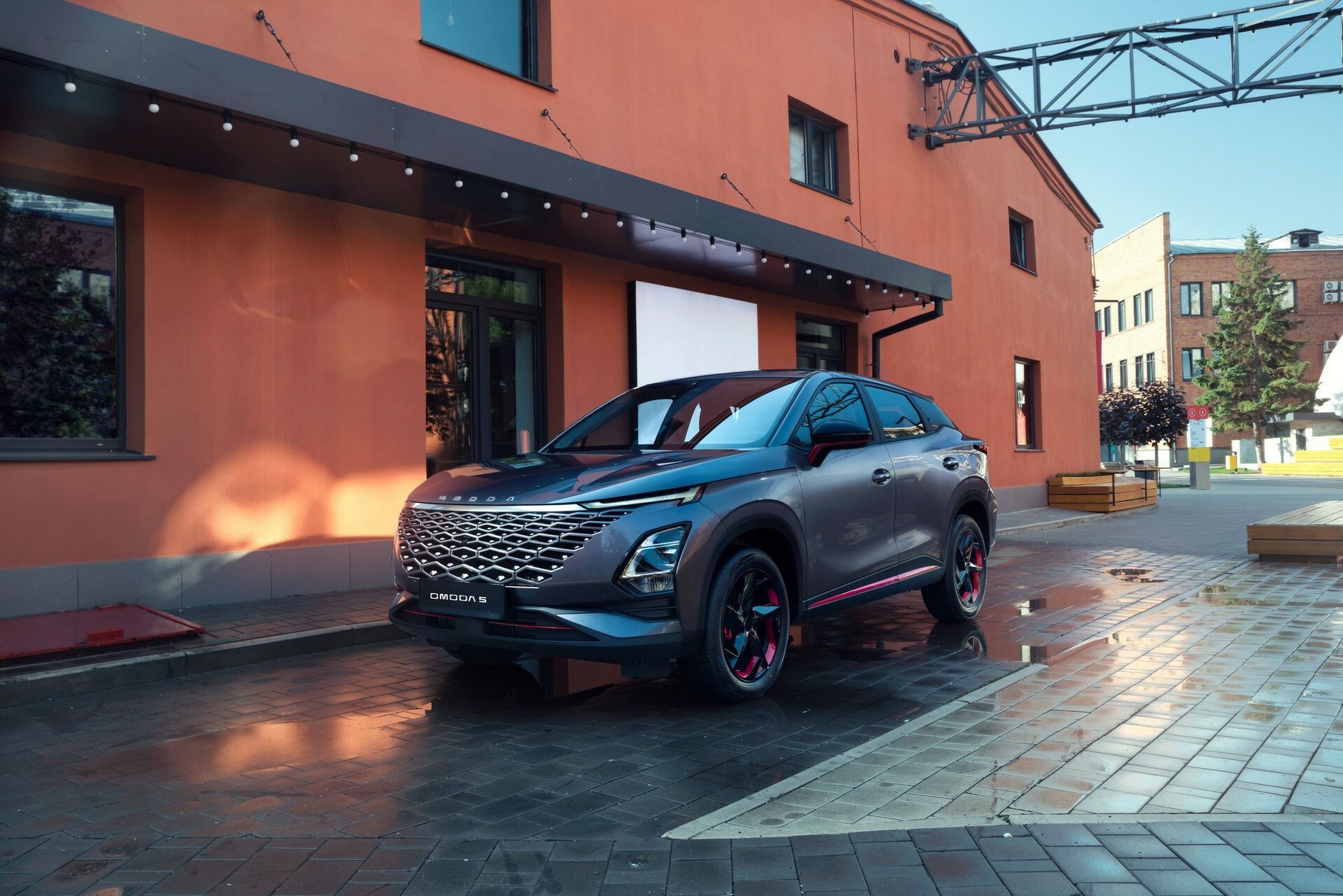
Our take on this Omoda 5 deal
The Omoda 5 PCP at 0.0% APR is a strong deal for the right buyer, and a trap for the wrong one. If you plan to keep the car well beyond the 49-month term, the free credit and the long seven-year warranty genuinely stack up, and the low list price means you are not overpaying to begin with. Our hesitation is purely about residual risk: with so little UK used-value history, the buyer most exposed is the one who needs to exit early or roll equity into the next car, because there may be little equity to roll. We would take the deal if you are a long-term keeper who values kit-for-money over driving polish, and we would think harder if you are a serial PCP changer who relies on positive equity every three years. Check the cabin fits your family first, because space is the car’s real weakness, not its nationality. Our score: 6.5/10.