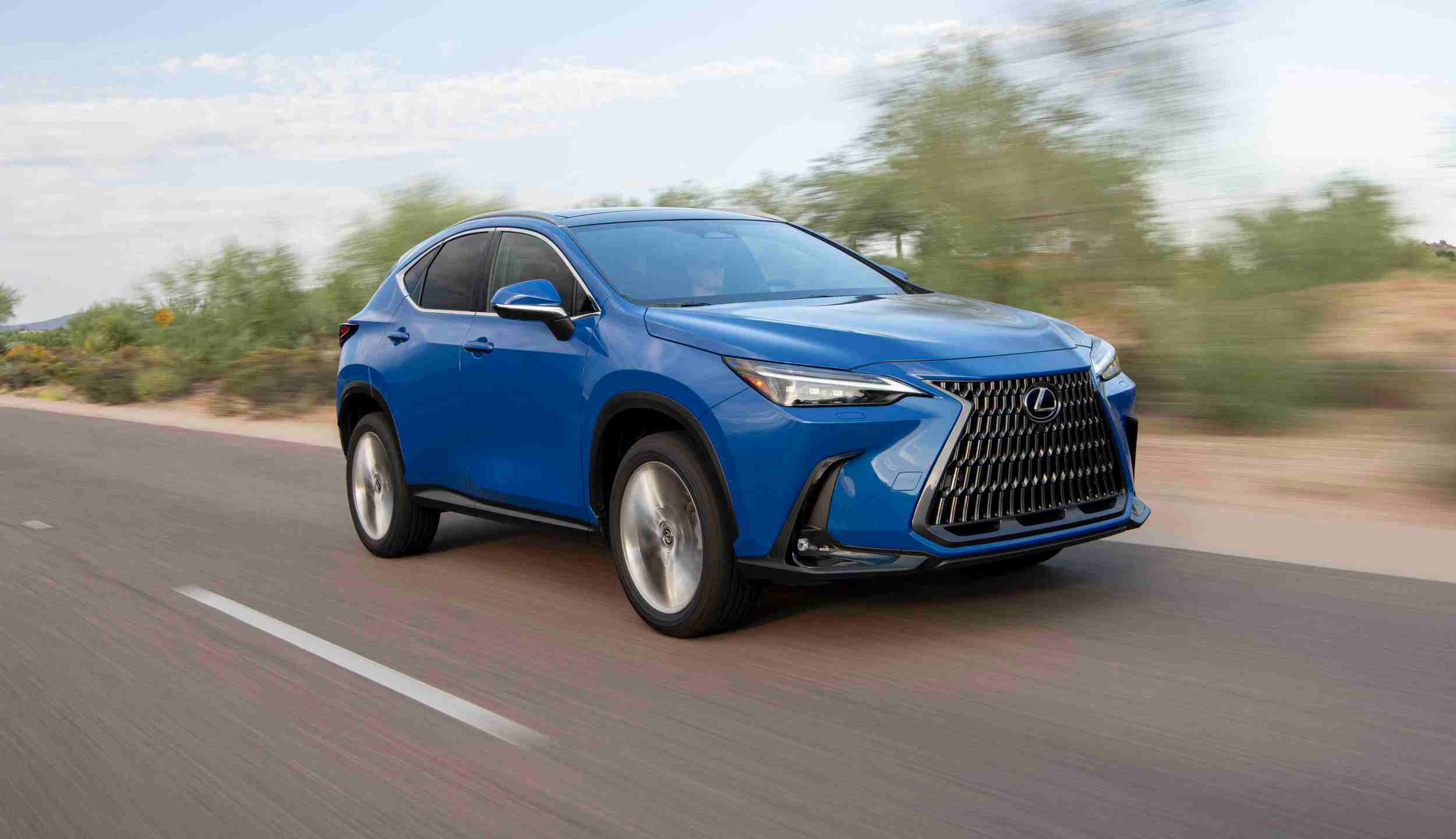
Lexus NX residual values are the quiet reason this hybrid SUV costs less to own than the badge suggests. We rate the NX a strong hold for anyone buying on PCP, because the value that propped up the trade-in now props up the monthly figure. Here is why it keeps its money and how to use that.
What real owners say (CDE data)
CDE cross-referenced the What Car? Lexus NX review, owner discussion on PistonHeads and the Honest John owner reviews, and the Lexus GB Relax warranty terms published on media.lexus.co.uk, checked in June 2026. The picture is consistent across all of them: buyers love the running costs and the dealer experience, grumble about the same two ergonomic niggles, and rate reliability as a genuine selling point rather than a hope.
- Most-praised aspects: strong resale value and low real running costs; refinement and ride comfort; build quality and Lexus dealer service.
- Most-criticised aspects: the petrol engine sounds strained under hard acceleration; a firm ride on the biggest wheels; touchscreen and menu logic still divide opinion.
- Reliability signal: Lexus consistently tops the major UK reliability surveys, and the self-charging hybrid drivetrain shares its core with Toyota units that have a long, well-documented service record.
Why the NX holds its money in 2026
Start with the headline. What Car?’s deputy digital editor Darren Moss states plainly in the current Lexus NX review that “the Lexus NX has excellent resale values,” and ties that directly to a lower monthly cost than rivals on PCP finance. That is the difference between a car that flatters the brochure and one that flatters your bank statement three years later. The NX competes with the Audi Q5 and Volvo XC60, and on retention it is the one that tends to come out ahead. The UK list runs from £46,695 to £63,695, so the percentage matters in real pounds.
Retention is not luck. It is the product of a drivetrain buyers trust, a warranty that travels with the car, and demand that runs ahead of supply. The self-charging hybrid asks nothing of the owner that a petrol SUV does not, while sidestepping the charging anxiety that still drags on some used EV values. That combination is exactly why our guide to which premium EVs hold value reaches a very different conclusion for a pure-electric SUV than it does for a Lexus hybrid.
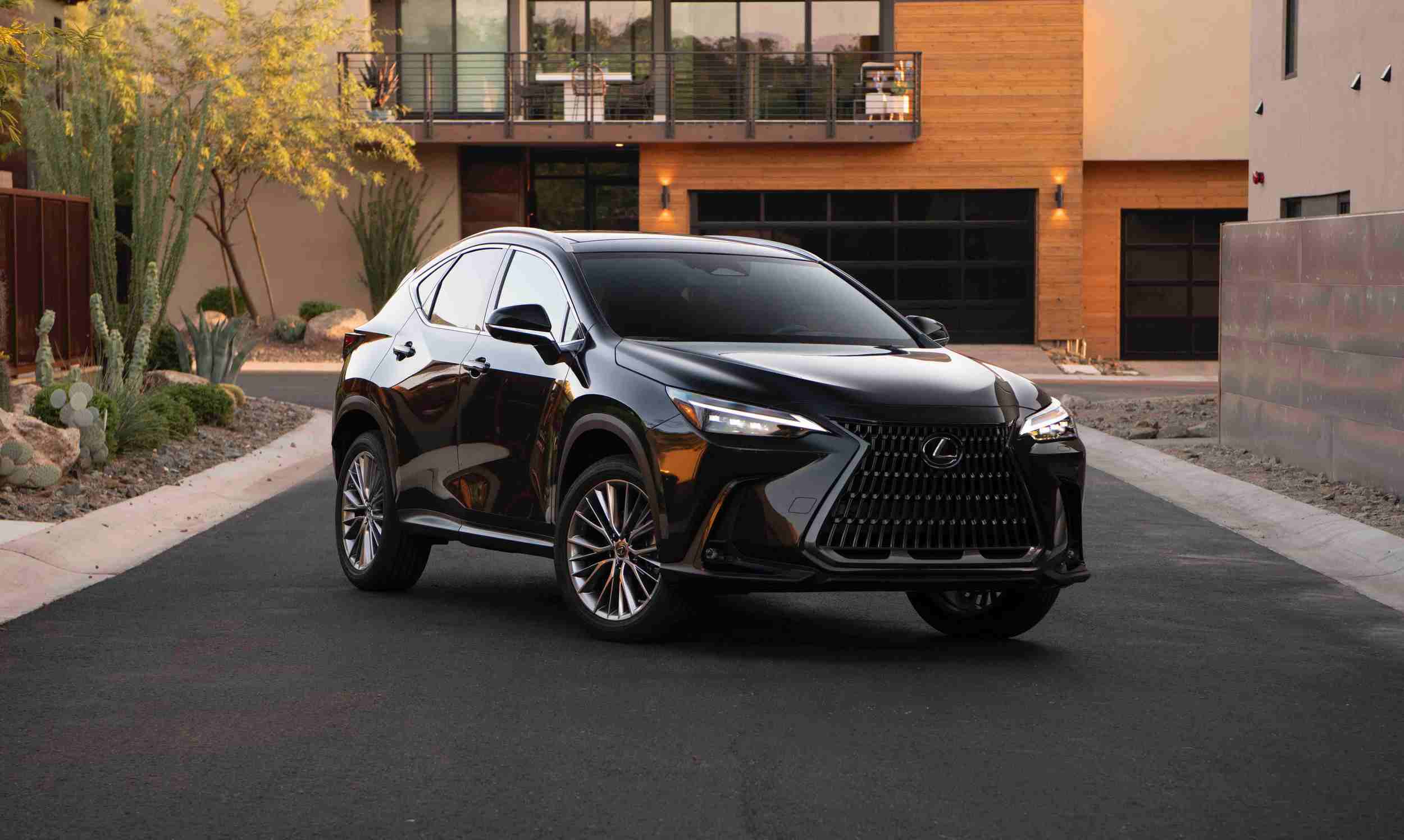
The Lexus Relax warranty does the heavy lifting
The single biggest UK-specific reason the NX holds money is the Lexus Relax programme. Lexus GB confirms on its media site that Relax can extend cover to up to 10 years or 100,000 miles. It is service-activated: complete a scheduled service at an official Lexus centre and a further 12 months of warranty is added, year after year, until the limit is reached. Crucially it covers the hybrid battery and passes to subsequent owners, provided the car stays within the age and mileage window.
Think about what that means for the second owner. A three-year-old NX bought from a Lexus centre can still be warranted to ten years simply by staying on the service schedule, with the expensive hybrid components covered. That removes the fear that usually crushes used hybrid and EV values, the worry that a battery or drive unit failure will land in the new owner’s lap. It is a meaningfully better proposition than a standard three-year warranty, and it is one reason the battery warranty question stings less here than on many rivals.
The eligibility window is the part used buyers should commit to memory. Lexus GB applies Relax to cars up to ten years old or 185,000km from first registration, and it extends to pre-owned examples that have passed through several owners, not just cars bought new from the network. In practice that means a well-kept NX can carry meaningful manufacturer-backed cover for far longer than the rivals it is cross-shopped against, which is precisely the reassurance a nervous used buyer pays a premium for. The catch is consistency: miss the official-centre service and the rolling cover stops extending, so the warranty is only as strong as the service file behind it.
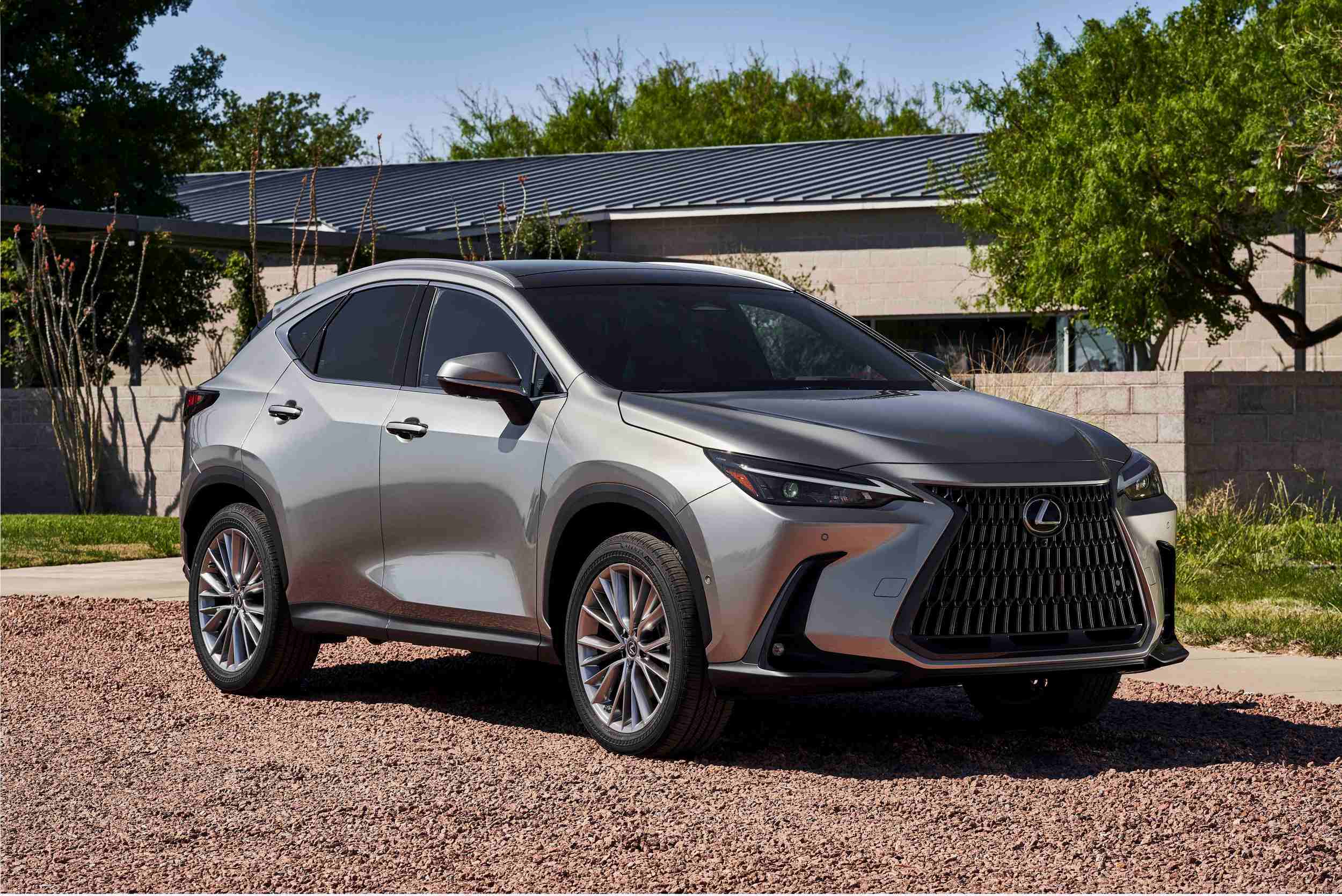
Demand outruns supply, and that props prices up
Residuals are a demand story as much as a quality one. The NX is Lexus’s best-selling model in the UK, and Lexus has historically built to order rather than flooding fleets with pre-registered metal. Fewer nearly-new cars dumped into the trade means cleaner used pricing, because the market is not competing against a wall of ex-demonstrators. The UK line-up stays disciplined too, with just two hybrid drivetrains, the self-charging 350h and the 450h+ plug-in, rather than a sprawl of cut-price entry trims that would dilute the used market.
For US context only, the valuation service CarEdge estimates the NX loses roughly 38% of its value over three years, leaving around 62% retained, with the hybrid among the strongest variants. UK depreciation works on different list prices, VED rules and demand, so treat that figure as directional rather than a UK promise; the cleaner UK read is What Car? rating the NX’s resale values as excellent and tying them to a lower monthly cost than its German rivals. Either way, the conclusion lands the same place.
What strong residuals do to your PCP
This is where retention turns into money you can feel. On a PCP, your monthly payment covers the gap between the price you pay and the Guaranteed Future Value the lender sets for the end of the term, plus interest. A car expected to hold its value gets a higher GFV, which shrinks the depreciation you are financing, which lowers the monthly figure. What Car?’s own reviewer makes the link explicit: the NX “costs less per month than rivals if you plan to buy through PCP finance.” Two cars with the same cash price and the same APR can land hundreds of pounds apart each month purely on the GFV the lender is prepared to guarantee, and a Lexus dealer can usually set a confident one precisely because the trade knows the car will be worth it. If GFV is new ground, our explainer on the guaranteed future value and the balloon walks through the mechanics.
A strong GFV also protects you at the end of the deal. A high balloon set against a car that genuinely holds its value is far more likely to leave you in positive equity, money you can roll into your next deposit, than a car that has slid below its predicted value. That equity only exists if the car holds up its end first, which is exactly the NX’s strength. There is a flip side worth naming: a high GFV means the depreciation lands later, so handing the car back at the end is usually the cleaner exit unless you love it.
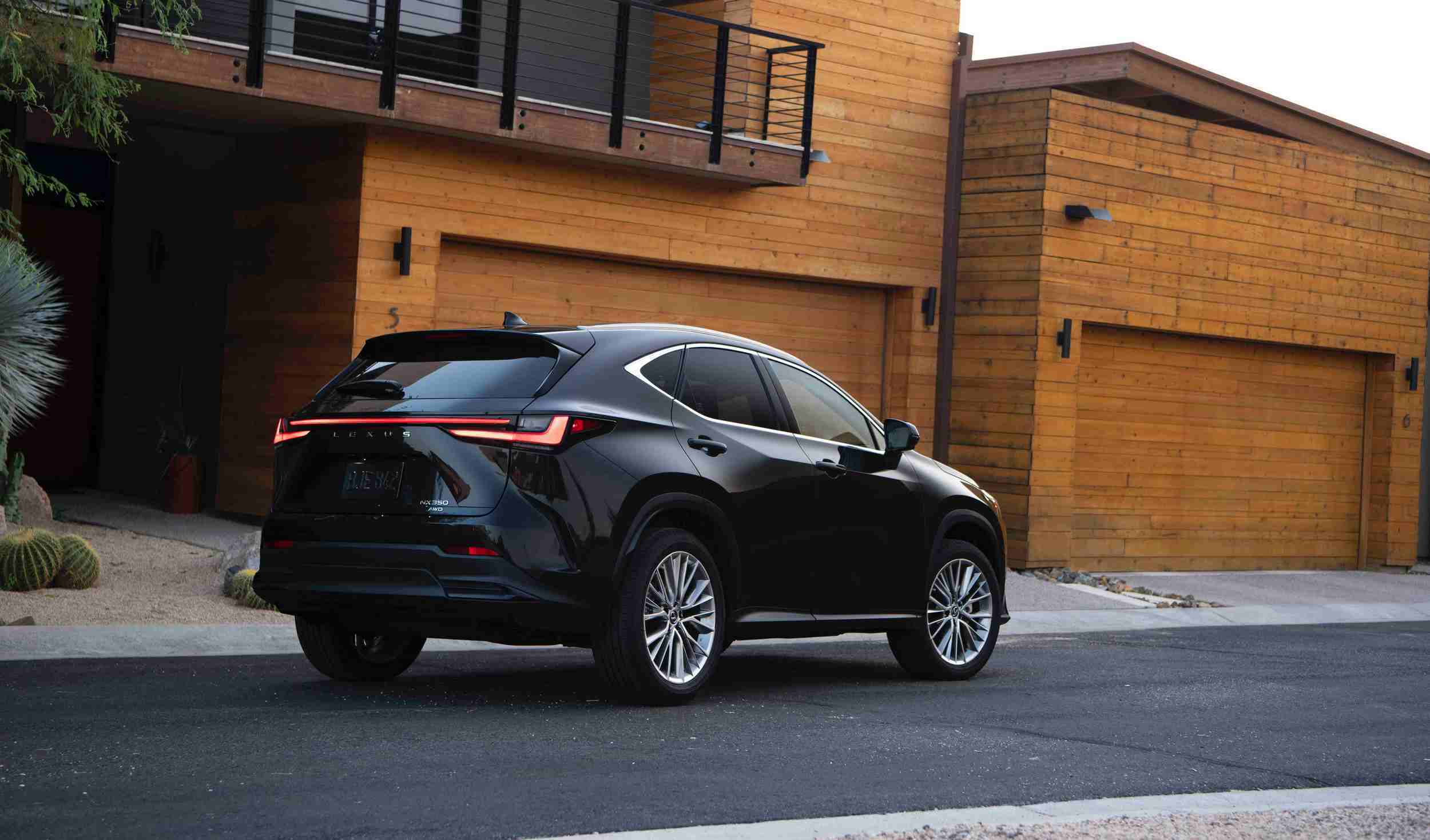
The honest case against, and the residual risks
Retention is strong, not bulletproof. Big-wheel F Sport and Takumi trims carry more list price to lose, and the firmer ride on 20-inch wheels narrows the used buyer pool, both of which can soften the percentage at the top of the range. The NX 450h+ plug-in hybrid commands more new but leans partly on the company-car tax case; if benefit-in-kind rules shift, used PHEV demand can wobble in a way the self-charging 350h does not. And residual forecasts are forecasts: a sudden change to VED, the expensive-car supplement, or a price war from German rivals can move the goalposts.
There is also the warranty small print. Relax only keeps running if every scheduled service is done at an official Lexus centre, so a car with a patchy or independent-only history may not carry the cover that makes it so sellable. When you view, check the digital service record and that the next service is not overdue. The same logic applies to any approved-used buy; our look at how approved-used warranties compare across BMW, Audi and Mercedes shows how much the wording, not just the badge, decides the resale premium.
How the NX compares to the rest of the Lexus range
The NX is not the only Lexus that holds money, but it hits the sweet spot of price, practicality and demand. The smaller cars and saloons retain well too without the same SUV pull: if you want the same retention logic in a different shape, our Lexus IS 300h used guide and the Lexus ES used buyer’s guide both show the hybrid-plus-Relax formula working on saloons. For buyers comparing the NX with a used pick rather than new, our dedicated Lexus NX used buyer’s guide covers the trims and checks in detail.
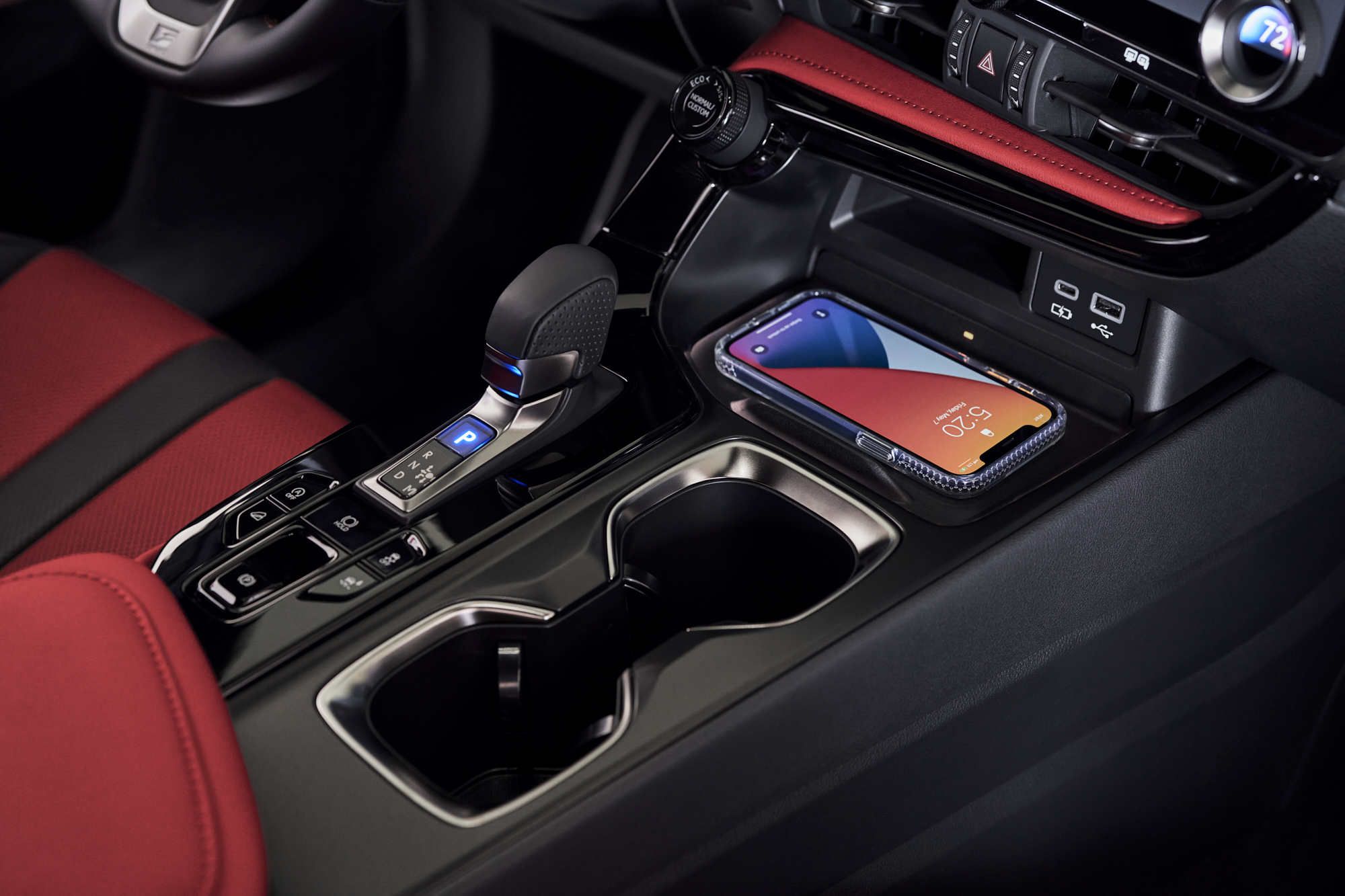
NX specs and pricing that underpin the value case
The numbers that matter for retention are the list prices and the drivetrain split, since the self-charging 350h is the volume car and the value anchor, while the 450h+ plug-in adds range but more list to depreciate. Here is the UK picture as published by What Car? and Lexus GB.
| Detail | Lexus NX (2026) | Source |
|---|---|---|
| UK list price range | £46,695 to £63,695 | What Car? NX review |
| Volume powertrain | NX 350h self-charging hybrid | Lexus UK NX |
| Plug-in option | NX 450h+ plug-in hybrid | Lexus UK NX |
| Warranty ceiling | Up to 10 years / 100,000 miles (Relax, service-activated) | Lexus GB media |
| Resale verdict | “Excellent resale values”; cheaper per month than rivals on PCP | What Car? NX review |
One more practical note for PCP buyers chasing the residual benefit: watch the mileage limit. A high GFV assumes average mileage, and going over it at the end can wipe out the equity the strong residual created. Our guide to PCP mileage limits and excess charges explains how to set the annual figure honestly so the retention works for you rather than against you.
Our take on Lexus NX residual values
Our score: 8.5/10
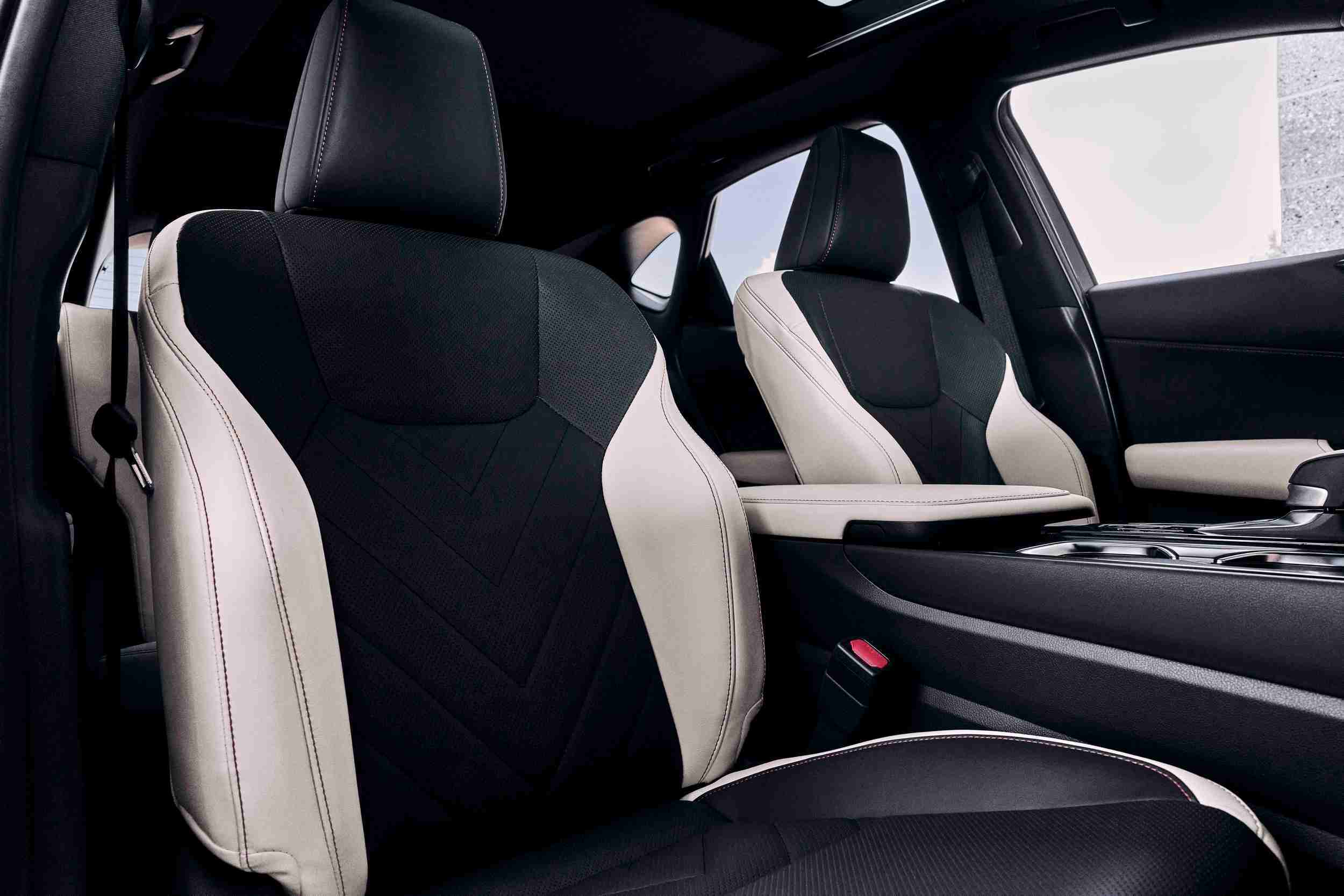
Lexus NX residual values are the strongest single argument for buying one, and in 2026 they are doing real work on the monthly cost rather than just the trade-in. The proven self-charging hybrid, the service-activated Relax warranty that can run to ten years and carries the hybrid battery, and demand that outruns supply all point the same way: this is a car that holds money when premium German and electric rivals leak it. We would buy the volume NX 350h in a mid trim on moderate wheels, take the PCP precisely because the high Guaranteed Future Value lowers the payment, and keep every service at a Lexus centre to protect the warranty and the resale. Walk away only if you want a soundtrack from the engine or the lowest possible monthly on a big-wheel range-topper, where the value case is thinnest. Check the digital service history before deposit; a Relax-eligible record is the difference between a strong residual and an ordinary one.
Does the Lexus NX really hold its value better than German rivals?
How does the Lexus Relax warranty affect resale?
Should I buy the NX 350h or the 450h+ for the best residuals?
Do strong residual values mean a cheaper PCP?
What should I check before buying a used NX to protect its value?
How we researched this guide
Every pick here is shortlisted from hands-on testing and time spent living with the hardware by the CDE desk, then sanity-checked against current UK pricing, manufacturer specs and real-world performance before it makes the cut. We never rank for commission — affiliate links don't change the order.
Buyer action
Where to check next
Use this as the final check before paying a deposit, signing finance paperwork or relying on a headline monthly figure.