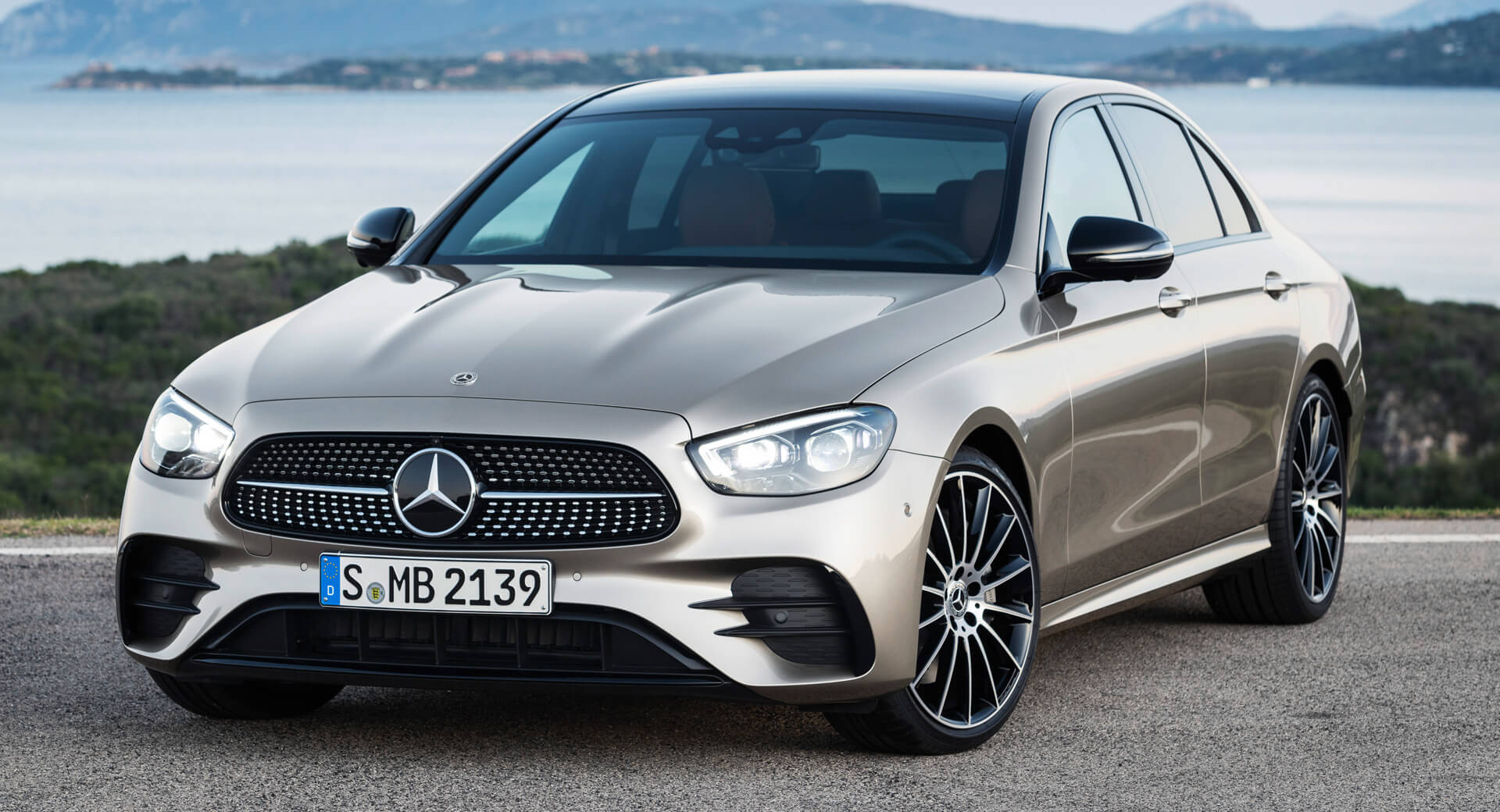
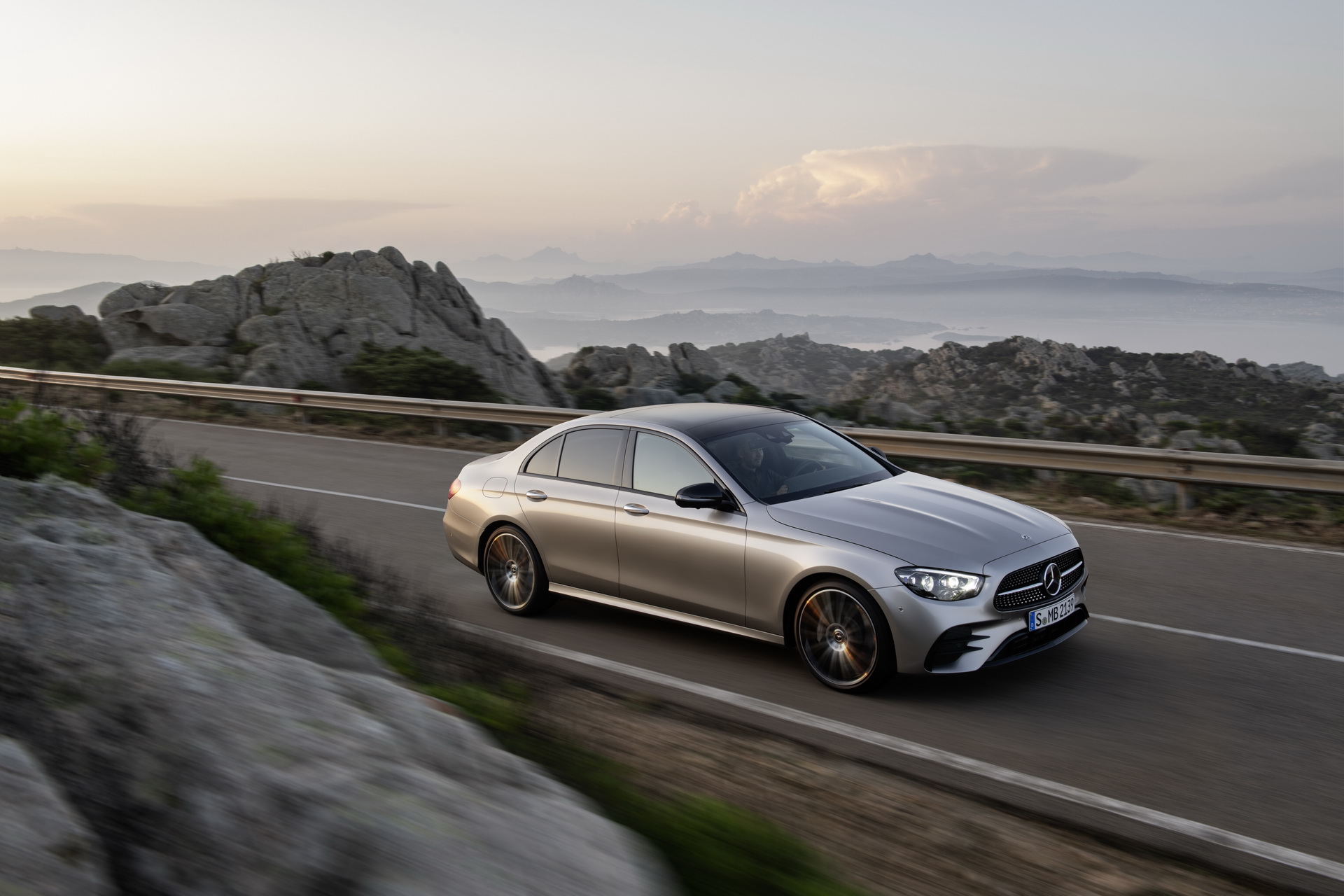
The Mercedes E-Class W213 is the default used executive saloon for good reason: it rides and refines better than almost anything near the money, and a clean E220d makes a £40,000 car feel like loose change. This guide covers the engine to buy, the OM654 weak spot that catches careless buyers, the options that turn into bills, and the pre-purchase checks that matter. Our short answer: a post-2020 facelift E220d or E300d with full Mercedes history is the buy, and a tired diesel with no paperwork is the one to leave on the forecourt.
The verdict: is a used W213 E-Class worth buying in 2026?
Yes, with the right engine and the right paperwork. The W213 is the comfort and refinement benchmark of the used executive class, and a well-kept example is a lot of car for the money. Our pick is a post-2020 facelift E220d or E300d with a full Mercedes service history, ideally an estate on steel suspension or with proven AIRMATIC and sensible wheels.
- Buy: facelift (2020-on) E220d or E300d, complete on-time service record, modest wheel size.
- Avoid: any high-mileage OM654 diesel with a cold-start rattle and no history, and an AMG or air-sprung car bought without a maintenance fund.
- Budget: roughly £14,000 for an early E220d up to £30,000-plus for a late facelift E300d estate (Auto Trader retail listings, 2026).
What CDE found in the W213 ownership data
Drawing on What Car’s used reliability work and Honest John’s owner-reported fault history for the 2016-2023 E-Class, the picture is a comfortable, well-built saloon let down in places by expensive electronics and one notable diesel wear item rather than by anything structural. Most complaints are avoidable with the right history and a careful inspection.
- Most praised: motorway refinement, seat comfort, real-world diesel economy, cabin quality.
- Most criticised: COMAND and sensor electrical gremlins, AIRMATIC repair costs on equipped cars, the OM654 diesel’s cam-wear reports at higher mileage.
- Reliability signal: drivetrains are durable when serviced on time; the costly faults are predictable and checkable before you buy.
Which Mercedes E-Class W213 engine is the one to buy
The volume seller is the E220d, a 2.0-litre four-cylinder diesel (the OM654) with around 194hp, and it is the engine most buyers should target: smooth, frugal on a run and cheap to tax relative to the bigger units. Above it sit the E300d, the silky 3.0-litre straight-six E350d and E400d, the E300de plug-in hybrid diesel, and on the petrol side the mild-hybrid E200 and E300, the straight-six E450, and the AMG E53 and E63. For most private buyers the choice is simple: an E220d for running costs, an E300d or straight-six diesel if you want more muscle, and an AMG only with a fat maintenance fund.
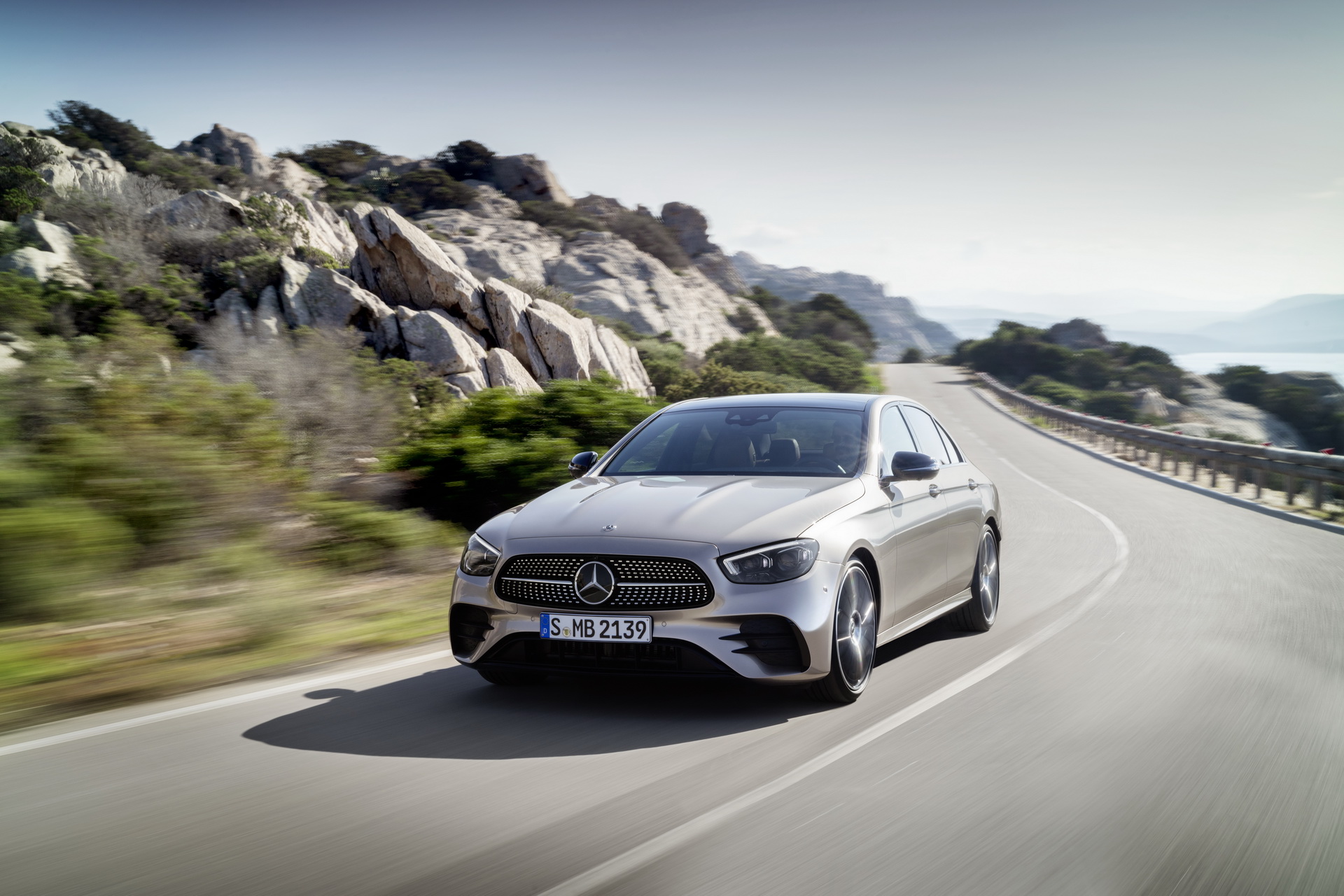
Avoid buying purely on badge. A well-kept E220d will outlast and out-value a neglected E400d every time, because the cost gap when something goes wrong on the bigger cars is steep. The plug-in E300de is tempting for company-car users, but as a private used buy it adds battery and charging complexity for a fuel saving that only pays off if you genuinely plug in daily.
The OM654 cam wear and other W213 weak spots
The one fault worth knowing in detail is camshaft and cam-follower wear on the OM654 diesel, reported by some owners at higher mileages and logged in Honest John’s W213 owner fault history. It is not universal, but it can be expensive, so on any high-mileage diesel listen for a top-end rattle on cold start and insist on a full, on-time service record using the correct oil. Oil weeps from the camshaft cover and the occasional 9G-Tronic gearbox niggle also show up, though the nine-speed auto is generally durable.
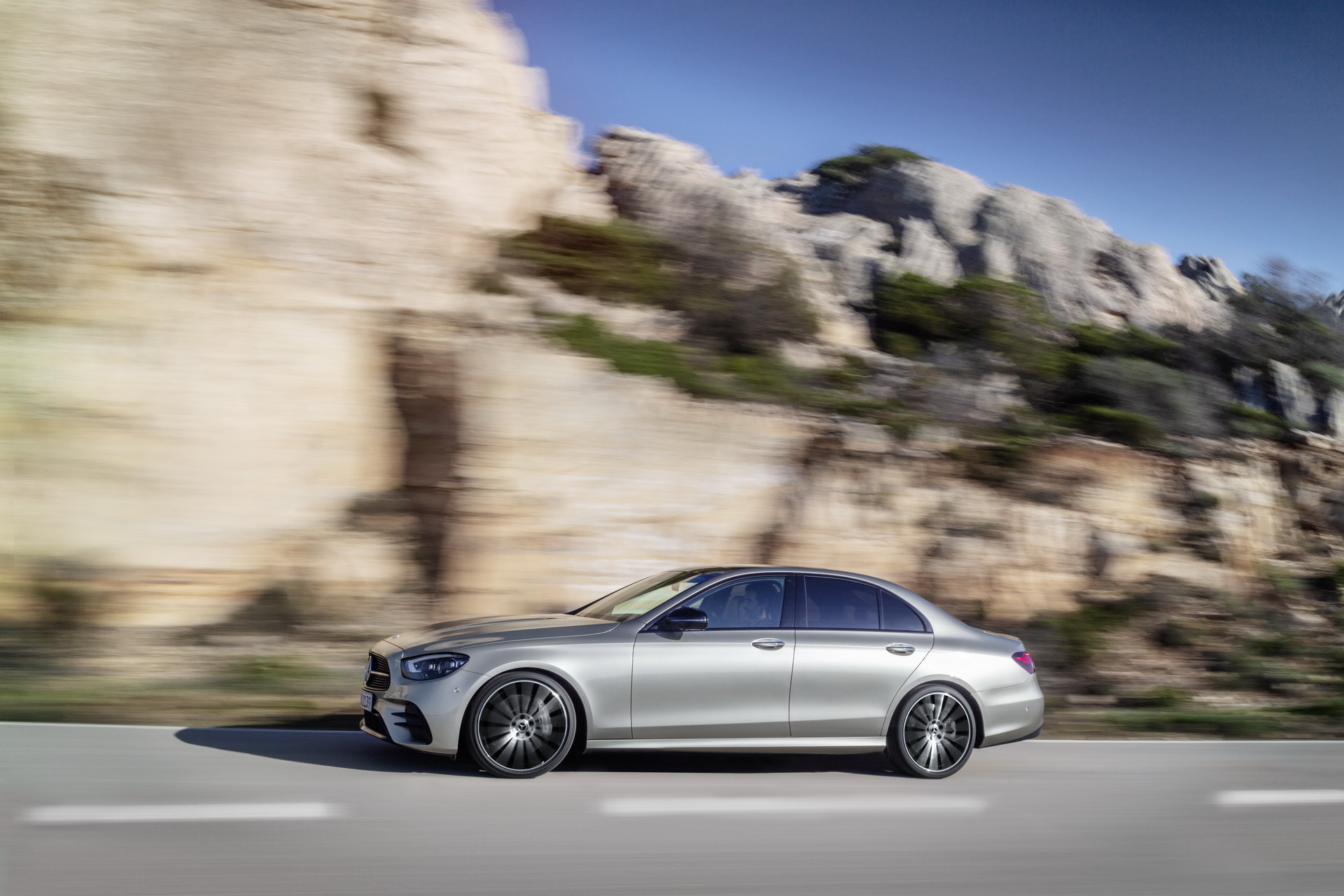
The rest of the trouble list is electrical: COMAND and MBUX glitches, spurious parking-sensor and radar warnings, reversing-camera dropouts and the odd 12-volt battery drama. None is a deal-breaker on its own, but a car showing several at once is telling you it has been poorly looked after. Work every system on the test drive, including the cameras and driver-assist warnings.
AIRMATIC, COMAND and the options that cost you later
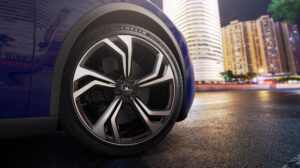
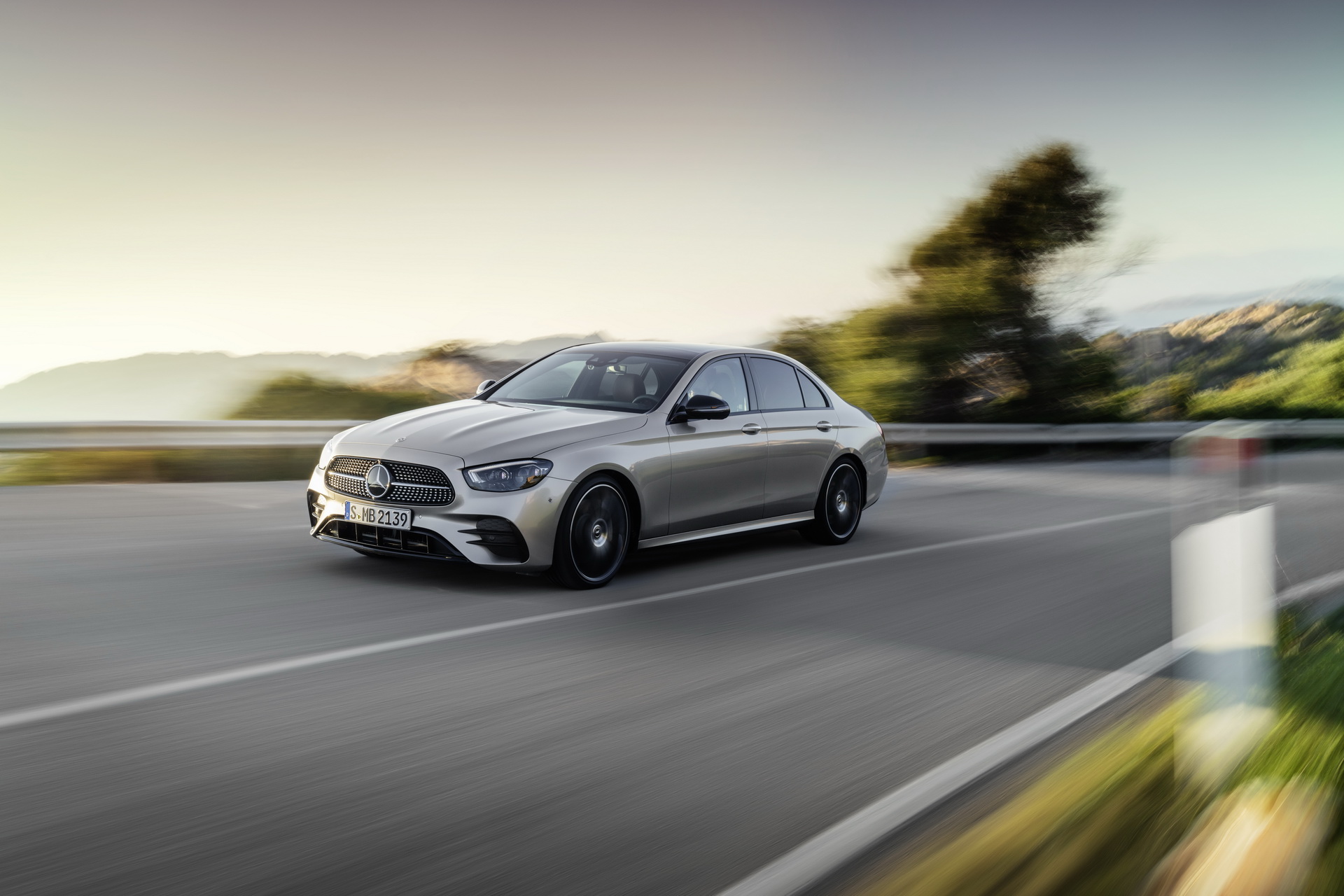
Optional AIRMATIC air suspension transforms the ride, but when a strut or compressor fails on an older car the bill dwarfs a conventional damper, so check for sagging at one corner after the car has sat overnight and listen for the compressor labouring. Large AMG-line wheels look the part but punish the ride and the tyre budget. Our advice mirrors what we say on every premium used car: pay for boring, complete history and sensible specification, not for the showy options that become liabilities once the warranty has gone. If you are weighing extended cover, our comparison of used warranty providers Warranty Direct, MotorEasy and ALA applies directly here.
| Engine | Type | Best for |
|---|---|---|
| E220d | 2.0 diesel (OM654) | The sensible default: economy and tax |
| E300d / E350d | 2.0 or 3.0 diesel | More performance, big-mile comfort |
| E300de | diesel plug-in hybrid | Company-car users who plug in daily |
What it costs to run a used E-Class
Insurance groups span roughly the low-30s to high-40s depending on engine and trim, with AMG models sitting at the very top. Servicing at an independent Mercedes specialist is markedly cheaper than the main dealer once the car is a few years old, and parts availability is good. The diesels return genuine 45-to-55mpg on a steady run, which keeps the E220d cheap to feed. Anyone buying on finance should read our guide to GAP insurance after the FCA review before adding cover at the dealer, because the forecourt price is rarely the best one.
| Ownership cost | Typical E220d | Notes |
|---|---|---|
| Used retail price | £14,000 to £32,000 | Early 2016-17 up to a late facelift estate |
| Real-world economy | 45 to 55 mpg | Steady A-road and motorway running |
| Road tax (VED) | Around £190 a year | Plus the expensive-car supplement in years two to six on any model over £40,000 when new; confirm the current rate on gov.uk |
| Insurance group | 30 to 48 | Engine and trim dependent; AMG models highest |
| Annual service | £250 to £450 independent | Roughly £400 to £700 at a main dealer |
| Big-ticket risk | AIRMATIC strut from ~£800; OM654 top-end repair £1,500-plus | Both avoidable with the pre-purchase checks below |
Saloon or estate, and how it stacks up against an A6 or 5 Series
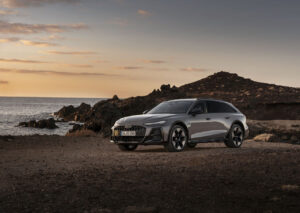
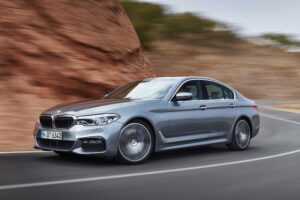
The estate is one of the most useful cars Mercedes makes and barely costs more used than the saloon, so unless you specifically want the saloon’s looks, the estate is the smarter buy. Against an Audi A6 the E-Class trades the Audi’s interior polish for a plusher ride; against a BMW 5 Series it gives up some handling sharpness for superior long-distance comfort. If you want the SUV version of this Mercedes recipe, our Mercedes GLE W167 used buyer’s guide covers the same engines in a taller body, and the Audi A6 Allroad C8 guide is the natural cross-shop.
| Used executive saloon | Mercedes E-Class W213 | Audi A6 C8 | BMW 5 Series G30 |
|---|---|---|---|
| Pick of the engines | E220d / E300d diesel | 40 TDI | 520d |
| Ride and refinement | Class benchmark, plushest | Firmer, very quiet cabin | Composed but sportier |
| Handling | Relaxed long-distance cruiser | Neutral and secure | The keen driver’s choice |
| Interior feel | Traditional luxury, twin screens | Most modern, dual touchscreens | Driver-focused, iDrive rotary |
| Main thing to check | OM654 cam wear, AIRMATIC | Mild-hybrid electrics, DPF on short trips | EGR and timing chain on early cars |
| Best for | Comfort and big-mile refinement | Cabin tech and build quality | Drivers who still want to enjoy it |
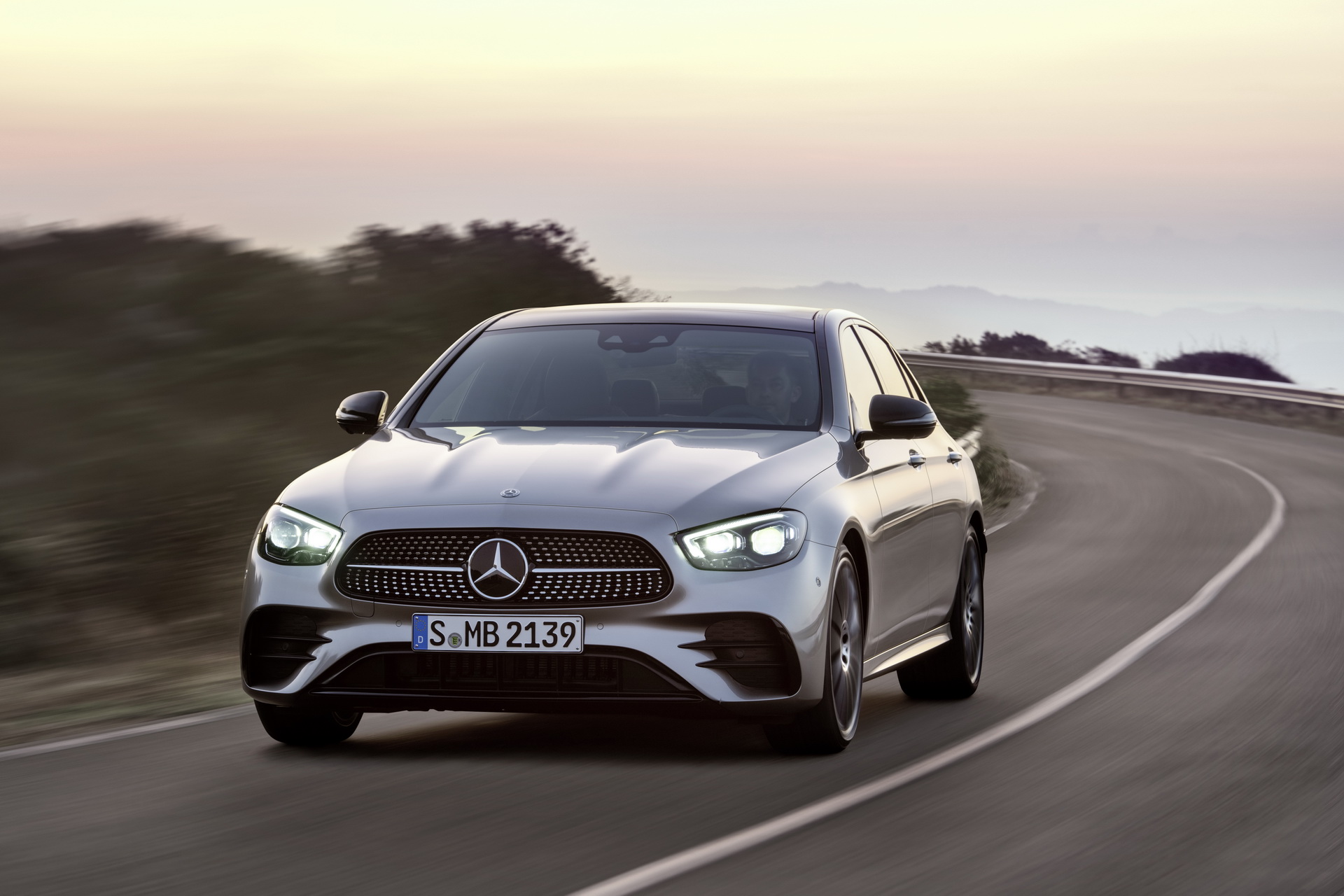
To judge the cabin tech and how the facelift drives before you view one, this independent UK road test of the updated car is worth a watch.
The pre-purchase checks that separate a good W213 from a bad one
Run through these before you commit:
- Insist on a full, on-time Mercedes or specialist service history, especially correct-oil diesel services.
- Cold-start any OM654 diesel and listen for top-end rattle that could signal cam wear.
- If the car has AIRMATIC, check for an overnight sag at one corner and a labouring compressor.
- Work COMAND or MBUX, the cameras, parking sensors and driver-assist for spurious warnings.
- Check the free DVSA recall service on gov.uk and confirm any outstanding work has been completed.
- Compare the asking price against current Auto Trader and Carwow listings for the same engine, year and mileage.
The Mercedes E-Class W213 remains the comfort and refinement benchmark in the used executive class, and a well-chosen one is a lot of car for the money. We would buy a post-2020 facelift E220d or E300d with complete Mercedes history, ideally as an estate, on steel suspension or with proven AIRMATIC, and on sensible wheels. We would walk away from any high-mileage OM654 diesel with a cold-start rattle and no service evidence, and we would think twice about an AMG or air-sprung car without a maintenance budget to match. Buy on paperwork and condition rather than badge and options, and the W213 delivers years of quiet, classy, big-mile motoring that its rivals struggle to match for the same outlay.
Is the Mercedes E-Class W213 reliable?
Which W213 E-Class engine should I buy?
What is the OM654 camshaft problem?
Should I buy a W213 with air suspension?
Saloon or estate, which used E-Class is better value?
How much does a used Mercedes E-Class cost to run?
Mercedes E-Class vs BMW 5 Series vs Audi A6: which is best used?
Related reading on CDE
- Mercedes GLE W167 used buyer’s guide: best engine, year and what to skip
- Audi A6 Allroad C8 used buyer’s guide
- Audi A8 D5 used buyer’s guide: best engine, year and what to avoid
How we researched this guide
Every pick here is shortlisted from hands-on testing and time spent living with the hardware by the CDE desk, then sanity-checked against current UK pricing, manufacturer specs and real-world performance before it makes the cut. We never rank for commission — affiliate links don't change the order.
Buyer action
Where to check next
Use this as the final check before paying a deposit, signing finance paperwork or relying on a headline monthly figure.