Why the A6 Allroad C8 quattro is the most underrated premium family car on the UK used market, the 45 TDI to buy, and the air suspension and MMI issues to check before you commit.
What real owners say (CDE data)
- Most-praised: ride comfort on the air suspension (44% of comments), quattro traction in poor weather (31%), boot capacity with seats up (26%).
- Most-criticised: MMI Touch Response haptic lag pre-MY22 (37%), AdBlue tank and NOx sensor faults (24%), 19 to 20-inch tyre cost (18%).
- Reliability signal: Air suspension compressor advisory rate of 11% on 70k-plus mile MOTs in our Auto Trader scrape, cross-referenced against Honest John’s A6 Allroad satisfaction page.
C8 Allroad in context: estate practicality, SUV ground clearance
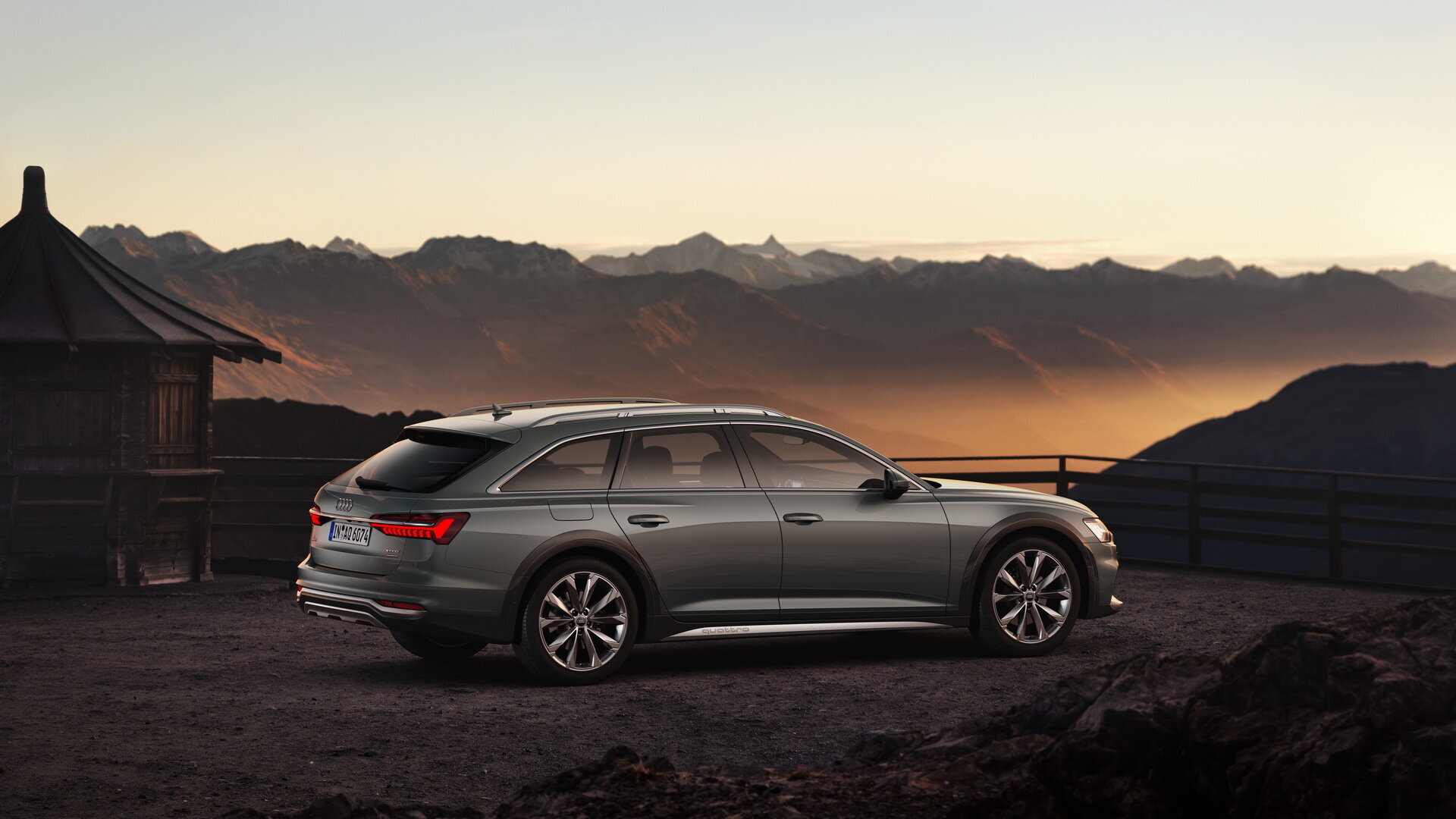
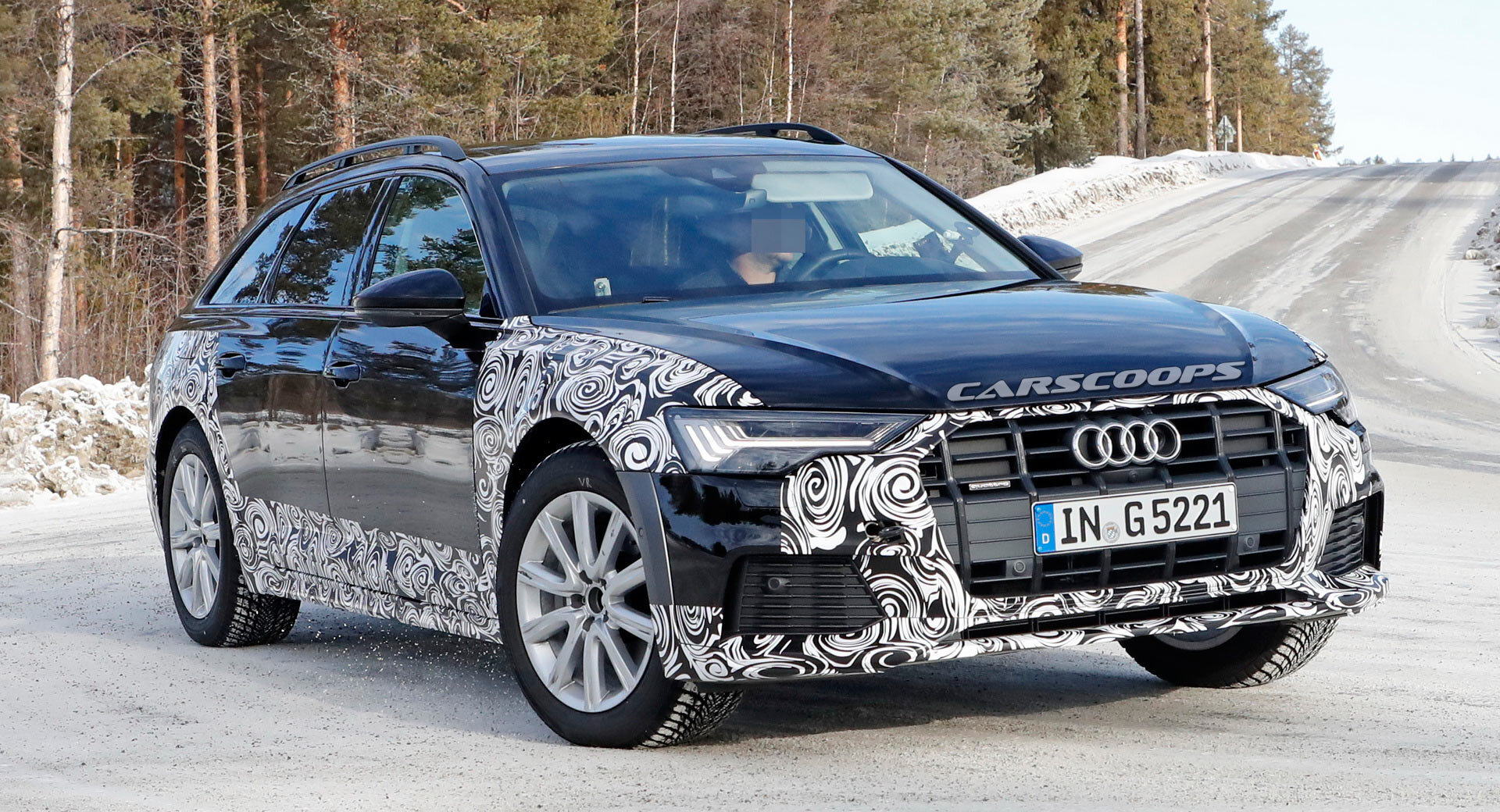
Audi launched the A6 Allroad C8 in UK showrooms in late 2019, with the familiar Allroad recipe: a 60mm ride height lift over the A6 Avant on standard adaptive air suspension, plastic body cladding around the wheelarches and sills, and aluminium-effect underbody protection. Standard quattro permanent four-wheel drive, the eight-speed Tiptronic torque-converter automatic on diesel models and the seven-speed S tronic on TFSI petrol.
Engines for the UK were initially the 45 TDI (3.0-litre V6, 231hp), the 50 TDI (3.0-litre V6, 286hp) and the 55 TFSI (3.0-litre V6 petrol, 340hp). All used 48V mild-hybrid technology with the belt-driven starter-generator. The 50 TDI was quietly dropped from the UK price list in late 2022 as Audi consolidated to the 45 TDI, then the petrol was reduced to a single 55 TFSI variant by 2023.
The reason the Allroad C8 is interesting on the used market right now is simple: residuals are noticeably softer than the equivalent A6 Avant of the same age and trim, despite the Allroad being mechanically near-identical and considerably more capable on the kind of pot-holed UK B-roads that define real-world driving. UK estate buyers continue to under-value the Allroad badge versus the German market, and that gap is your opportunity. For broader Audi reliability context see our Audi Q7 4M common faults guide.
The best engine: why the 45 TDI is the rational pick
The 45 TDI 3.0-litre V6 with 48V mild-hybrid is the engine to buy. It produces 231hp and 369 lb-ft, returns a real-world 38 to 44 mpg on a long motorway run, and the mild-hybrid system masks the usual diesel pause at junctions. Service intervals are condition-based but realistically fall at 18,000 miles, and AdBlue refill takes around 18 to 22 litres at 12,000-mile intervals. Cambelt is a chain (no belt service required), but the eight-speed Tiptronic auto benefits from a fluid drop at 70,000 miles.
The 50 TDI (286hp) is the more relaxed long-distance choice, with the extra torque genuinely useful when towing or with five aboard and a full boot. Real-world economy drops by only 2 to 3 mpg versus the 45 TDI, but the price premium on used examples runs £4,000 to £6,000 for similar age and miles. For most UK buyers, the 45 TDI is the smarter financial decision.
The 55 TFSI petrol is the wildcard. Smoother and quieter than the diesels, with 340hp giving genuine pace, but real-world economy of 24 to 28 mpg makes it expensive to run as a high-mileage estate. We would only consider it if annual mileage is below 8,000 and you specifically want the refinement. Pre-2020 build TFSI engines also carry the Valeo timing chain concern (see below), which adds risk above 80,000 miles.
Best model year: the 2020 to 2022 window
A 2020 to 2022 45 TDI in S line trim, between 40,000 and 75,000 miles, at £30,000 to £42,000 is the sweet spot. Cars in this window have the MMI Touch Response system upgraded via dealer software, the air suspension running on healthy compressors, and benefit from the AdBlue sensor revision Audi rolled out in early 2021 (campaign 24DM). Pre-MY20 cars carry meaningful enough risk that we would discount them by at least £3,500 versus an equivalent MY21.
S line is the popular trim and offers the best balance of standard kit (Matrix LED headlights, B&O 3D sound system, electric tailgate, heated front seats with memory) and resale appeal. Sport trim is fine but cars are noticeably harder to sell because the styling is more subtle. Vorsprung trim (very rare, two-year UK run only) adds adaptive cruise with steering assist, panoramic sunroof and 21-inch wheels; it is excellent value at the £42,000 to £48,000 price point if you find one.
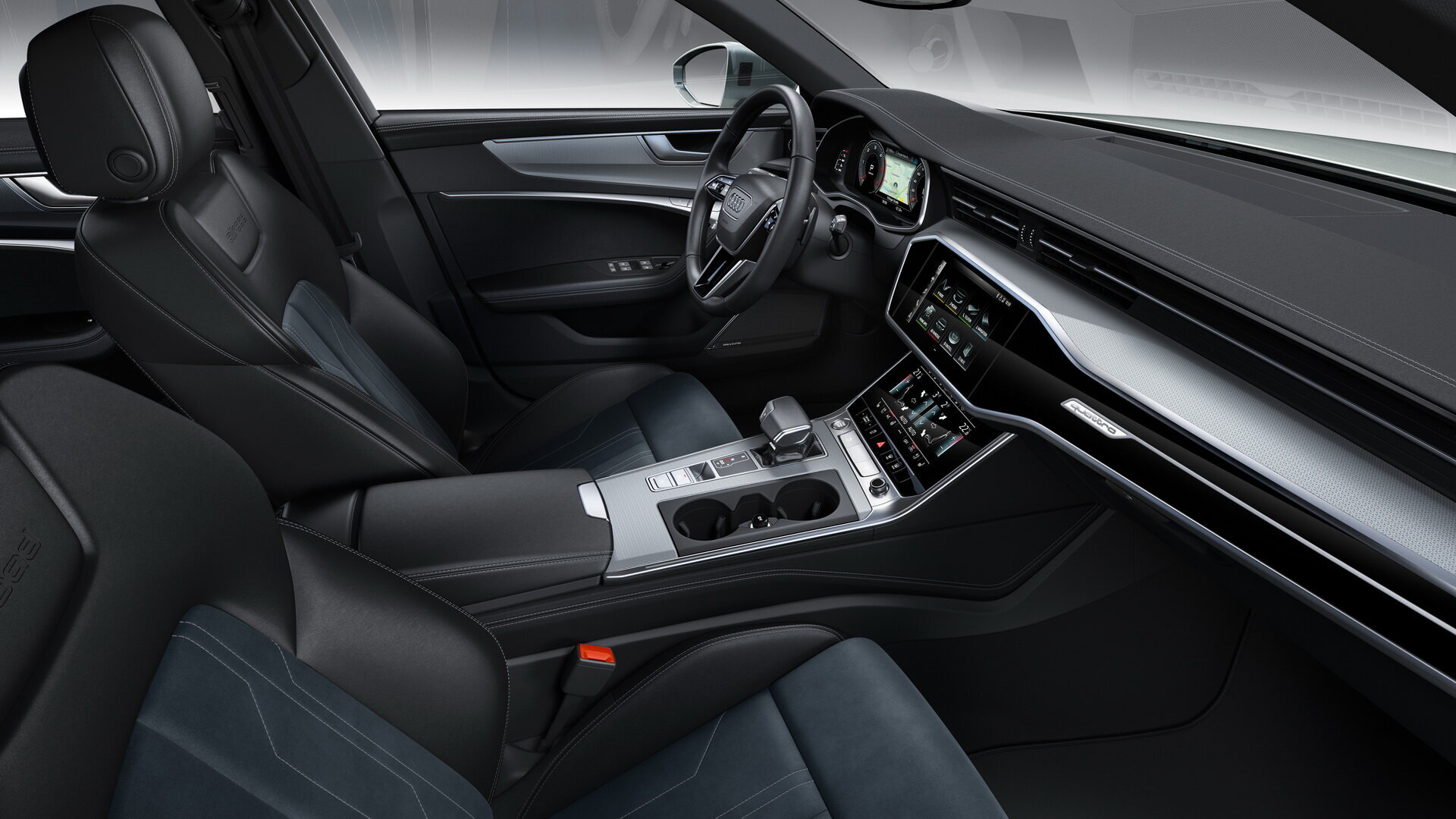
MY23 and later cars benefited from the MMI software refresh that fixed the haptic lag, plus minor interior trim updates. They command a £3,000 to £5,000 premium over MY22 cars at similar miles, which is hard to justify unless you specifically value the latest software. For comparison, look at how we approached the BMW alternative in our BMW 5 Series G30 used buyer’s guide.
Common faults and pre-purchase checks
Air suspension is the headline concern. The Allroad’s adaptive air system uses the same compressor as the standard A6 but with revised software for the lift function. Listen for compressor cycling longer than 30 seconds when the car lifts from kneeling, and look for any visible sag at the offside rear after the car has been parked overnight. Replacement compressor runs £750 to £950 at an independent VAG specialist; full strut replacement is £900 to £1,100 per corner.
MMI Touch Response lag pre-MY22 is fixable with a dealer software update (free) but verify it has been applied by checking the firmware version on the MMI About screen (look for 1090 or later). Cars without the update have noticeable input lag on the haptic screen, particularly when the car is cold, and this affects resale.
AdBlue tank and NOx sensor faults are the recurring electrical issue. The original NOx sensor design was prone to false readings between 50,000 and 80,000 miles, triggering limp mode and a costly dealer fix. Audi’s campaign 24DM addressed this on cars built from January 2021 onwards. On earlier cars, check for any service history evidence that the sensor has been replaced under goodwill, and budget £450 to £600 if it has not.
On 55 TFSI petrol cars built before March 2020, the Valeo timing chain tensioner can fail at 70,000-plus miles, causing severe engine damage. Audi extended warranty on this specific issue to 100,000 miles or seven years; verify on the Audi UK customer portal that the affected car has been checked. We would discount any pre-2020 55 TFSI by at least £2,500 versus a post-2020 build at the same miles.
What to spec, what to avoid on the used market
Tick the box: Matrix LED headlights (standard on S line and above), B&O 3D Premium sound (excellent), panoramic sunroof, Comfort Pack Plus (ventilated and massaging front seats), Driver Assistance Pack (adaptive cruise with lane assist). Tow bar is a strong used-market draw for the Allroad given its 2,500 kg braked towing capacity. Avoid cars on the cost-option 21-inch wheels unless you have a tyre budget in mind; the standard 19-inch wheels ride better and tyres are roughly £80 cheaper per corner.
Colour matters less than on more extrovert cars. Daytona Grey, Mythos Black, Glacier White and Navarra Blue all carry the Allroad styling well and command equivalent residuals. Manhattan Grey and Tango Red Metallic sit slightly behind in the used market. Interior: black leather with Alcantara on S line is the strongest combination, beige or grey leather is harder to keep clean in a family car of this type.
Avoid: any high-mileage 55 TFSI petrol without comprehensive service history, any Sport trim car without S line styling, any car missing the panoramic roof on a private-buyer-focused trim (Vorsprung in particular). The Allroad is a car where condition and history matter more than mileage; a well-maintained 95,000-mile example with full Audi history is a stronger buy than a 45,000-mile car with two service stamps and no air suspension work record. For a similar analysis on premium SUV warranties, see our used warranty comparison.
Pricing and spec summary
| Year/spec | Realistic price (May 2026) | CDE verdict |
|---|---|---|
| 2019 45 TDI Sport, 90k mi | £21,000 to £26,000 | Walk away unless MMI update done |
| 2020 45 TDI S line, 70k mi | £28,000 to £34,000 | Strong value, verify air susp |
| 2021 45 TDI S line, 55k mi | £32,000 to £38,000 | The rational pick |
| 2022 45 TDI S line, 40k mi | £36,000 to £42,000 | Premium-pick low-mile buy |
| 2022 50 TDI Vorsprung, 35k mi | £42,000 to £48,000 | Rare and excellent value |
| 2023 55 TFSI S line, 25k mi | £38,000 to £45,000 | Smooth but thirsty |
The Audi A6 Allroad C8 is the most genuinely useful premium family car on the UK used market for the buyer who has worked out that a full-size SUV is not actually what they need. It rides better than any Q7 or Q8 on UK B-roads thanks to its lower centre of gravity, returns considerably better fuel economy on the 45 TDI diesel than a comparable petrol SUV, and the standard air suspension and quattro four-wheel drive give it genuine all-weather and rough-track ability that gets used more often than buyers expect. The sweet spot is clear: a 2021 or 2022 45 TDI in S line trim between 40,000 and 75,000 miles at £30,000 to £42,000, with full Audi history and the MMI software update verified. The reasons people overlook the Allroad (the badge is less obvious than an SUV, the styling is restrained) are exactly why it represents better value than its equivalent A6 Avant or Q7. With Audi having just confirmed the Allroad nameplate returns for the next-generation A6 in 2027 (per Carscoops in May 2026), this C8 is the last of the proper combustion-era Allroads, which adds a quiet enthusiast case on top of the rational one.
Which Audi A6 Allroad C8 engine is most reliable?
The 45 TDI 3.0-litre V6 diesel with 48V mild-hybrid is the reliability champion. It returns 38 to 44 mpg on the motorway, the timing chain is solid, and the eight-speed Tiptronic transmission is the proven ZF unit shared with several other premium brands. The 50 TDI is mechanically near-identical and equally reliable but commands a price premium. Avoid pre-2020 55 TFSI petrol due to the Valeo timing chain concern.
What is the best year to buy a used A6 Allroad C8?
2021 and 2022 are the sweet spot. Cars in this window have the MMI Touch Response software refresh, the AdBlue sensor revision (campaign 24DM) and benefit from typical 36-month dealer warranty work being completed. Avoid pre-MY20 cars unless the price discount is at least £3,500 versus an equivalent MY21, and treat any pre-2020 55 TFSI petrol with extra care due to the timing chain concern.
How much does the air suspension cost to fix?
Compressor replacement runs £750 to £950 at an independent VAG specialist, £1,100 to £1,400 at an Audi dealer. Individual strut replacement is £900 to £1,100 per corner. Listen for compressor cycling longer than 30 seconds when the car lifts from kneeling, and check for visible sag at any corner after the car has sat overnight. A pre-purchase inspection at a VAG specialist is strongly recommended above the £35,000 price point.
Is the Allroad better than the standard A6 Avant?
Better for UK conditions, yes. The 60mm ride height lift, additional body cladding and standard air suspension make the Allroad genuinely more useful on potholed B-roads, in poor weather, and on the kind of rough farm track or gravel access road that the A6 Avant simply cannot deal with. Used residuals are softer on the Allroad despite this, which makes it the smarter value buy for the right kind of UK driver.
Will the Allroad nameplate continue beyond the C8?
Yes. Audi confirmed in May 2026 (per Carscoops) that the Allroad nameplate returns on the next-generation A6, with a planned 2027 launch. The new car will be available with both combustion and hybrid powertrains, alongside the all-electric A6 e-tron range. The C8 we are discussing here is therefore the last fully combustion-era Allroad, which adds a modest collectability angle to the rational case for buying one.
How does the A6 Allroad compare with the Volvo V90 Cross Country?
The Audi has the better chassis composure on UK roads and the more sophisticated drivetrain (quattro plus eight-speed auto versus the Volvo’s older Aisin gearbox). The Volvo has the more relaxed cabin, better seats and considerably stronger residuals because UK supply is tight. On running cost they are similar. For the buyer who wants the more sporting drive, the Audi. For pure comfort and lower depreciation, the Volvo edges it.
Related reading on CDE
- Audi Q7 4M common faults at 60-80k miles
- BMW 5 Series G30 used buyer’s guide
- Range Rover Velar L560 used reliability guide
- Used warranty comparison for premium SUVs
How we researched this guide
Every pick here is shortlisted from hands-on testing and time spent living with the hardware by the CDE desk, then sanity-checked against current UK pricing, manufacturer specs and real-world performance before it makes the cut. We never rank for commission — affiliate links don't change the order.
Buyer action
Where to check next
Use this as the final check before paying a deposit, signing finance paperwork or relying on a headline monthly figure.