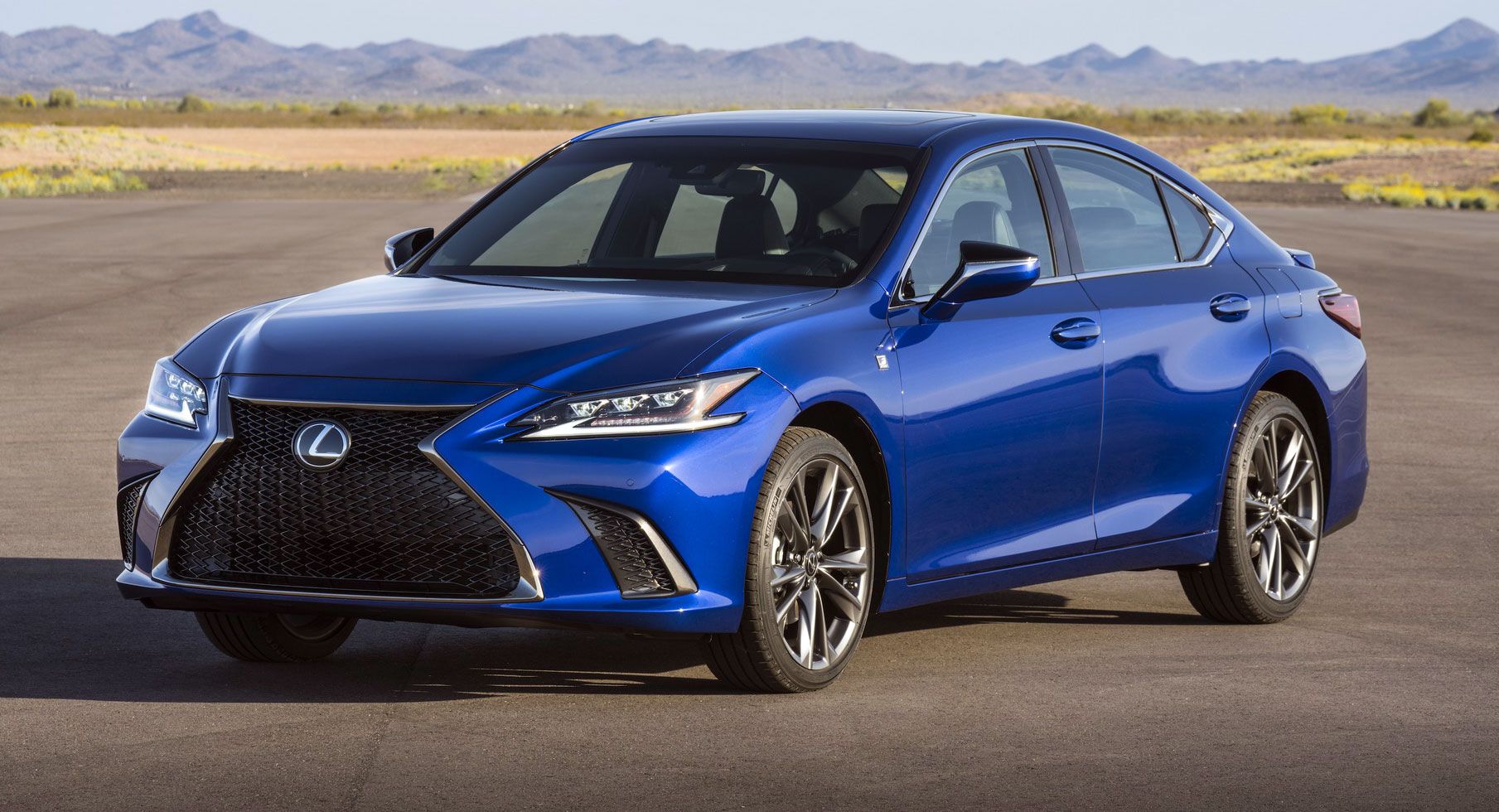
The Lexus ES (XZ10) is the used executive saloon for the buyer who wants a German-badge alternative that simply will not break. This Lexus ES used buyer’s guide covers which year and trim to buy, the genuine faults to check, and real UK prices, with clean 2019 to 2021 cars now sitting around the high-£20,000s. Our verdict: buy a serviced Premium or F Sport on Lexus history, accept the softer drive and the 454-litre boot, and you get an E-Class rival that should cost you almost nothing in stress.
What real owners say (CDE data)
CDE cross-referenced Lexus Owners Club and PistonHeads ES 300h owner posts against DVSA recall records and the 2024 What Car? Reliability Survey, checked 1 June 2026.
- Most-praised aspects: hybrid refinement and quiet running, low fuel and tax bills, and dealer service experience plus the Relax warranty.
- Most-criticised aspects: the Remote Touch trackpad infotainment, road noise on motorway tyres, and the e-CVT drone under hard acceleration.
- Reliability signal: Lexus scored 94.2% and placed ninth of the brands ranked in the 2024 What Car? Reliability Survey; the ES itself draws very few mechanical complaints, with the main DVSA item being the 2020 Denso low-pressure fuel pump recall on early cars.
Why the ES 300h is the low-stress German-saloon alternative
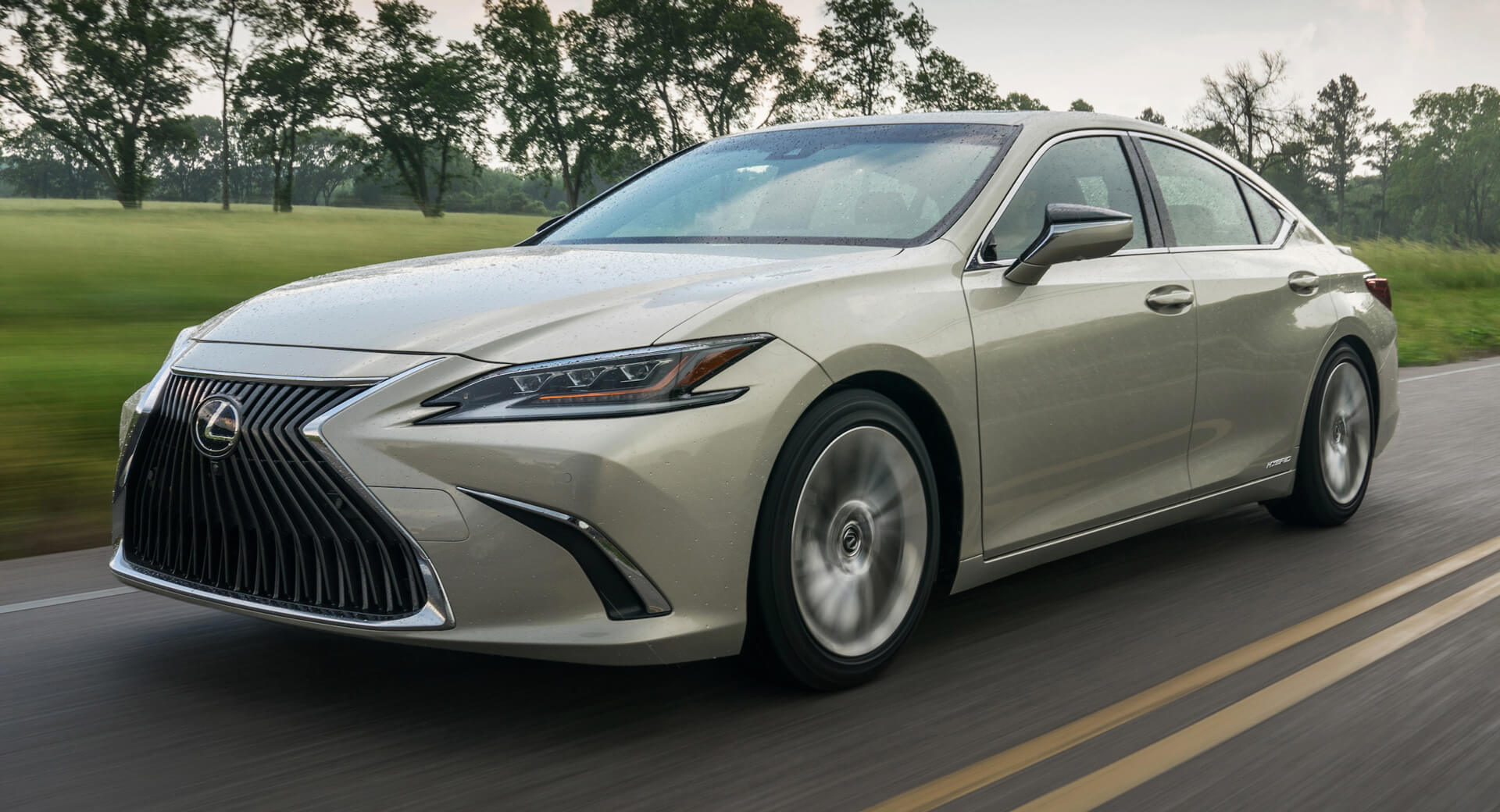
The seventh-generation ES (chassis code XZ10) reached the UK at the end of 2018, and it arrived with one job: to be the executive saloon you never think about. There is a single UK powertrain, the ES 300h self-charging hybrid, pairing a 2.5-litre four-cylinder petrol engine with an electric motor for a combined 215bhp and 0 to 62mph in 8.9 seconds (DrivingElectric). There is no plug, no diesel, no turbo. Against an E-Class, 5 Series or A6, the ES trades outright pace and steering feel for Toyota-Lexus hybrid durability and a cabin that shrugs off motorway miles. If you have owned a German diesel saloon and grown tired of DPF warnings, AdBlue and timing-chain anxiety, the ES is the antidote.
Which year and trim to buy used
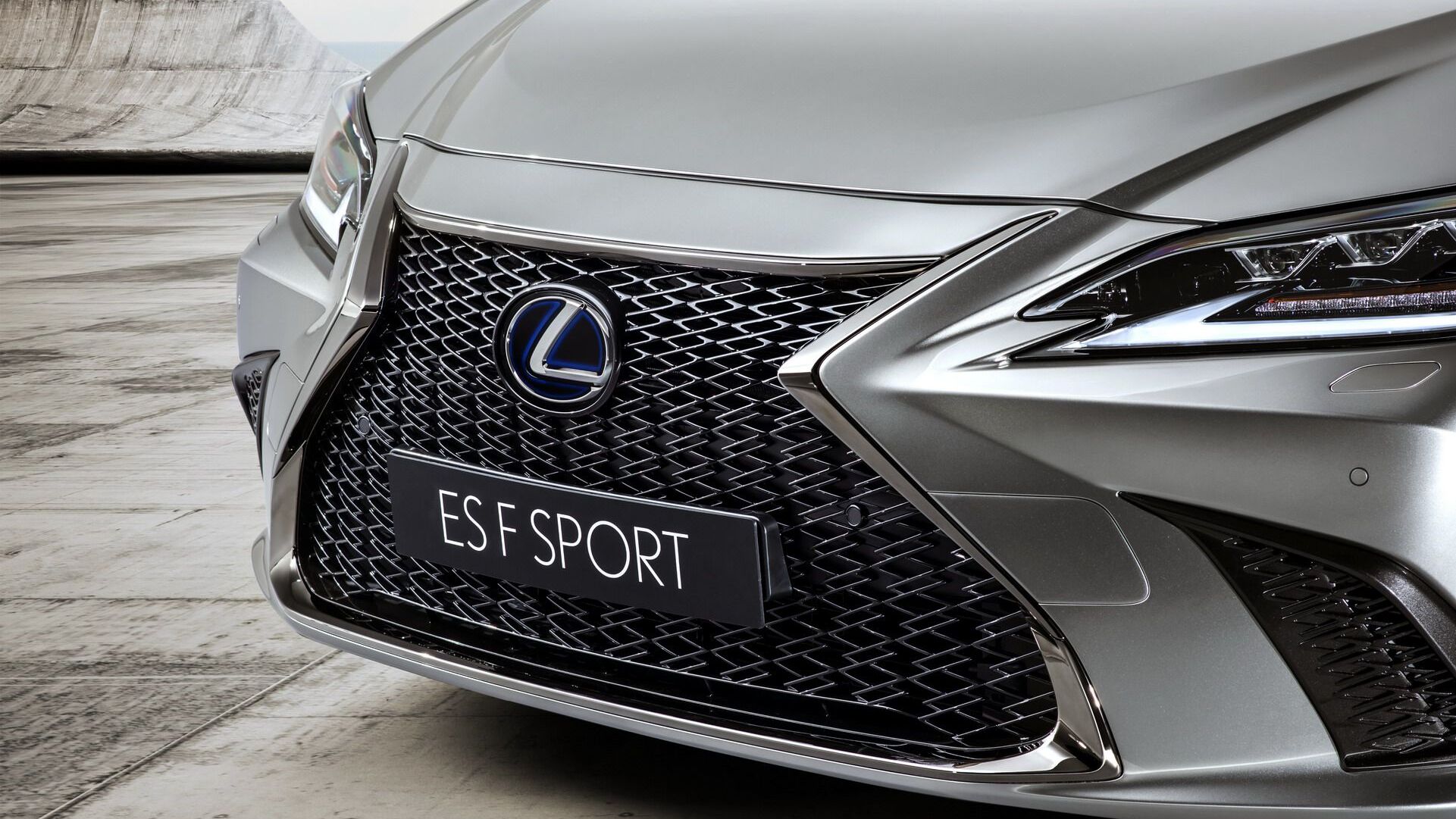
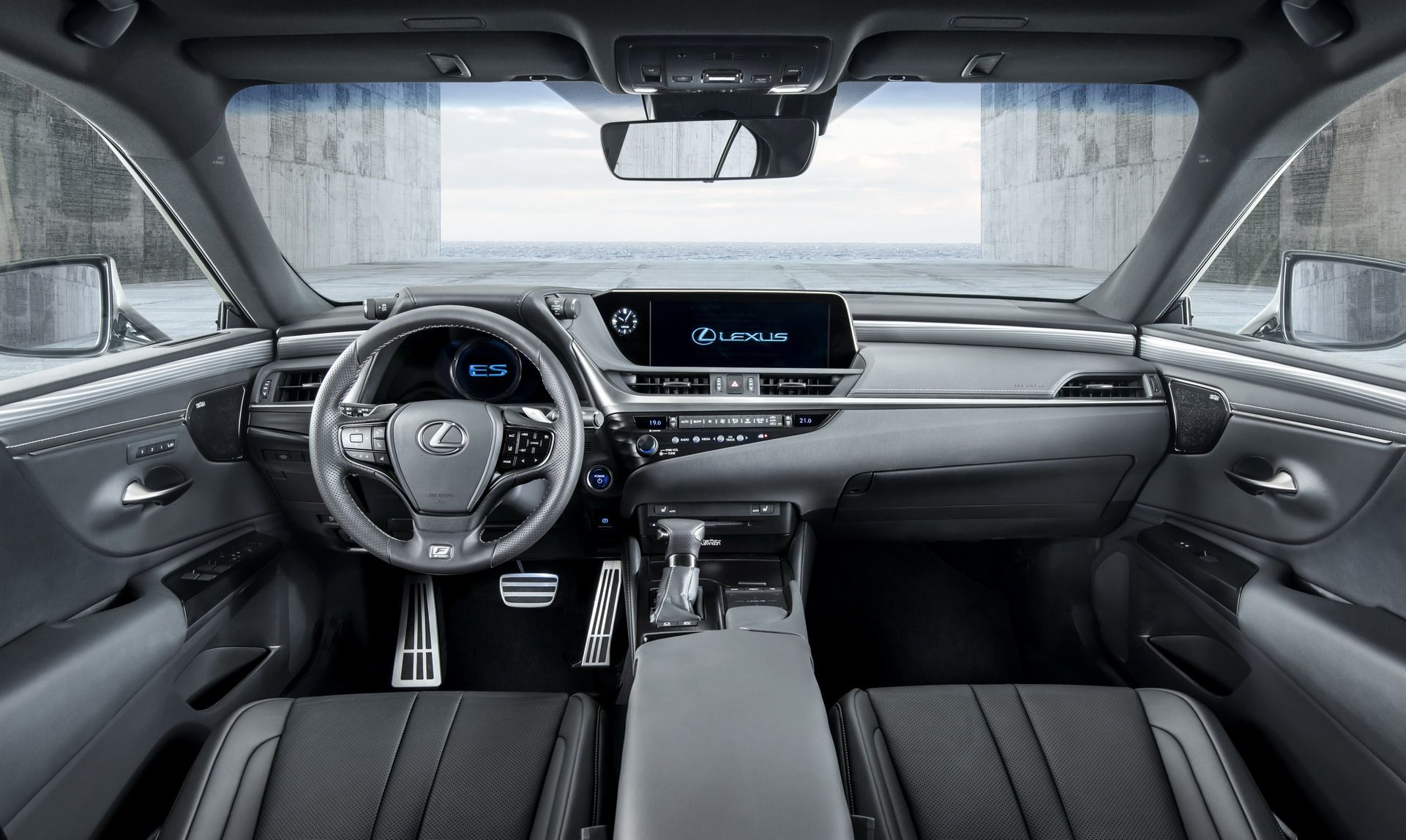
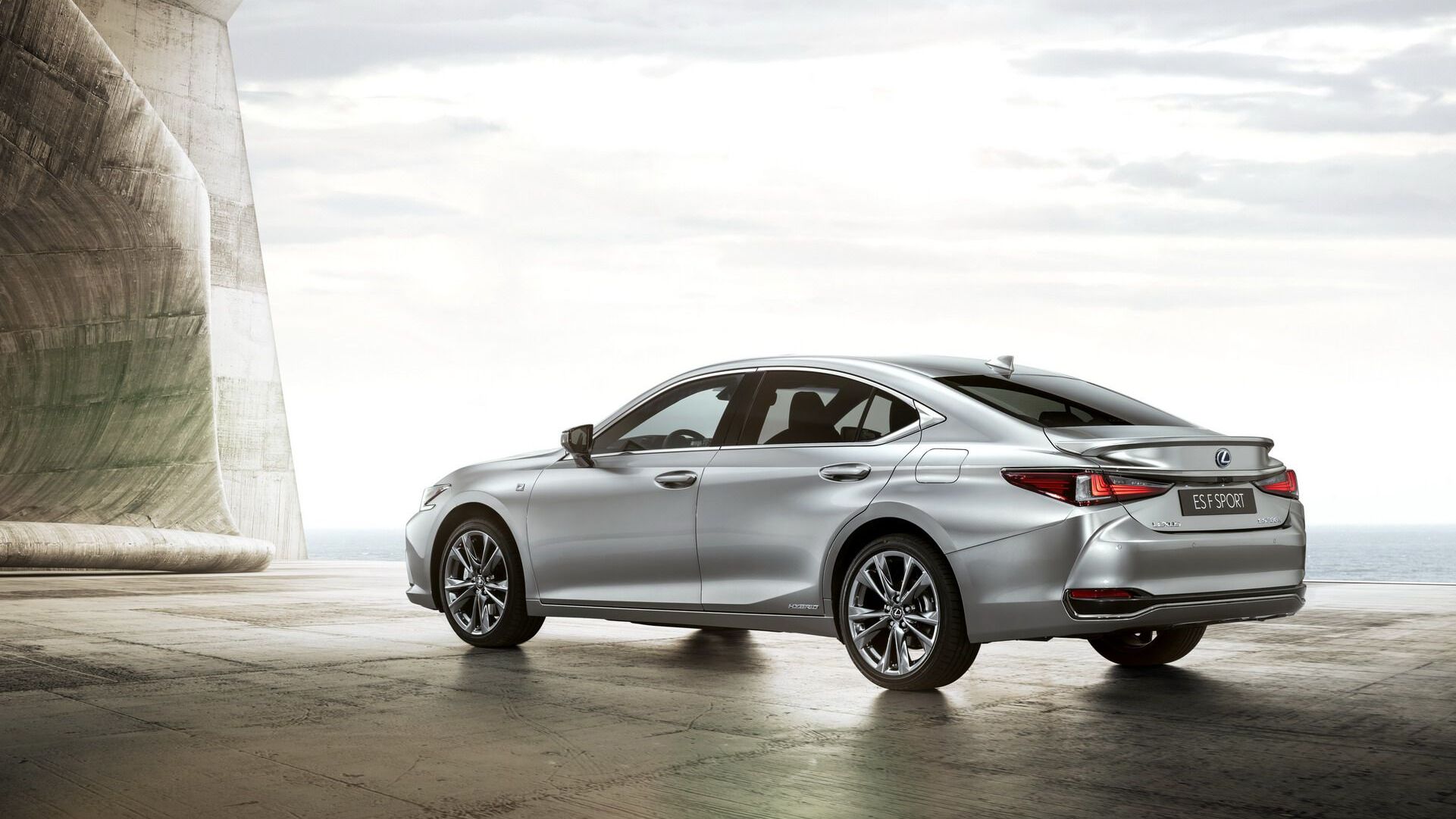
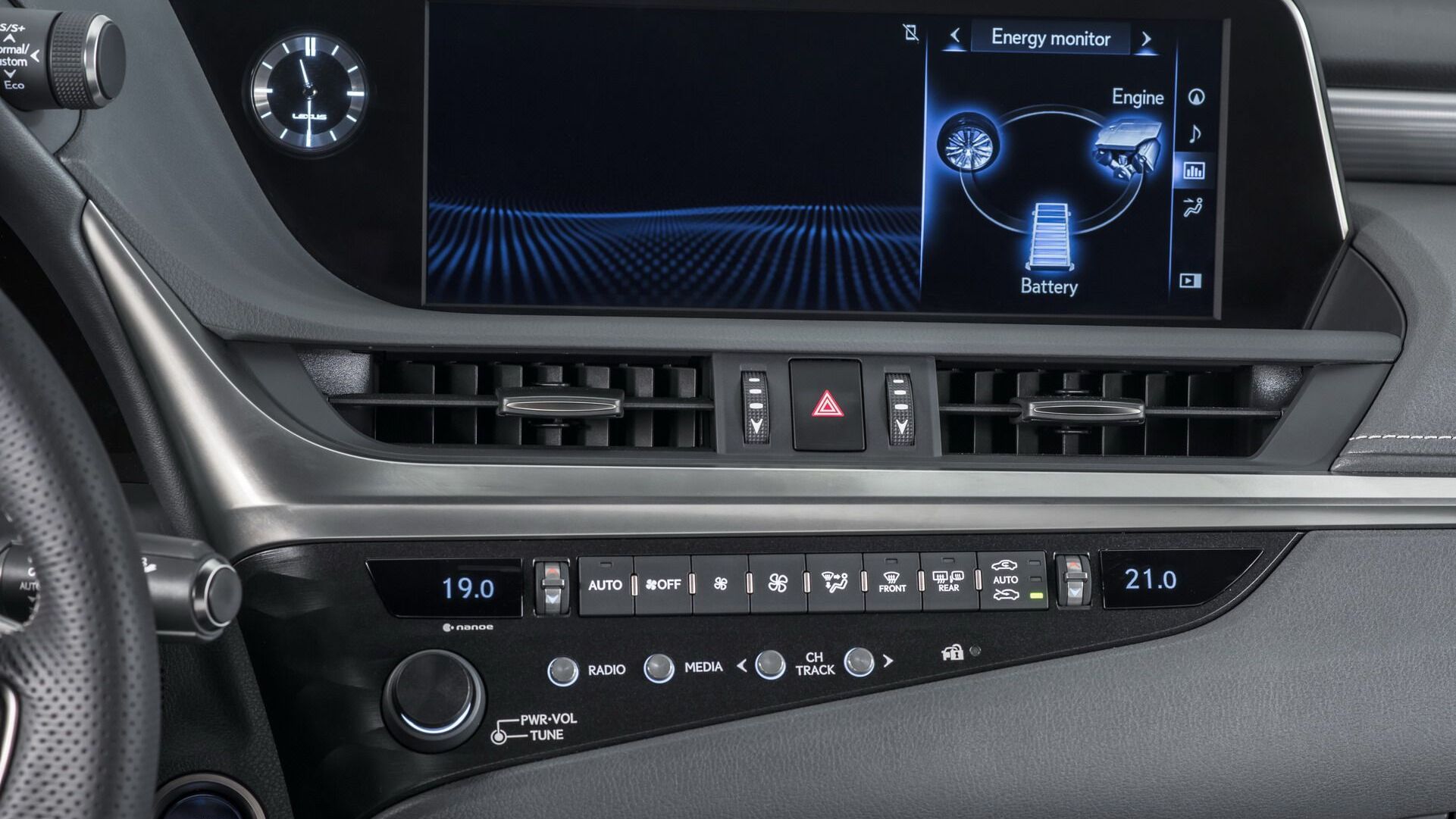
The sweet spot is a 2019 to 2021 car in Premium or F Sport. The base ES came well equipped with 17-inch alloys, leather and dual-zone climate, but Premium adds the larger 12.3-inch screen, blind-spot monitoring and a power boot, which most buyers want. F Sport brings adaptive dampers and sharper looks without changing the running gear, while range-topping Takumi piles on a Mark Levinson stereo and a head-up display. The 2022 facelift sharpened the bumpers and, more usefully, swapped the old trackpad-dependent system for a touchscreen, so if the infotainment matters to you, target a post-2022 car. For most used buyers, a clean pre-facelift Premium is the value pick. If you would rather have the same hybrid hardware in an SUV body, our Lexus NX used buyer’s guide walks through the same logic for the crossover.
What a used Lexus ES costs in 2026
Pricing is the quiet advantage. In a CarGurus.co.uk inventory scan on 1 June 2026, 42 used ES 300h cars ranged from £17,900 to £42,709, with an average of about £28,700 (CarGurus.co.uk). That buys a clean 2019 to 2020 Premium with a full history, undercutting an equivalent-age E-Class 300de or 5 Series 530e by a useful margin once you factor in their higher service and tyre bills. Early high-mileage base cars dip below £20,000; later Takumi examples sit in the high £30,000s. The ES depreciates steadily rather than steeply, so buying at three to four years old captures most of the drop while leaving years of warranty on the table.
The genuine faults to check (there are very few)
Be honest with yourself: this is a mechanically dull car to fault-find because so little goes wrong. The real items are minor. The 12V auxiliary battery drains on cars left standing for weeks, the classic symptom on any low-mileage hybrid, so a flat or weak 12V on a forecourt car is a bargaining point, not a deal-breaker. Road noise climbs on coarse surfaces, worse on cars wearing cheap replacement tyres, so check what is fitted. The e-CVT drones when you bury the throttle, which is character, not a fault. The Remote Touch trackpad on pre-2022 cars is a usability gripe rather than a defect; it works, it just annoys. Beyond that, watch for kerbed alloys and tired brake discs from town use, since strong regen means the friction brakes can rust before they wear.
The fuel-pump recall and your pre-purchase checks
The one recall worth knowing is the Denso low-pressure fuel pump campaign that affected a slice of 2018 to 2020 Toyota and Lexus hybrids, including early ES 300h cars, where a faulty impeller could cause the engine to stall. The remedy is a free pump replacement at a Lexus centre. Do not take a seller’s word for it: run the registration through the gov.uk MOT history service to see the advisory and mileage trail, then check the DVSA vehicle recall lookup to confirm any outstanding recall has been closed. On the car itself, confirm a stamped or digital Lexus service record, check the hybrid system warning lights all extinguish on start-up, and budget a pre-purchase inspection if the history has gaps.
Hybrid battery health and the Lexus Relax warranty
The hybrid battery is the part buyers worry about and almost never need to. Lexus covers the high-voltage battery separately and for longer than the main car, and the brand’s standout used-buyer asset is Lexus Relax: it extends warranty cover for up to 10 years or 100,000 miles, whichever comes first, renewed in 12-month chunks every time the car is serviced at an official Lexus centre, and crucially it transfers to used owners who keep to that schedule (Lexus UK). That single rule changes the maths: a six-year-old ES bought from a Lexus dealer and serviced there can carry manufacturer-backed cover that a same-age German rival cannot match. Ask to see the service history that keeps Relax live, because a car serviced independently loses it.
Running costs: tax, MPG and insurance
This is where the ES quietly wins back its price premium over years of ownership. The hybrid returns a real-world 50 to 53mpg combined with CO2 of 119 to 128g/km (DrivingElectric), so road tax sits at the standard car rate rather than a diesel penalty band, and town economy in particular shames an equivalent German diesel. Insurance is sensible for the class: the ES Saloon spans groups 31 to 39 of 50, with base and F Sport cars in the low 30s and Takumi nearer 36 to 38 (Parkers). Service intervals are typically annual, and Lexus servicing is the price you pay to keep Relax alive, which we think is money well spent on a used example.
The trade-offs: softer drive, smaller boot
The ES is not trying to beat a 5 Series down a B-road, and you should buy it knowing that. The steering is light, the body leans more than a sports saloon and there is no diesel torque for effortless overtakes; you wait for the hybrid to gather itself. The boot is the other compromise. At 454 litres it is competitive on paper, but the hybrid battery means the rear seats do not fold flat in most versions, so long or bulky loads are a problem an estate or a German saloon with split-folding seats would swallow (DrivingElectric). If you regularly carry flat-pack furniture or bikes, the ES is the wrong saloon. If you carry people and luggage, it is fine. Buyers cross-shopping the obvious diesel rival should read our Mercedes E-Class W213 used buyer’s guide for the faults the ES does not have.
Before you commit, sanity-check the figures that define the ES against the manufacturer and specialist sources below.
| Spec | Lexus ES 300h (XZ10) | Source |
|---|---|---|
| Powertrain | 2.5 four-cylinder petrol + electric, self-charging hybrid | DrivingElectric |
| Combined power | 215bhp | DrivingElectric |
| 0-62mph | 8.9 seconds | DrivingElectric |
| Combined economy | 50-53mpg, 119-128g/km CO2 | DrivingElectric |
| Boot capacity | 454 litres (rear seats do not fold in most trims) | DrivingElectric |
| Insurance group | 31 to 39 of 50 by trim | Parkers |
Run these checks before you pay a deposit
- MOT history: check advisories, mileage consistency and tyre or brake flags on the gov.uk MOT history service.
- Outstanding recalls: confirm the Denso fuel-pump campaign is closed via the DVSA vehicle recall lookup.
- Warranty status: verify the car still qualifies for cover on the Lexus Relax page and that servicing has stayed at a Lexus centre.
- Real owner sentiment: read current ES 300h threads on the Lexus Owners Club forum for trim-specific quirks.
- Market price: sanity-check the asking price against live listings on Auto Trader or CarGurus before negotiating.
Our view on the Lexus ES used buyer’s guide is straightforward: this is the executive saloon to buy if your priority is never being let down. The right car is a 2019 to 2021 Premium or F Sport with a full Lexus history that keeps Relax warranty cover alive, ideally bought from a Lexus dealer in the high £20,000s. You buy it for the hybrid refinement, the 50mpg-plus running costs and the genuine Toyota-Lexus reliability record, and you accept the soft steering, the e-CVT drone and a 454-litre boot that will not fold flat. The buyer who walks away is the keen driver who wants steering feel, or the family that needs to fold the seats for bikes and flat-pack; they should take a German saloon or an estate. What would flip our recommendation is a missing service history that voids Relax, because the warranty is half the reason to buy this car over a cheaper rival.
Is the Lexus ES 300h reliable as a used buy?
Which Lexus ES trim should I buy used?
How much does a used Lexus ES 300h cost in 2026?
Does the Lexus Relax warranty transfer to a used ES?
Is the Lexus ES boot big enough for a family?
How does the ES 300h compare with a German diesel saloon?
Related reading on CDE
- Lexus NX used buyer’s guide 2026: the low-stress premium hybrid SUV
- Lexus RX 450h AL20 used buyer’s guide: the bullet-proof premium hybrid SUV
- Mercedes E-Class W213 used buyer’s guide 2026: the diesel, the trap and the checks
How we researched this guide
Every pick here is shortlisted from hands-on testing and time spent living with the hardware by the CDE desk, then sanity-checked against current UK pricing, manufacturer specs and real-world performance before it makes the cut. We never rank for commission — affiliate links don't change the order.
Buyer action
Where to check next
Use this as the final check before paying a deposit, signing finance paperwork or relying on a headline monthly figure.