PCP mileage limits are the quiet trap in premium car finance: agree too low a figure to shave a few pounds off the monthly payment, then hand the car back facing an excess-mileage bill that can run into four figures. This guide explains how the limit and the pence-per-mile charge actually work, runs the numbers on a £55,000 Range Rover Sport, and shows how to avoid the bill entirely. Our short answer: pick your mileage honestly at the start, because it is far cheaper to pay for miles up front than to be charged for them at the end.
What the finance data shows on excess mileage
CDE pulled the typical charge ranges from lender and broker excess-mileage guidance and cross-checked them against how the figure is set. The headline point: the charge is small per mile but compounds fast over a four-year term on a premium car.
- Typical excess charge: commonly 8p to 20p per mile, with the full market spanning roughly 3p to 30p depending on the car and lender.
- Why it exists: the lender sets your monthly payment around a Guaranteed Minimum Future Value, which assumes a mileage; more miles means a lower resale value, so they recover it from you.
- Where it bites hardest: premium models with higher values and steeper depreciation, exactly the cars CDE readers finance, often sit at the upper end of the pence-per-mile scale.
What a PCP mileage limit actually is
On a Personal Contract Purchase deal you do not pay off the whole car; you pay the depreciation across the term, plus interest, with a large Guaranteed Minimum Future Value (the balloon) deferred to the end. To set that balloon, the lender has to predict what the car will be worth when you hand it back, and mileage is the single biggest variable in that prediction. So you agree an annual mileage limit up front, usually 8,000, 10,000 or 12,000 miles a year. A lower limit means a higher predicted resale value, which means a smaller depreciation slice to fund, which is why a low-mileage quote looks cheaper each month. The catch arrives only if you exceed it, which is where the choice between finance routes in our PCH versus PCP comparison starts to matter.

That is the same residual-value logic that drives the monthly figure in our PCP versus HP guide for a £55,000 Range Rover, and it is why two identical cars can carry very different monthly payments purely on the mileage agreed.
How excess mileage charges are calculated
If you go over the total contracted mileage, you pay an excess charge for every mile beyond it, quoted in pence per mile in your agreement. According to Carwow’s excess-mileage guidance, that figure typically lands between 8p and 20p, and premium cars sit nearer the top of the range. Crucially, the charge is per mile over the whole term, not per year, so it is the total at the end that matters. The rate is fixed in the contract, so you can and should check it before you sign, because a 6p difference per mile turns into real money over four years of heavy driving.
Worked example: a £55,000 Range Rover Sport over four years
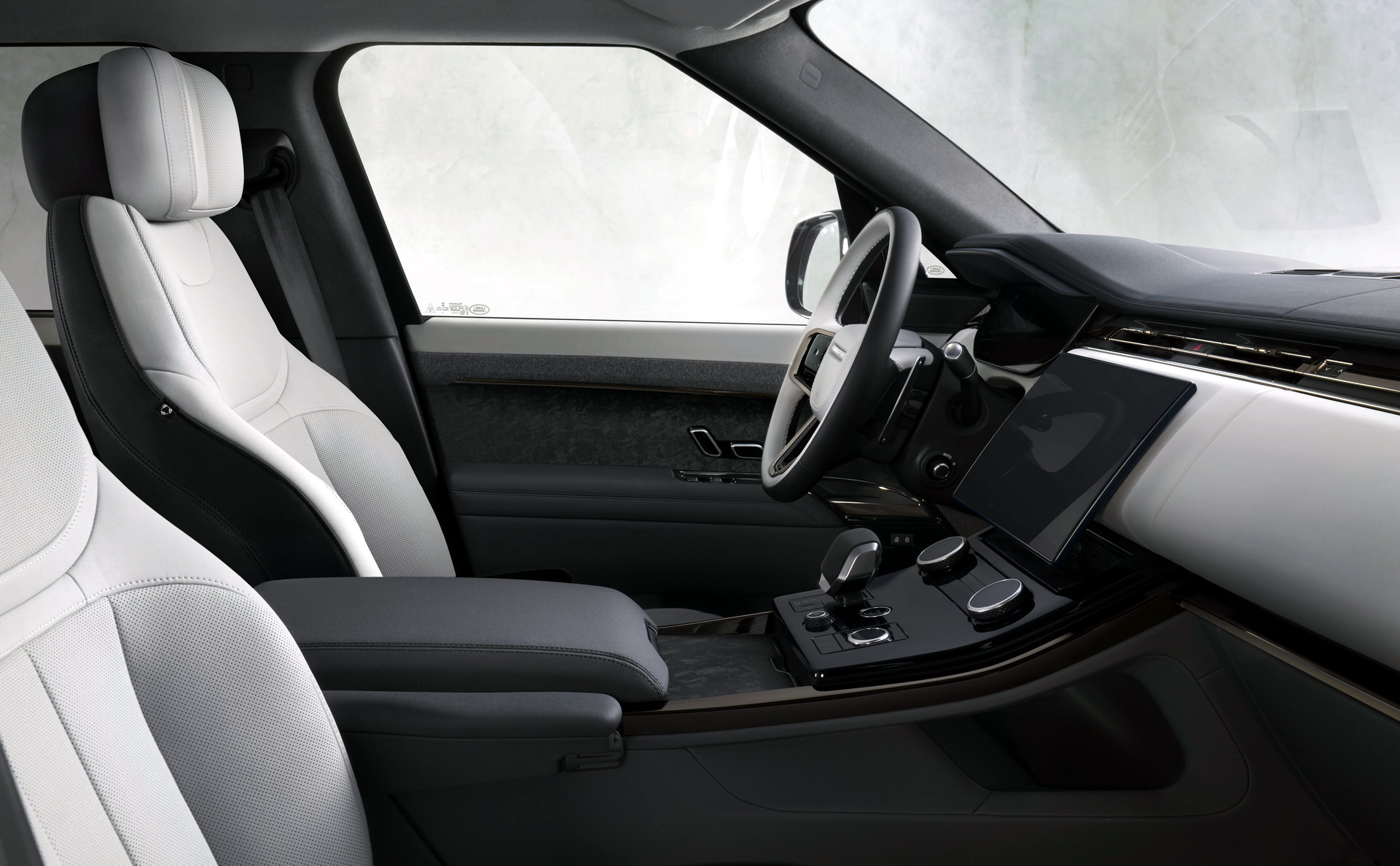
Say you finance a £55,000 Range Rover Sport on a four-year PCP and agree 8,000 miles a year to keep the monthly payment keen, with an excess charge of 15p per mile. Your contracted total is 32,000 miles. If you actually drive 12,000 miles a year, you finish on 48,000 miles, which is 16,000 miles over. At 15p, that is a £2,400 bill due when you hand the car back, on top of everything you have already paid. Had you agreed 12,000 miles a year from the start, the extra cost would have been spread across the monthly payments at a lower effective rate, and there would be no shock at the end. The lesson is blunt: under-declaring your mileage does not save money if you then drive the miles, it just moves the cost to the worst possible moment and usually makes it larger.
| Scenario (4-year PCP, 15p/mile excess) | Agreed | Driven | Excess bill |
|---|---|---|---|
| Honest mileage | 12,000/yr | 12,000/yr | £0 |
| Under-declared | 8,000/yr | 12,000/yr | around £2,400 |
| Modest overrun | 10,000/yr | 11,000/yr | around £600 |
How to avoid an excess-mileage bill
The fixes are mostly about honesty and timing. Set your annual mileage to what you genuinely drive, not the lowest figure the salesperson can quote. If you can see mid-term that you will overshoot, contact the lender to arrange a mileage extension, which usually adds the extra miles at a lower rate than the excess charge and spreads them over the remaining payments. If you are near the end and well over, consider buying the car (paying the balloon and keeping it) so the mileage no longer matters, or part-exchanging into a new deal where any equity offsets the position, as our PCP balloon settlement strategies guide sets out. The route to take depends on whether you have equity, which is the same calculation we set out in our premium PCP deposit strategy guide.
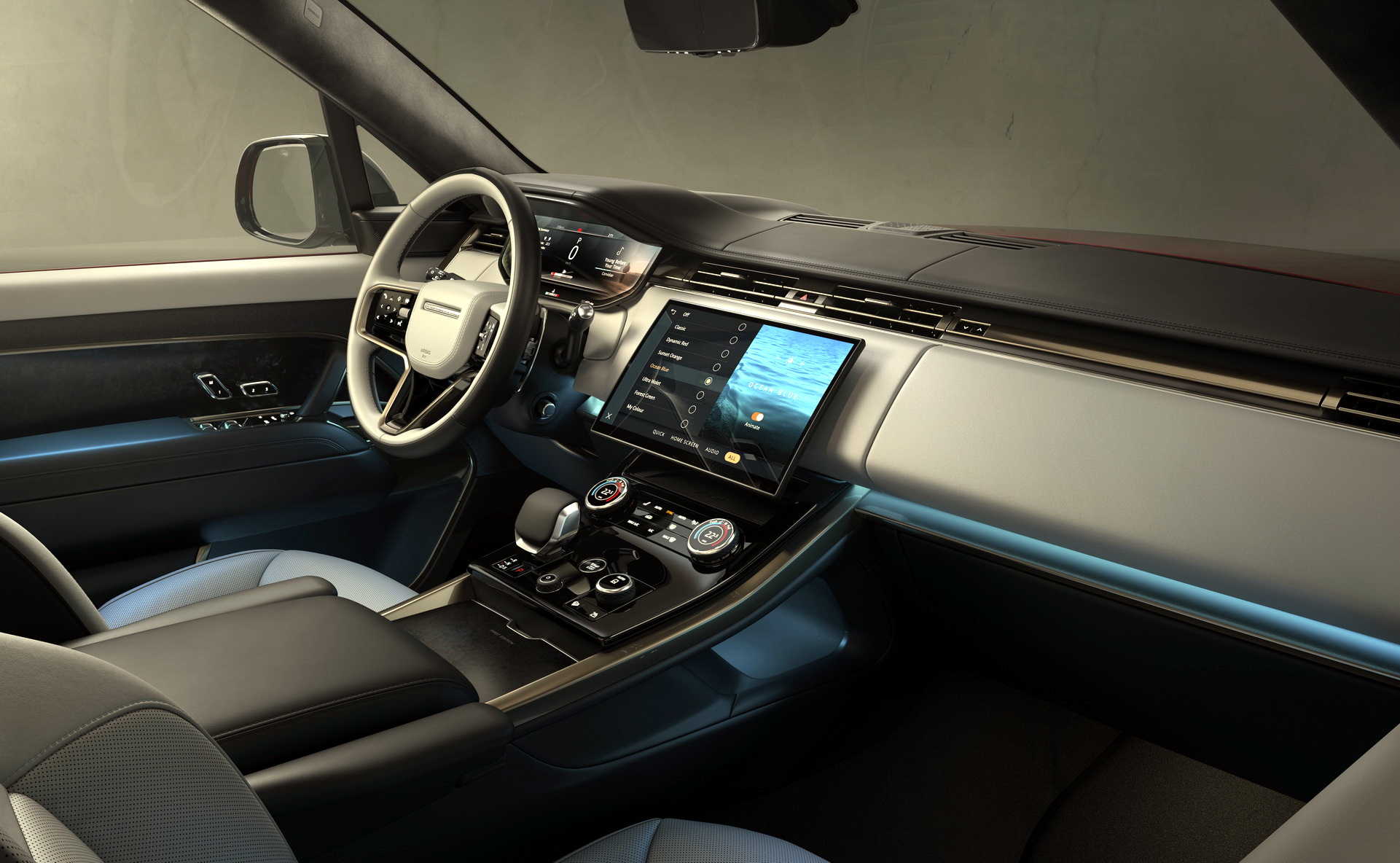
For a feel of the kind of premium car these deals usually wrap around, this independent UK review of the example car is a useful watch.
Mileage is not the only end-of-contract charge
When you hand a PCP car back, the lender also inspects it against fair wear-and-tear standards, and damage beyond those limits is charged separately from mileage. Kerbed alloys, unrepaired stone chips, interior damage and missing service history can all trigger costs, so it pays to put a car right before the inspection where the repair is cheaper than the charge. If you would rather keep the car than face the handback assessment at all, paying the balloon and owning it outright sidesteps both the mileage and the condition charges. Government-backed MoneyHelper car-finance guidance is a sensible neutral reference on your end-of-agreement options and rights.
Where to check your PCP mileage position next
Before you sign, or if you are already mid-term, run these checks:
- Read the excess-mileage rate in your agreement and note whether it is per mile over the whole term.
- Estimate your real annual mileage from the last two years, not an optimistic guess, and set the limit to match.
- If you are trending over, ask the lender about a mileage extension before the contract ends, not after.
- Check the fair wear-and-tear standard your lender uses, and budget to fix anything cheaper to repair than to be charged for.
- If you are well over and near the end, compare the cost of buying the car (paying the balloon) against the excess and condition charges.
- Use neutral guidance from MoneyHelper and check any lender against the FCA register before acting on a quote.
Our view is that PCP mileage limits are not a scam, but they punish anyone who games them. The system is logical: lower mileage genuinely means a higher resale value, so a lower payment is fair. The mistake buyers make is treating the mileage box as a lever to cut the monthly figure rather than an honest estimate of how they drive. Set it truthfully and a PCP is a perfectly sensible way to run a premium car; under-declare it and you simply defer the cost to handback, where it lands as a lump sum and often at a higher rate. We would always pay for the miles you expect up front, keep an eye on the running total, and arrange a mileage extension the moment it looks like you will overshoot. Honesty at signing is the cheapest insurance against an end-of-contract shock.