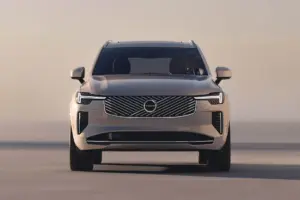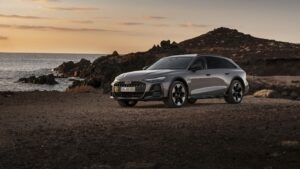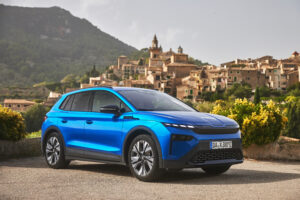
Spend an extra tenner on a new electric car — £50,005 instead of £49,995 — and HMRC will hand you a £2,200 bill for the privilege. That is not a typo, and it is not a rounding quirk. It is the cliff edge written into the Expensive Car Supplement, and from 1 April 2026 the government’s own policy paper confirms the threshold for zero-emission cars rises to £50,000. Cross it by a single pound and you are buying yourself five years of extra tax.
I have spent enough time inside salary-sacrifice spreadsheets to know that the cruellest numbers in motoring are rarely the headline price. They hide in the small print of Vehicle Excise Duty, and this one is sharp enough to change which trim you should tick on the configurator.
What actually changed on 1 April 2026 (Expensive Car Supplement)
For years, EVs paid no road tax at all. That ended on 1 April 2025, when, as gov.uk sets out, electric cars lost their tax-free status and were folded into the standard VED system. A new EV registered now pays just £10 in its first year, then drops onto the standard rate of £200 a year from year two onwards.
So far, so manageable. £200 a year is the price of being a motorist in 2026, and nobody is going to lose sleep over it. The problem is the second charge sitting on top — the Expensive Car Supplement, or ECS.
The ECS is an additional £440 a year, and for 2026/27 it applies to cars with a list price above £50,000. It kicks in from the second year of registration and runs for five consecutive years. Until this April, EVs were caught by the old £40,000 threshold, which swept up a huge slice of the electric market — almost anything with a decent battery and a premium badge. Raising the bar to £50,000 was the Treasury’s nod to the simple fact that EVs cost more to build than their petrol equivalents.

The £2,200 maths, worked in full
Here is where the tenner earns its keep. Take two near-identical electric cars and run them through the same five years of supplement.
The £49,995 car sits just under the threshold. It pays the standard £200 a year, and nothing else. Over the five years that the supplement would otherwise apply, that is £200 × 5 = £1,000.
The £50,005 car sits just over. It pays the same £200 standard rate plus the £440 supplement, every year, for five years. That is (£200 + £440) × 5 = £3,200.
The difference is £2,200, triggered by a £10 gap in list price. Pound for pound, it is the most expensive ten quid you will ever not-quite-spend.
A £10 difference in list price is multiplied 220 times over by the time the supplement has run its course. There is no other line in UK motoring tax where the leverage is that brutal.
And note the phrase that matters: list price. The ECS is calculated on the manufacturer’s published list price including options and VAT — not the discounted figure you negotiate, and not what you actually hand over. A dealer knocking £1,500 off a £51,000 car does nothing to save you the supplement, because HMRC looks at the list, not the deal. That distinction catches people out constantly.
Why this bites EV buyers hardest
This is not an abstract problem for the Bentley brigade. £50,000 is squarely mid-market for a family electric car in 2026. A well-specced Tesla, a long-range Hyundai or Kia, a Volkswagen ID with the bigger battery, a Polestar — tick a couple of option boxes, add a metallic paint and a tow bar, and you are brushing the ceiling without ever feeling like you have bought a luxury car.
That is the genuine unfairness the analysts at Drive Electric have flagged: because EVs carry a structural price premium over combustion equivalents, the supplement scoops up ordinary electric cars that no reasonable person would call “expensive”. The £50,000 threshold softens that, but it does not remove it. It just moves the cliff edge a little further up the price list.
What I’d actually do at the configurator
If you are ordering an EV that lands anywhere near £50,000, my advice is blunt: treat the threshold as a hard ceiling and build down to it, not up through it. Before you confirm, do three things.

First, find the manufacturer’s official list price for your exact trim — the published figure, not the broker quote — and add every option you have selected. That total is the number the ECS reads.
Second, if it lands between roughly £50,000 and £52,200, ask yourself whether the options pushing you over are worth £2,200 of tax on top of their sticker cost. A £900 panoramic roof that tips a £49,400 car over the line is not a £900 roof any more. It is a £3,100 roof.
Third, look hard at the trim below. Manufacturers price their range to nudge you upward, but the version that sits at £49,500 on the nose can be £2,200 cheaper to run over five years than the one £600 above it. That is a real, bankable saving with no compromise on the car being electric.
There is a caveat worth stating plainly. The supplement is set in legislation — the threshold rise is enshrined in the Finance Act 2026 — and thresholds and rates can move at any fiscal event. The £50,000 line and the £440 rate are what apply for 2026/27; a future Budget could lift, freeze or restructure either. So this is guidance for the car you are ordering now, not a promise about 2030. Always check the current figure on gov.uk before you sign.
The line I’d refuse to cross
For anyone whose configurator total is sitting within a few hundred pounds of £50,000, I would not pay the extra. The car on the wrong side of the line is not meaningfully better — it is the same car with a tax penalty stapled to the V5C, payable annually, for half a decade. The only people who should shrug and step over the threshold are those buying so far above it that £2,200 is rounding error against the deal, or those who genuinely cannot get the spec they need beneath it.
Everyone else should treat £49,999 as the most important number on the order form. Ten pounds saved here is £2,200 kept — and I can think of far better places to spend it than at the DVLA.
Buyer action
EV and salary-sacrifice checks
Use this as the final check before paying a deposit, signing finance paperwork or relying on a headline monthly figure.