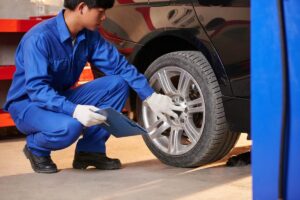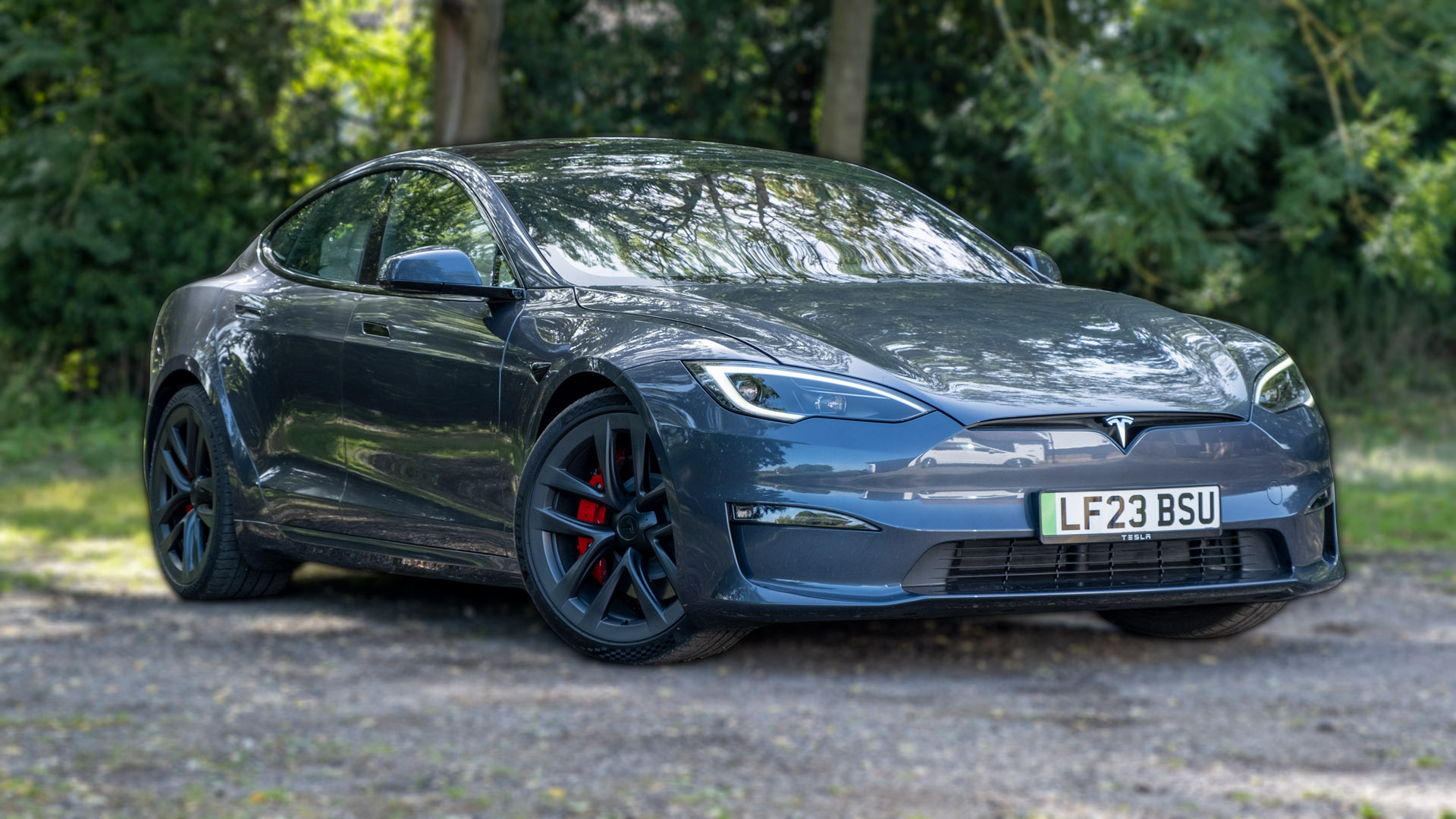
Here is the figure that should give every prospective Model S Plaid owner pause: the front tyres on a UK long-term Plaid were worn out after roughly 8,000 miles. Not the brakes, not some exotic drivetrain part — the rubber. TotallyEV’s March 2024 long-term test recorded outer-edge wear bad enough to need a fresh pair of Michelin Pilot Sport 4S at £530 fitted, and that was before the rears had even reached their markers. For a car people buy expecting “no oil changes, barely any servicing,” it is a quietly brutal introduction to what 1,020 horsepower actually costs to keep on the road.
I want to walk through the real annual consumables budget for this car, because the EV running-cost conversation is almost always about electricity — and on the Plaid, electricity is the cheap bit.
The 8,000-mile front axle (Tesla Model S)
The Plaid runs a staggered 19-inch setup as standard: 255/45 R19 at the front, 285/40 R19 at the rear, wrapped around a kerb weight of 2,265 kg, as the fitment data for the Model S confirms. That combination — enormous mass, instant torque to all four corners, and a contact patch asked to deliver supercar acceleration — is a recipe for tyres that disappear. The factory tyre sizes leave you no room to economise either; these are performance-tier fitments by design.
The numbers from that long-term test break down cleanly. Fronts: £530 fitted for the pair, gone at around 8,000 miles. Rears: £620 fitted for the 285/40 pair, reaching their wear markers by roughly 10,000 miles. A full set of four lands at about £1,150 — and that was an early-2024 price. These are not “if you track it” figures. They are what ordinary fast road driving does to a two-and-a-quarter-tonne EV that will out-accelerate almost anything you’ll ever pull alongside.
Doing the annual sums
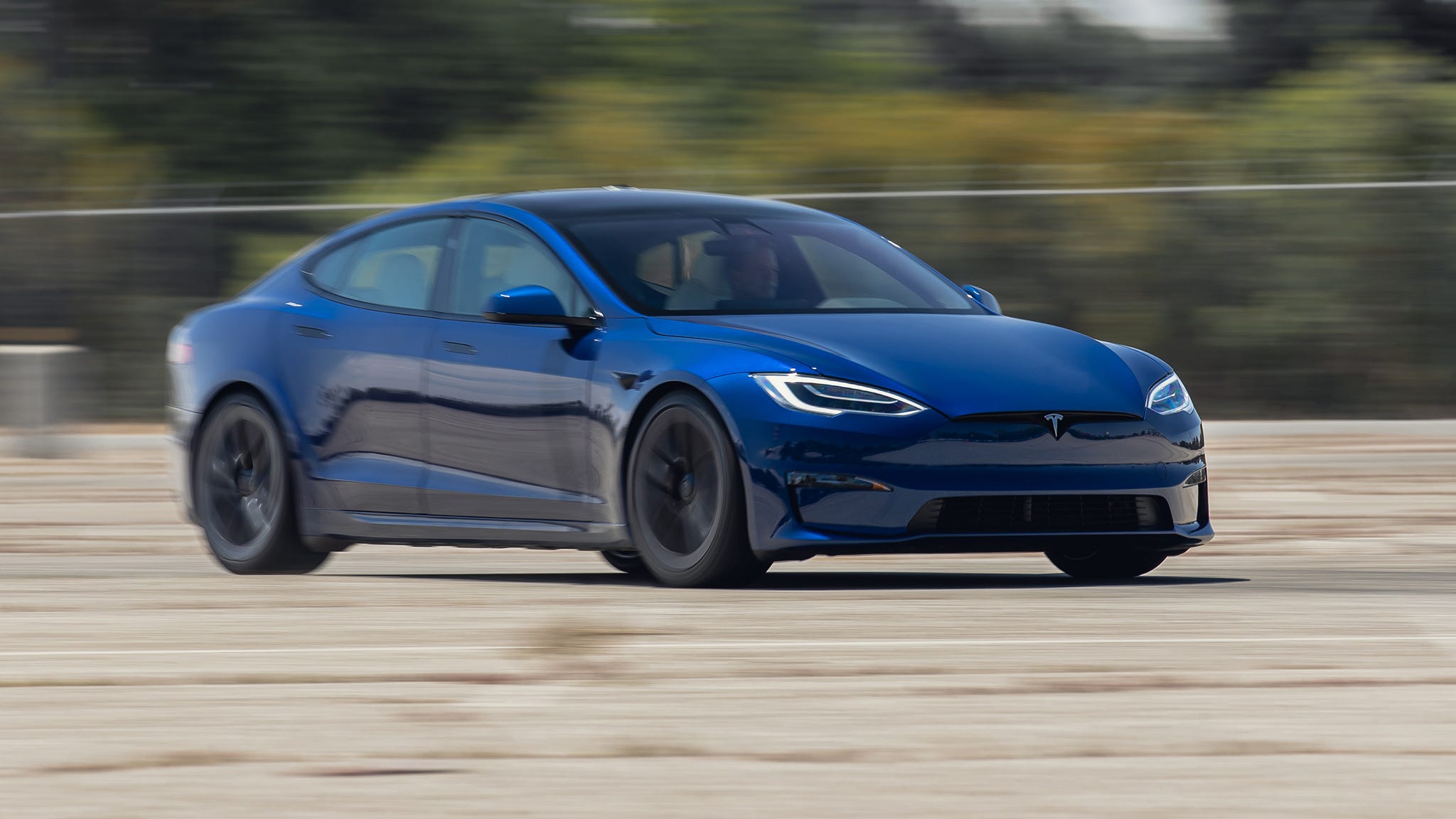
Map that onto a normal 12,000 miles a year and the maths turns uncomfortable. Fronts at 8,000-mile intervals means roughly one and a half front pairs annually — call it £795. Rears at 10,000 miles means about 1.2 rear pairs — call it £744. That is comfortably over £1,500 a year on tyres alone, assuming nothing goes wrong and you never feel the urge to use the launch the car was built around. Even a gentle 8,000 miles a year still buys you a full £1,150 set inside twelve months.
Now set that against the energy cost. Charging a Model S over 12,000 miles at a 27p per kWh home rate works out at roughly £950 a year on a sensible efficiency assumption. Read that twice: a single set of tyres costs more than a full year of home electricity. The story EV buyers tell themselves — that the running costs are trivial — is true for a Model 3 commuter and a fiction for a Plaid.
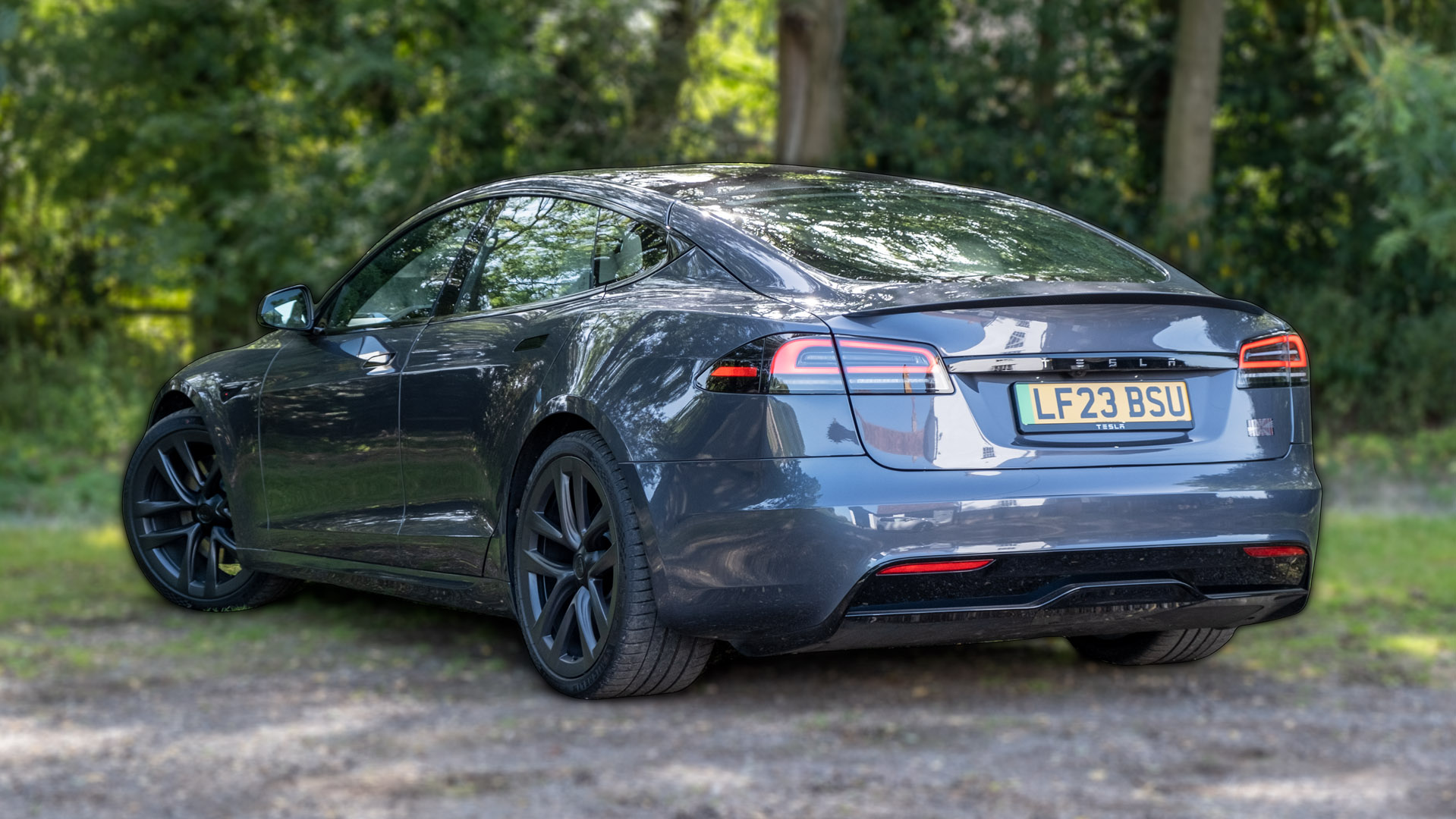
On the Plaid, the tyres are the running cost. Electricity is the rounding error — a full set of rubber costs more than a year of charging.
It is worth holding this next to Tesla’s own framing. The maker’s 2023 maintenance estimate for the Model S sits at $338–$580 a year — somewhere around £260–£450 — covering the genuinely cheap stuff: cabin filters, brake fluid, wiper blades. That figure is honest as far as it goes, but it explicitly does not carry Plaid-grade tyre wear. Add the rubber and your true annual consumables bill is two-thousand-pounds territory, not four hundred.
The brakes nobody warns you about
Tyres are the predictable expense. The brakes are the one that unsettles me more. The same long-term test flagged that the standard Plaid brakes are simply undersized for the performance on tap — hard enough deceleration triggers ABS intervention, which is the car telling you the friction hardware has run out of headroom before the chassis has. Tesla’s answer is the Track Package: carbon-ceramic discs and upgraded calipers. The price of that answer is around £20,000.
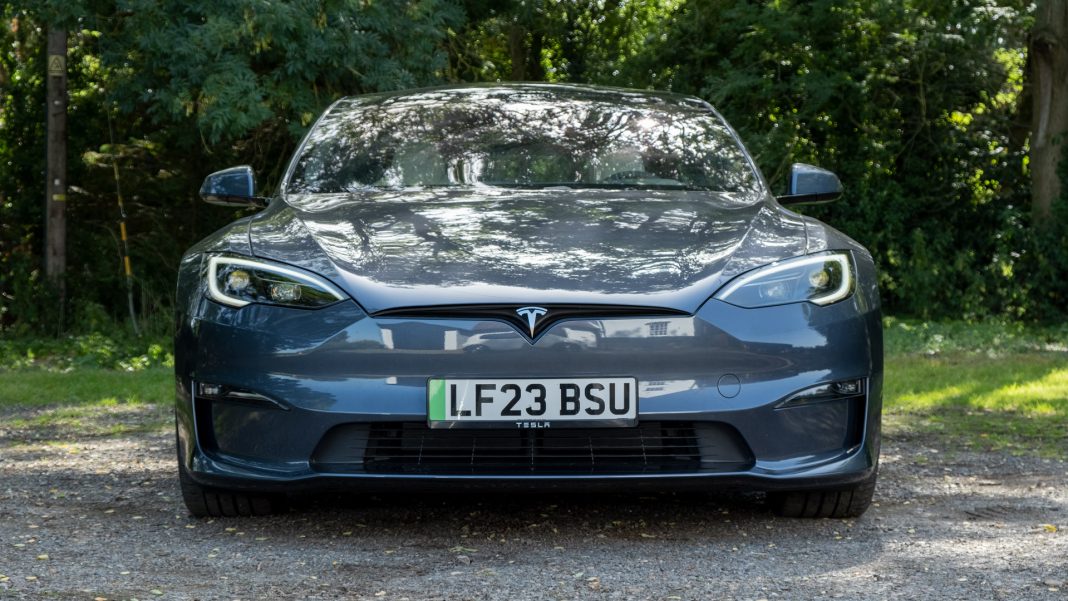
Regenerative braking does most of the day-to-day stopping on any EV, which is why pads and discs on a sensibly driven electric car can last far longer than on a petrol equivalent. But “sensibly driven” and “Plaid” sit awkwardly in the same sentence. The moment you start using the performance, you are leaning on friction brakes that the people who tested them describe as marginal — and the proper fix costs a fifth of the car. For most owners the honest play is restraint: drive it like the brakes are the limiting factor, because they are.
What discontinuation does to the budget
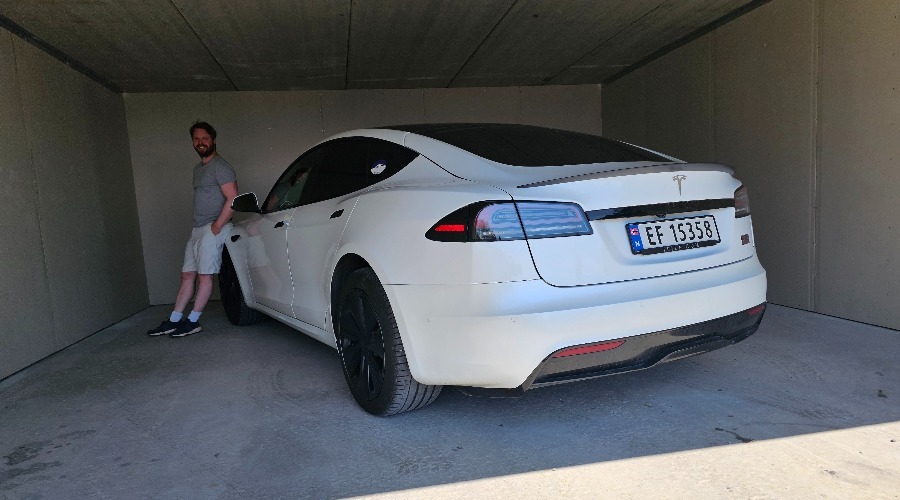
There is a sting in the tail: the Plaid is no longer orderable new in the UK, which changes the ownership proposition. A discontinued performance flagship leans harder on independent supply for exactly the consumables you will buy most often — tyres, pads and discs. Aftermarket front and rear discs and pads for the Model S/X Plaid are already listed by specialists such as UK parts suppliers, which is reassuring for the friction hardware. Tyres in those staggered sizes will remain available because they are shared with other performance cars. The risk sits with the model-specific bits, and it only grows as the car ages out of Tesla’s active range.
What I’d brace for before I signed
I would not let the tyre and brake reality talk me out of a Plaid — it is one of the most outrageous performance cars money can buy, and the people who want one know exactly why. But I would refuse to walk into ownership believing the EV running-cost myth. Budget £1,500 a year for tyres if you drive it as intended and a four-figure sum the moment you genuinely lean on it; treat the standard brakes as a ceiling rather than a floor and forget the £20,000 Track Package unless you have track days in the diary; and accept that as a discontinued model, the parts you’ll buy most often are the ones worth lining up a trusted independent specialist for now.
The car that changes my advice is the one bought by someone who reads “Tesla, low maintenance” and stops there. If that is you, the Plaid will hand you a tyre bill bigger than your electricity bill in year one and you will feel ambushed. Go in with £2,000 a year ring-fenced for consumables and a healthy respect for those brakes, and it is a magnificent, fully-costed indulgence. Go in expecting Model 3 economics, and it isn’t.
Buyer action
EV and salary-sacrifice checks
Use this as the final check before paying a deposit, signing finance paperwork or relying on a headline monthly figure.