Car Deal ExpertIndependent UK car-buying guidance: premium used cars, finance, salary-sacrifice EVs, insurance, recalls and consumer protection since 2008.
There is a narrow band of electric car — roughly £37,000 to £50,000 — where two government policies cancel each other into a strange kind of sweet spot. You are too expensive for the Electric Car Grant, but, from 1 April 2026, no longer expensive enough to pay the luxury-car tax. The change confirmed at Budget 2025 raises the Expensive Car Supplement threshold for zero-emission cars from £40,000 to £50,000, and it lands on the same forecourts where the grant runs out. The result is a £13,000-wide dead zone that, depending on which side of a registration date you sit, is either a quiet bargain or a missed one.
I want to be precise about what this gap is, because it is easy to read the headlines, see “no grant”, and assume “bad deal”. On the running costs, it is frequently the opposite.
Where the grant stops paying (EV dead zone)
The Electric Car Grant has been live since 15 July 2025, and the rule that matters here is the price cap: the car’s list price must be no higher than £37,000. Above that figure, the discount simply does not exist. Qualifying cars fall into one of two bands — £3,750 off for Band 1, £1,500 for Band 2 — and the scheme is funded through to 31 March 2030, so this is a structural feature of the market for years, not a temporary wrinkle.
There is one carve-out worth knowing, and it is the bit most buyers miss. An EV priced between £37,000 and £42,000 can still draw the grant if its base model is priced at or below £37,000 and it meets the sustainability criteria, according to the grant portal guidance. In plain terms: the entry trim sets eligibility, and a few thousand pounds of options on top can keep the discount alive. So the dead zone is not a hard wall at £37,000 — for some models it is porous up to £42,000. What you cannot do is assume; you have to check the specific trim and option sheet against the cap.
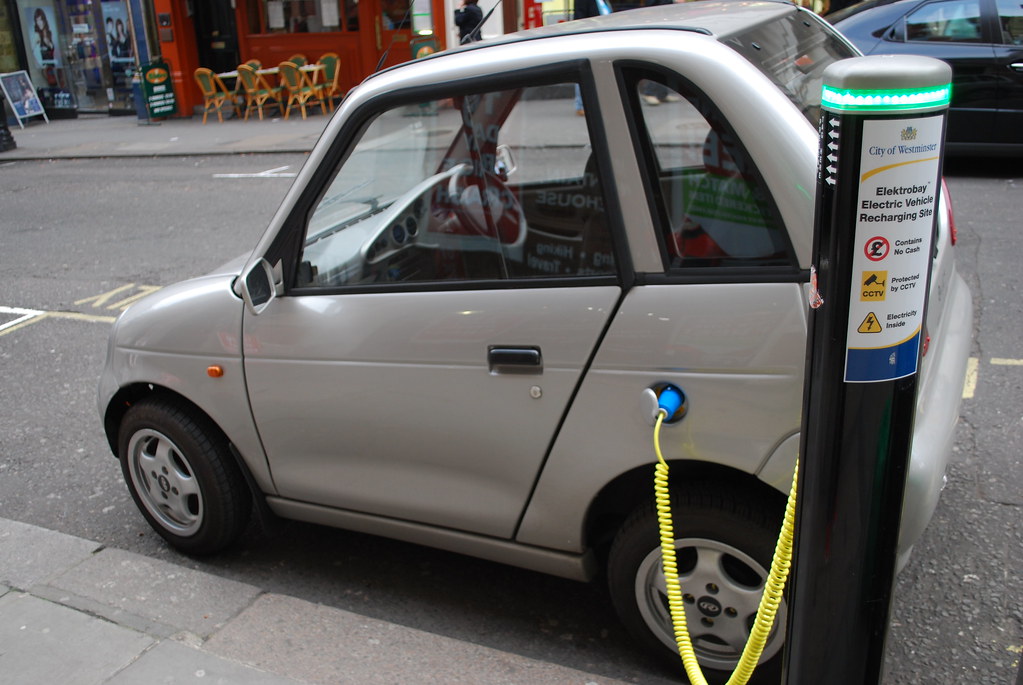
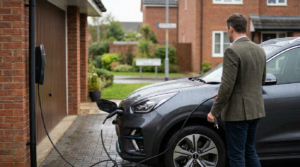
Image: frankh / flickr
The luxury tax that just moved the goalposts
Now the other half of the story, and the part that genuinely changes the maths. Under Vehicle Excise Duty, a zero-emission car with a list price above £40,000 has been liable for the Expensive Car Supplement. The shape of an EV’s tax bill looked like this: £10 in year one, then £195 a year from year two — plus an extra £425 a year of supplement in years two to six. That £425 is the sting, and over its full five-year run it adds up to £2,125 of tax you pay purely because your car wears a £40,000-plus sticker.
From 1 April 2026, that threshold rises to £50,000 for zero-emission cars. Anything priced between £40,000 and £50,000 stops paying the supplement. And this is not only forward-looking: the relief applies retrospectively to cars registered from 1 April 2025, even though it takes effect from April 2026. A car you bought a year early, in other words, is pulled back inside the line.
For an EV sitting at £45,000, the move from a £40,000 cap to a £50,000 one is worth £2,125 in supplement that simply evaporates — and you never had to find a cheaper car to claim it.
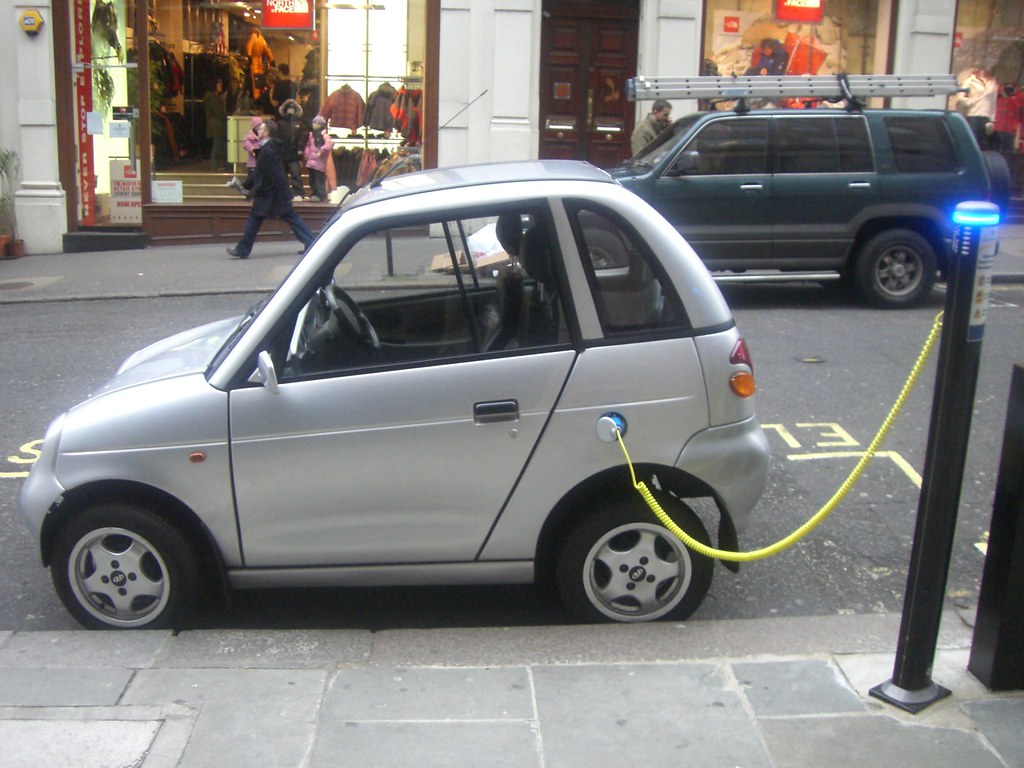
Illustration: CDE
Stack the two policies together and the £37,000–£50,000 band becomes its own category. You forgo up to £3,750 of grant at the point of purchase — unless that base-model carve-out rescues you — but from April 2026 you also sidestep the luxury supplement entirely. The lost grant is a one-off; the avoided supplement is £425 a year for five years. The closer your car sits to £50,000, the more the second number works in your favour.
The cars actually sitting in the gap
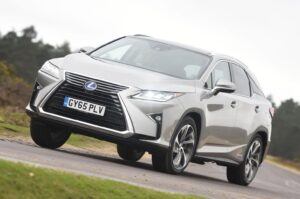
This is not a theoretical band — it is where some of the most cross-shopped EVs in Britain live. On indicative UK new prices, the Tesla Model 3 spans roughly £38,000 to £50,000, putting most of its range squarely inside the zone, while the Model Y starts around £45,000 and runs to about £55,000, straddling the upper edge. The BMW i4 sits near £46,000, the Audi Q4 e-tron around £45,000, the Polestar 2 about £45,000, and the Volkswagen ID.4 hovers near £40,000 — right on the old threshold and now comfortably below the new one.
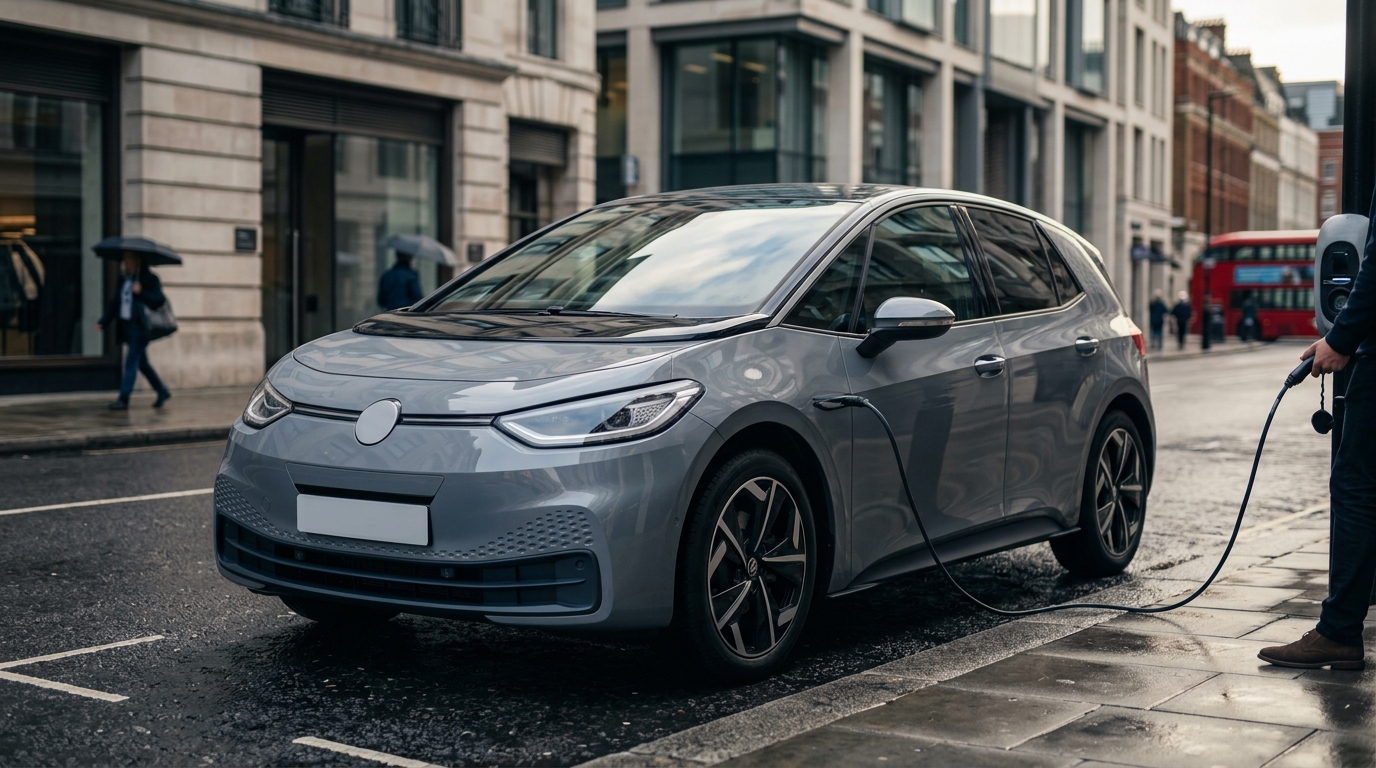
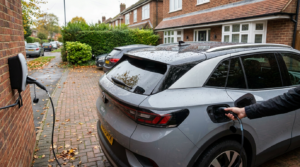
Image: Inverness Trucker / flickr
Read that list again with the tax change in mind. A buyer choosing a mid-spec Model 3, an i4, a Q4 e-tron or a Polestar 2 at, say, £45,000 would, under the old rules, have signed up for £2,125 of supplement over the car’s early life. From April 2026, registered from April 2025 onward, that liability is gone. None of these cars qualifies for the grant at those prices — but none of them is paying the penalty either. That is the dead zone doing exactly what it says.
Who this helps, and who should hesitate
If you are shopping at £45,000–£50,000, the timing now works in your favour in a way it did not a year ago, and I would not let the absence of a grant talk you out of a car at this price. The supplement relief is the more valuable number over a typical ownership period, and it arrives without you compromising on the model you actually wanted. If anything, the £48,000–£49,999 sliver is the connoisseur’s pick: maximum car, zero supplement, and a comfortable buffer below the new ceiling.
Where I would pause is lower down, in the £37,000–£42,000 stretch. Here the lost grant is real money and the supplement was never going to bite you anyway, so the carve-out matters enormously. Before you sign, confirm in writing whether the specific trim and option pack keeps the car’s qualifying base price at or below £37,000. Get that wrong and you have handed back up to £3,750 for nothing. Get it right and you can have the discount and sit clear of the supplement — the best of both policies at once.
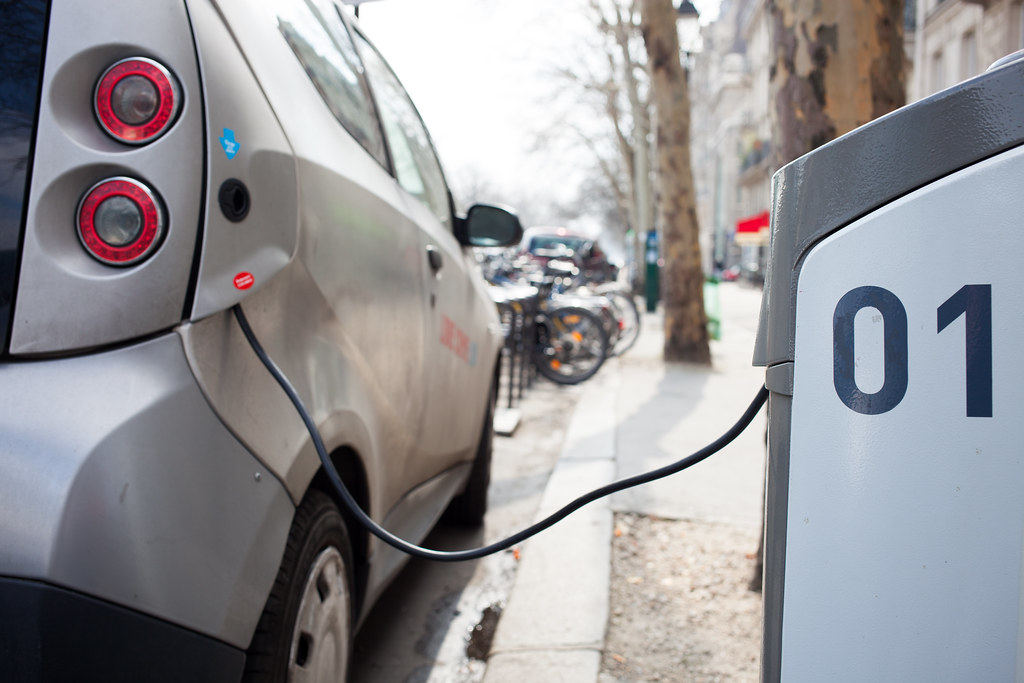
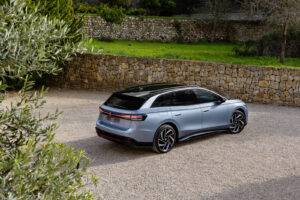
Image: Håkan Dahlström / flickr
The one move I would actively avoid is drifting just over £50,000 on options without noticing. Cross that line and the supplement snaps back on — £425 a year, years two to six — wiping out far more than the trim upgrade cost you. The cliff edge has simply moved up the price list; it has not gone away.
The badge that quietly got cheaper
What strikes me about this band is how little fanfare it has had. The grant got the launch coverage; the supplement threshold got a line in a Budget. Put together, they have created a £13,000 window where the smart buy is not the cheapest EV but the well-judged one — the £45,000-to-£49,999 car that takes no grant, pays no luxury tax, and asks only that you read the price list carefully before you sign. If I were ordering an EV this year and my budget reached into the mid-forties, I would stop apologising for missing the grant and start counting the supplement I was never going to pay. That is the figure that actually compounds, and from April 2026 it is finally on the buyer’s side.
Buyer action
EV and salary-sacrifice checks
Use this as the final check before paying a deposit, signing finance paperwork or relying on a headline monthly figure.
We use cookies to make this site work, measure how it is used, and (with your consent) personalise advertising. Strictly necessary cookies always run. Analytics and advertising cookies run only if you accept. See our Cookie Policy and Privacy Policy.
Car Deal Expert — independent UK automotive publisher since 2008.