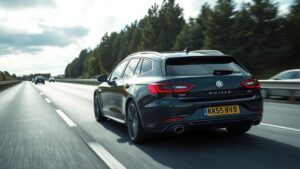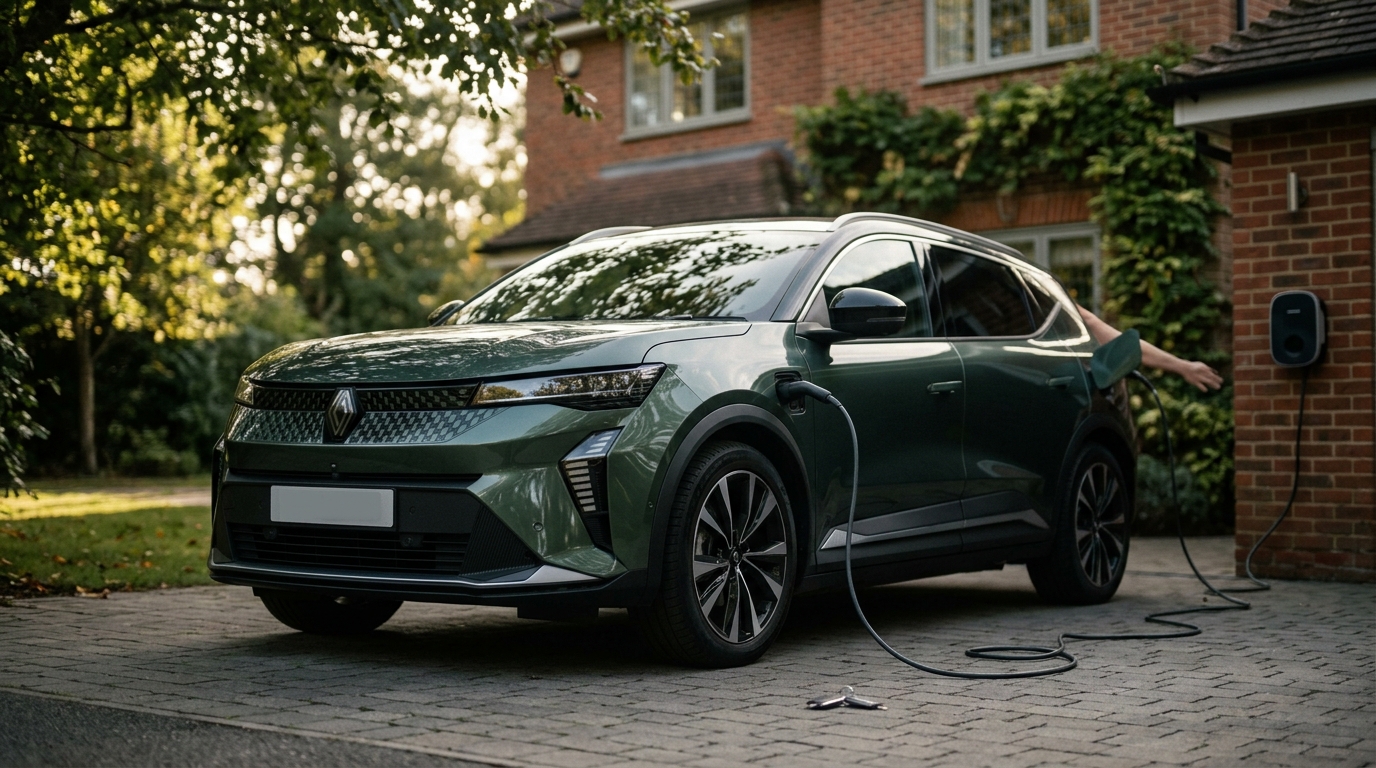
I’ve spent the past fortnight picking apart the numbers on the Renault Scenic E-Tech, and 2026 is exactly the year to do it: as of the 2026–27 tax year the company-car Benefit-in-Kind rate on EVs like this one sits at just 4%, while since the road-tax rules changed in April 2025 private buyers now pay the £195 standard rate of VED that electric cars used to escape. It’s the kind of car readers keep emailing me about, a proper family-sized EV that doesn’t cost Tesla money up front, and that tax split is the first sign that what you actually pay depends enormously on who you are. But the sticker price is the easy bit. What I wanted to know, and what Parkers’ running-costs breakdown got me started on, is whether it stays cheap once it’s on your driveway and quietly draining the wall socket every night. The short version: it can be brilliantly cheap, or quietly painful, and the gap between those two outcomes is almost entirely about where you charge.
The efficiency number that everything else hangs off (Renault Scenic E-Tech)
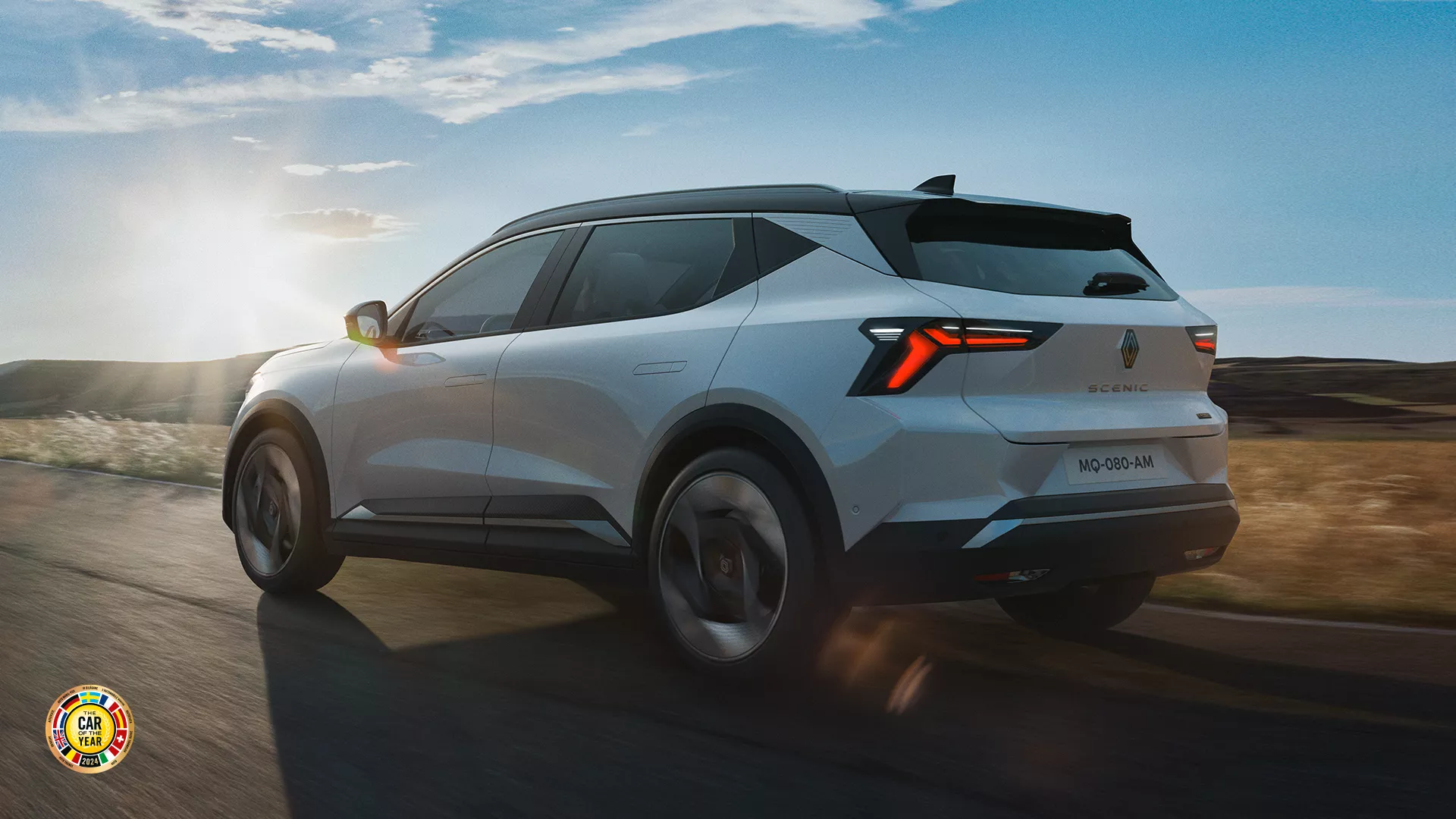
The Scenic E-Tech I’m talking about is the 87kWh long-range version, the one most people will actually buy. In the real world it returns somewhere around 3.4 miles per kWh, which for a car this shape and weight is genuinely respectable. That efficiency is the figure I’d tattoo on the back of my hand before signing anything, because it’s the multiplier that turns your electricity tariff into a cost per mile.
On range, Renault quotes a WLTP figure of up to 379 miles, but I’d plan your life around 260 to 315 miles in normal UK driving: less in January, more on a gentle summer commute. That’s still a comfortable real-world range, and it means most people will rarely see the inside of a public charging station. Which, as you’re about to see, is the whole ballgame.
Charging at home: where this car earns its keep
Here’s the split that matters. Charge at home and the Scenic is one of the cheapest family cars you can run, full stop. According to myvoltcost’s tariff calculator, a full 0–100% charge of the 87kWh battery costs about £27.75 at a typical 29p/kWh rate, and a more sensible 20–80% top-up comes in at £16.65. Over 10,000 miles a year, home charging lands you somewhere between roughly £242 and £810 depending on your tariff, and that spread (from 7p to 29p per kWh) is the single biggest lever you control.
I want to be honest about what those bookends mean. The £242 figure assumes a dedicated off-peak EV tariff around 7p/kWh, charging overnight while you sleep. The £810 figure is what you pay on a flat ~29p domestic rate with no off-peak window. Same car, same miles, more than triple the cost. If you can’t get a cheap overnight tariff (no driveway, no home charger, flat with on-street parking) a big chunk of the Scenic’s financial case evaporates before you’ve turned a wheel. That’s the bit that would stop me recommending it to a city-flat dweller without a second thought.
On charging speed, the home reality is a 7kW wallbox taking around 13 hours for a full charge. That sounds glacial, but it’s an overnight-while-you-sleep number, not a stand-and-wait one, so I don’t hold it against the car.
Public charging: the number that made me wince
Now flip it. Rely on the public network and the maths gets ugly fast. On a rapid charger averaging 79p/kWh, a full charge costs around £68.73: that’s myvoltcost’s figure, and it works out to roughly 23.30p per mile. Even on a slightly kinder 65p/kWh fast charge you’re looking at about £62.21 to fill up. To put it bluntly: public charging costs almost three times what a cheap home charge does. That’s not a Renault problem, it’s true of every EV, but it’s the reason I keep saying the home-charging question comes first and the car comes second.
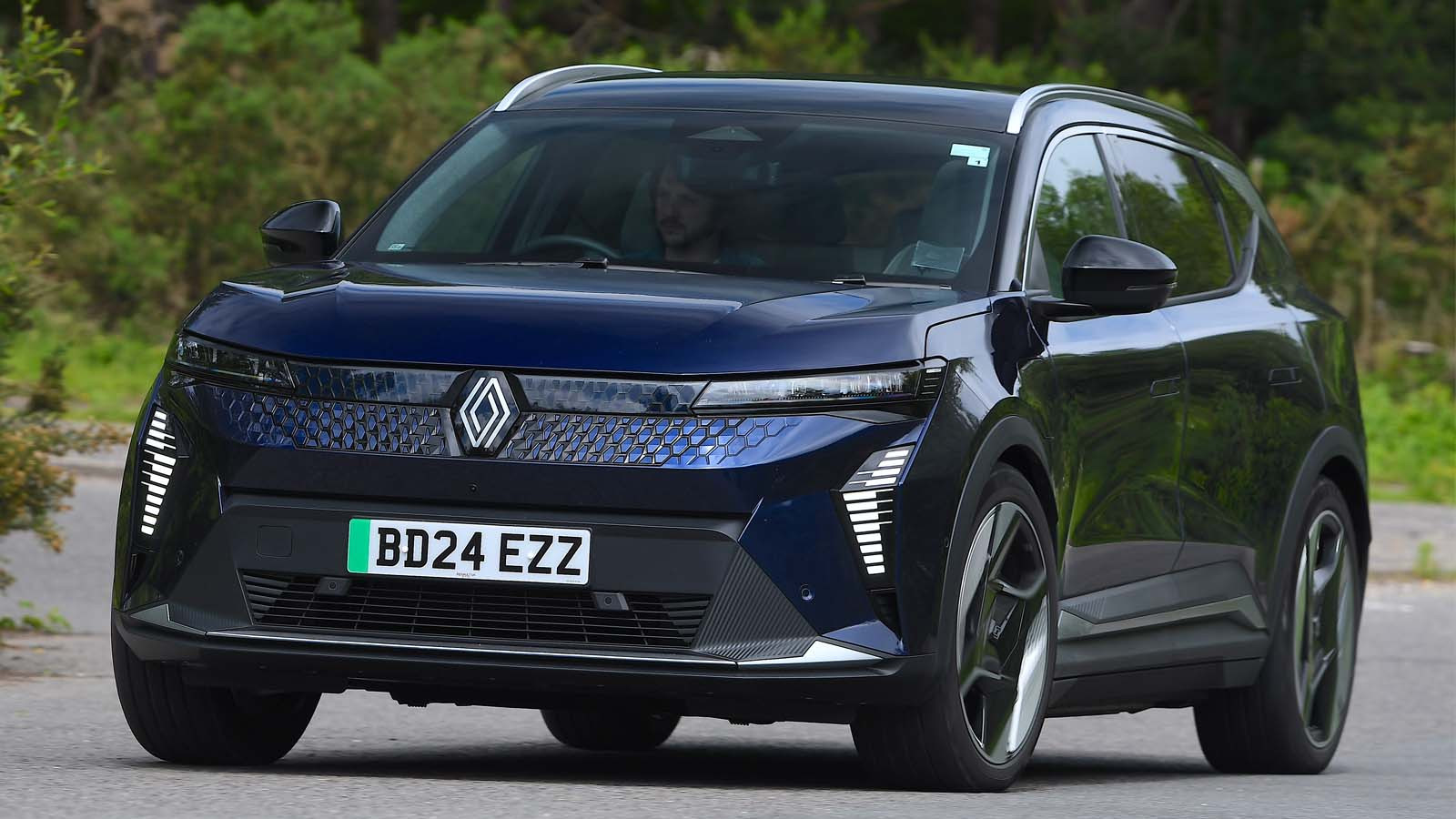
The saving grace is that you shouldn’t need rapids often. When you do, a 150kW charger takes the battery from 15–80% in about 37 minutes, fine for a motorway coffee stop, and competitive for the class.
Tax, servicing and the bills you forget about
The running-costs conversation always drifts to charging and stops there, but the boring lines matter. Road tax (VED) is £0 in the first year, then £195 a year under the post-2025 rules that now apply to EVs: the free ride for electric cars has ended, and you should budget for it.
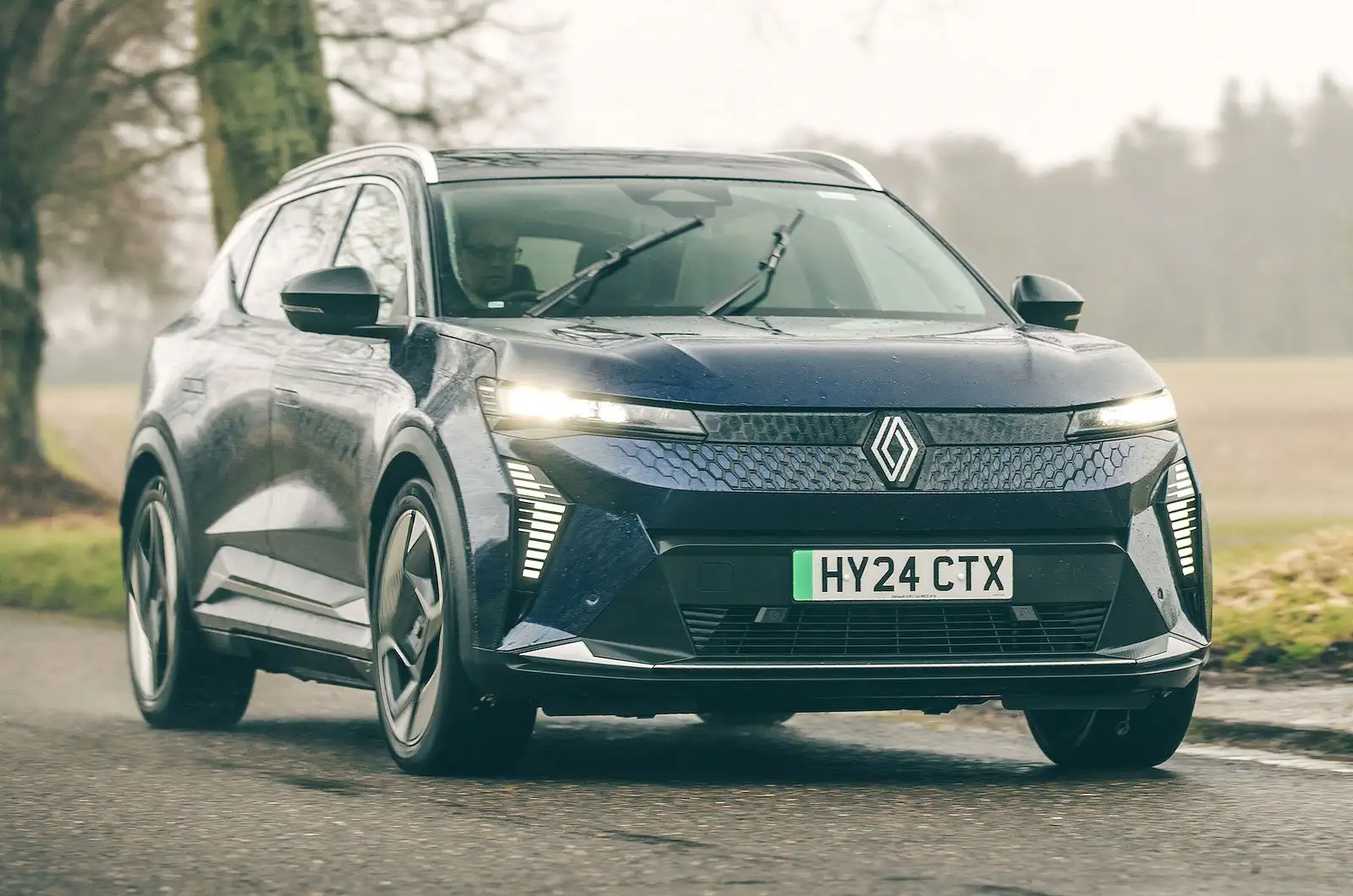
Company-car drivers, though, are still sitting pretty. As Auto Express notes, Benefit-in-Kind sits at just 4% for the 2026–27 tax year, rising to 5% for 2027–28. Against a petrol equivalent in the 30%-plus bracket, that’s the kind of difference that makes a salary-sacrifice Scenic almost embarrassingly cheap to run through work. If you’ve got the option of a company car or a sacrifice scheme, this is where the Scenic genuinely shines, and it’s the one buyer I’d point at it without hesitation.
Servicing is the quiet win. Maintenance works out at around 2.9p per mile, which Auto Express rates as class-leading for an EV: fewer moving parts, no oil changes, and brakes that barely wear thanks to regen. Add it all up and the total cost of ownership figures land between 34.9p and 42.7p per mile over four years and 80,000 miles, depending on trim. The battery, for the record, is covered by an 8-year/100,000-mile warranty, standard for the segment, but reassuring on a car you might keep a while.
What it costs to get into one
Prices run from roughly £37,000 for the Techno trim up to around £42,000 for the Iconic, with PCP deals starting from about £324 a month per Auto Express’s listings as of mid-2026. I’d note that monthly figure is representative only and depends entirely on deposit and mileage terms, so treat it as a starting point and not a promise, and any finance quote is subject to status and the lender’s terms, not a finance offer.
So who should actually buy it, and who shouldn’t
I’ll plant a flag. If you’ve got a driveway, a home charger and access to an off-peak tariff, the Scenic E-Tech is one of the most sensible family EVs on sale right now: that ~£242-a-year best case is the stuff of a hybrid driver’s dreams, the servicing is cheap, and the space is real. And if you’re a company-car driver, the 4% BiK makes the decision for you; I’d sign tomorrow.
But I won’t pretend the case holds for everyone. If you can’t charge at home and you’ll be leaning on 79p/kWh public rapids at 23p a mile, you’re paying near-petrol money to run an electric car, and the whole point of buying one starts to slip away. That’s the buyer I’d steer towards a cheaper used EV or, honestly, back towards a frugal hybrid until the home-charging piece is solved. The Scenic doesn’t change my mind on that: what would change it is a genuinely affordable public charging network, and we’re not there yet.
Buyer action
EV and salary-sacrifice checks
Use this as the final check before paying a deposit, signing finance paperwork or relying on a headline monthly figure.