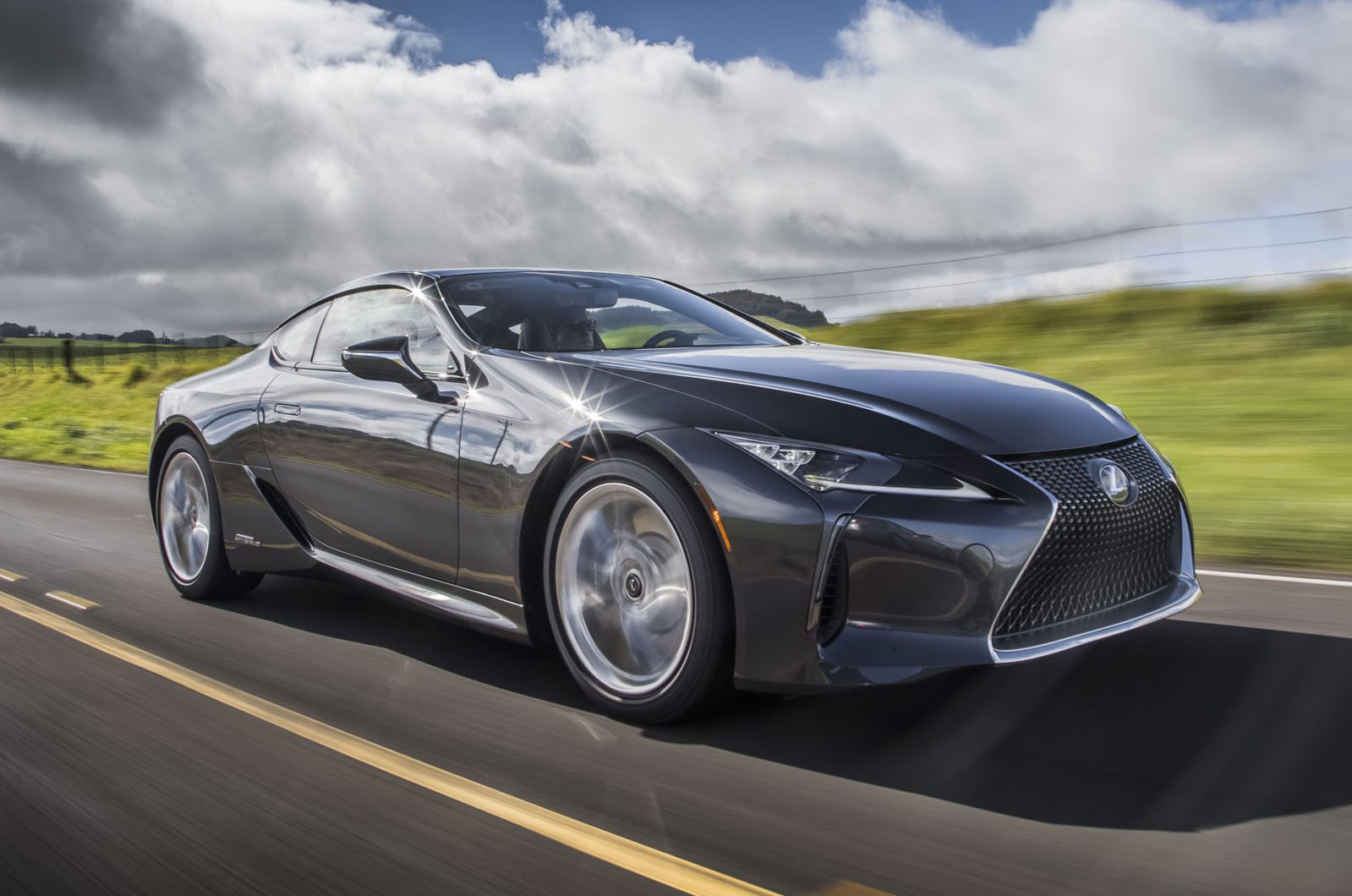
A hand-built, naturally aspirated 5.0-litre V8 that cost around £76,595 new in 2017 can now be yours, in 2026, for the price of a well-specced family SUV. When Autocar confirmed in 2020 that the Lexus LC 500 would soldier on largely unchanged, few people clocked the longer game: across the industry the big atmospheric V8 is being quietly retired in favour of turbocharging and electrification. That makes the used LC 500 something genuinely rare in 2026 — a fresh, low-mileage grand tourer with a naturally aspirated V8 under the bonnet, bought at roughly half its original list price. For anyone who has watched the GT class defect to turbos and batteries, that is not a depreciation curve. It is a window.
I’ll say it plainly: the LC 500 is the connoisseur’s hedge against the rush to electric, and the used market has done the hard financial work for you.
The engine is the whole argument (Lexus LC 500)
Strip away the styling and the leather and you are buying one thing above all else: a 5.0-litre V8 that makes its power the old-fashioned way. Evo’s review pins it at 467bhp and 389lb ft of torque, sent through a 10-speed automatic. No turbos softening the throttle, no electric motor masking the delivery — just a long, linear pull to a proper redline and a noise that turbocharged rivals have spent a decade trying to synthesise.
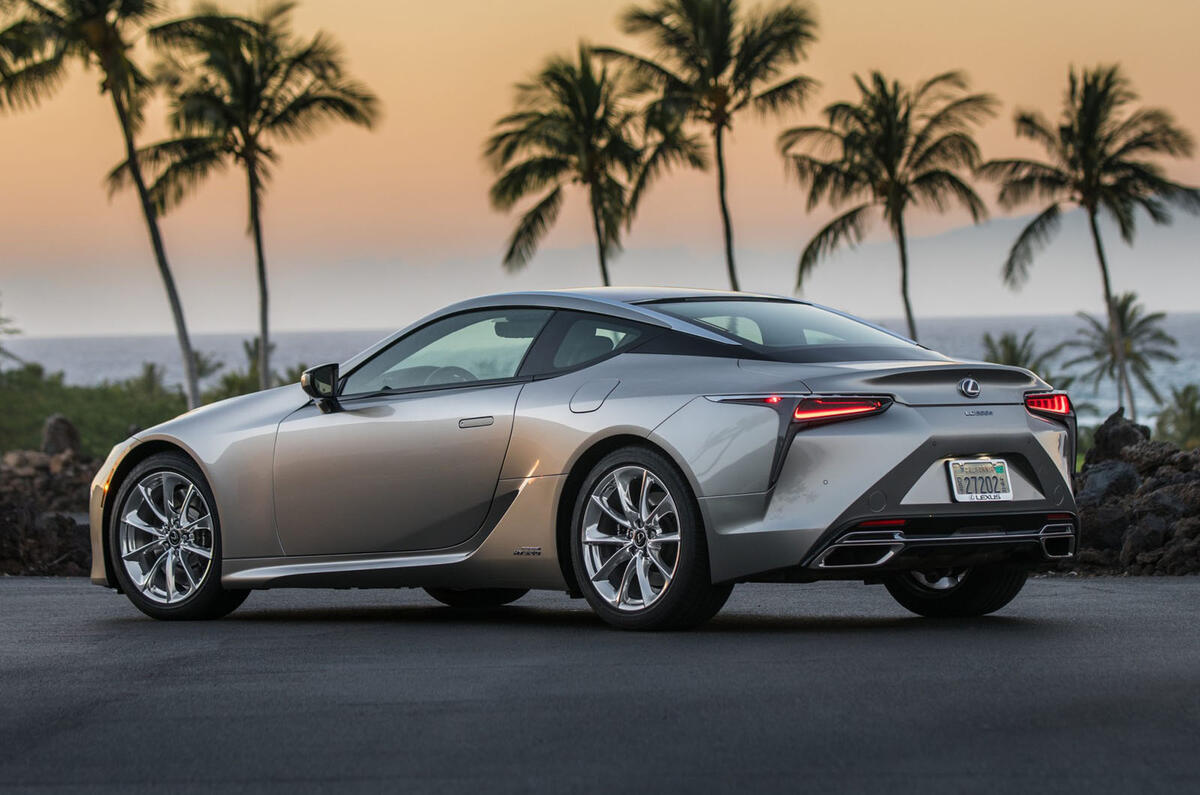
This matters more every year. The Germans have downsized and electrified almost everything that used to wear a GT badge, and a naturally aspirated V8 in a new car is now close to extinct. Buy a used LC 500 and you are not buying nostalgia — you are buying the actual hardware before it disappears from the new-car price lists for good.
Buy a used LC 500 and you are not buying nostalgia. You are buying the actual hardware before it disappears from the new-car price lists for good.
It is a grand tourer first, a sports car second — and that’s the point
The numbers read like a sports car: 0-62mph in 4.4 seconds and a 168mph top speed, per Autocar. But the LC was never tuned to chase a Porsche 911 around a circuit, and trying to judge it on that basis misses what it is for. This is a continent-crusher: a car built to make 400 miles of motorway feel like 100, with a ride deliberately set up for long-distance comfort rather than lap times.
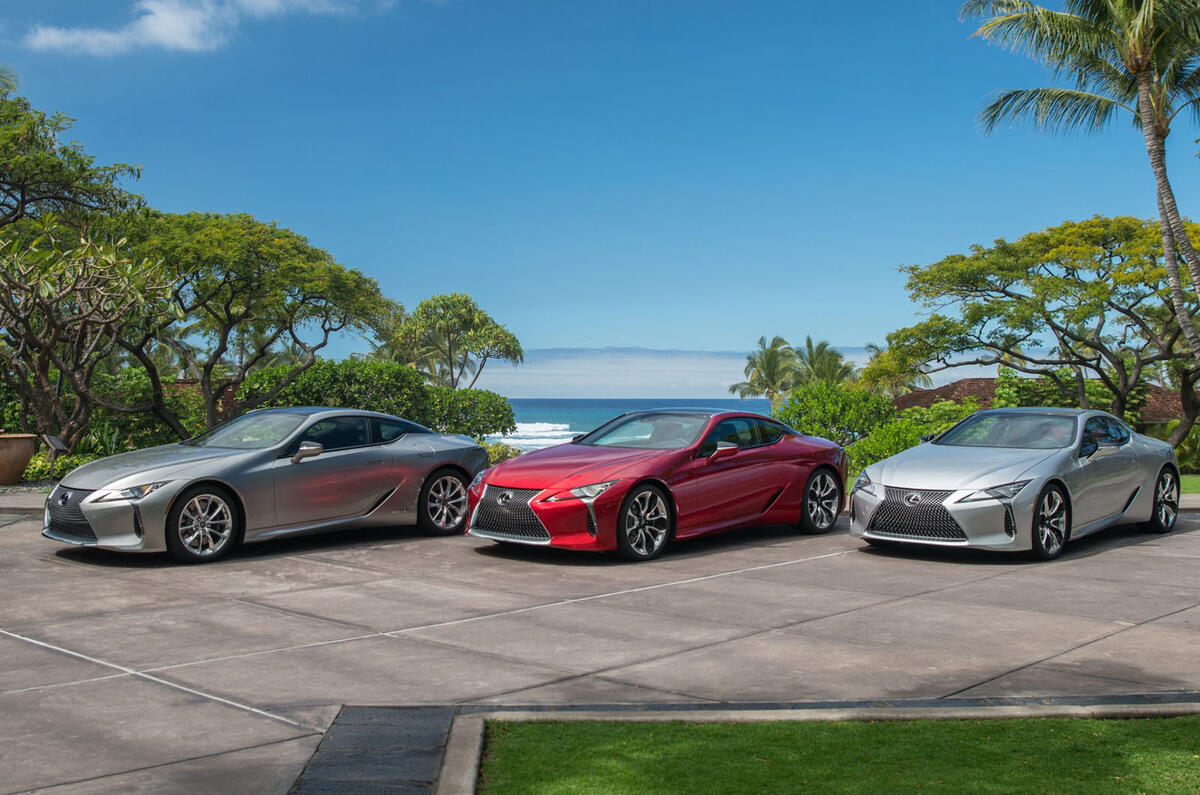
The early 2017 first drives, from WalesOnline to Front Seat Driver, landed on the same conclusion: this is a refined, beautifully made cruiser that happens to have a thunderous V8, not a stripped-out track weapon. If you want the latter, look elsewhere and good luck with the running costs. If you want a car that flatters a Friday-night blast and an Alpine holiday in equal measure, the LC 500 has very few honest rivals left at any price.
Why the used maths is so compelling
Here is where the connoisseur’s case turns into a financial one. Those 2017–2020 cars launched at around £76,595, and Autocar’s pricing coverage tracked the range as it ran on largely unchanged. Browse the UK classifieds in 2026 and higher-mileage early examples now change hands for roughly £45,000–£50,000, around half their original list.

The first owners have absorbed the brutal opening years of depreciation for you. That is the single best argument for buying used rather than new in this segment: you skip the steepest part of the curve and arrive at a price where the car starts to make sense as an asset rather than a liability. And because the naturally aspirated V8 is being retired across the industry, a well-kept LC 500 has a credible claim to being a future classic — the kind of car whose value flattens and, for the right specification and mileage, may eventually firm up.
The Lexus safety net
The reason I’d happily own one of these is the badge on the bonnet. Lexus has built its reputation on powertrain reliability, and the LC 500’s naturally aspirated V8 and 10-speed automatic carry none of the highly-stressed turbo hardware that tends to generate the big bills on a used German V8 GT. That is a very different ownership proposition from buying a used twin-turbo rival and bracing for the first five-figure repair.
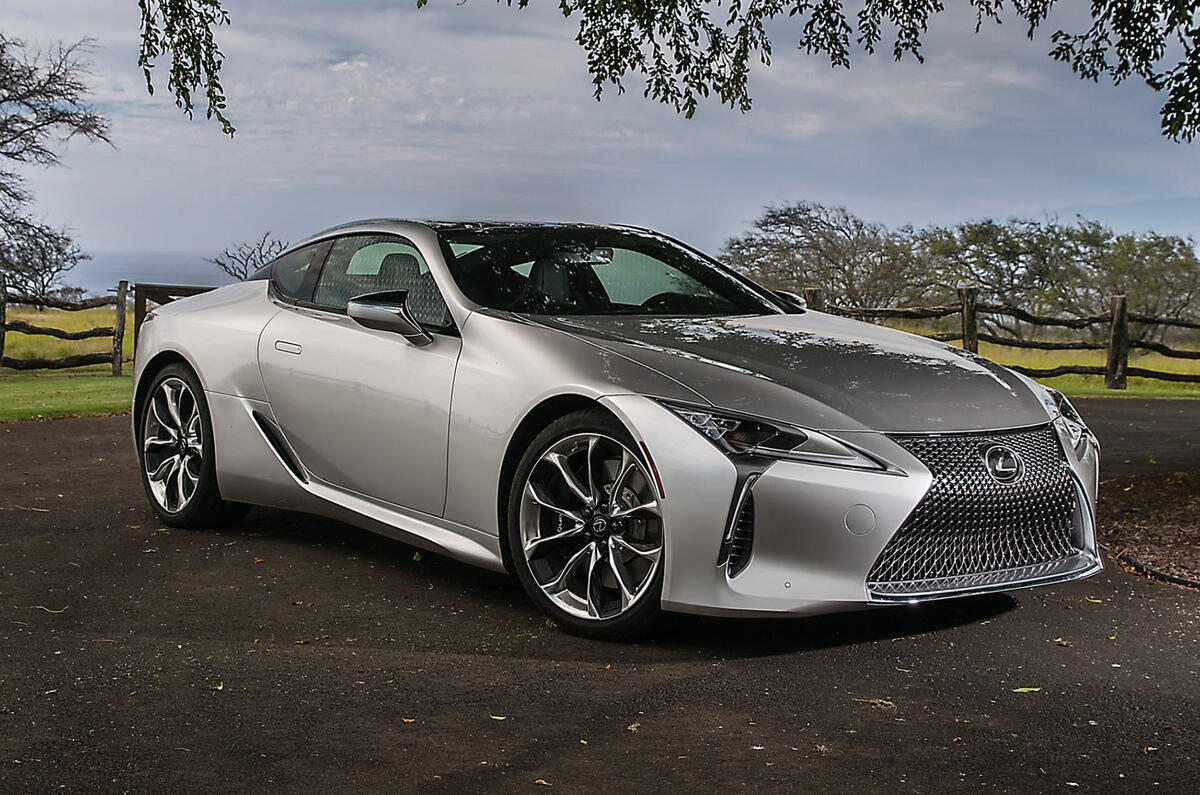
A naturally aspirated engine with no forced induction to fail, and a gearbox from a brand built on conservative engineering: this is the part of the pitch that the spec sheet undersells. The romance is the V8. The reason it is a sensible buy is the engineering caution around it. If you are looking at a car that is approaching or past the end of any remaining manufacturer cover, factor an independent Lexus-specialist inspection into your offer rather than assuming the badge does all the work.
Who should buy, and who shouldn’t
This is not the car for someone who wants the last word in cornering precision, nor for a buyer chasing the lowest running costs — a thirsty 5.0-litre V8 will never be cheap to feed, and I won’t pretend otherwise. If your weekend is about lap times, the LC 500 is the wrong tool.
But if you want a beautifully built, comfortable, properly fast grand tourer with one of the last great naturally aspirated V8s, bought at half its launch price with a genuine shot at future-classic status, there is nothing else doing quite this job in 2026. What would change my mind is condition: a thrashed, neglected example or one with a murky history erases the entire reliability argument, so I’d walk past any car without a full Lexus service record.
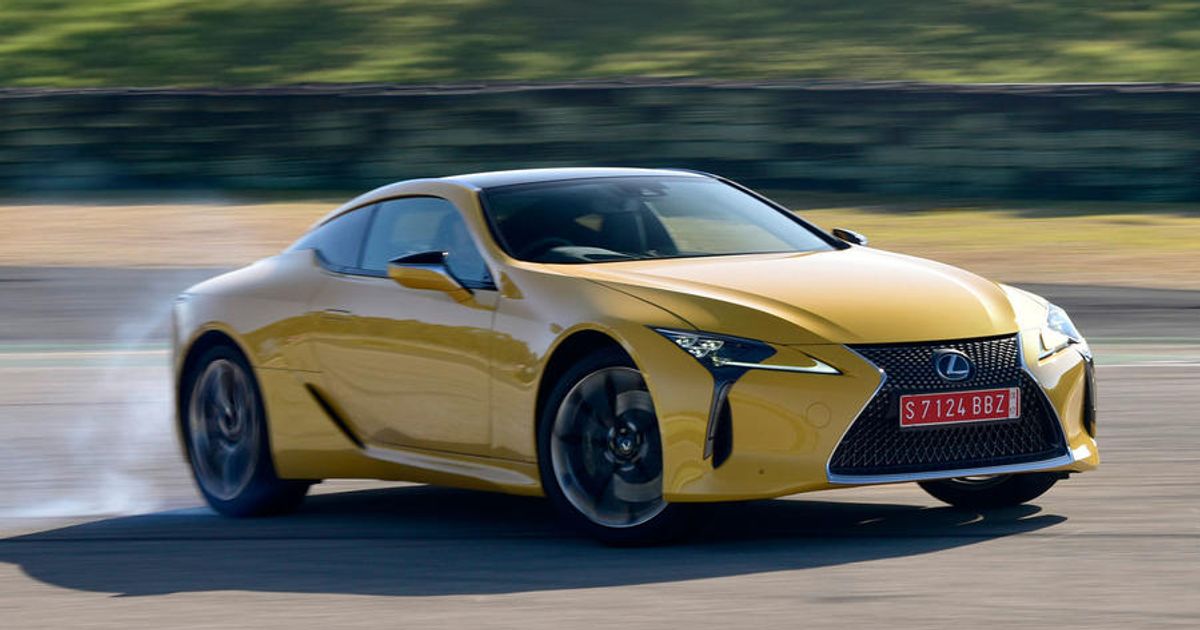
The car I’d buy before the engine is gone
My honest steer is to act inside the next year, not after. As the naturally aspirated V8 disappears from new-car price lists, every cherished, low-mileage, fully documented used example becomes a more finite thing — and those are the cars that will hold their value. I’d find a 2017–2020 car in the £45,000–£50,000 band, demand the full service history, budget for an independent inspection, and treat it as the last naturally aspirated Lexus GT I’d ever need to buy. In a market sprinting towards silence, the LC 500 is the connoisseur’s quiet rebellion, and right now the used market has priced it to move.
How we researched this guide
Every pick here is shortlisted from hands-on testing and time spent living with the hardware by the CDE desk, then sanity-checked against current UK pricing, manufacturer specs and real-world performance before it makes the cut. We never rank for commission — affiliate links don't change the order.
Buyer action
Where to check next
Use this as the final check before paying a deposit, signing finance paperwork or relying on a headline monthly figure.