Ninety-six in every hundred. That is roughly how many UK rapid-charging networks are not hitting the reliability standard the law now demands of them. A 2025 survey of more than 200 UK charge point operators by the EV software firm Monta found that just 3.9% met or exceeded the 99% average uptime that rapid chargers are legally required to deliver. The first compliance reports covering that performance are due with the Secretary of State by 14 January 2026 – and on these numbers, the industry is walking into them badly exposed.
I spend most of my week buried in salary-sacrifice quotes and PCP spreadsheets, and the question I am asked more than any other by drivers eyeing their first EV is not about range or list price. It is “what happens when I turn up and the charger is broken?” For years the honest answer was “you cross your fingers.” The law was supposed to change that. The data says it largely hasn’t – not yet.
What the 99% rule actually requires (UK Rapid Chargers)
The standard comes from the Public Charge Point Regulations 2023. Under regulation 7, an operator must ensure that its network of rapid charge points – those rated at 50kW and above – achieves an average reliability of at least 99% across a calendar year. Note the wording: it is a network average, not a per-charger guarantee. A single dead unit on a motorway slip road does not breach the rule on its own; a pattern of downtime across the estate does.
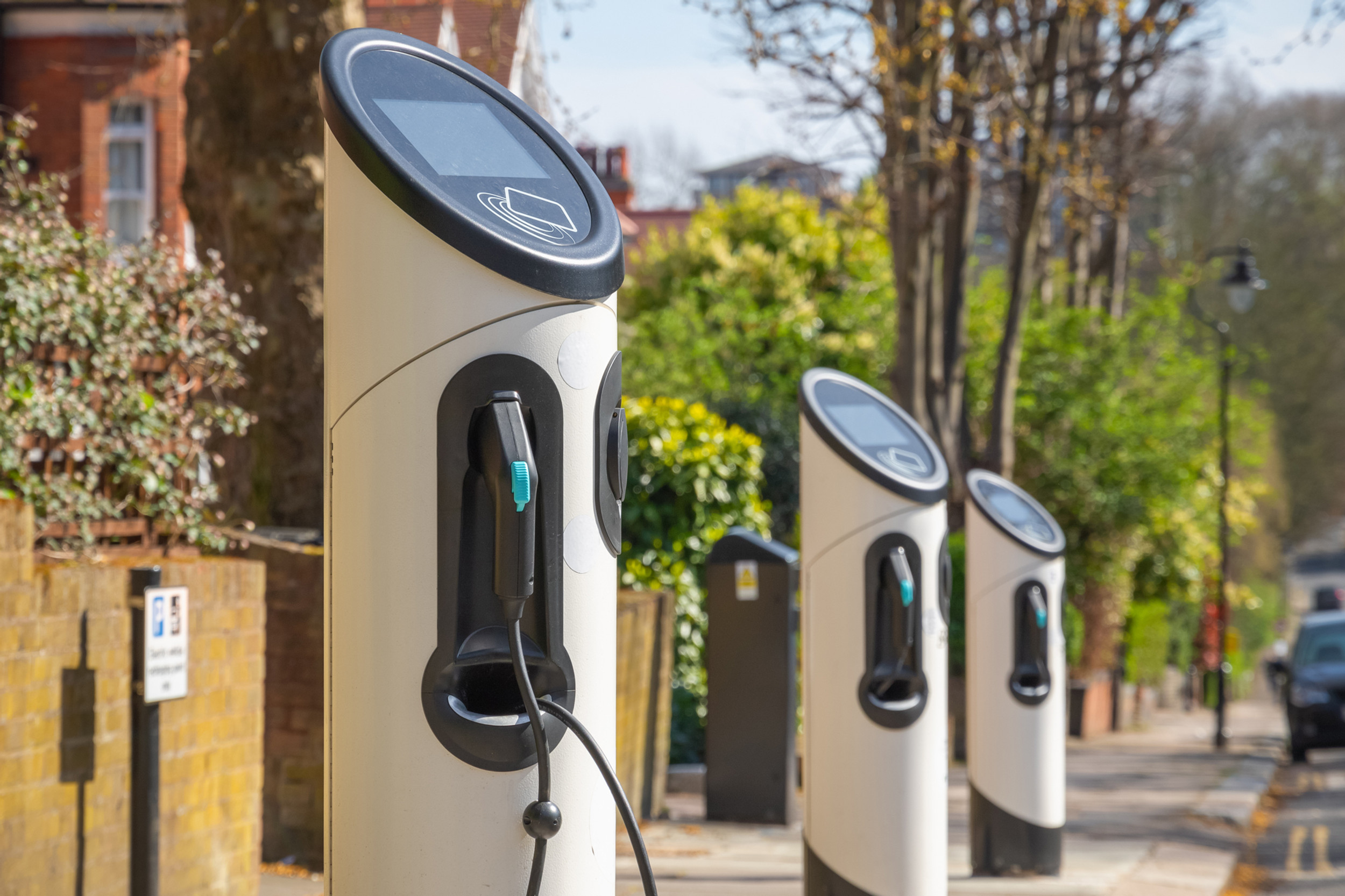
Image: Mobilityportal
Ninety-nine per cent sounds generous until you do the arithmetic. It leaves an operator a margin of roughly 3.65 days of downtime per charger per year, averaged across the network. The government’s guidance is clear that this is the floor, not the aspiration, and it applies to the rapid and ultra-rapid chargers most long-distance EV drivers actually depend on.
A network average of 99% is not a marketing badge. It is the legal minimum – and only one operator in twenty-five is clearing it.
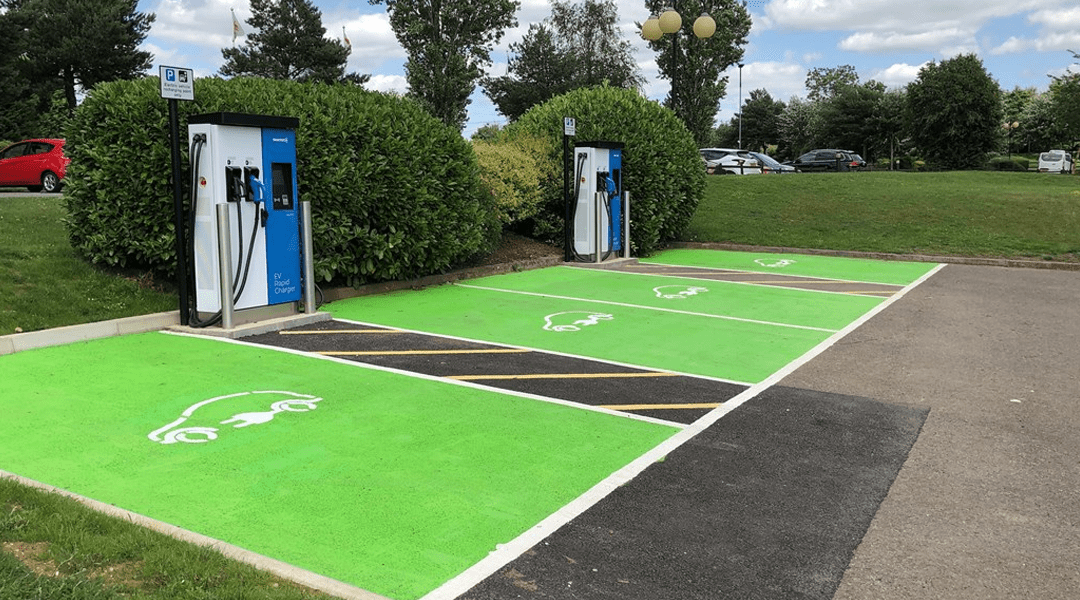
Image: Chargedevs
Why 3.9% is the number that should worry buyers
The Monta figure is stark, but the shape of the rest of the data is almost more telling. Around 26% of operators sat in the 97% to 98.4% band – close, but still short of the line. That is a large cohort of networks that are competent yet non-compliant, missing the standard by a fraction of a percentage point. Closing that final gap is the expensive bit: it means redundant hardware, faster fault response, better remote monitoring and spares on the shelf. It is the difference between a charger that fails and stays failed for a fortnight, and one that is back up the same afternoon.
For anyone buying or leasing an EV in 2026, that distinction is the whole game. Your decision over which network to trust – and which to route a road trip around – now has a legal yardstick behind it, even if most operators are not yet meeting it.
The teeth: reporting, fines and open data
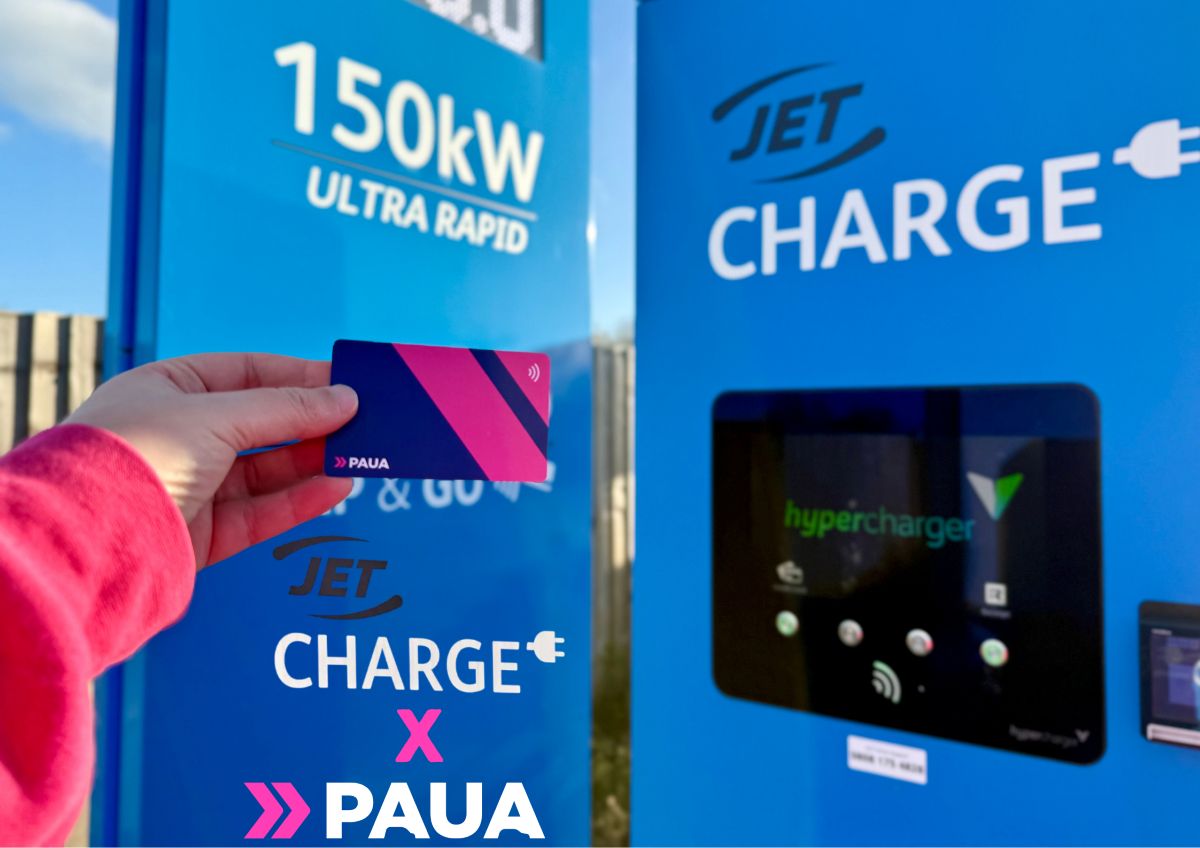
This is not a voluntary code of conduct. Regulation 8 obliges operators to calculate their reliability, submit an annual report to the Secretary of State and publish the figures so the public can see them. Fail to comply and the penalty can run to up to £10,000 per network – a sum designed to sting smaller operators and irritate the larger ones rather than to bankrupt anyone.
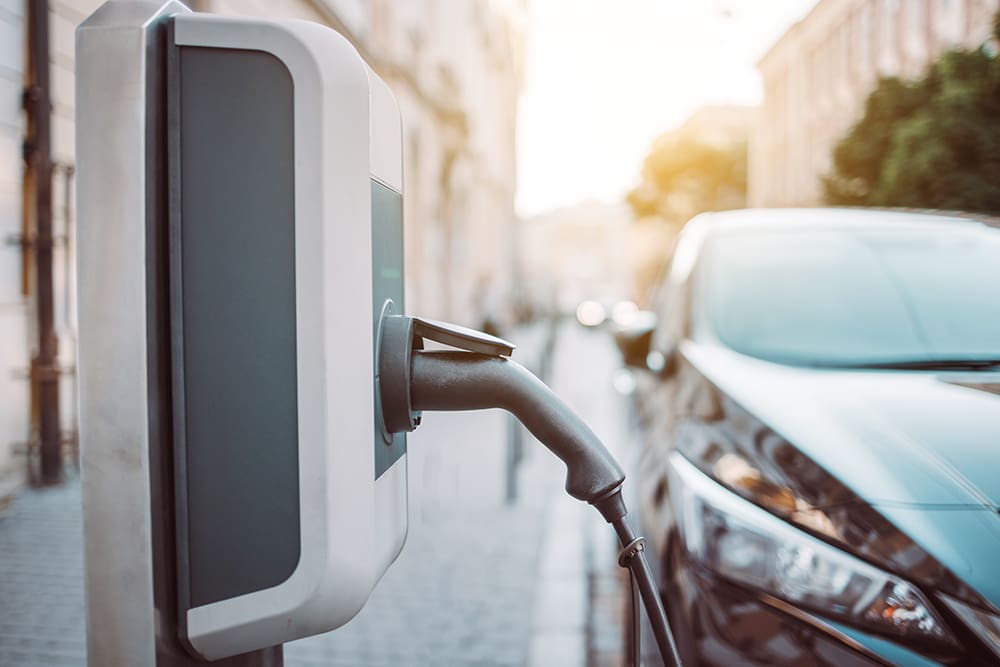
Image: Paua
There is a second, quieter obligation that I think matters just as much. Operators must make real-time status and pricing data available in a machine-readable format – in practice, via an open protocol such as OCPI. That is what lets a route-planning app tell you, before you commit to a junction, whether the charger ahead is live and what it will cost. ChargeUK’s own reliability guide leans on the same principle: transparency is meant to do the disciplining that competition on its own has not.
What I’d actually do as a buyer right now
Here is where I plant my flag. If you are about to sign for an EV on a salary-sacrifice scheme or a PCP, do not treat charging reliability as a vague background worry – treat it as a spec line, the same way you would boot space or a warranty. The January 2026 reports are about to put numbers on something that has, until now, been folklore swapped on owners’ forums. When operators publish, read them. The networks already at or above 99% have earned the benefit of the doubt; the ones clustered in the high 97s are trying but not there; the long tail below that is where I would not want to be stranded at 8% on a wet Tuesday.
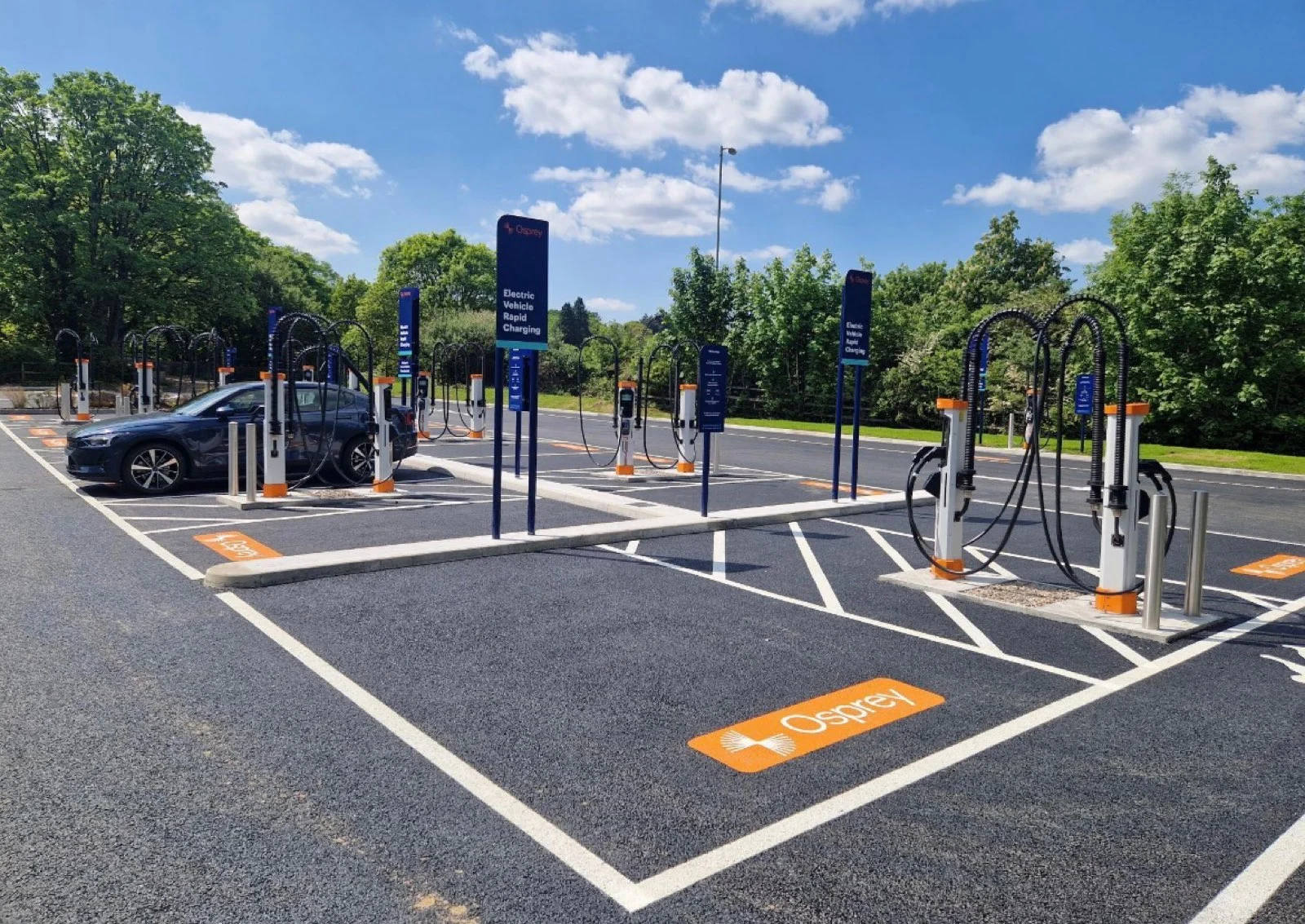
Image: Paua
What would change my mind on all of this? Genuine enforcement. A regulation with a £10,000 ceiling and a self-reported figure only works if someone audits the homework and is willing to issue the fine. If the first compliance cycle passes with universal box-ticking and no scrutiny, the 99% standard becomes a number on a form rather than a charger that works when you arrive. The law has finally handed EV drivers a yardstick. The coming weeks will tell us whether anyone intends to hold it up.
Buyer action
EV and salary-sacrifice checks
Use this as the final check before paying a deposit, signing finance paperwork or relying on a headline monthly figure.
We use cookies to make this site work, measure how it is used, and (with your consent) personalise advertising. Strictly necessary cookies always run. Analytics and advertising cookies run only if you accept. See our Cookie Policy and Privacy Policy.
Car Deal Expert is a trading name of Greyline Technologies Limited. Registered in England & Wales, company no. 16673047. Registered office: 71-75 Shelton Street, London WC2H 9JQ.