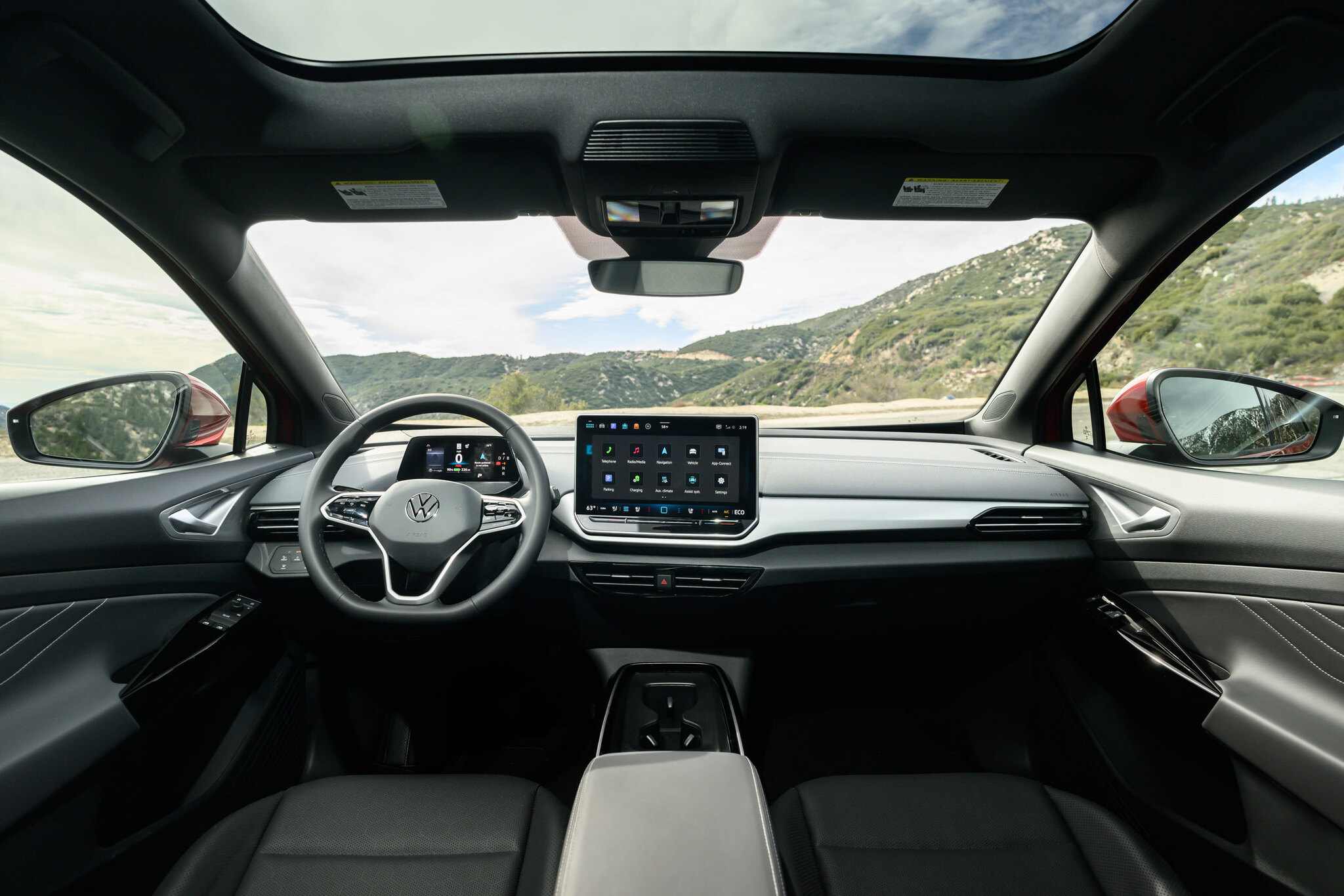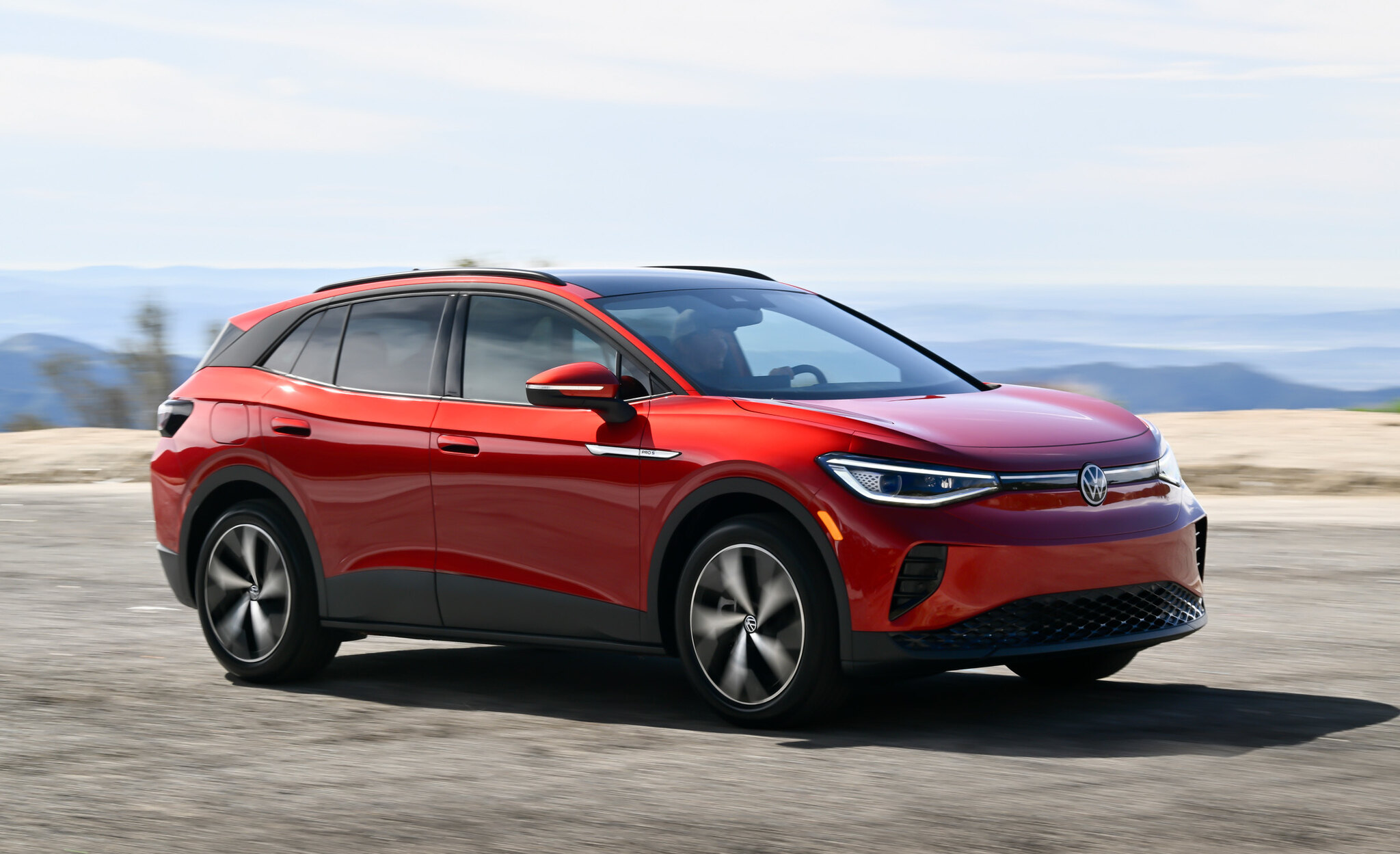
VW ID.4 running costs are the real reason to look at Volkswagen’s electric SUV in 2026, because the headline updates, a bigger battery, more range and the welcome return of physical buttons, only matter once you know what the car costs to feed. This is a model-year refresh, not an all-new ID.4: the entry Pure grows from a 52 to a 58kWh battery with 190PS and up to 265 miles, while the Pro moves to 79kWh. Charge at home on an off-peak tariff and the ID.4 can cost barely a couple of pence per mile; charge in public and that multiplies. Here is the honest running-cost picture, plus a grant catch worth knowing before you buy.
The 2026 changes and the efficiency (CDE data)
Drawn from Volkswagen UK’s 2026 ID.4 update details and independent real-world efficiency testing, June 2026.
- The update: the Pure gains a 58kWh battery (up from 52), 190PS (up from 170) and up to 265 miles (up from 222); the Pro uses 79kWh. Physical steering-wheel buttons return and wireless charging rises from 5W to 15W, with a new vehicle-to-load three-pin output.
- The efficiency: real-world testing puts the ID.4 around 3.2 miles per kWh in mixed UK use, which sets the pence-per-mile.
- The grant catch: no ID.4 currently qualifies for the UK Electric Car Grant until the updated cars are re-certified, so do not count on it.
What changed for 2026, and what did not
Set expectations correctly: this is an update to the existing ID.4, not a ground-up replacement. The most useful change is under the floor, where the entry Pure swaps its 52kWh battery for a 58kWh pack, lifting power to 190PS and claimed range to 265 miles, with the Pro on a 79kWh battery. Volkswagen has also listened to owners, bringing back proper physical buttons on the steering wheel, upgrading wireless charging from 5W to 15W and adding a vehicle-to-load output that can run a three-pin appliance. Pricing is restrained: the Pure is unchanged, the Pro rises about £570 and the GTX about £655. None of this reinvents the car, but it sharpens an already sensible family EV, and the bigger battery directly improves the running-cost story by spreading charges further apart.
VW ID.4 running costs: the pence-per-mile maths
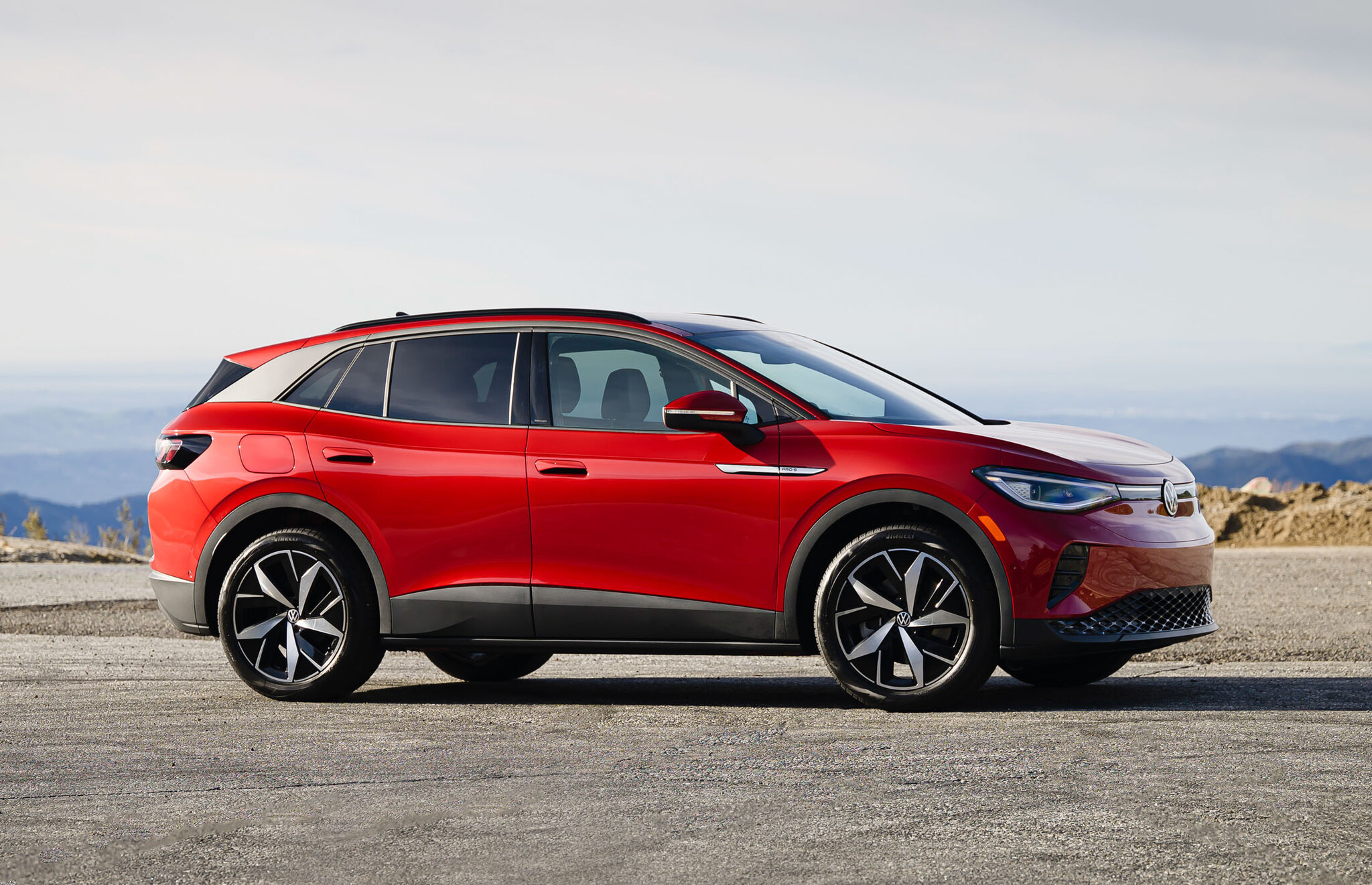
Here is the number that decides whether an EV saves you money, and it depends entirely on where you charge. At a real-world 3.2 miles per kWh, an off-peak home tariff of around 7p per kWh works out at roughly 2.2p per mile, so 10,000 miles a year costs about £220 in electricity. Charge on a standard domestic rate nearer 24.5p per kWh and the same driving costs about 7.7p per mile, or around £770 a year. Use public rapid chargers regularly and the cost can climb well beyond petrol. The lesson is blunt: the ID.4 is brilliantly cheap to run if you can charge at home overnight, and merely adequate if you cannot. Always treat the WLTP range as a best case and budget on real-world efficiency, because winter and motorway driving cut into both range and the pence-per-mile.
It helps to know how far the real figure tends to drift from the claim. Independent testing of the ID.4 has returned efficiency in the region of 3.4 to 4.3 miles per kWh in kinder conditions, so the 3.2 figure we plan around is a deliberately cautious mixed-use average rather than a worst case. Winter is where the gap shows: a cold snap can knock roughly 50 miles off the real-world range of these cars compared with summer, because the battery and cabin heating both draw harder, and that pushes the pence-per-mile up over the same journeys. Sustained motorway speeds do the same. On the practical side, the ID.4 takes home AC charging at up to 11kW, so a wallbox can comfortably refill the 58kWh Pure overnight on an off-peak window; the larger 79kWh Pro simply needs a little more of that cheap-rate time to fill. The takeaway for budgeting is to plan on the cautious efficiency figure and assume the winter penalty, then treat any summer gains as money back in your pocket.
The grant catch: no ID.4 qualifies, for now
Do not buy an ID.4 expecting the Electric Car Grant to knock money off, because at the moment it will not. The 2026 battery changes mean the updated cars have to be re-certified for grant eligibility, and until that process completes no current ID.4 qualifies. That could change, but you should price the car as if the grant does not exist and treat any later eligibility as a bonus. It is a reminder that EV incentives are a moving target, and that the running-cost saving, the cheap home charging, is the more reliable benefit than any grant. If the company-car route is open to you, the bigger saving is usually the low benefit-in-kind, which our 2026/27 company-car tax guide sets out.
Pure or Pro: which battery for your miles
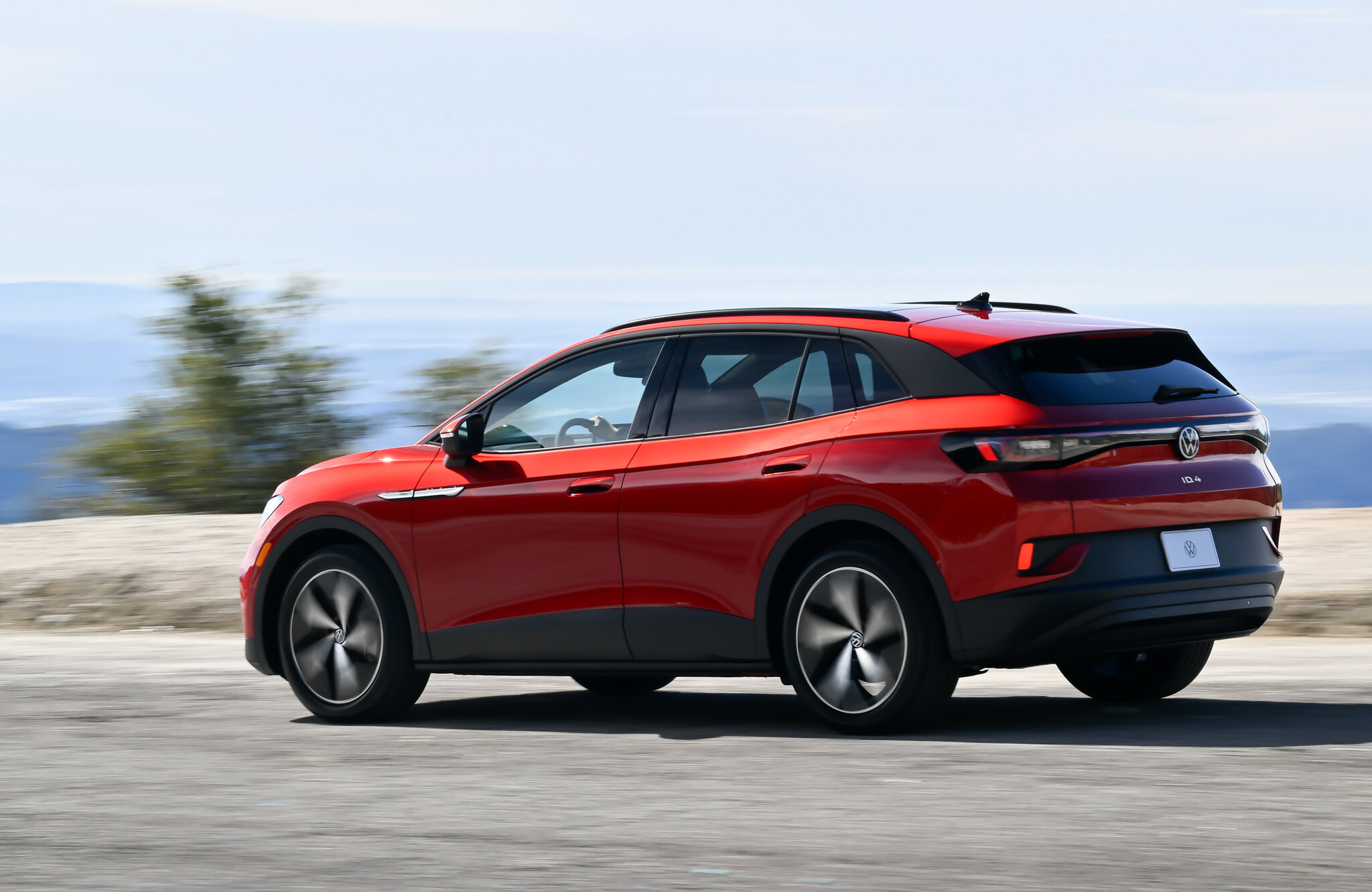
The battery choice is really a mileage choice. The 58kWh Pure, with up to 265 miles and an unchanged price, is plenty for most family use and the cheaper car to buy and to run, and its smaller battery costs less to charge fully. The 79kWh Pro suits higher-mileage drivers and anyone who regularly does longer journeys, where the extra range reduces charging stops and range anxiety, at a modest price rise. If most of your driving is local with the occasional long trip, the Pure is the rational pick; if you routinely cover long distances, pay for the Pro. Either way the per-mile cost is similar when charging at home, so the decision is about range and charging frequency, not running cost. For how the ID.4 holds value against rivals, see our analysis of which EVs hold their value.
Beyond electricity: servicing, tax and depreciation
Charging is only part of the running-cost picture. EVs generally cost less to service than equivalent petrol or diesel cars, with no oil changes and less brake wear thanks to regenerative braking, and the ID.4’s software now updates over the air, reducing dealer trips. Road tax for new EVs is no longer free but remains modest, and you should check whether your trim crosses the £40,000 list-price line that triggers the expensive-car VED supplement. Depreciation is the bigger variable: EVs have had a turbulent used market, so a strong home-charging running-cost saving can be partly offset by faster value loss, which matters most if you buy outright rather than finance. Insurance can also run higher than for a comparable petrol SUV, as our premium EV insurance guide explains.
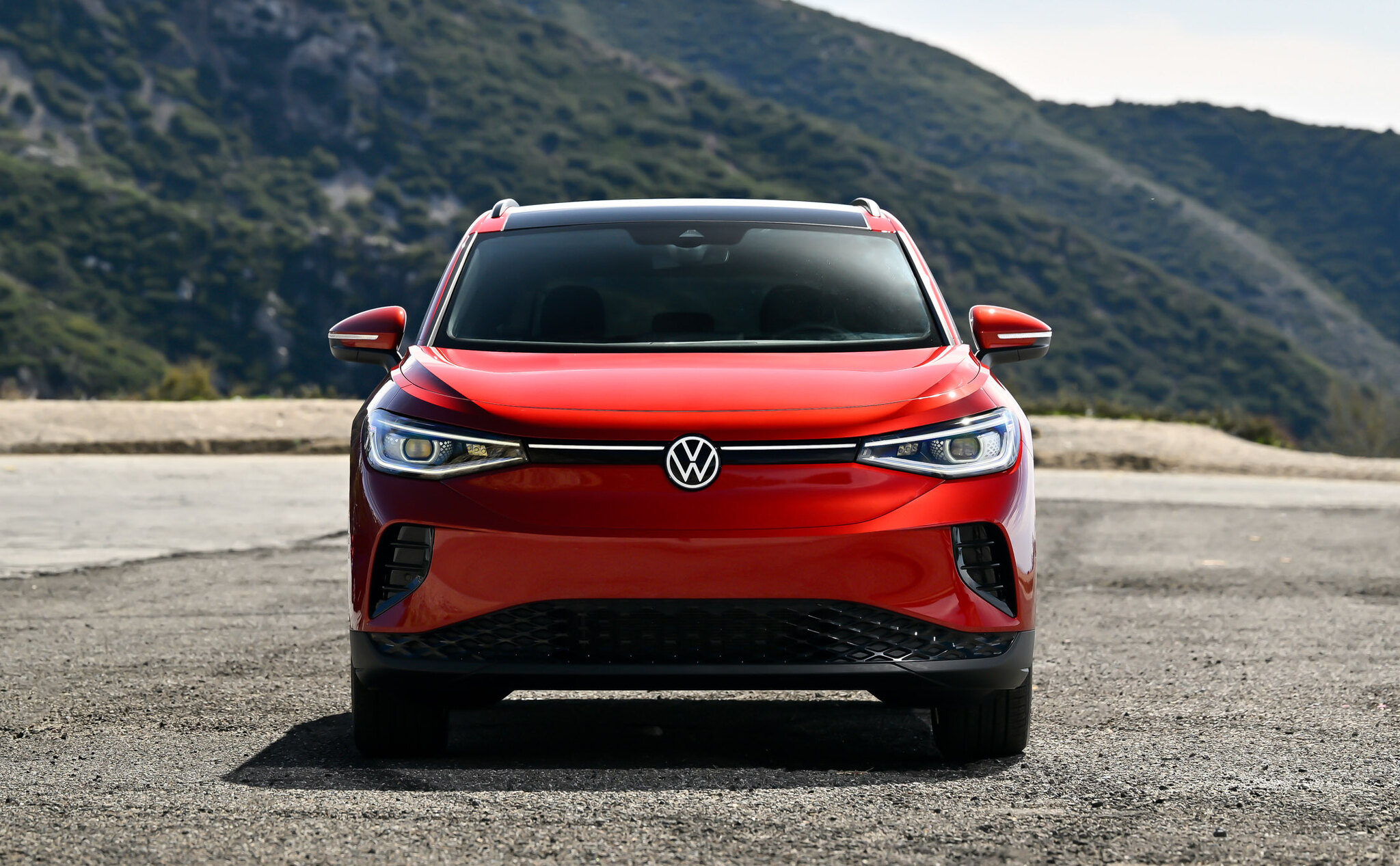
Two ID.4-specific points are worth weighing before you sign. First, this is a heavy, torquey SUV, and weight is what wears tyres, so budget for front tyres more than you would on a small petrol hatch; the flip side is that strong regenerative braking does most of the slowing, which is why ID.4 brake discs and pads tend to last unusually well and rarely need attention between services. Second, the high-voltage battery carries a substantial manufacturer warranty separate from the rest of the car, designed to cover a meaningful drop in usable capacity over the years rather than only outright failure, so check the exact term and the guaranteed state-of-health percentage in your own paperwork before buying. Gradual degradation is normal on any EV and is best thought of as a slow trim to range rather than a sudden cost. The 2026 cars also benefit from Volkswagen’s 5.4.0 over-the-air software, delivered free to enrolled vehicles through the myVW app, which addresses earlier owner complaints around doors and charging behaviour. That keeps the car current without a workshop visit, and a smoother charging routine is one less friction point in the day-to-day running cost.
Where to check before you buy
Run these before committing to an ID.4.
- Confirm you can charge at home on an off-peak tariff; the running-cost case rests on it.
- Price the car without the Electric Car Grant, since no current ID.4 qualifies until re-certified.
- Match the Pure or Pro battery to your real annual mileage and longest regular journey.
- Check whether your trim crosses the £40,000 VED expensive-car threshold.
- Budget on real-world efficiency around 3.2 miles per kWh, not the WLTP range.
- Compare a public-charging running cost honestly if you cannot charge at home, using a tariff from a network such as the ones tracked on Zap-Map.
Our view on VW ID.4 running costs: the 2026 update makes a sensible family EV a little better, but the running-cost verdict still hinges on one question, can you charge at home? If yes, the ID.4 is genuinely cheap to run, around 2.2p per mile on an off-peak tariff, and the bigger battery only helps. If no, the savings shrink and a frequent public-charging owner can end up paying petrol-like money per mile. We would buy the Pure for most family use and the Pro only for high mileage, price the car as if the grant does not exist, and treat depreciation and insurance as the costs to watch rather than the electricity. Charge at home, and the ID.4 is one of the most cost-effective family cars you can run; rely on public charging, and the maths is far less convincing.