Sixteen pence. That’s the gap, per kilowatt-hour, between what a Tesla member and a walk-up driver pay at the Tottenham Hale Supercharger in north London — 47p against 63p — and it’s the number that decides whether Tesla’s £8.99 monthly membership is a smart buy or a quiet drain on your account. When Autocar reported in June 2024 that Tesla had cut the non-Tesla membership from £10.99 to £8.99 a month, the headline was the price drop. The real story, for me, is the maths underneath it.
Because a cheaper membership only matters if you charge enough to use it. And the honest answer — which Tesla is never going to put on a billboard — is that most non-Tesla drivers don’t.
What actually changed (Tesla Supercharger membership)
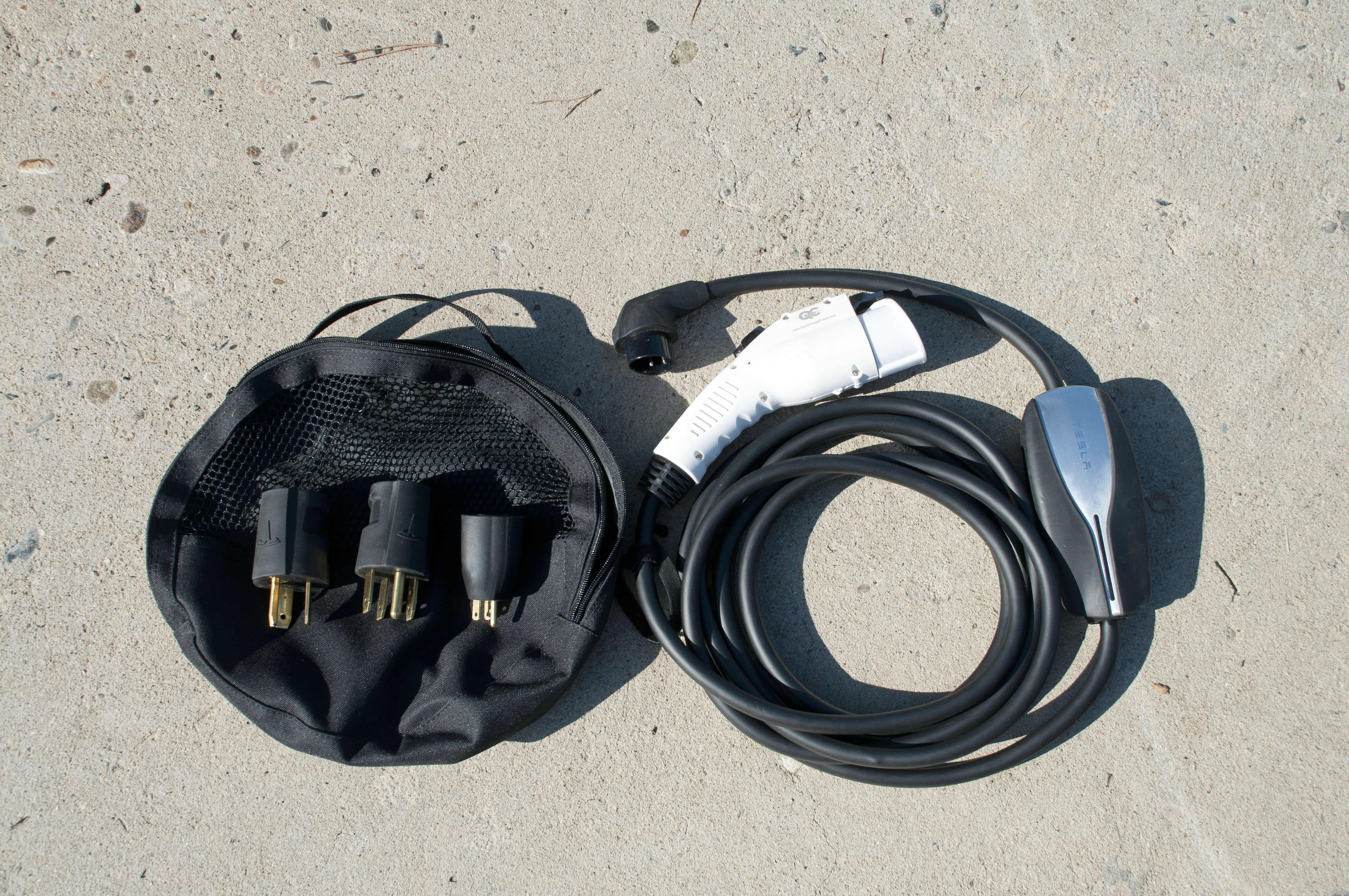
Tesla opened its Supercharger network to other EVs back in 2022, but the deal has shifted since. The monthly membership for non-Tesla cars now sits at £8.99, down from £10.99, with a new £90 annual option for anyone who’d rather pay once and forget it. The annual route works out at £7.50 a month — a fractional saving that only pays off if you’re certain you’ll still want the membership in twelve months. For a network you might use a handful of times a year, I’d be wary of locking in.
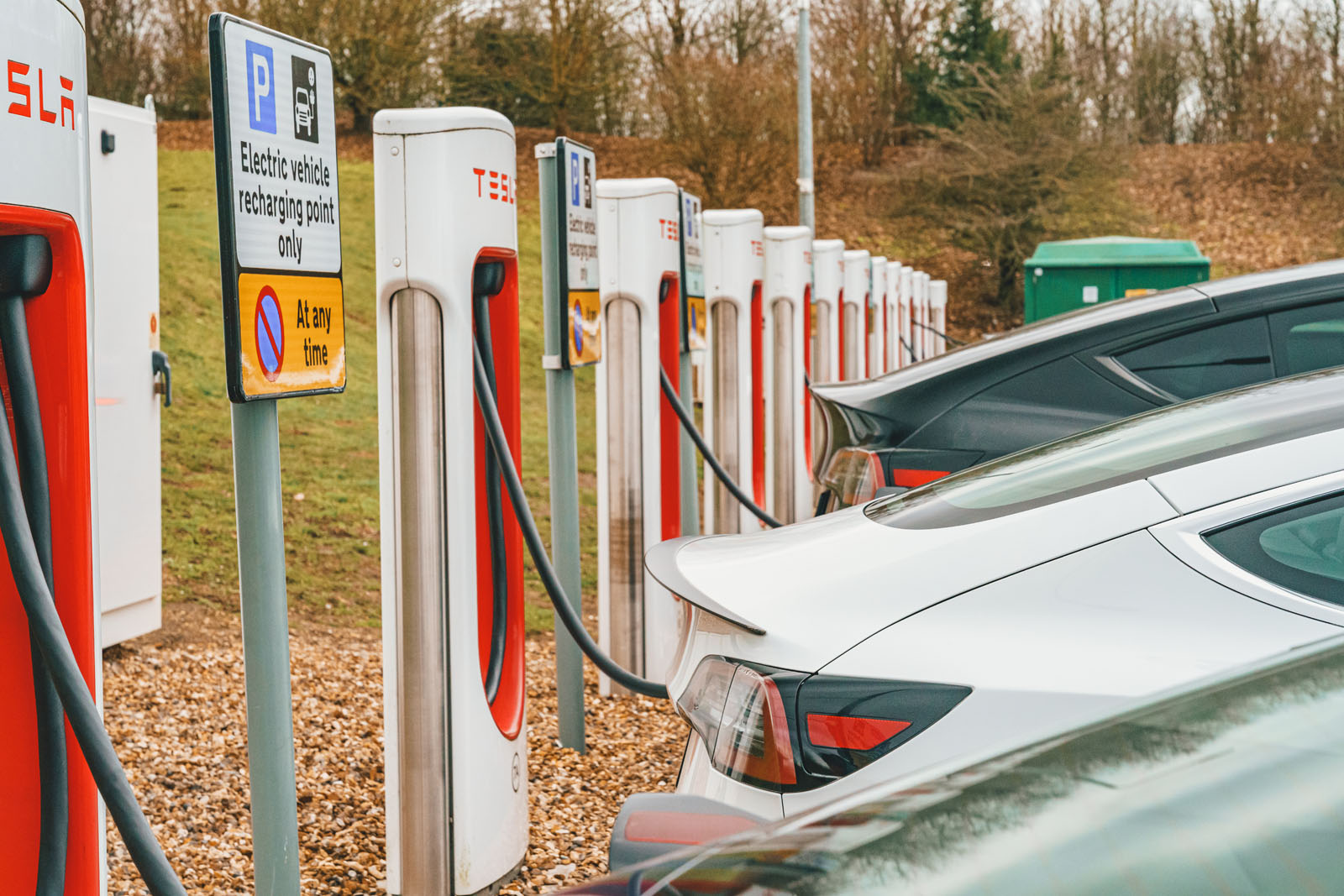
Scale-wise, this isn’t a fringe network. Tesla runs around 140 Supercharger sites with more than 1,400 individual chargers across the UK and Ireland. But here’s the catch that matters for everyone in a Kia, a Polestar or an ID.3: only 42 of those sites — 477 CCS-compatible chargers — are actually open to non-Tesla EVs, as Parkers notes. So before you weigh up the membership at all, the first question is geographic: is there an open Supercharger on the routes you actually drive? If the nearest one is a 20-minute detour, none of the pricing below applies to you.
The break-even, worked through
Let’s take Tesla’s own Tottenham Hale tariff, which runs from 8am to midnight: 47p/kWh for members, 63p/kWh for everyone else. That’s a 16p saving on every unit of electricity you pump in. To claw back the £8.99 membership fee, you simply divide:
£8.99 ÷ £0.16 = 56.2 kWh of charging per month before the membership has paid for itself.
Turn that into miles. At a fair real-world average of 4 miles per kWh, 56.2 kWh covers roughly 225 miles a month — call it 2,700 miles a year — done specifically on Tesla Superchargers at peak rate.
Membership isn’t a discount you earn by owning the right car. It’s a bet that you’ll charge enough to beat the fee — and at 225 miles a month on Superchargers alone, that’s a bet a lot of drivers will quietly lose.
That 225-mile figure is the whole decision in one line. If your weekly routine includes a regular motorway run that lands you at an open Supercharger — a commute, a recurring client visit, a weekend up the A1 — then 225 miles a month is easy and the £8.99 is a no-brainer. If you mostly charge at home on a cheap overnight tariff and only touch a Supercharger on the occasional long trip, you’ll never get near it, and the membership is dead money.
Why Tottenham Hale flatters the deal
One thing I want to flag, because it’s where the marketing gets slippery. That 16p gap at Tottenham Hale is unusually generous. Across the network, membership typically saves around 10p/kWh, not 16p. Run the same sum on a 10p saving and the picture changes sharply:
£8.99 ÷ £0.10 = 89.9 kWh per month — roughly 360 miles of Supercharger-only driving before you break even.
So depending on which sites you use, the bar you have to clear sits somewhere between 225 and 360 miles a month. I’d plan around the higher number, not the cherry-picked one. If your honest monthly Supercharger mileage doesn’t comfortably clear 350-odd miles, treat the membership as a maybe, not a yes.
What the saving actually looks like in pounds
Break-even is the floor; the upside only starts above it. Picture a driver putting 120 kWh a month through that Tottenham Hale tariff — a realistic figure for someone leaning on rapid charging two or three times a week. At a 16p saving that’s £19.20 off the gross bill, minus the £8.99 fee, for a net gain of £10.21 a month. Over a year that’s about £122 kept in your pocket. Drop to the network-wide 10p saving on the same 120 kWh and the net falls to £3.01 a month, roughly £36 a year. Real money, but a long way from the headline.
Now flip it. A driver who charges 40 kWh a month on Superchargers — a single decent top-up — saves £6.40 at 16p and is therefore £2.59 a month worse off for holding the membership. At the 10p network average, that same driver loses nearly £5 every month. This is the trap: the fee is fixed, your saving is variable, and below the break-even line the subscription quietly inverts into a loss. The maths doesn’t care how good the network is.
Who this is genuinely for
On the numbers, three types of driver should sign up without much hand-wringing. The first is the high-mileage company-car or salary-sacrifice driver who can’t reliably charge at home — for them, public rapid charging is the default, not the fallback, and shaving 10–16p off every kWh adds up fast. The second is anyone whose regular route is anchored to one of those 42 open sites. The third is the two-EV household pooling charging onto one membership, which spreads the £8.99 across far more kWh.
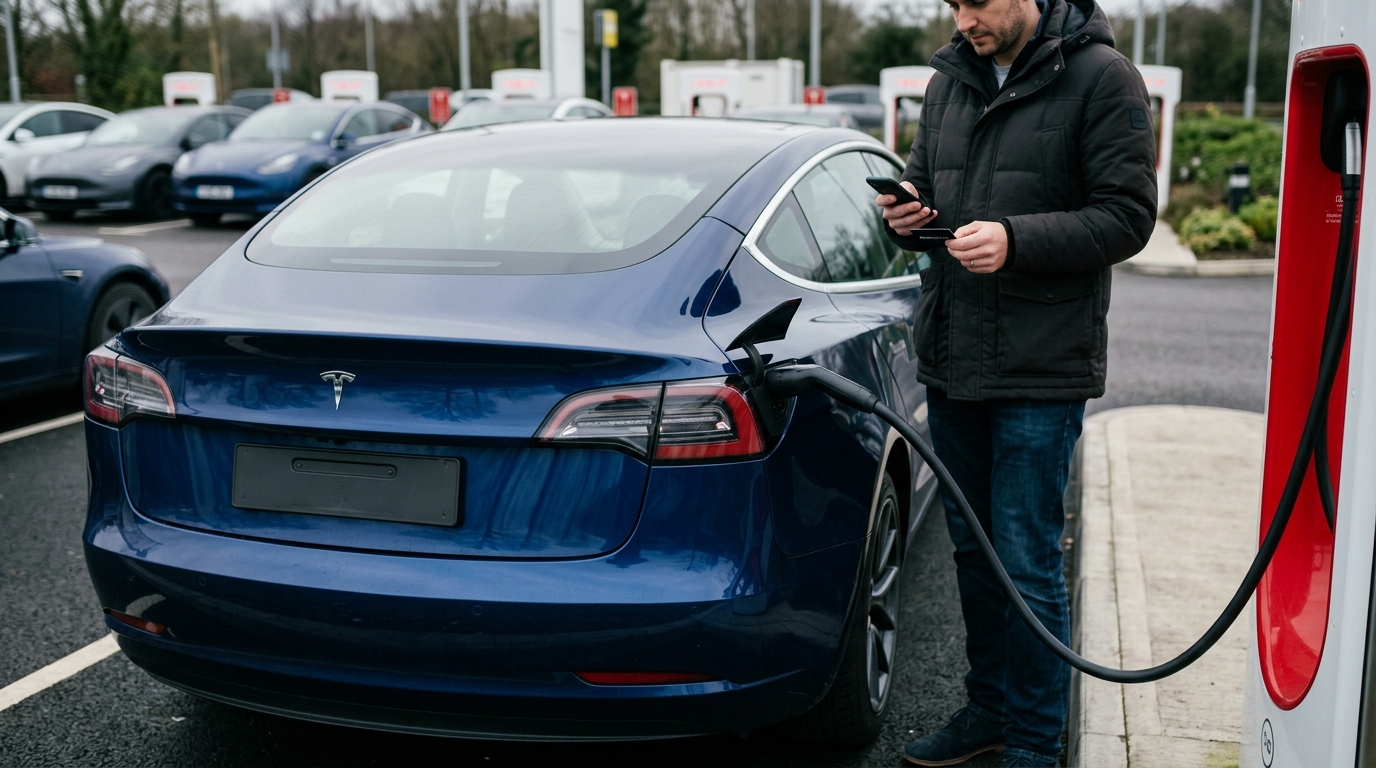
Who shouldn’t bother? The home-charging majority. If you’ve got a wallbox and a 7–9p overnight rate, your cost-per-mile at home already undercuts even the 47p member tariff by a mile. Paying £8.99 to occasionally save 16p on a rapid charge you take three times a year is the definition of a fee that costs more than it saves. Cancel it, charge at home, and pay the 63p walk-up rate on the rare long haul — you’ll still be ahead.
Where I land on the £8.99
The price cut is welcome, but it doesn’t change the underlying logic — it just lowers the bar slightly. Membership is a subscription, and like every subscription the danger is paying for access you don’t use. My rule of thumb: open your charging app, look at your last three months of Supercharger sessions, add up the kWh, and if you’re not consistently clearing 60–90 kWh a month on that network specifically, the £8.99 is working against you.
If you are clearing it — if Superchargers are a real part of your weekly driving — then sign up monthly first, not annually. Watch one full month of real usage against the break-even, and only commit to the £90 year once the maths has proved itself on your own routes. What would change my mind in your favour is simple: a genuine, recurring long-distance pattern. Absent that, the cheapest Tesla membership is still the one you don’t buy.
Buyer action
Finance checks before you sign
Use this as the final check before paying a deposit, signing finance paperwork or relying on a headline monthly figure.