Car Deal ExpertIndependent UK car-buying guidance: premium used cars, finance, salary-sacrifice EVs, insurance, recalls and consumer protection since 2008.
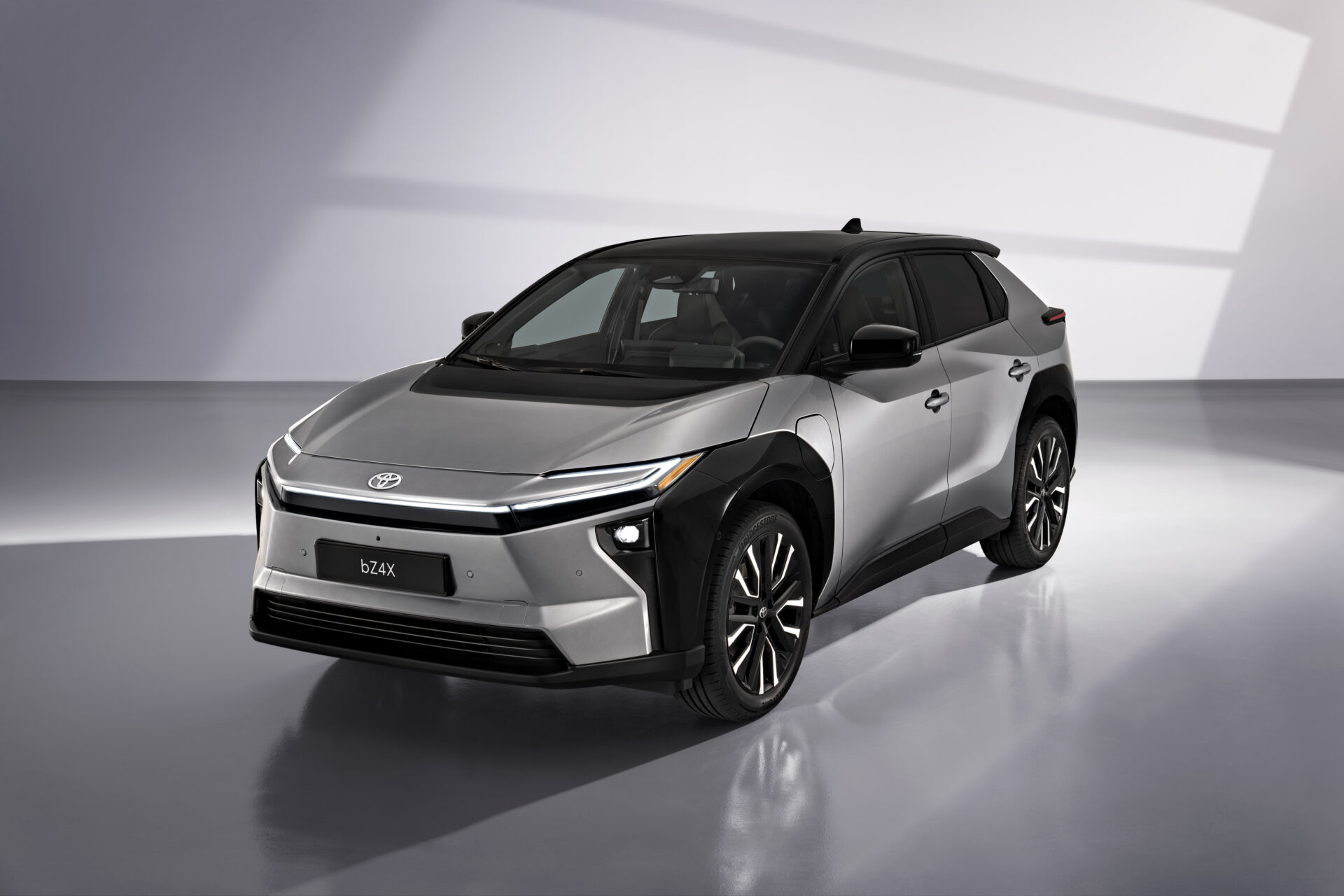
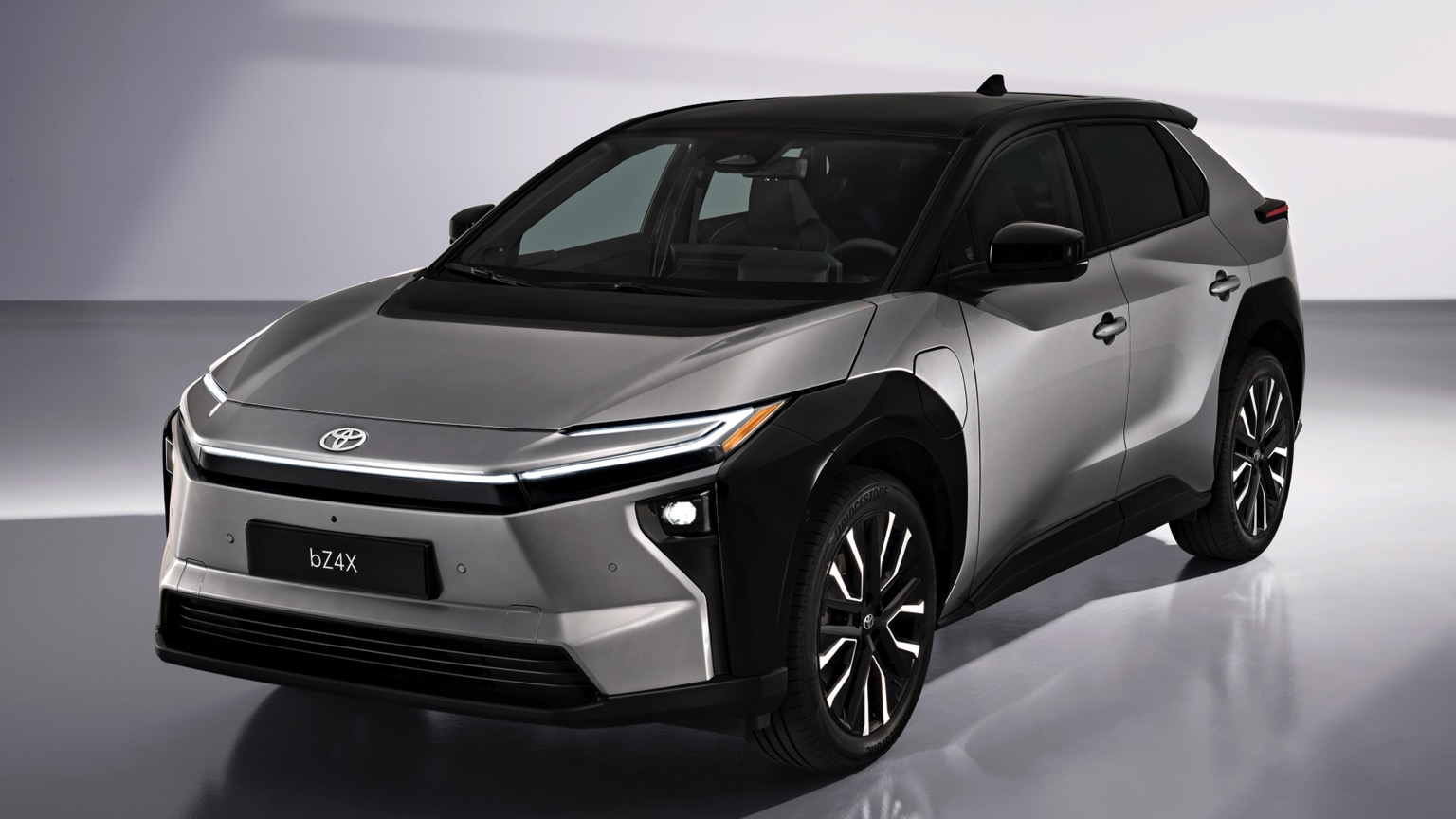
A million kilometres. That is the battery warranty Toyota has put behind the refreshed bZ4X — 620,000 miles, a figure so far beyond any realistic ownership cycle that it reads less like a spec line and more like a statement of intent. And for once, on an electric Toyota, the statement lands. When the company confirmed UK pricing and opened ordering on 3 November 2025, with first customer deliveries arriving in January 2026, it quietly fixed most of what made the original bZ4X an also-ran. The price is keener, the range is longer, and the warranty is frankly absurd in the best way. The question I keep coming back to is not whether this is a better car — it plainly is — but whether it is now the company-car EV the fleet world should actually be writing into its choice lists.
The range problem Toyota needed to fix (Toyota bZ4X)
The first bZ4X was undone by a range figure that never quite squared with the badge on the bonnet. The 2026 car answers that directly. There are now two NMC battery packs in the line-up: a 57.7 kWh gross unit in the entry car and a 73.1 kWh gross pack further up the range. On the official numbers, the smaller battery claims 274 miles WLTP, the larger front-wheel-drive version stretches to 352 miles, and the dual-motor all-wheel-drive car — back in the range on the bigger pack only — settles at 291 miles. The UK launch specification sets the figures out cleanly, and they matter more than the headline trim names.
352 miles is the number that changes the conversation. It is not class-leading, but it is comfortably past the threshold where a company-car driver stops planning their week around a charger and starts treating the car like a diesel that happens to plug in. The 274-mile entry car is honest rather than heroic; the AWD’s 291 miles is the tax you pay for the second motor and the extra traction, and for most fleet drivers in the south of England that trade is hard to justify.
Where the price actually sits
The updated bZ4X is available new from £39,995. That is the figure to anchor on, because it drops the car neatly under the £40,000 line that has long been the psychological — and, practically, the lease-rate — dividing line in this segment. The structure is straightforward: Icon takes the smaller 57.7 kWh pack, while Design and Excel move up to the 73.1 kWh battery, and the AWD model is reserved for that larger pack alone.
Image: Global
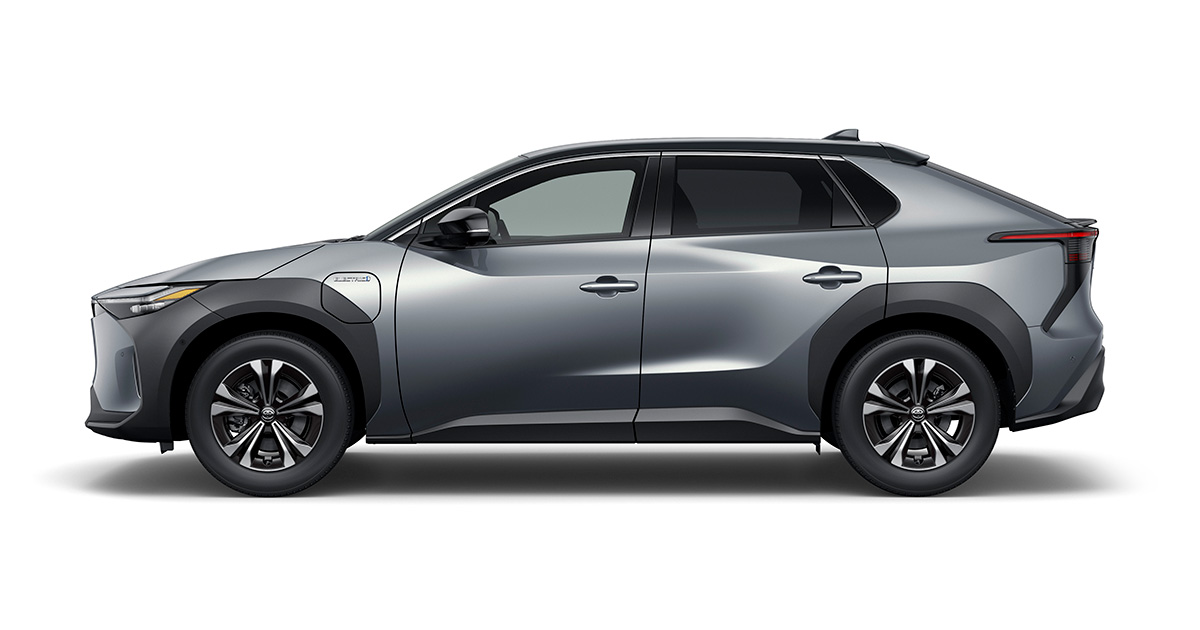
For a private buyer that ladder is fine. For a fleet manager it is close to ideal, because the trim you most want — a 73.1 kWh Design on front-wheel drive, with its 352-mile claim — sits in the middle of the range rather than at the unaffordable top. You are not forced into the most expensive car to get the range that makes the whole proposition work.
A 620,000-mile battery warranty is not a marketing flourish — it is Toyota underwriting the one number that keeps finance directors awake about EVs.
Image: Global
The warranty is the real story for fleets
Here is where I think most coverage has buried the lead. The bZ4X’s headline 1,000,000 km — 620,000-mile — battery warranty, confirmed at the UK launch as a key total-cost-of-ownership consideration, is the single most company-car-relevant thing about this car.
Battery degradation and residual-value uncertainty are the two anxieties that still haunt EV fleet decisions. A warranty pitched at six figures of mileage does not erase the residual risk, but it does something useful: it removes the catastrophic-failure scenario from the spreadsheet almost entirely. A car kept on a three- or four-year cycle will never come close to that ceiling, which means the battery is, for all practical fleet purposes, guaranteed for the life of every lease it will ever sit on. That is the kind of certainty a finance director can actually price.
The 2026 company-car maths
The warranty only matters because the tax case is already strong. For the 2025/26 tax year, fully electric company cars still attract benefit-in-kind rates in the low single digits, rising by a single percentage point a year on the published schedule — a gap over petrol and diesel so wide it remains the main reason salary-sacrifice EV schemes keep filling up. (Exact BiK liability depends on your tax band and the car’s P11D value, and these rates are set by HMRC for the relevant tax year, so treat any monthly figure as indicative and not a finance offer until your provider confirms it.)
Image: Toyota
Put the pieces together and the refreshed bZ4X reads like a deliberately fleet-shaped product. A sub-£40,000 entry point keeps the P11D figure — and therefore the BiK bill — sensible. The 352-mile FWD Design covers the mileage most drivers actually do without theatre. And the warranty quietly de-risks the one line on the total-cost sheet that no rival in this bracket answers as boldly. For a driver weighing a personal lease rather than a company car, the same logic holds: clean outbound options such as the bZ4X listed on MINEXTEV show how the manufacturer’s headline price translates into a monthly rate, though your own rate will depend on your circumstances and is subject to status.
Which version I’d put on the choice list
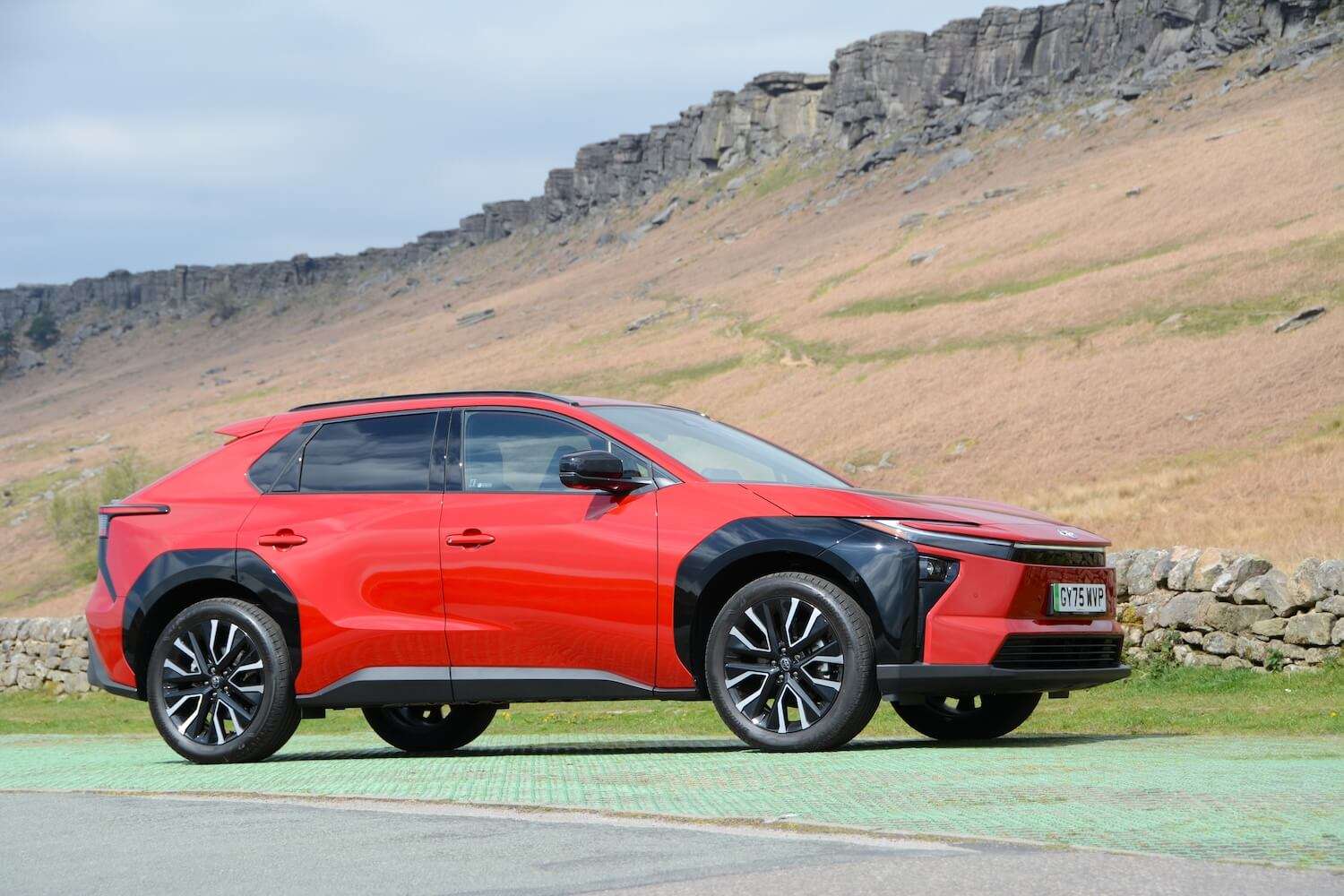
I would not bother with the AWD. Its 291-mile figure and the second motor solve a problem most UK company-car drivers do not have, and they cost range and money to do it. The Icon, on its 274-mile pack, is the honest entry choice but feels like the car you order when someone else is setting the policy. The sweet spot is unambiguous: the 73.1 kWh Design, front-wheel drive, 352 miles WLTP. It is the trim where the price, the range and the warranty all pull in the same direction.
Image: Toyota
One genuine unknown remains. There has been talk of a bZ4X Touring estate variant, but its UK launch timing, prices and specifications cannot be confirmed from anything Toyota has yet put on the record, so I would not let a maybe hold up an order on a car you can configure now.
What would actually get me to sign
The earlier bZ4X was a car I would have talked a fleet driver out of. This one I would talk them into — with conditions. If you are a high-mileage rep who lives on the motorway, the 352-mile Design is the one to order, and the warranty makes the four-year hold feel like a non-event rather than a gamble. If your weekly mileage is modest and you mostly charge at home, the Icon does the job for less. The only driver I would steer elsewhere is the one being seduced by the AWD badge: pay for the range, not the second motor. Toyota has not built the most exciting electric SUV on the market. It has built one of the most defensible company-car decisions of 2026 — and for the people signing the leases, that is the more valuable thing.
Buyer action
EV and salary-sacrifice checks
Use this as the final check before paying a deposit, signing finance paperwork or relying on a headline monthly figure.
We use cookies to make this site work, measure how it is used, and (with your consent) personalise advertising. Strictly necessary cookies always run. Analytics and advertising cookies run only if you accept. See our Cookie Policy and Privacy Policy.
Car Deal Expert — independent UK automotive publisher since 2008.