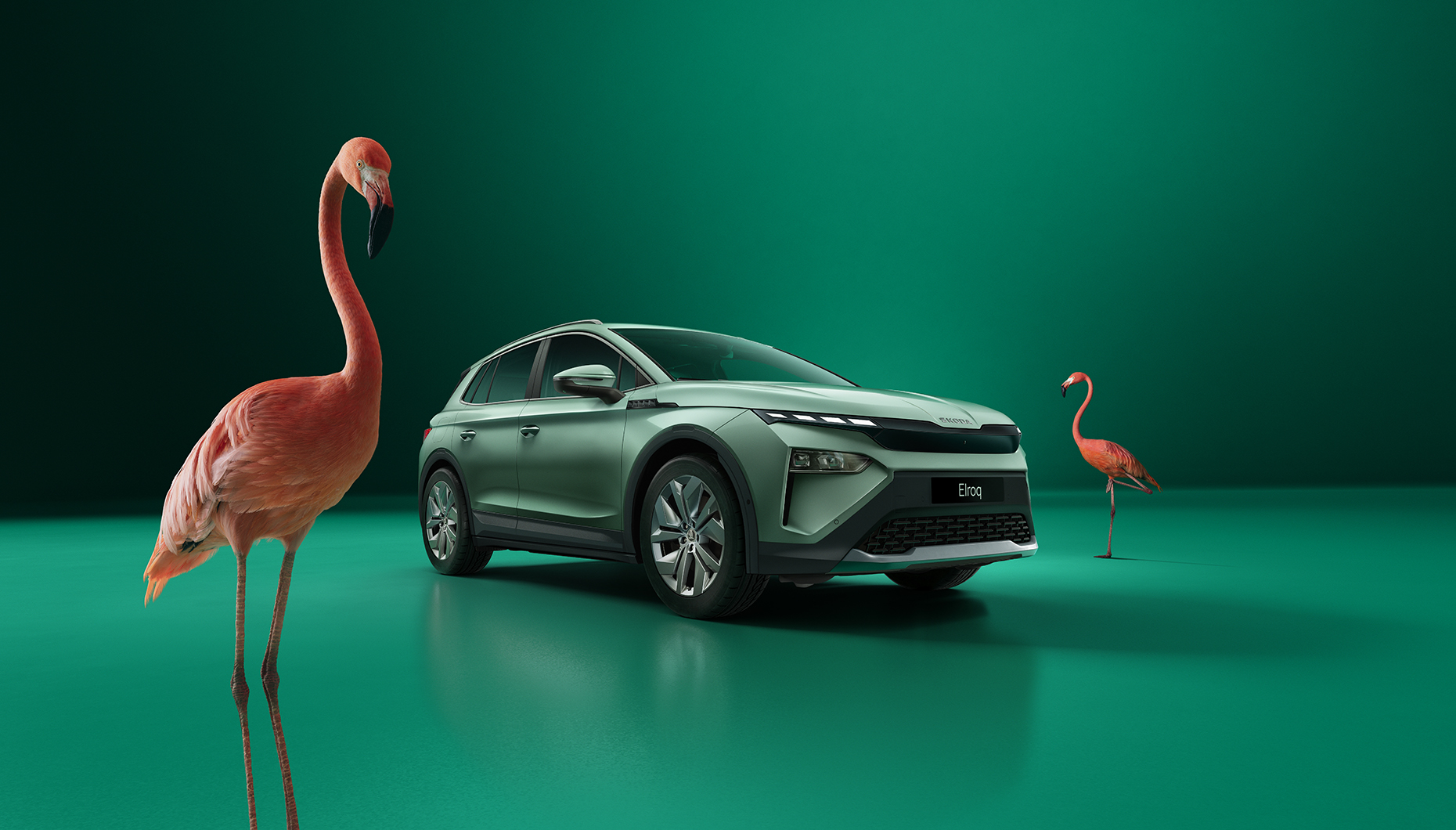
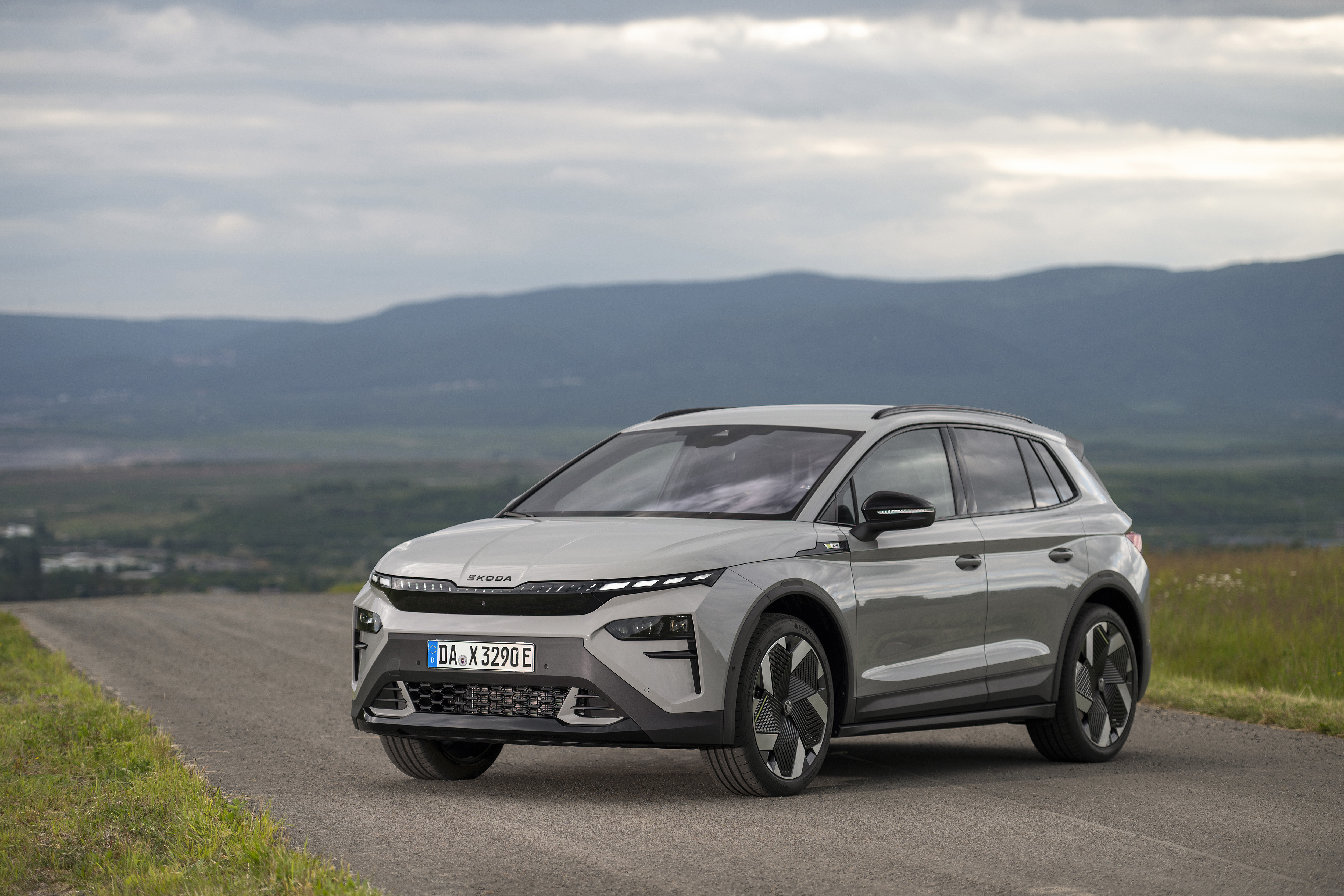
Skoda Elroq is the family electric car I would point most people towards in 2026, and the reasons are reassuringly dull: a 470-litre boot, up to 360 miles of claimed range, and a starting price of around £33,000 (Skoda UK). It is not the cheapest electric SUV on the road and I would not buy it if it were, because cheap and right are rarely the same car. What it is, after being named UK Car of the Year 2026 and fronting a sensible spec list, is the one that does the boring family jobs without asking you to compromise, and on a salary-sacrifice scheme at 4% benefit-in-kind it becomes genuinely hard to argue with.
What you actually pay for a Skoda Elroq
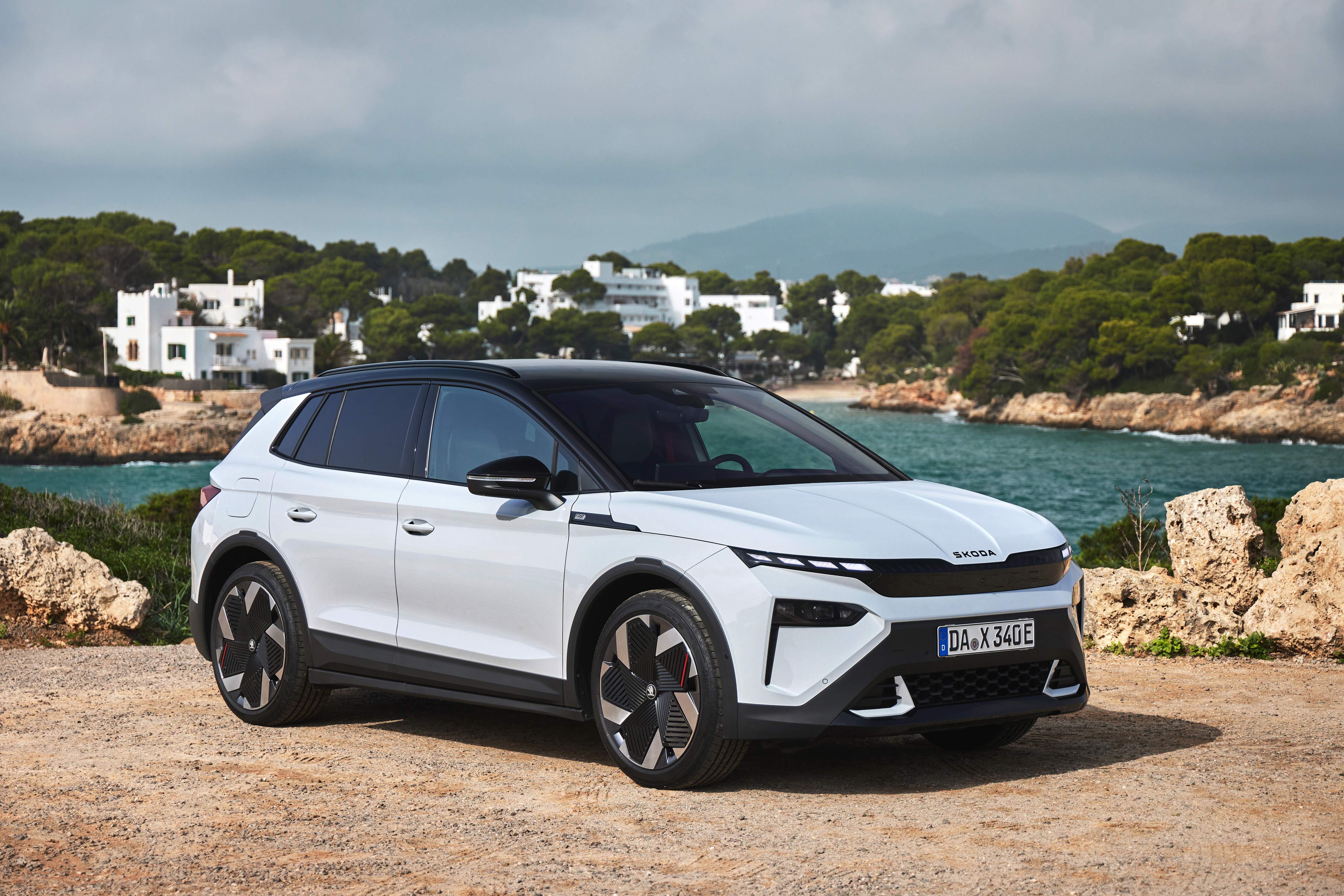
The range opens with the SE L 60 at around £33,000, which pairs a 58kWh battery with a claimed 265 miles. Step up to the SE L 85 from around £37,000 and you get a 77kWh battery and up to 360 miles, which is the version I would steer most families to. Above that sit the Edition, SportLine and the hot vRS, with the line-up stretching into the mid-£40,000s for the vRS (Skoda UK pricing). That spread matters: the entry car is keenly priced, but the sweet spot is the bigger battery, and it is worth pricing the exact trim on Skoda’s own configurator rather than anchoring to the headline number. This is a premium-feeling car at a sensible price, not a budget runabout, and the difference shows in the materials.
The range and charging reality
Two batteries, two very different ownership experiences. The 58kWh car’s 265-mile claim is fine for town and commuting but tight for regular long runs, while the 77kWh car’s 360 miles gives the headroom most families actually want. On a rapid charger the 85 version takes a 10 to 80% top-up in around 29 minutes at up to 165kW (Skoda UK), which is competitive rather than class-leading, and good enough that a motorway stop is a coffee rather than a chore. As ever, treat the WLTP figures as a best case: load the car, switch on the heating in January and you will see noticeably less, which is exactly why I lean towards the bigger battery. If your mileage is genuinely low, the cheaper 60 makes sense and you can read how the sums work in our VW ID.4 running costs breakdown, which shares this car’s underpinnings.
The boot, the back seats and the school-run test
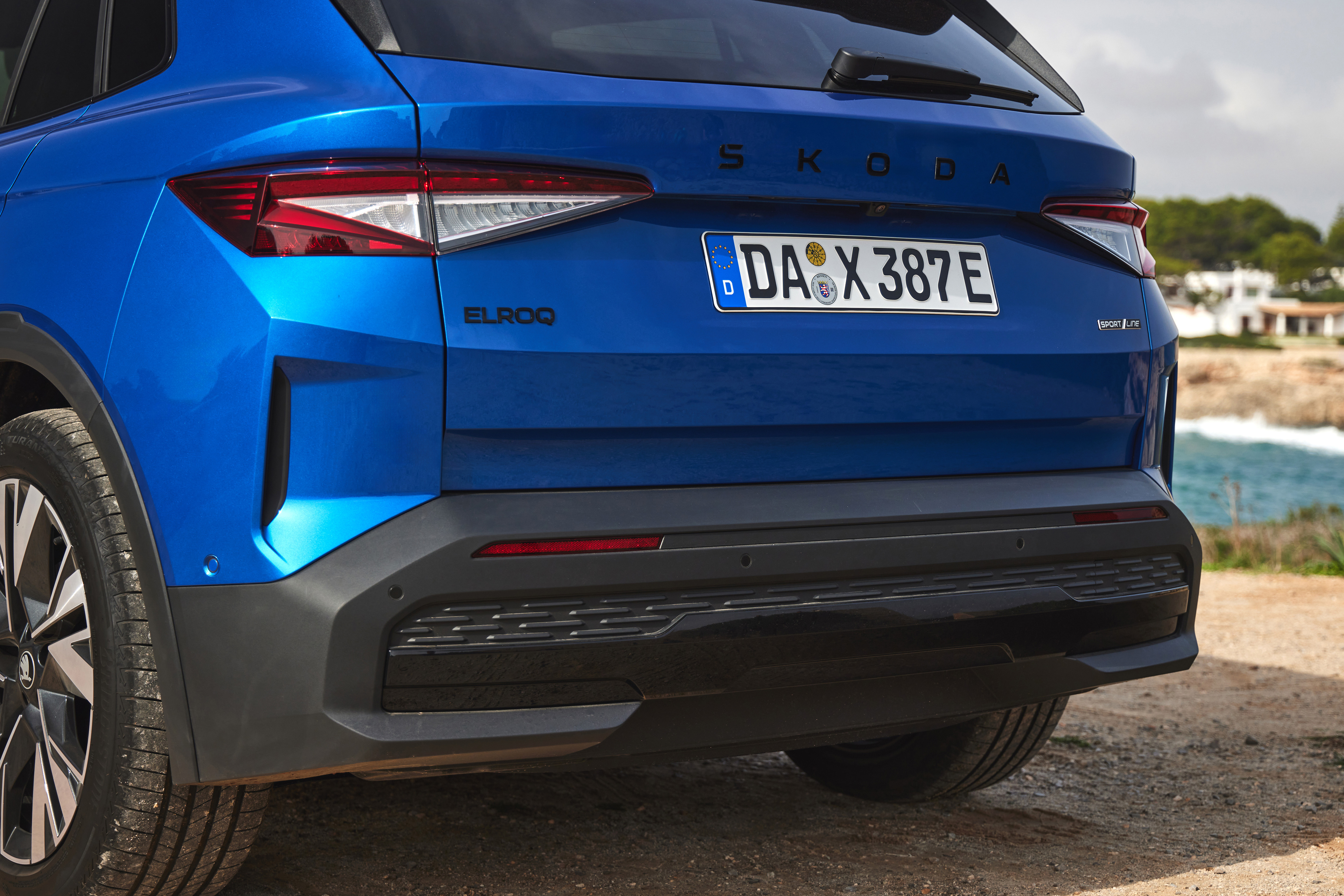
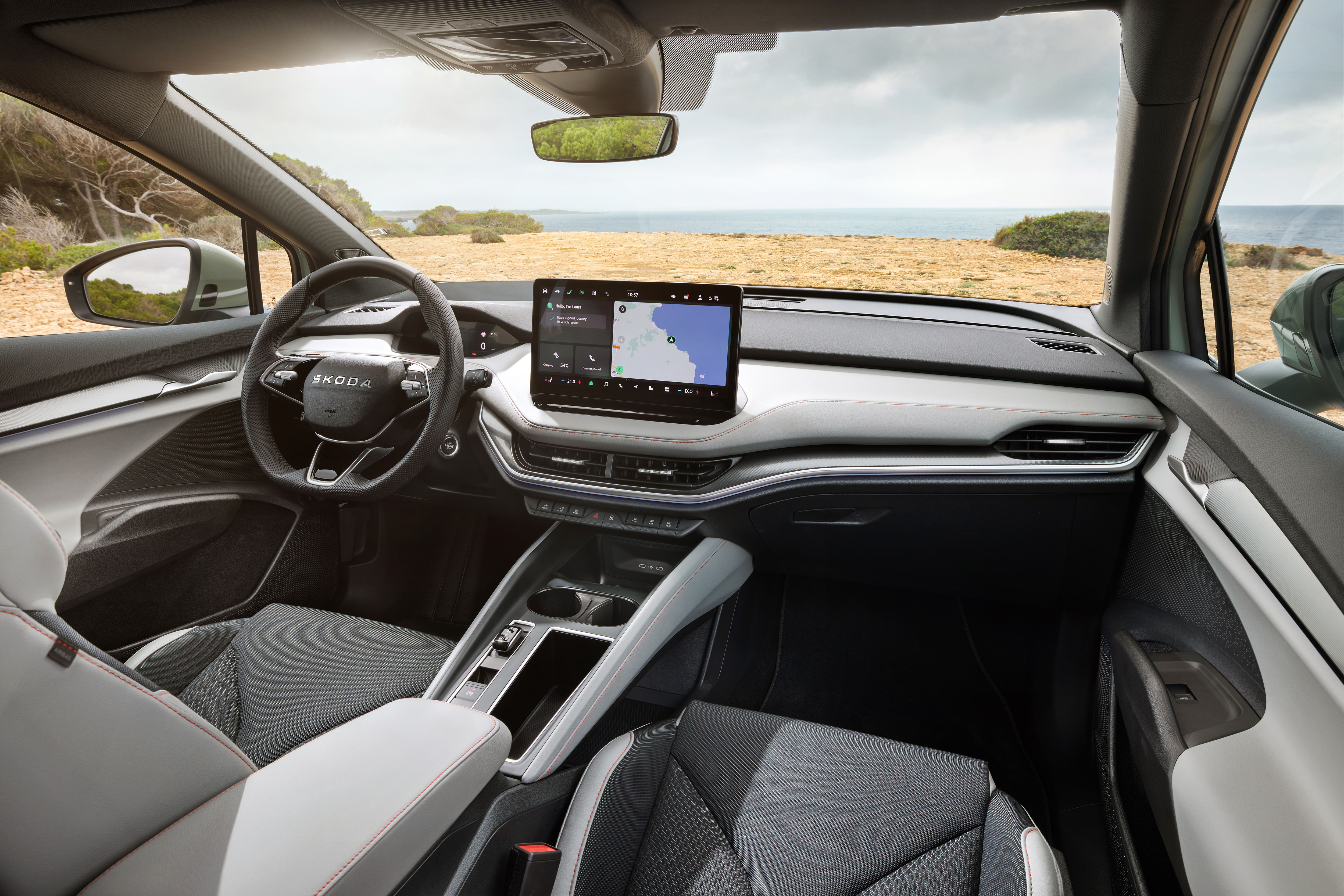
This is where the Elroq earns its keep. The 470-litre boot is bigger than you get in most family hatchbacks and a chunk of the compact-SUV competition, and it swallows a buggy and the weekly shop without negotiation. The cabin is the usual Skoda trick of feeling a class above the price, with proper door bins, sensible storage and back seats that take two child seats or three adults at a push. Skoda’s “Simply Clever” touches, the ice scraper, the brolly, the boot hooks, sound like marketing until the morning they save you. If you need a third row you are in the wrong car and should look at the larger seven-seat EVs instead; for a single family vehicle that has to do everything, the proportions here are close to ideal.
Where salary sacrifice changes the sum
If your employer runs a salary-sacrifice scheme, the Elroq stops being merely good value and starts looking like a bargain in the only sense I trust, which is the net monthly cost. As a zero-emission car it sits in the 4% benefit-in-kind band for 2026/27 (gov.uk company car appropriate percentage tables, updated 6 April 2026), so the company-car tax on it is tiny, and you give up gross pay rather than taxed salary for the lease. I will leave the full worked maths to the finance desk, but the shape is set out in our 2026/27 company car tax bands explainer and the salary-sacrifice scheme comparison. The car’s modest list price is the point: a smaller sacrifice covers it, so the Elroq suits a basic or higher-rate taxpayer who wants the lowest payroll hit rather than the biggest badge. This is general guidance, not personal tax advice, and your own figure will depend on your salary, tax band and scheme terms.
On salary sacrifice the Elroq stops being merely good value and starts looking like a bargain in the only sense I trust: the net monthly cost. Its modest list price is the point, because a smaller sacrifice covers it.
Sarah Chen
How it stacks up against the obvious rivals
The closest relative is its own sibling. The larger Skoda Enyaq gives you more space again for more money, and the choice between them is really about how much car your family needs. Against the Renault Scenic E-Tech the Elroq counters with a bigger boot and the Skoda interior quality, and against the Kia Niro EV it feels a generation newer inside. The Hyundai and Kia camp will tempt you with their own salary-sacrifice deals, and the Ioniq 5 on a scheme is a genuine alternative if you want more design flair. What the Elroq does better than almost all of them is feel like a complete, grown-up family car at a price that does not make you wince.

What the awards do and do not tell you
The Elroq has had a very good awards season, taking major honours including the UK Car of the Year 2026 title, and that is not nothing: those panels drive everything back to back, so a win means it beat the field on the day. What an award does not tell you is whether it suits your driveway. It will not fix the fact that the entry battery is short on range for high-mileage drivers, and it does not change the truth that an EV only makes financial sense if you can charge at home cheaply overnight. I treat the trophies as a strong signal that the fundamentals are right, then do my own checking on the specifics that matter to a particular buyer.
The checks I would make before signing
Before you commit, do the homework that protects your money. Price the exact trim and battery on Skoda’s official UK site so the real on-the-road figure is yours, not a brochure opener. Check whether any current government EV grant or incentive applies to the version you want before you bank on a discount, because eligibility moves and is never guaranteed. If you are going down the salary-sacrifice route, get the lease rate and the in-life terms in writing from your scheme, not a marketing estimate. Confirm the appropriate percentage on gov.uk’s company car tax tables. And price a year of home charging on a cheap overnight EV tariff against your current fuel bill, because that gap is where the running-cost case is won or lost.
Where I would land on the Elroq
I would buy the SE L 85, charge it at home, and not give the badge another thought. For a family that wants one sensible electric car to do everything, the Elroq is the most complete answer at this money: the boot, the cabin quality and the 360-mile battery cover the real jobs, and on salary sacrifice the net cost is genuinely low. The people who should look elsewhere are clear enough: if you regularly need a third row, a seven-seat EV is the honest choice; if you do very high mileage, sit in the bigger battery and double-check the real-world range; and if your only goal is the lowest possible sticker, you will find cheaper, but you will not find better value for a family. That, to me, is the whole point of the car.
How we researched this guide
Every pick here is shortlisted from hands-on testing and time spent living with the hardware by the CDE desk, then sanity-checked against current UK pricing, manufacturer specs and real-world performance before it makes the cut. We never rank for commission — affiliate links don't change the order.
Buyer action
Where to check next
Use this as the final check before paying a deposit, signing finance paperwork or relying on a headline monthly figure.