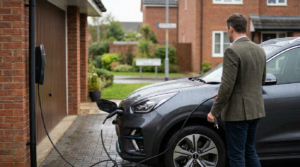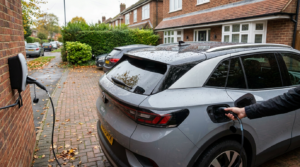
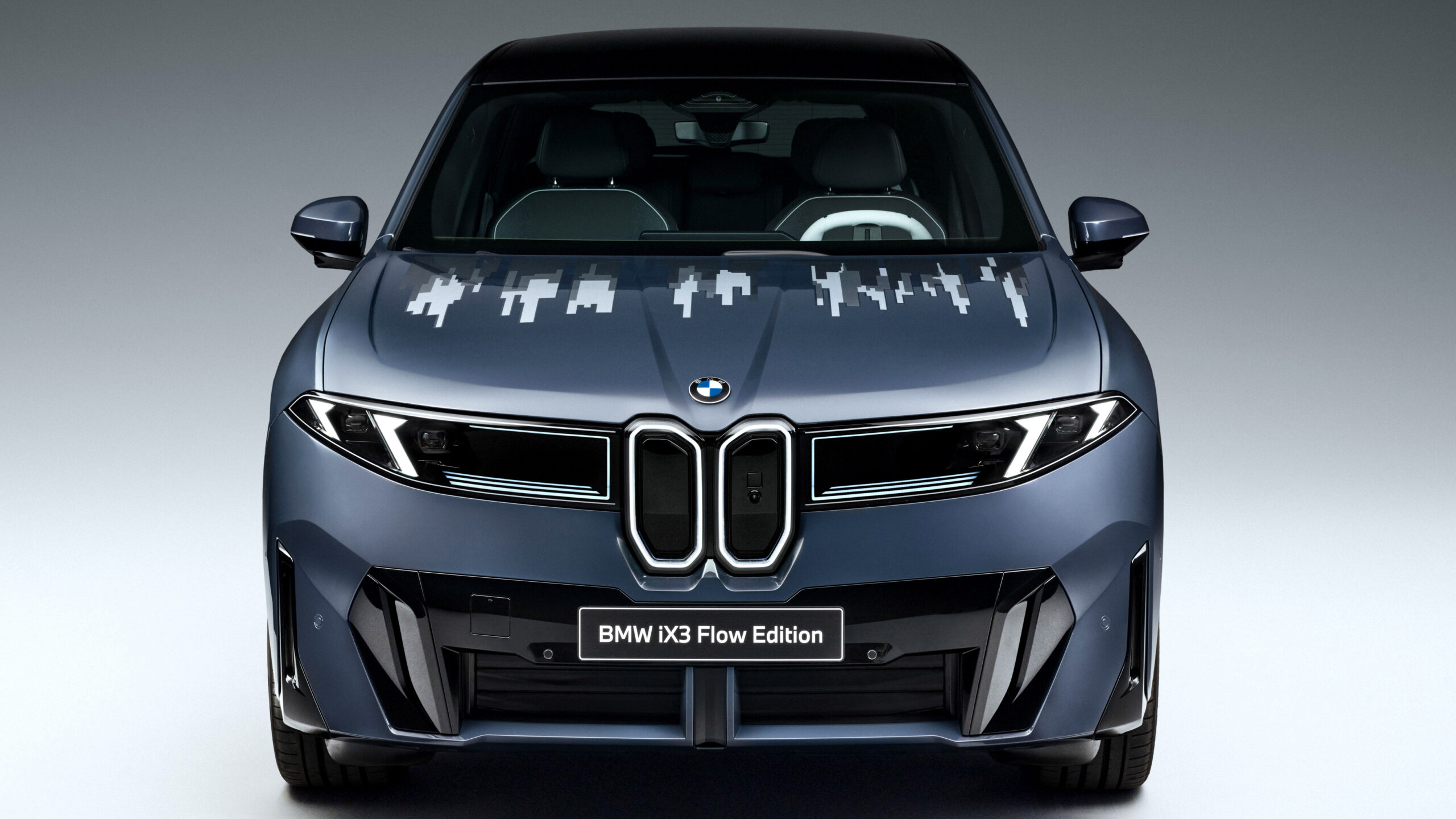
The new Neue Klasse BMW iX3 is the EV most likely to land on a UK payroll shortlist this year, and the BMW iX3 salary sacrifice numbers are the reason. With the 50 xDrive priced from £58,755 on the road and the zero-emission company-car benefit rate sitting at 4% for 2026/27, a higher-rate taxpayer can run BMW’s 500-mile electric SUV for roughly £615 a month net once tax and National Insurance relief land. Here is the full working, three bands deep, with every rate sourced. Worth reading alongside our ElectriX vs Tusker vs OnTo on salary sacrifice.
What real owners say (CDE data)
The G45 iX3 only reaches the first UK driveways in summer 2026, so there is no large owner base yet; CDE read the early UK press drives and the live PistonHeads ownership thread on the iX3 50 xDrive M Sport Pro, scraped 2 June 2026, as the honest early signal rather than a survey of long-term owners.
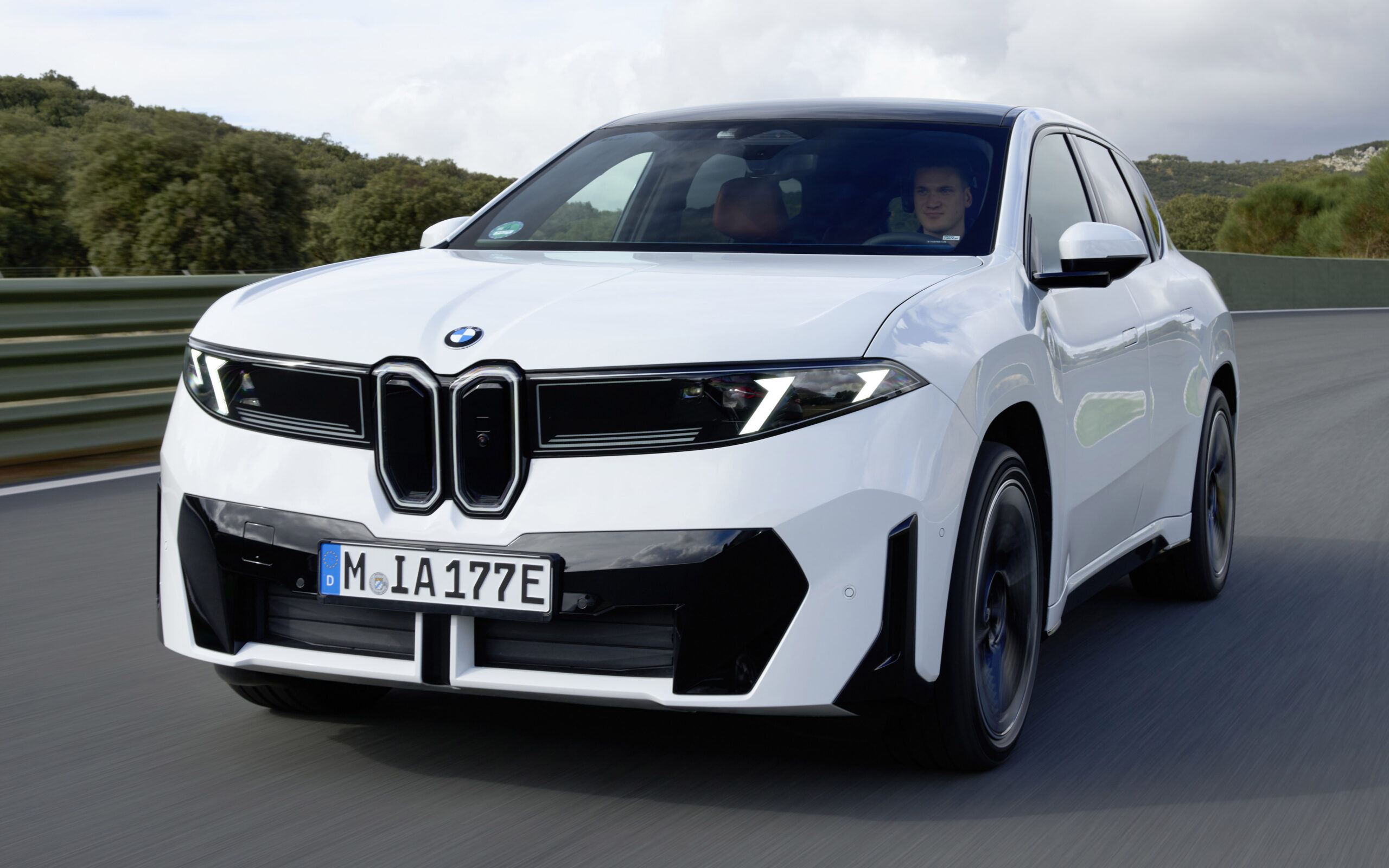
- Most-praised aspects: ride and steering precision, the 800-volt charging speed (10 to 80% in around 21 minutes), and the genuinely usable real-world range, with testers seeing 335 to 393 miles depending on driving.
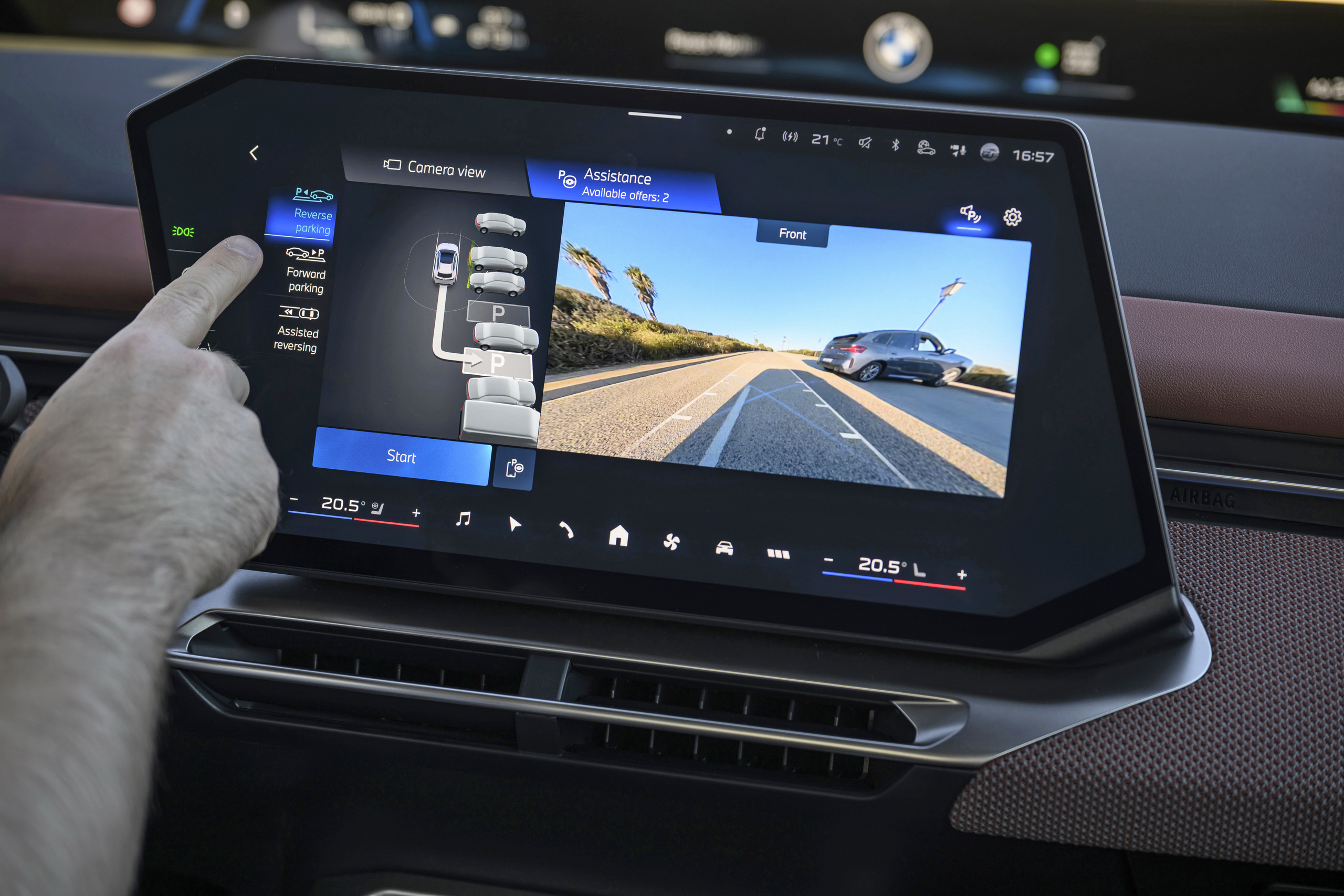
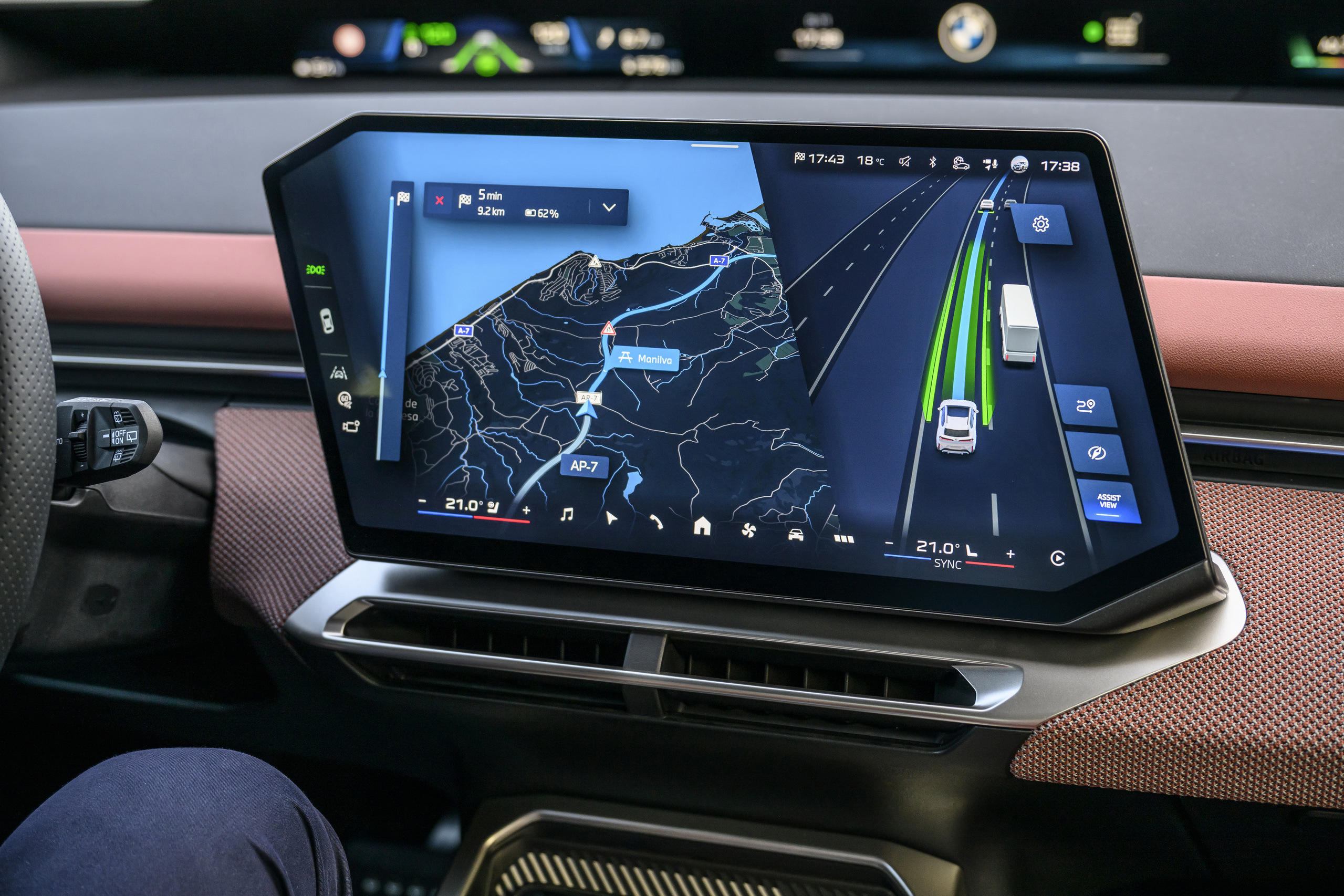
- Most-criticised aspects: the cost gap to a Tesla Model Y (carwow put the iX3 at roughly £200 a month more), some subscription-gated features such as the 360 camera, and a divisive infotainment layout.
- Early reliability signal: as of 2 June 2026 we found no DVSA safety recall listed for the G45 iX3, and you should still check the gov.uk recall service for any specific registration; the Neue Klasse platform and 800-volt electrics are new, so warranty terms matter more than usual here.
Why this BMW lands on payroll shortlists
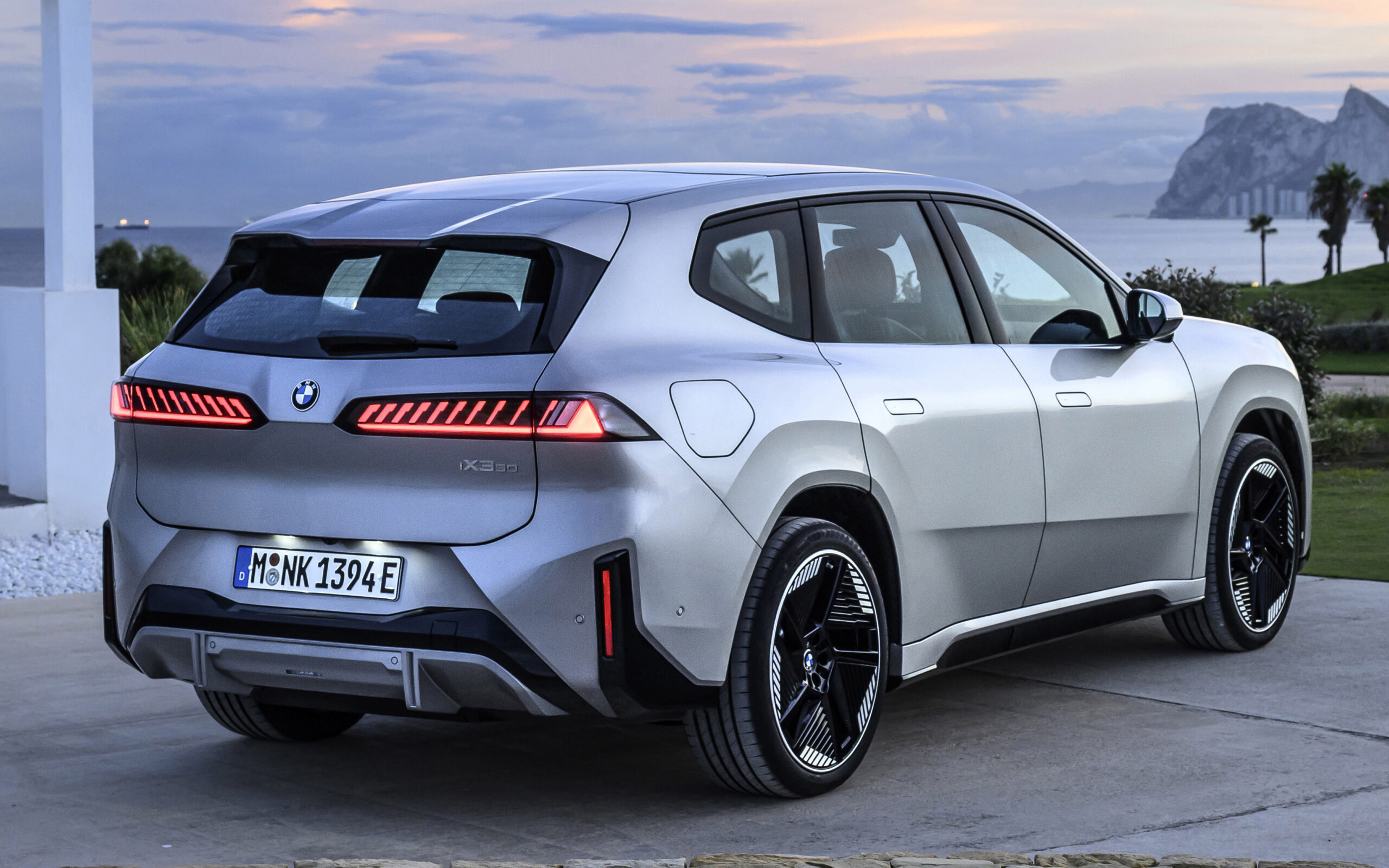
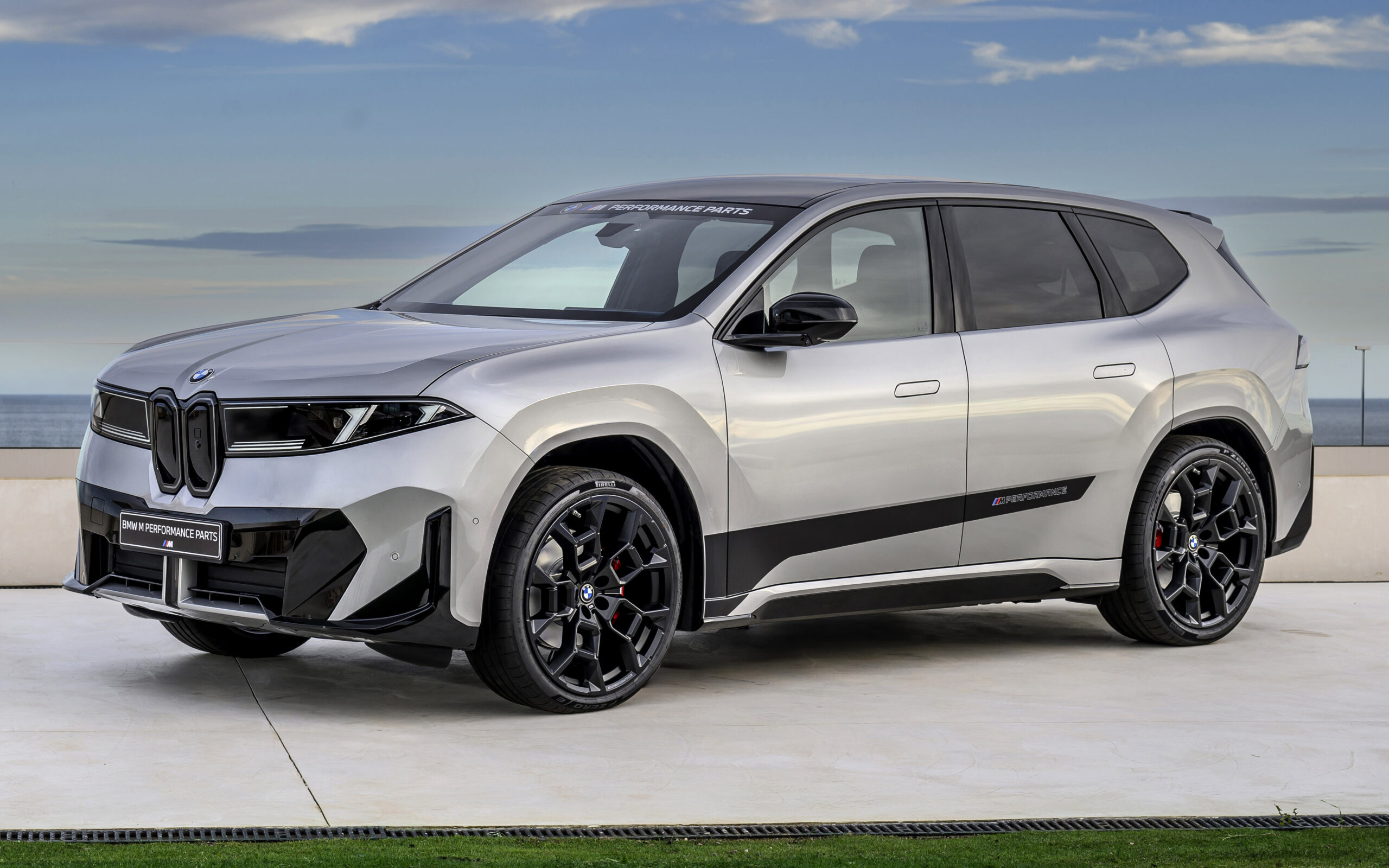
BMW has confirmed the second-generation iX3 for the UK, and it is the first car on the firm’s Neue Klasse architecture. The dual-motor iX3 50 xDrive starts at £58,755 on the road (as listed by EV Database in June 2026; BMW UK had not separately published the iX3 50 xDrive OTR at the time of writing), makes 463hp, covers 0 to 62mph in 4.9 seconds and carries a 108.7kWh usable battery good for up to 500 miles WLTP (BMW UK and EV Database, 2 June 2026). There is now a cheaper, rear-drive iX3 40 from £53,250 OTR with up to 395 miles of range, confirmed by BMW Group’s UK newsroom. For a salary-sacrifice driver the appeal is simple: a £55k-plus premium EV that, on payroll, can cost less per month than a mid-spec petrol SUV bought with taxed income. It also won Top Gear Magazine’s 2026 Car of the Year, the first Neue Klasse model to do so, which tells you BMW has put its credibility behind this car rather than treating it as a stopgap. The same exercise on the BMW i4 salary sacrifice arrives at a different answer.
Salary sacrifice in plain English, and who actually qualifies
Salary sacrifice means you give up an agreed slice of gross pay in exchange for a non-cash benefit, here a fully maintained EV. Because the sacrifice comes off pay before Income Tax and National Insurance, you are taxed on a smaller salary, and that is where the saving lives. You then pay a small company-car benefit charge on the car itself, which for an EV is tiny compared with petrol or diesel.
Two eligibility rules decide whether you can do it at all. First, your employer has to offer a scheme; providers such as Octopus EV, Loveelectric and Tusker run these for UK firms. Second, the sacrifice cannot drop your pay below the National Minimum or Living Wage. On an £850-a-month sacrifice that floor only bites on lower salaries, but it is the reason a scheme will sometimes refuse a high-value car to a lower earner. If you are weighing providers, our guide to Octopus EV vs Loveelectric vs Tusker scheme rules sets out where each one differs on early exit and inclusions.
How the tax actually works on an electric company car
The benefit-in-kind charge is the car’s P11D value multiplied by the appropriate percentage for its emissions, then by your marginal Income Tax rate. For a zero-emission EV the appropriate percentage is 4% in 2026/27, per HMRC’s published company-car tables (checked 2 June 2026). It then rises to 5% in 2027/28, 7% in 2028/29 and 9% in 2029/30, so a four-year term spans 4/5/7/9%.
The iX3 50 xDrive’s P11D is its list price plus delivery and VAT, minus the £55 first-registration fee and the £10 first-year EV road tax, so about £58,690. At 4% that is a £2,348 taxable benefit in 2026/27; a 40% taxpayer pays £939 of BiK that year. The other half of the saving is National Insurance: because the sacrifice reduces the pay you are assessed on, you also avoid employee NI on the sacrificed amount. The employee NI main rate is 8% on earnings between £12,570 and £50,270, dropping to 2% above £50,270 (gov.uk National Insurance rates, checked 2 June 2026). That split matters: a basic-rate driver saves NI at 8%, but a higher or additional-rate driver whose pay sits above the upper earnings limit only saves NI at 2%.
Three worked case studies, one per tax band
The figures below use an illustrative gross sacrifice of £850 a month including VAT, in line with the iX3 quote listed by Octopus Electric Vehicles for a typical 48-month, 5,000-mile term that bundles insurance, servicing, tyres, maintenance, breakdown and a charging allowance. The BiK column sums the 4/5/7/9% rates across the four years on the £58,690 P11D. Net monthly cost is the gross sacrifice, less your Income Tax and NI savings, plus the monthly BiK charge. These are illustrations, not a finance offer; your scheme quote will differ.
Basic-rate (20%) taxpayer, salary around £35,000
| Monthly gross sacrifice (inc VAT) | Income Tax saving | NI saving | BiK cost over 48-month term | Net monthly cost |
|---|---|---|---|---|
| £850 | £170 (at 20%) | £68 (NI at 8%) | £2,934 (4/5/7/9% on £58,690 P11D, at 20%) | about £673 |
Higher-rate (40%) taxpayer, salary around £70,000
| Monthly gross sacrifice (inc VAT) | Income Tax saving | NI saving | BiK cost over 48-month term | Net monthly cost |
|---|---|---|---|---|
| £850 | £340 (at 40%) | £17 (NI at 2% above £50,270) | £5,869 (4/5/7/9% on £58,690 P11D, at 40%) | about £615 |
Additional-rate (45%) taxpayer, salary around £140,000
| Monthly gross sacrifice (inc VAT) | Income Tax saving | NI saving | BiK cost over 48-month term | Net monthly cost |
|---|---|---|---|---|
| £850 | £383 (at 45%) | £17 (NI at 2% above £50,270) | £6,603 (4/5/7/9% on £58,690 P11D, at 45%) | about £588 |
The pattern is the one most people get wrong: the headline saving climbs with your tax band, but the National Insurance contribution shrinks once your salary clears the upper earnings limit, which is why the 40% and 45% rows save far less NI than the 20% row. The maths here mirrors the approach in our BMW iX salary sacrifice math for 2026, scaled to the iX3’s lower P11D.
How it compares with a personal lease
This is where salary sacrifice earns its keep. A personal contract hire on the iX3 50 xDrive over a comparable term runs in the region of £900 to £950 a month for a similar mileage allowance, and crucially you pay that out of income that has already been taxed, with insurance and servicing on top. The sal-sac driver pays from gross pay and gets a maintained, insured car in the price. For the higher-rate case above, the net £615 a month against a roughly £950 personal lease is a saving of around £335 a month, before you count the separate insurance and servicing bills a personal lease leaves you to cover. The trade-off is that the car is tied to your employment, which the misconceptions below address. There is a risk angle too: the personal lease leaves the depreciation risk and the end-of-term condition charges with you, whereas a sal-sac scheme hands the car back with the provider carrying that risk, one more reason the payroll route tends to win for a higher earner who wants a fixed, predictable monthly figure.
The misconceptions that trip people up
Three myths cause most of the hesitation. The first is leaving mid-term: if you change jobs or are made redundant, the car usually has to go back, and some schemes charge an early-termination fee, though many now bundle redundancy and resignation protection. Read the exit terms before you sign, because they vary more than the headline price. The second is the rising BiK: yes, the appropriate percentage climbs from 4% to 9% across a four-year term, but even at 9% the benefit charge on a £58,690 EV is a fraction of the 37% to 39% applied to an equivalent petrol or diesel. The third is what is included: most premium schemes wrap in insurance, servicing, tyres and breakdown, but home-charging hardware and electricity are not always part of the deal, so confirm the inclusions line by line.
Independent guidance from MoneyHelper is worth a read on the wider running-cost picture, and for the company-car tax mechanics our explainer on company car tax 2026/27 for UK electric vehicles covers the BiK schedule in full.
BMW iX3 salary sacrifice is one of the strongest premium-EV cases on a UK payroll right now, and the reason is the combination of a competitive £58,755 list price, a genuine 500-mile range that removes the usual EV objection, and a 4% benefit rate that keeps the tax charge trivial. For a 40% taxpayer at around £615 a month net, this is a £55k-plus car for less than a personal lease on the same metal, with insurance and servicing folded in. The cons are real: it costs more than a Tesla Model Y on the same scheme, the car is tied to your job, and the BiK rate is on a rising path. Our view is clear. If your employer runs a scheme with sensible early-exit terms and you are a higher or additional-rate taxpayer, the iX3 50 xDrive is a buy on payroll; if you are a basic-rate earner or your scheme penalises early exit, run the Octopus EV quote against a personal lease before you commit. For a side-by-side, see our BMW iX2 salary sacrifice.
How much does a BMW iX3 cost on salary sacrifice in 2026?
What is the P11D value of the BMW iX3 50 xDrive?
What is the EV company-car tax rate for 2026/27?
What happens to the iX3 if I leave my job mid-term?
Is salary sacrifice cheaper than a personal lease on the iX3?
Does the salary sacrifice include insurance and charging?
More premium EV payroll guides are in our electric vehicles section.
Buyer action
EV and salary-sacrifice checks
Use this as the final check before paying a deposit, signing finance paperwork or relying on a headline monthly figure.