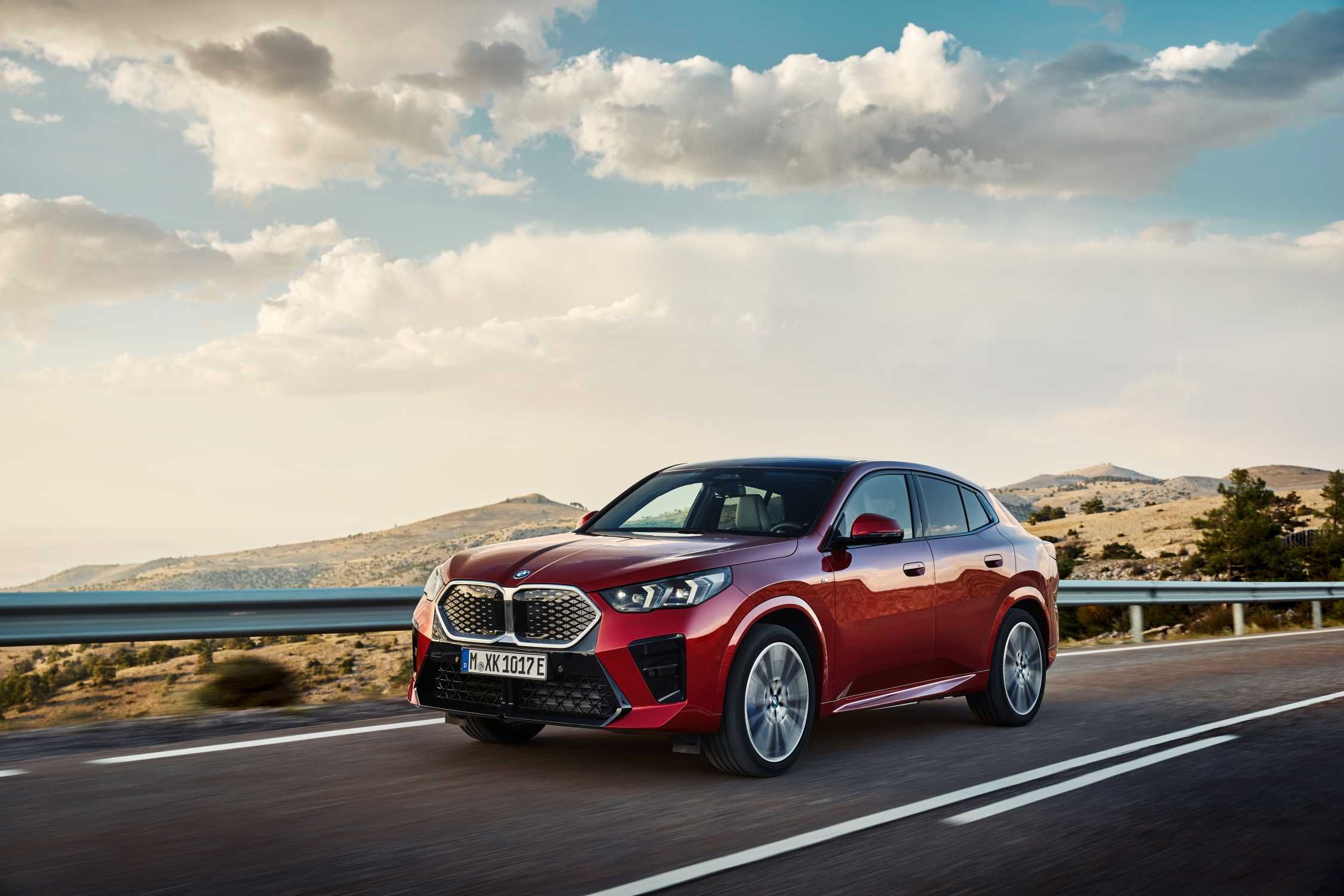
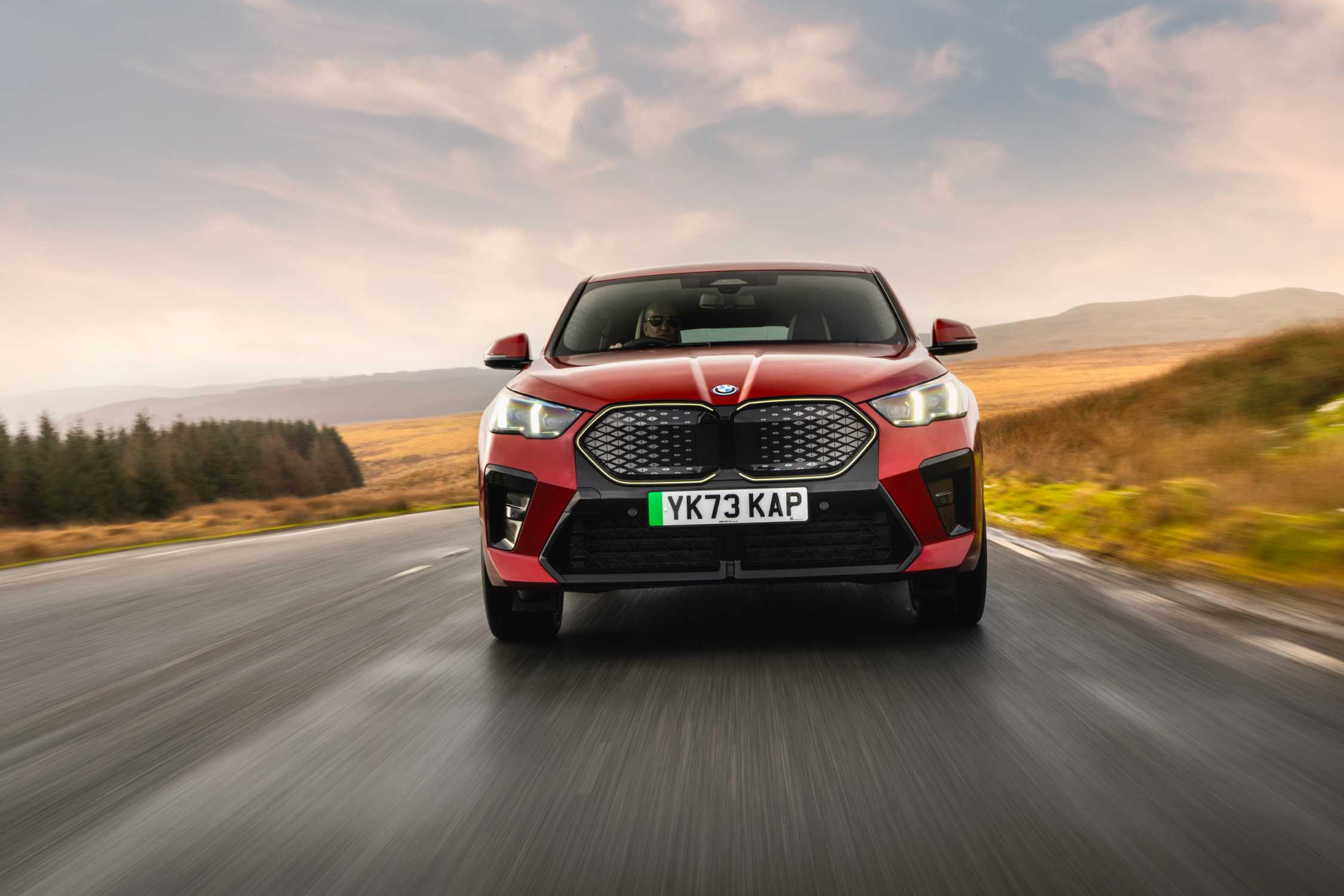
The BMW iX2 is the sportier, coupe-roofed answer to the iX1, and on salary sacrifice it lands as one of the more interesting entry-ish BMW i choices for a higher-rate taxpayer in 2026. This guide runs the month-one maths at the 4% benefit-in-kind rate for the 2026/27 tax year, with worked tables for the 20%, 40% and 45% bands on the eDrive20. Our short answer: if your employer runs a scheme and you pay 40% or 45% tax, the iX2 eDrive20 nets out near £410 a month, comfortably under a like-for-like personal lease, and the extra style over an iX1 costs you very little in tax.
What real owners and reviewers say (CDE data)
CDE built the figures below from the published HMRC benefit-in-kind rate for zero-emission cars, current UK income-tax and National Insurance bands and BMW UK’s own iX2 pricing, then cross-referenced PistonHeads and BMW i owner-forum posts and the What Car and Carwow road tests, checked 1 June 2026. The tax case is strong; the car splits opinion on looks and loses a little range to the iX1 it shares a platform with.
- Most-praised aspects: the low 4% benefit-in-kind rate for 2026/27, the sharper coupe-SUV styling over the iX1, and a premium BMW cabin with iDrive 9.
- Most-criticised aspects: a firm ride on the larger M Sport wheels, real-world range that trails the longest-legged rivals, and the sloping roof costing some rear headroom versus the iX1.
- Reliability signal: the iX2 shares the iX1’s UKL/FAAR-derived platform and drivetrain, with no DVSA safety recall logged against the iX2 line at the time of writing; treat it as a known, recent BMW i unit rather than an untested model.
Where the iX2 sits in the BMW i range
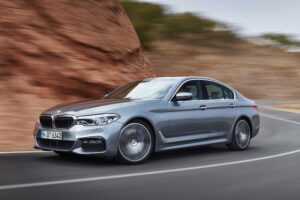
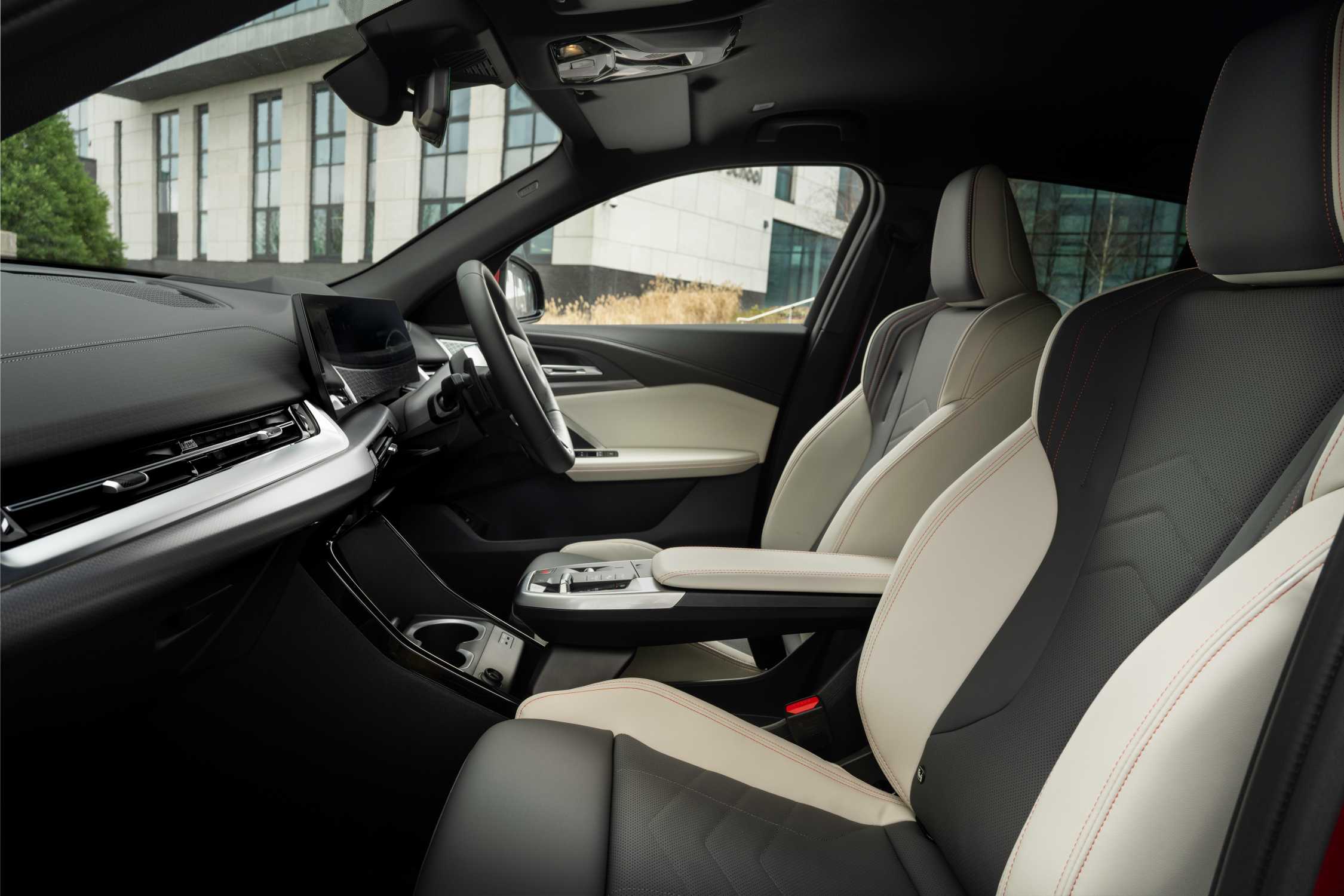
The iX2 is the electric version of BMW’s X2 coupe-SUV, which makes it the style-led sibling to the more upright iX1. The two are built on the same UKL/FAAR-derived platform and share the eDrive20 front-wheel-drive and xDrive30 all-wheel-drive powertrains, so under the skin they are near-identical; the iX2 trades a little rear headroom and outright range for a lower, sportier body. Do not confuse it with the much larger BMW iX, which is a separate, far pricier flagship on BMW’s CLAR EV architecture. For salary-sacrifice purposes the iX2 slots in just above the iX1 on price, which matters because the benefit-in-kind charge scales with the car’s P11D value. If you have already shortlisted the upright car, our BMW iX1 salary sacrifice breakdown runs the same numbers on its cheaper stablemate.
What salary sacrifice is, and who actually qualifies
Salary sacrifice means giving up an agreed slice of gross pay in return for a fully insured, maintained electric car leased through your employer’s scheme provider. Because the sacrifice happens before income tax and National Insurance, you only pay tax on a small benefit-in-kind charge rather than the full salary you gave up. It is open to most UK PAYE employees whose employer runs a scheme through a provider such as Octopus EV, Loveelectric or Tusker, but there is one hard floor: the sacrifice cannot drop your gross pay below the National Minimum or National Living Wage, which is £12.71 an hour for those aged 21 and over from April 2026 per gov.uk. That rules a £51,000 car out for lower earners. This is general guidance, not personal tax advice, so confirm your own numbers with the provider and an accountant.
How the tax works: P11D, the 4% BiK rate and your NI saving
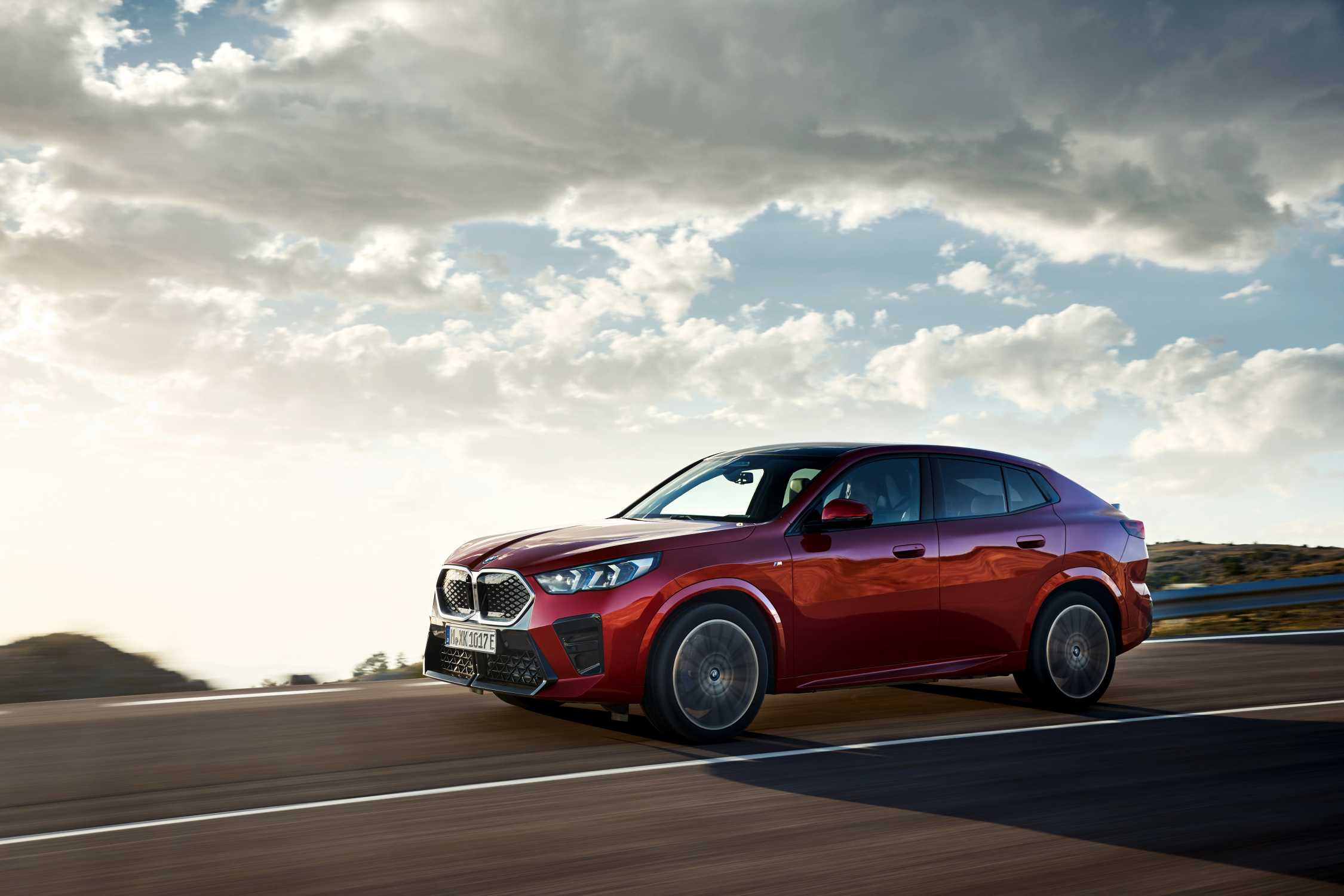
The benefit-in-kind charge is what makes the saving. It is the car’s P11D value multiplied by the appropriate percentage for its emissions, multiplied by your marginal income-tax rate. Per HMRC’s published company-car tax tables, the appropriate percentage for a fully electric car is 4% in 2026/27 (checked 1 June 2026), and it rises in steps after that on the schedule HMRC has published, so do not assume today’s rate holds for the whole term. On an iX2 eDrive20 with a P11D of roughly £51,615 (BMW UK list price as a representative proxy), 4% gives a taxable benefit of about £2,065 a year. You also save employee National Insurance on the sacrificed amount, at the current rates: 8% on earnings up to the upper earnings limit and 2% above it. That 2%-versus-8% split is the detail most calculators get wrong, and it changes the answer for higher earners.
Why higher earners save more, not less
The counter-intuitive part of salary sacrifice is that the more tax you pay, the cheaper the car gets in net terms. Your income-tax relief lands at your marginal rate, so a 45% taxpayer reclaims 45p in the pound on the sacrifice while a basic-rate colleague reclaims only 20p, yet both pay a tiny benefit-in-kind charge on the same car. The one place the higher earner loses a little ground is National Insurance: above the upper earnings limit the employee NI rate drops to 2%, so a 40% or 45% earner saves less NI on the sacrificed slice than a 20% earner does. Even so, the income-tax advantage dwarfs it, which is why the net monthly cost still falls as you move up the bands, as the tables below show.
Month-one maths: the iX2 eDrive20 across all three bands
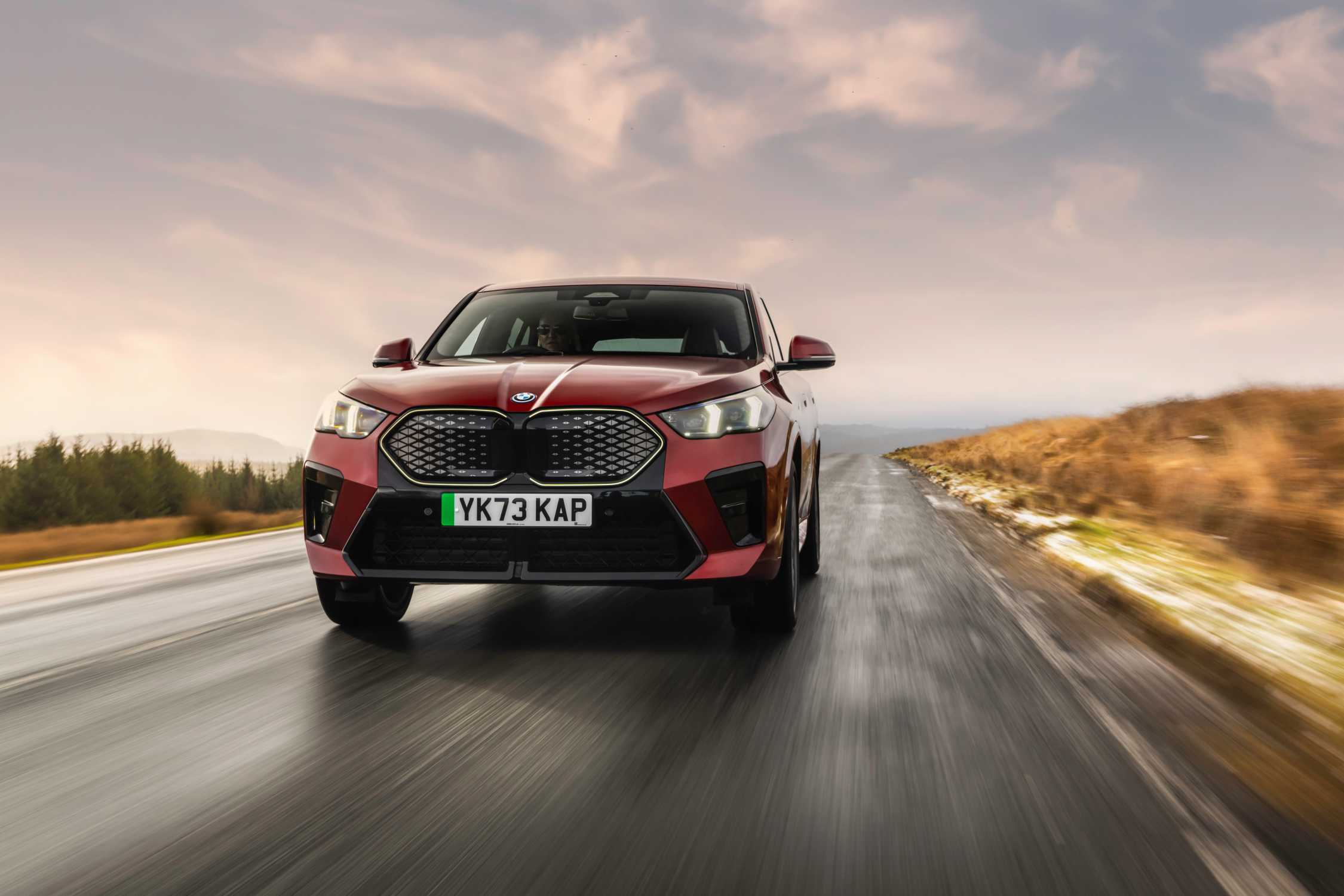
The tables use an illustrative gross sacrifice of £590 a month (inclusive of VAT) for an iX2 eDrive20 on a three-year, 10,000-mile term with insurance, maintenance and tyres bundled in. Your scheme’s real quote will vary with term, mileage and provider, so treat these as the shape of the deal, not a promise. Net monthly cost is the gross sacrifice, minus the income tax and NI you no longer pay, plus the small benefit-in-kind charge of about £172 a month before relief.
| Tax band | Gross sacrifice/mo (inc VAT) | Income tax saved/mo | NI saved/mo | BiK cost/mo | Net cost/mo |
|---|---|---|---|---|---|
| 20% basic rate | £590 | £118 | £47 | £34 | around £459 |
| 40% higher rate | £590 | £236 | £12 | £69 | around £411 |
| 45% additional rate | £590 | £266 | £12 | £77 | around £390 |
A 45% taxpayer ends up paying less, net, than a basic-rate colleague for the identical iX2, roughly £390 against £459 a month. For a like-for-like read on a bigger BMW EV, our BMW i4 salary sacrifice guide runs the same calculation on the electric Gran Coupe.
A note for Scottish taxpayers
The tables above use rest-of-UK income-tax bands. Scotland sets its own rates, currently a six-band system that includes a 42% higher rate, a 45% advanced rate and a 48% top rate per gov.uk, so a Scottish taxpayer’s income-tax relief on the sacrifice differs from the figures here. The benefit-in-kind percentage and the National Insurance rates are UK-wide and unchanged, but the income-tax saving column shifts. If you pay Scottish income tax, recalculate the relief at your own marginal Scottish rate before judging the net cost; in most bands a Scottish higher earner saves slightly more income tax than the rest-of-UK equivalent.
The iX2 eDrive20 versus a personal lease
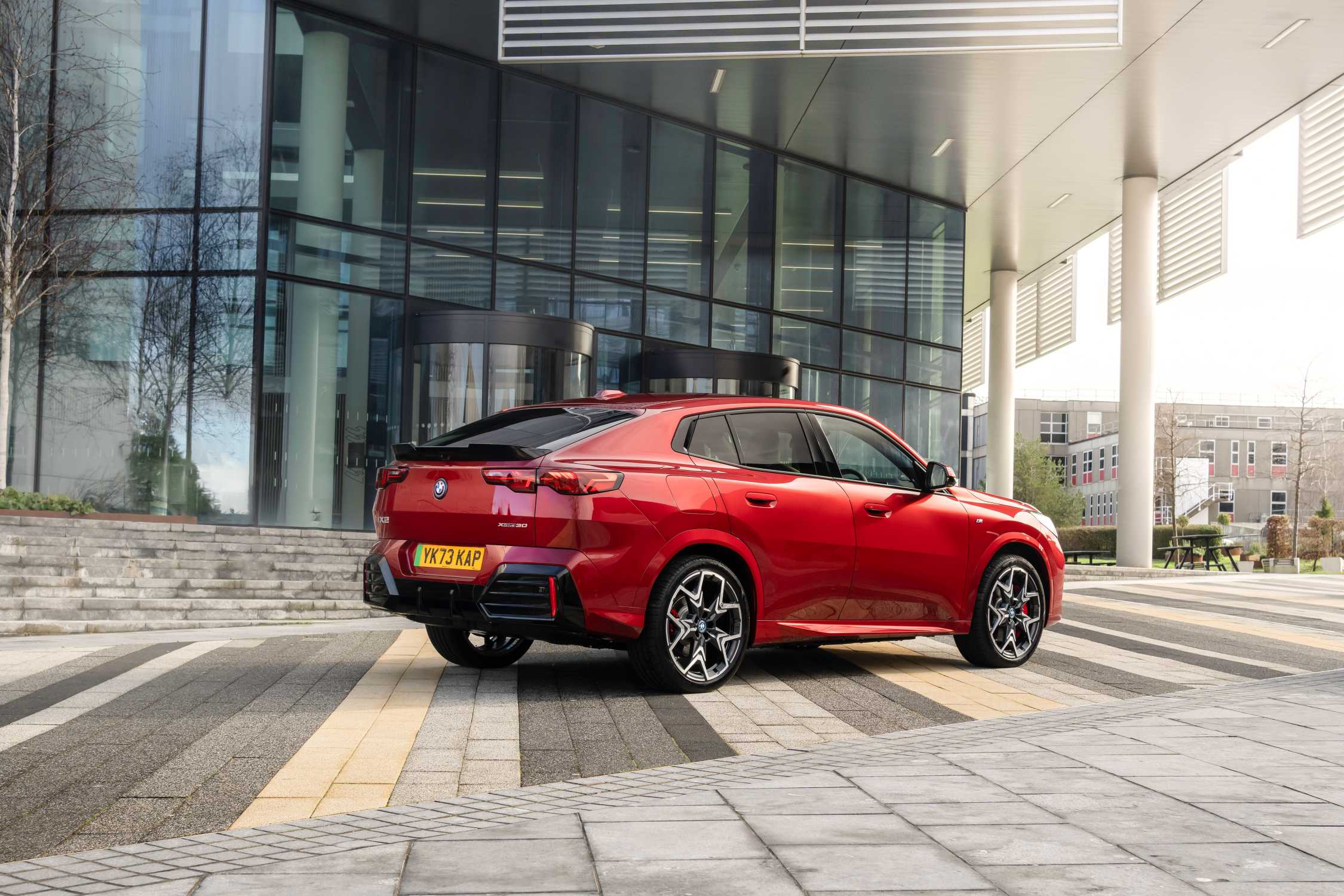
Against a personal contract hire deal, salary sacrifice usually wins twice. A personal lease on an iX2 eDrive20 is paid from already-taxed income and rarely includes insurance, servicing or tyres, so the true monthly cost runs higher than the advertised headline once cover is added. The sacrifice version above bundles all of that in and is funded from gross pay, which is why a 40% taxpayer can land the iX2 for a net figure near £411 that undercuts a personal lease before insurance is even counted. The trade-off is flexibility: a personal lease is yours to walk away from at the end with no employer tie, whereas salary sacrifice is linked to your job. Run your own quote against a personal-lease figure with insurance added, using the net column above as the fair comparison.
WLTP range, power and the spec that matters for tax
For salary sacrifice the eDrive20 is usually the trim to pick, because it carries the lower P11D and the longer range, the two things that make the net figure look good. Specs below are from BMW UK’s iX2 press material.
| Spec | iX2 eDrive20 (FWD) | iX2 xDrive30 (AWD) |
|---|---|---|
| WLTP range | up to 283 miles | up to 267 miles |
| Power | 204 hp | 313 hp |
| 0-62 mph | 8.6 sec | 5.6 sec |
| Drive | Front-wheel drive | All-wheel drive |
| OTR list (representative P11D) | around £51,615 | around £56,540 |
For a sense of how the iX2 drives, how the coupe roofline affects space, and where the cabin sits against the iX1, this independent UK review is a useful watch before you commit to a scheme order.
The traps: early exit, rising BiK and what is not included
Three things catch sal-sac drivers out. First, early exit: if you leave your employer mid-term, you may face early-termination protection cover or a charge, so read the scheme’s leaver terms before signing, especially if your role feels uncertain. Second, the benefit-in-kind rate is not fixed; it rises in steps after 2026/27 on HMRC’s published schedule, so your net cost creeps up a little each year while staying low by company-car standards. Third, check exactly what the quote includes: most premium schemes bundle insurance, servicing, maintenance and tyres, but home-charging hardware and electricity are usually yours to fund. None of these is a deal-breaker, but they separate a smart decision from a surprise. The scheme rules themselves spell out eligibility and exit terms; the Octopus EV salary sacrifice pages are a clear reference point for how a typical provider handles them.
Checks to run before you place a scheme order
Before you commit to an iX2 on salary sacrifice, run these checks so the figures hold up for your own situation:
- Ask your employer which provider runs the scheme and request a live quote for the iX2 eDrive20 on your preferred term and mileage.
- Confirm the benefit-in-kind percentage for the tax year you start in against HMRC’s company-car tables, because the rate steps up after 2026/27.
- Check that the sacrifice will not take your gross pay below the National Minimum Wage floor on gov.uk.
- Read the scheme’s leaver and early-termination terms, and confirm whether early-exit protection is included.
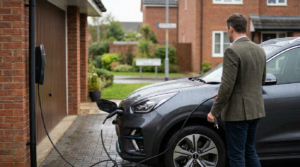
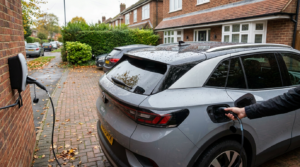
- Confirm what the monthly cost covers: insurance, servicing, maintenance, tyres, breakdown, and whether a home charger is part of the deal.
- If you pay Scottish income tax, recalculate the relief at your Scottish marginal rate, because your saving will differ.
For a higher-rate or additional-rate taxpayer with access to a scheme, BMW iX2 salary sacrifice is an easy case to make. We would order the eDrive20 over the dual-motor xDrive30, because it carries the lower P11D and the longer range, which is exactly the pairing that makes the net monthly figure near £411 for a 40% earner look so good against a personal lease. The iX2 over the iX1 is a style call rather than a tax one: you pay a little more P11D, lose a touch of rear headroom and a few miles of range, and gain the sharper coupe body, so choose it because you want it, not because the numbers force you. We would push on the firm ride before signing, read the leaver terms twice if your job feels uncertain, and treat the 4% benefit-in-kind rate as a 2026/27 figure that climbs from here. The right buy is the one with a written quote, a rate you have checked against gov.uk, and clear leaver terms.
How much does a BMW iX2 cost on salary sacrifice in 2026?
What is the BiK rate on a BMW iX2 for 2026/27?
Is the BMW iX2 the same as the iX1 for salary sacrifice?
Should I choose the iX2 eDrive20 or xDrive30 on a scheme?
What happens to my iX2 salary sacrifice if I leave my job?
Does the iX2 salary sacrifice saving differ in Scotland?
Related reading on CDE
Buyer action
EV and salary-sacrifice checks
Use this as the final check before paying a deposit, signing finance paperwork or relying on a headline monthly figure.