Company car tax 2026/27 UK: electric BIK rises from 3% to 4%, then 5%, 7%, 9% by 2029/30. Worked example, petrol gap, employer Class 1A.
CDE may earn a commission when you click affiliate links. This does not change what we recommend.
Company car tax 2026/27: the headline EV rate is now 4%
The company car tax 2026/27 system charges a driver income tax on a “benefit in kind” (BIK) equal to a percentage of the car’s P11D value. From 6 April 2026, the appropriate percentage for a pure-electric car steps up from 3% (2025/26) to 4%, per HMRC’s published BIK tables and the 26 November 2025 Autumn Budget. That figure rises again to 5% in 2027/28, jumps to 7% in 2028/29, and lands at 9% in 2029/30. The chancellor’s commitment confirms the trajectory for the rest of the decade, which matters for fleets and salary-sacrifice drivers signing 3 or 4-year deals now. For a deeper read on the EVs themselves, see our best electric SUV under £30,000 UK 2026 guide.
Petrol and diesel: 17% to 37% in 2026/27, then 1pp a year to a 39% cap
For a petrol or diesel car emitting 51g/km CO2 or more, the appropriate percentage in 2026/27 ranges from 17% (for the lowest-emitting cars in the 51 to 54g/km band) up to 37% for cars over 155g/km, per HMRC. The maximum is then frozen at 37% for 2027/28, before rising 1 percentage point each year to 38% in 2028/29 and 39% in 2029/30, as announced by Rachel Reeves at the 2025 Autumn Budget. Diesels without an RDE2 certification still get a 4pp supplement (capped at the same maximum). For most modern company car choices that comfortably puts a petrol equivalent of an EV in the 30%-plus band, an order of magnitude higher than the EV figure.
Plug-in hybrids: still cheap in 2026/27, painful from 2028/29
Plug-in hybrids (PHEVs) are still graded on their electric-only range in 2026/27. A car with 130 miles or more of electric range stays at 5% BIK, while the 70-129 mile band is 7%, the 40-69 mile band is 13%, and the 30-39 mile band is 14%, per HMRC’s published tables. That keeps PHEVs attractive for one more year. The Autumn Budget then signalled a sharp PHEV reset: from April 2028 the government will base PHEV BIK on real-world CO2 measured via a future revised testing regime, which is expected to push most PHEVs into the 20%-plus bracket. If you are choosing a company PHEV today on a 4-year deal, model the bill assuming the higher post-2028 figure.
Worked example: £45,000 EV vs £45,000 petrol at 40% tax
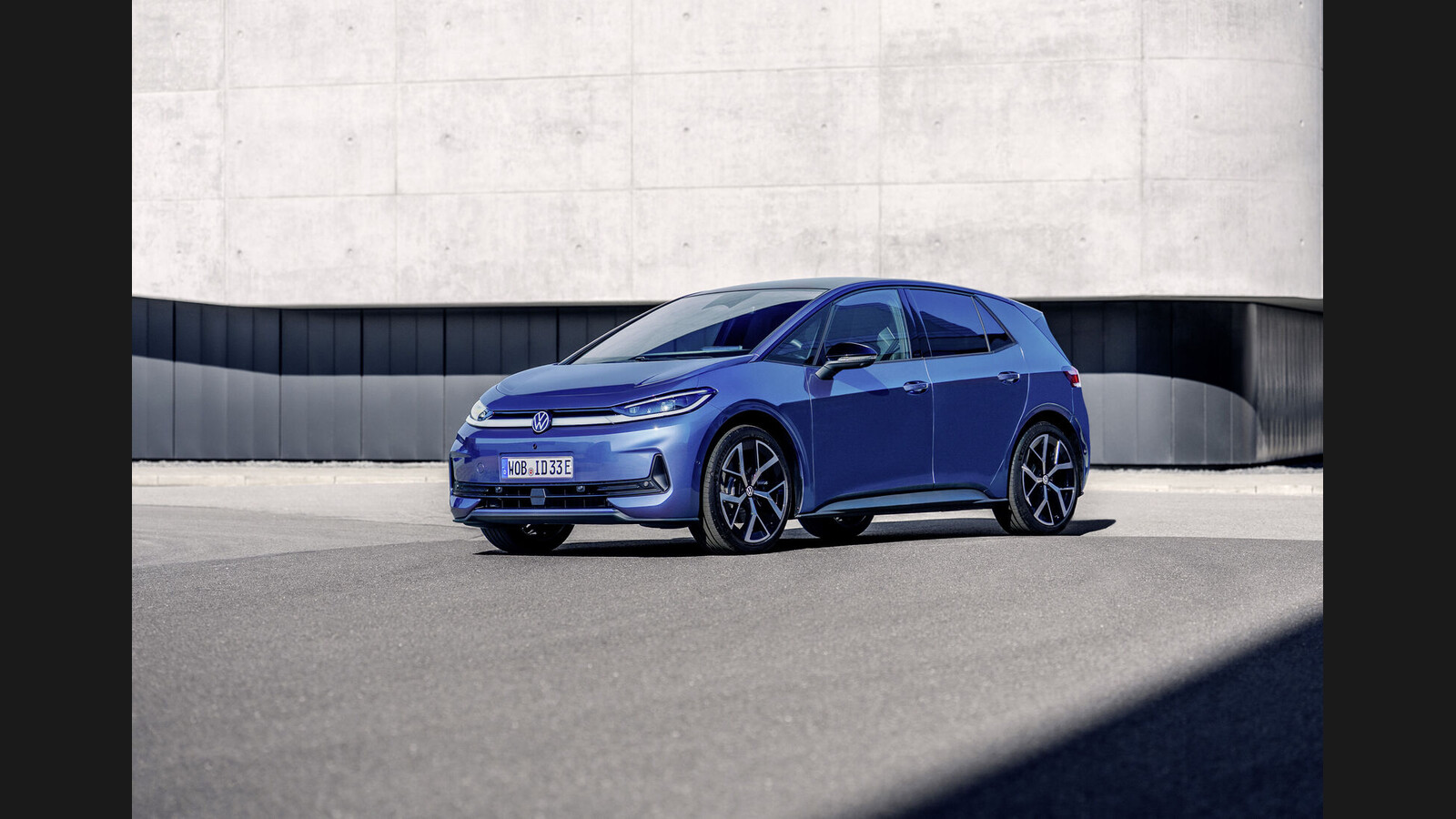
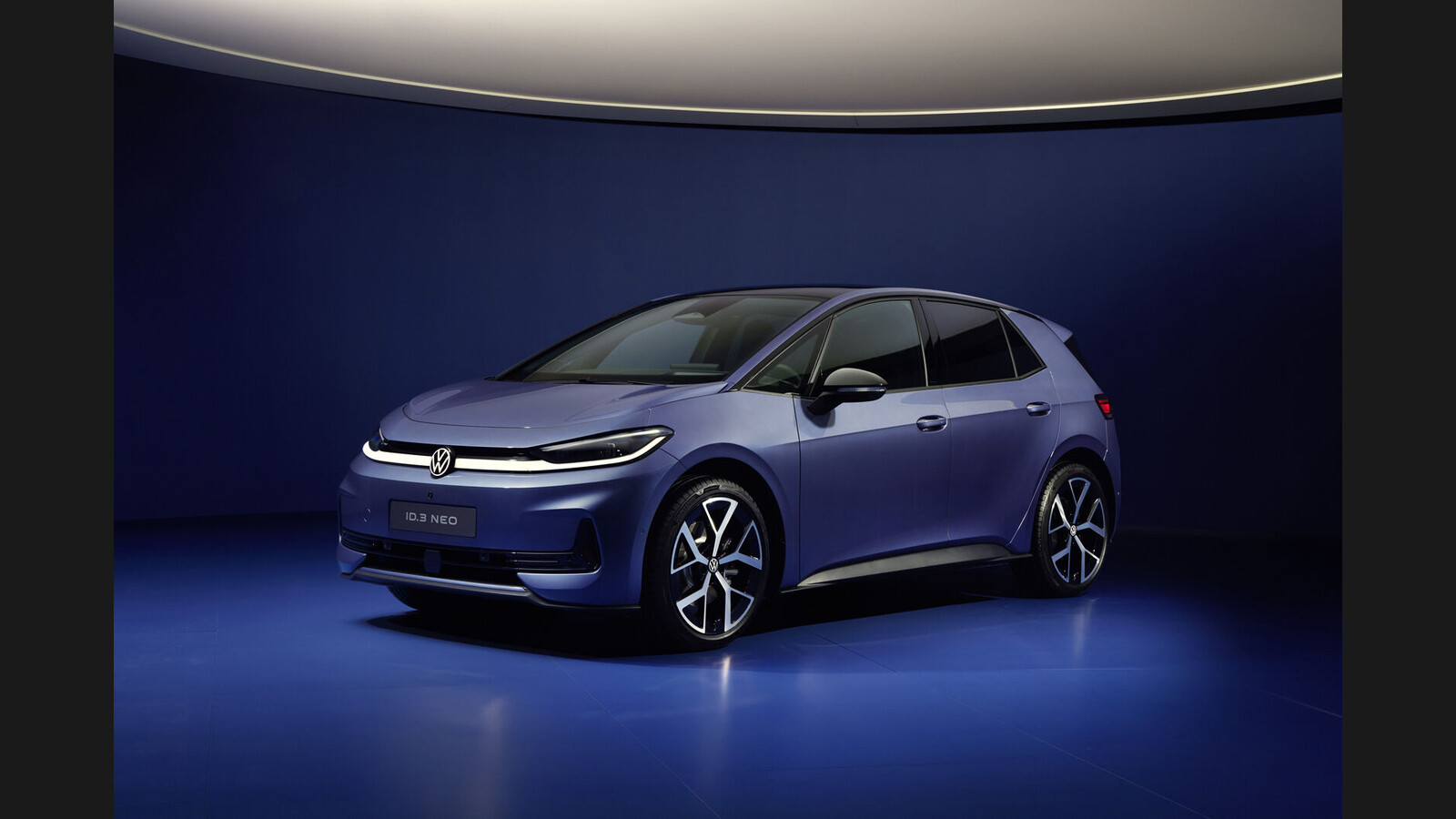
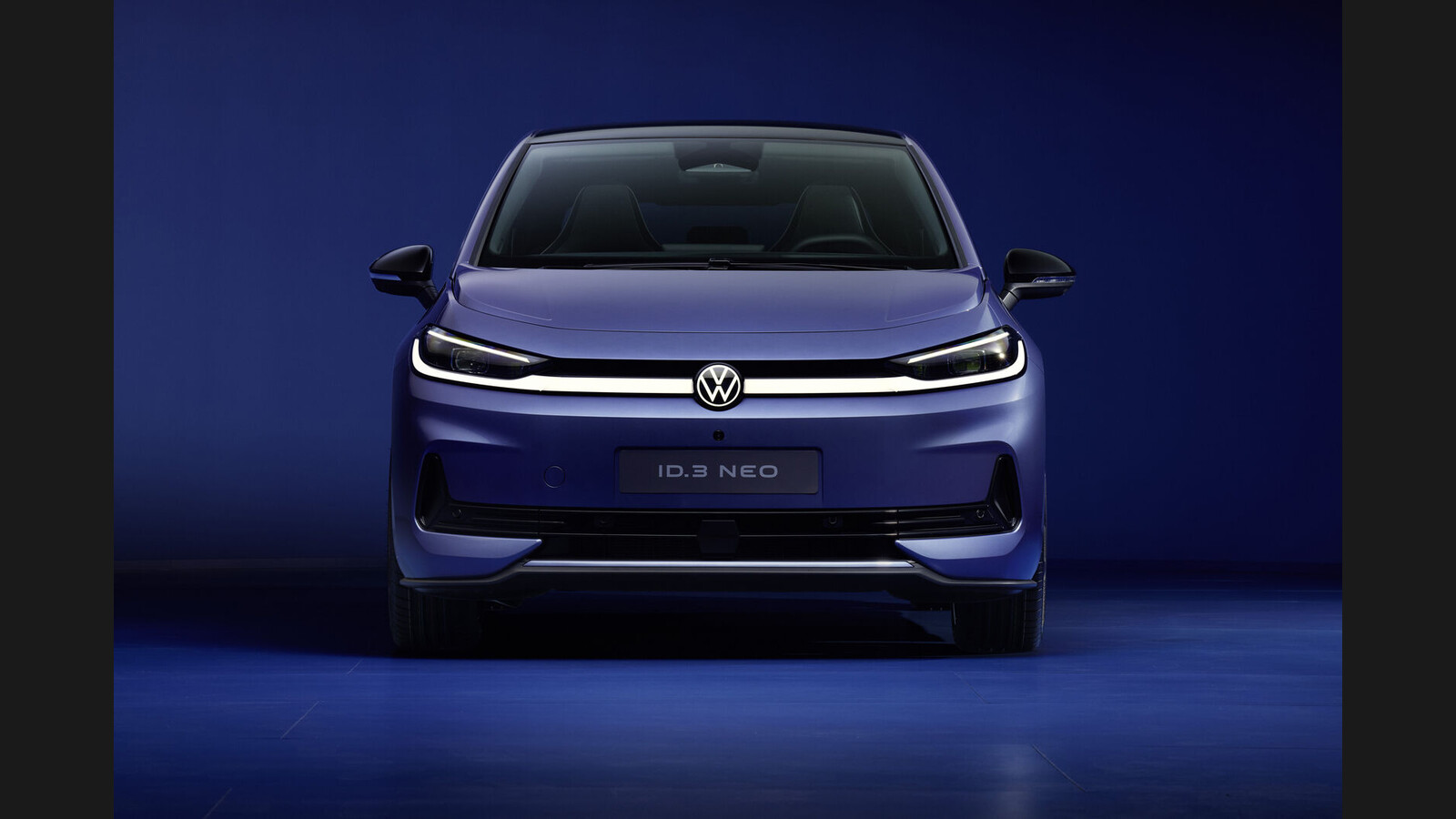
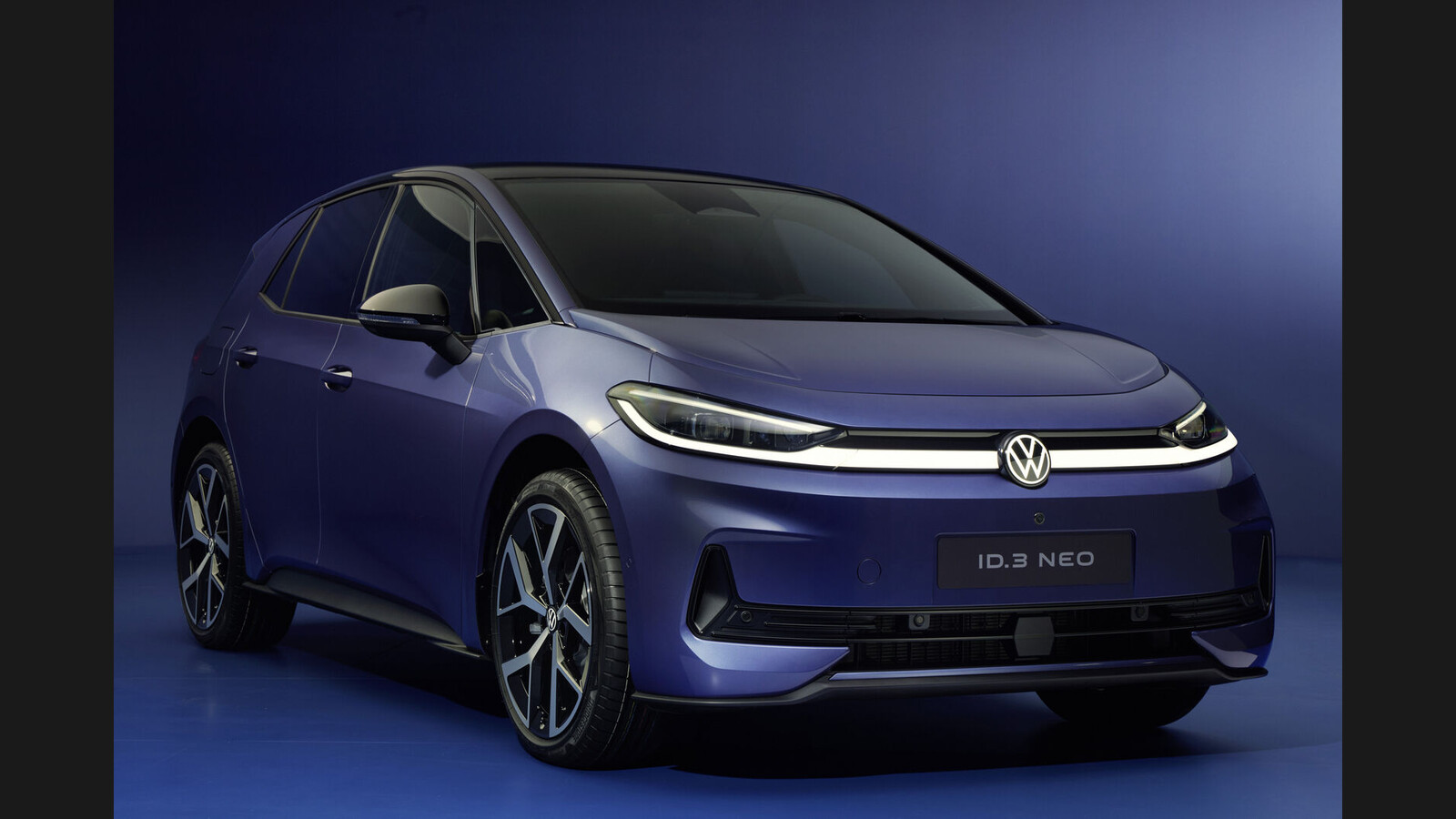
The BIK calculation is: P11D value x appropriate percentage x your marginal income-tax rate = annual tax bill. Take a £45,000 EV (for example, a well-specced Volkswagen ID.3) on a higher-rate (40%) taxpayer in 2026/27: £45,000 x 4% x 40% = £720 a year, or £60 a month. A petrol-engined equivalent at the same P11D, sitting in a typical 31% BIK band, would cost £45,000 x 31% x 40% = £5,580 a year, or £465 a month. The EV saves a 40% taxpayer £4,860 a year before any fuel or salary-sacrifice savings are layered on. For a basic-rate (20%) taxpayer the EV bill halves to £360 a year. CDE has put the worked numbers in the calculated block below.
CDE calculated
Annual company car tax bill, £45,000 P11D value, 2026/27 rates, calculated 2026-05-20:
| Powertrain | BIK band | 20% taxpayer | 40% taxpayer | 45% taxpayer |
|---|---|---|---|---|
| Pure-electric | 4% | £360 | £720 | £810 |
| PHEV (130+ mile range) | 5% | £450 | £900 | £1,012 |
| PHEV (40-69 mile range) | 13% | £1,170 | £2,340 | £2,632 |
| Petrol typical mid-band | 31% | £2,790 | £5,580 | £6,277 |
| Petrol or diesel cap | 37% | £3,330 | £6,660 | £7,492 |
Salary sacrifice and Class 1A NIC: the employer side
Employers also pay Class 1A National Insurance on the cash-equivalent BIK at 15% in 2026/27 (the rate rose from 13.8% in April 2025). For a £45,000 EV that is 4% x £45,000 x 15% = £270 a year. For the petrol equivalent at 31% it is £2,093. That difference, plus the 100% first-year allowance on a brand new EV, is why fleets keep electrifying even with the 4% rate. Salary-sacrifice schemes amplify the saving for the employee because the lease cost comes out of gross pay; the only “tax” the driver pays on the car is the 4% BIK figure. If you are buying privately rather than through a scheme, our used Volkswagen ID.3 UK 2026 buyer checklist walks through the second-hand route.
What the Autumn Budget did NOT change
Three points the 26 November 2025 Budget left alone for company car drivers: the EV trajectory was confirmed not accelerated, so the 4% / 5% / 7% / 9% schedule holds. The 4% advisory electricity rate (AER) for reimbursing EV business mileage continues, with HMRC updating it quarterly. And the workplace charging exemption (no BIK on free workplace charging for an employee’s own EV) remains in place. The pay-per-mile road tax (a separate measure announced for plug-in hybrids and EVs from 2028) is a VED issue, not a BIK issue, and is covered in our companion piece on VW ID.3 GTX discontinuation implications.
According to HMRC’s official “appropriate percentage” guidance for company cars, the BIK percentages set out above are the statutory figures used in the P11D process. Confirmed at the 26 November 2025 Autumn Budget per What Car?’s 2026 company car tax guide, the schedule now extends to 2029/30 for both pure-electric and petrol or diesel cars.
Even at 4% rather than 3%, the company car tax 2026/27 maths is still wildly tilted in favour of pure-electric. A 40% taxpayer in a £45,000 EV pays £720 a year versus around £5,580 in a comparable petrol; that gap pays for the home charger, the cable upgrade and a chunk of the household electricity bill. The Budget’s confirmation of the trajectory to 9% by 2029/30 also kills the “what if it doubles next year” objection that fleet finance directors used to raise. The PHEV story is shakier: the 5% to 14% rates hold for 2026/27 but the post-2028 real-world CO2 reset will land hard. If you are choosing a company car this tax year and you can charge at home or at work, the answer is still BEV. If you cannot charge reliably, a PHEV is a one-cycle bet, not a four-year one. We have published this guide for 2026/27 specifically and will update it after each Budget.
What is the company car tax 2026/27 BIK rate for a pure-electric car?
How much is BIK on a £45,000 electric company car for a 40% taxpayer?
Will the EV BIK rate keep doubling?
Are plug-in hybrids still a good company car choice for 2026/27?
Related reading on CDE
Buyer action
Where to check next
Use this as the final check before paying a deposit, signing finance paperwork or relying on a headline monthly figure.