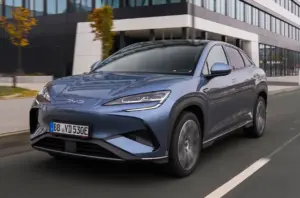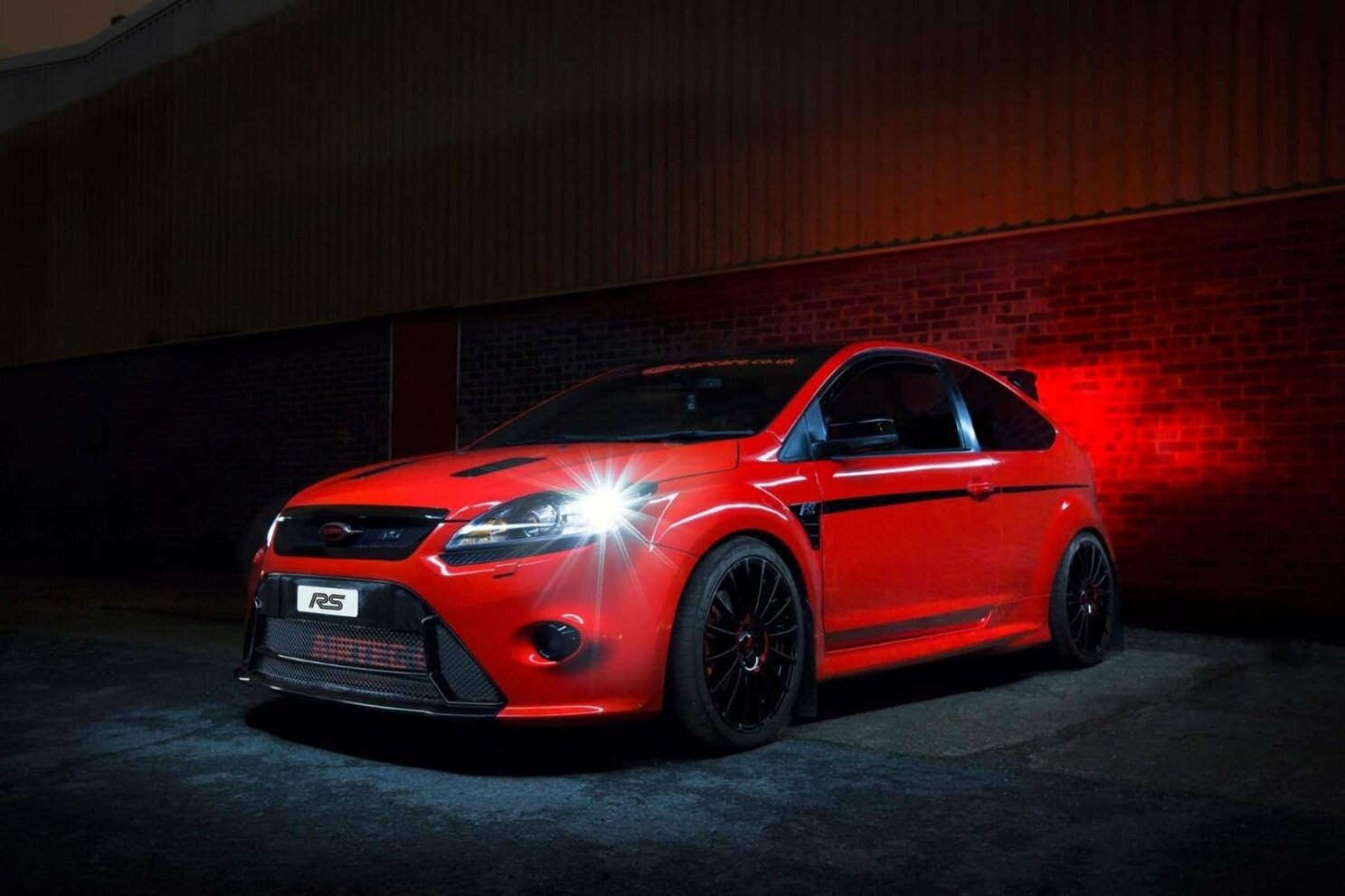
Here is the line that should focus the mind of anyone running a remapped Golf R or an air-ride Civic in 2026: the average accidental-damage claim now stands at £3,699, up 8% in a single quarter, according to the Association of British Insurers’ Q1 2026 figures reported by Which? in 2026. Insurers paid out £1.9bn on repairs in those three months alone. That is the engine behind every quote you are about to receive — and the reason a modified car, the thing an underwriter treats as a bigger, costlier risk to put right, gets loaded so hard. The good news, and it is genuine: the headline market has finally stopped climbing. The bad news is that “stopped climbing” and “fair to a modified car” are two very different things.
The same figures put the average UK motor premium at £560 for Q1 2026, flat against the back end of 2025. That is a market average as of Q1 2026, not a quote: it is representative, and your own premium will depend on your car, your modifications, your postcode and your history. Hold onto that £560 anyway. It is the number every modified-car owner is implicitly being measured against — and the gap between it and what you will actually be quoted is the whole story here.
Why a modified car costs more — and how much more is reasonable (modified car insurance)
There is no single published average for modified-car premiums in the UK, so the honest benchmark is a proxy rather than a headline number. Electric cars — heavier, pricier to repair, full of expensive bonded panels and sensors — average around £707 to insure against roughly £558 for the petrol equivalent, about a 25% loading, per CarInsuranceExpert’s specialist broker figures. Treat those as representative 2026 broker figures, not a quote you are owed. That is the shape of the risk-loading logic an underwriter applies to anything they see as harder or dearer to fix. A modified car triggers the same instinct: a remap changes the powertrain’s stress profile, a body kit changes repair complexity, and a louder, faster, more-stolen-than-average car changes the claims maths.
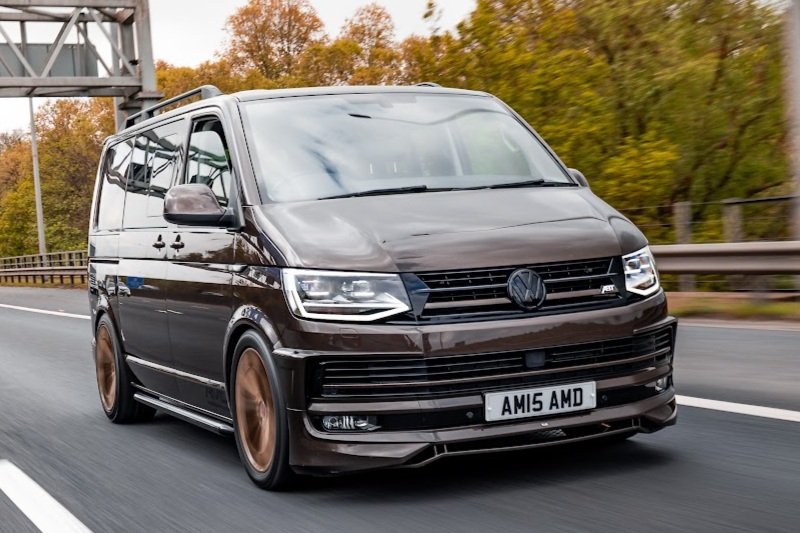
So treat something in that ballpark — a meaningful loading over the standard book rate — as the cost of the territory, not as being ripped off. What is not reasonable is a mainstream insurer either refusing to quote or pricing you out by default, which brings me to the single decision that matters most.
Mainstream insurers don’t want your modified car. Stop asking them.
The biggest avoidable overpay I see is people pouring modified cars through price-comparison sites built for standard ones. Mainstream insurers frequently decline modifications outright, or quote a deliberately ugly number to make you go away. Specialists — Adrian Flux, Footman James and the like — underwrite each car individually, which is exactly what a non-standard car needs. The proof is at the classic end of the market, where a properly underwritten agreed-value, limited-mileage policy can run as little as £100 to £200 a year (a representative range, not a guaranteed quote — your figure will depend on the car, mileage and your record), well under that £560 average, because the risk is understood rather than guessed at. CarInsuranceExpert lays that specialist-versus-mainstream split out plainly.
The cheapest modified-car premium isn’t the lowest number on a comparison site — it’s the one written by an underwriter who actually understood the car. Everything else is a quote designed to lose your business.
If you take one thing from this piece: a modified car belongs with a specialist broker, and agreed value plus a realistic mileage cap is how you stop subsidising drivers who do triple your miles in a standard hatchback.
The non-disclosure trap that turns a £3,699 claim into a £0 payout
This is the part that genuinely worries me, because it is where people who think they have saved money discover they have no cover at all. You are under a legal duty to take reasonable care not to misrepresent the risk when you take out or renew a policy, and a modification is exactly the kind of material fact that duty covers. Undeclared modifications can void a policy entirely — performance changes such as remaps and turbo upgrades must be declared, and so must cosmetic and wheel changes. Leave them off, and the insurer is within its rights to refuse the claim and, in plenty of cases, cancel the policy outright.
Run that against the numbers above. A non-disclosed remap might shave a chunk off your premium today. The moment you have a genuine accident — and the average bill to repair one is now £3,699 as of Q1 2026 — the saving evaporates and you are personally liable for the repair, any third-party damage, and the black mark of a voided policy that follows you to every future quote. Stance Auto’s guide makes the point modified owners need tattooed somewhere: declaring everything, in full, is what makes a cheaper quote real rather than a trap that springs the day you need it. A quote built on a lie is not a saving. It is an uninsured car wearing a certificate.
Where you live, and the levers you actually control
Some of the bill is out of your hands. Which? notes London consistently carries the highest premiums in the country — denser traffic, higher theft, costlier claims — and a modified car in a city postcode stacks one loading on top of another. You can’t move house for a remap, but you can stop pretending postcode isn’t part of the price.
What you can pull: secure overnight storage and a tracker (modified cars are theft targets, and underwriters reward mitigation); a mileage cap that reflects how a weekend or show car is genuinely used; an agreed-value clause so a write-off pays out what the build is actually worth rather than a depressed book value; and a single, honest spec sheet of every modification handed to a specialist on day one. Don’t overlook breakdown cover either — a heavily modified car can be awkward to recover and not every standard policy will touch it, so a specialist provider such as Footman James is the sensible home for that too.
What I’d do before renewing
If you own a modified car in 2026, here is my honest position. Walk away from the mainstream comparison sites — they are not built for your car and will either reject you or punish you. Go straight to a specialist broker, declare every single modification down to the wheels, and ask specifically for agreed value with a mileage cap that matches reality. Expect, and accept, a loading over that £560 Q1 2026 average — that is the legitimate price of a car that costs more to repair and is more likely to be targeted, and any figure you are quoted is representative and subject to the underwriter’s assessment of your circumstances. What I would never do is trim the quote by hiding a mod; against a £3,699 average repair bill and the risk of a voided policy, that is not saving money, it is gambling the whole car.
The thing that would change my mind on any individual quote is simple: if a specialist, fully informed of the build, still came back materially above a rival who had seen the exact same spec sheet, I would move — because with modified cover, the right price only exists where the underwriter actually understood what they were pricing. Get that part right and a modified car in 2026 is entirely insurable without overpaying. Get it wrong, and you are one accident away from finding out your certificate was worthless.
Buyer action
Where to check next
Use this as the final check before paying a deposit, signing finance paperwork or relying on a headline monthly figure.