Car Deal ExpertIndependent UK car-buying guidance: premium used cars, finance, salary-sacrifice EVs, insurance, recalls and consumer protection since 2008.
The 2026 Cupra Tavascan salary sacrifice case is the reason this electric SUV is worth five minutes of your morning, because the facelift Cupra confirmed for a third-quarter 2026 arrival quietly fixes the cabin niggle owners complained about and leaves the company-car maths looking very tidy indeed. Carwow lists the current car from £47,350 on the road (checked 24 June 2026), Honest John reported the refreshed range in March, and once you run the benefit-in-kind numbers from HMRC’s own tables the gap between leasing one privately and sacrificing for it is large enough to change the answer. I have spent the morning doing exactly that.
The deal as it stands this week
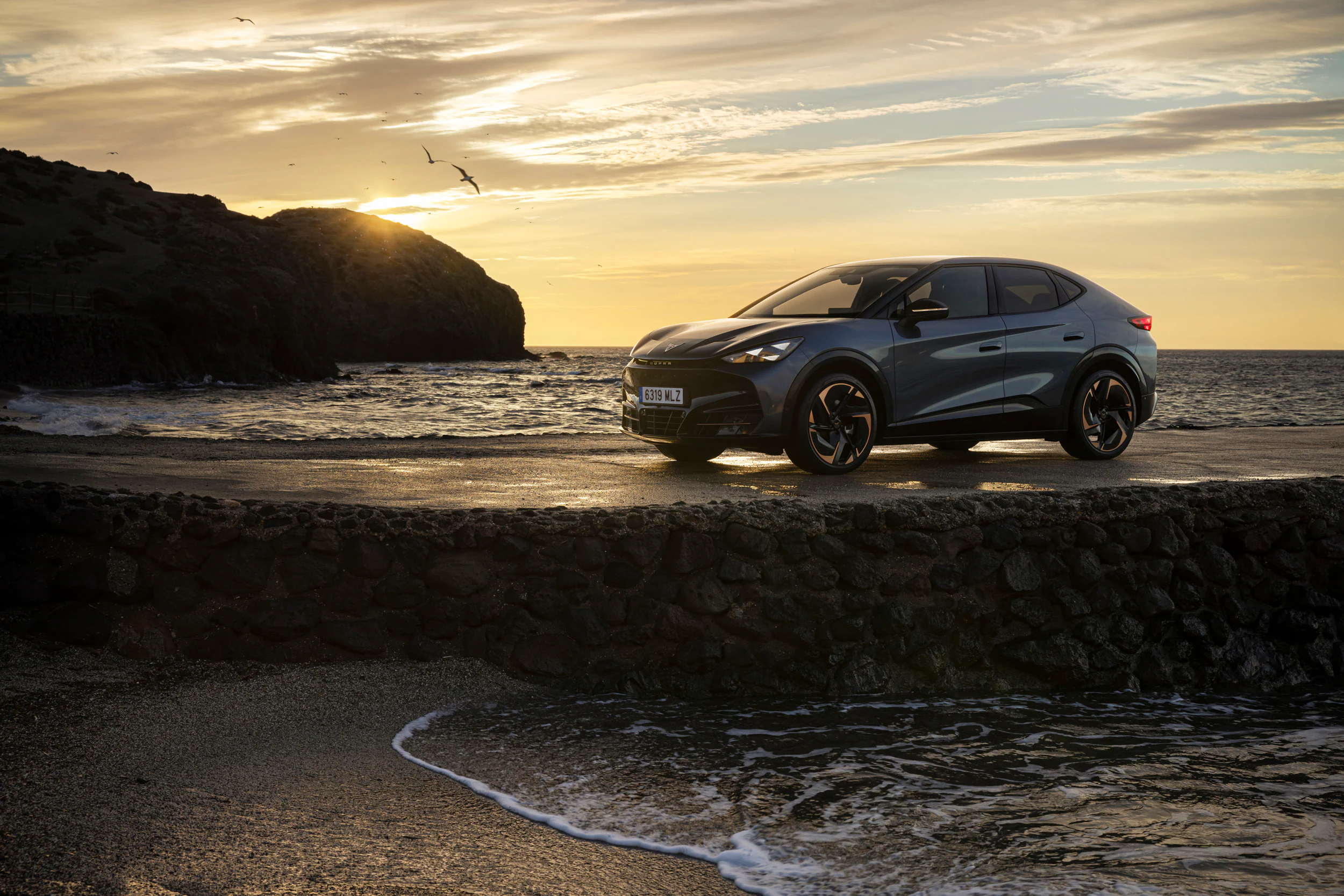
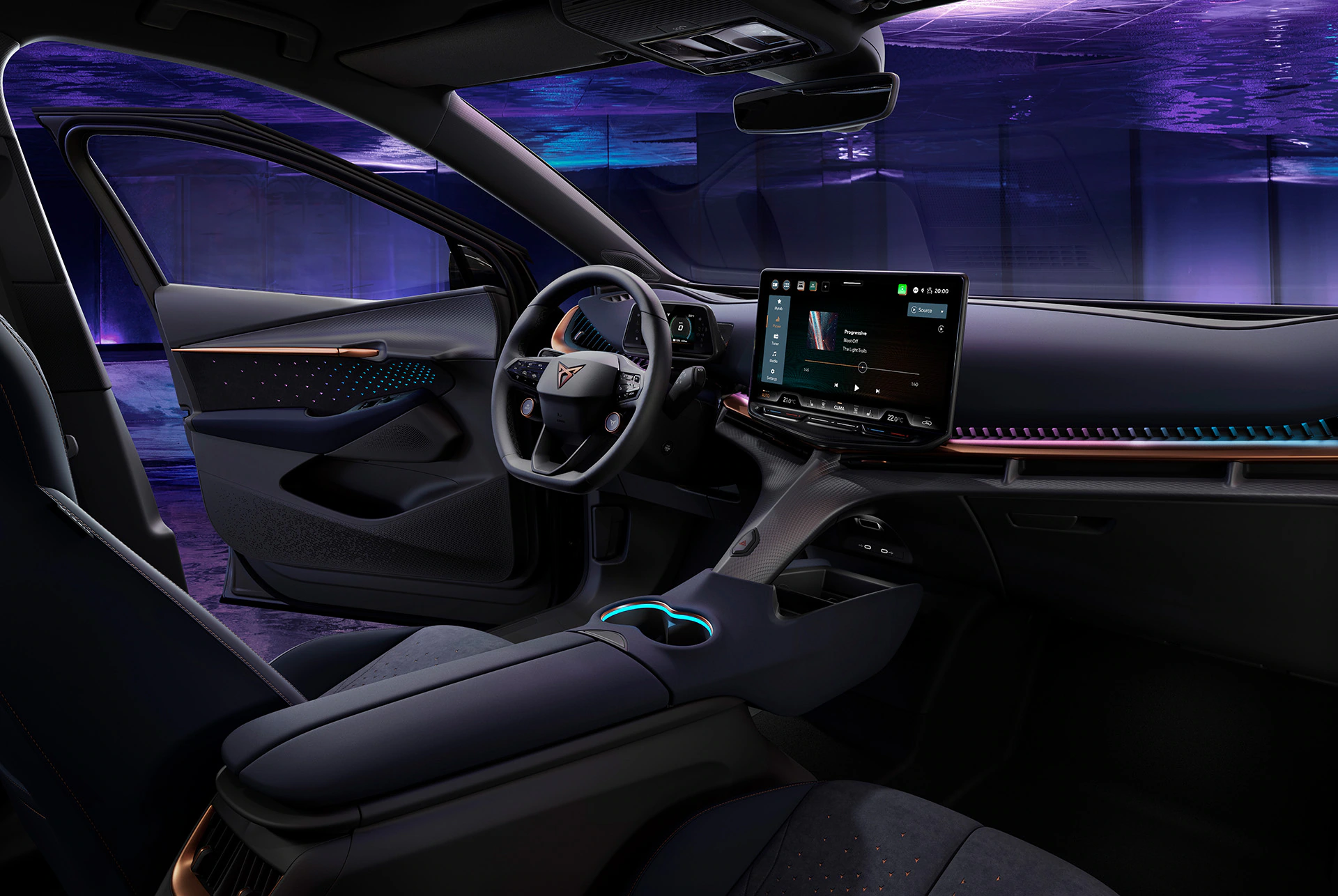
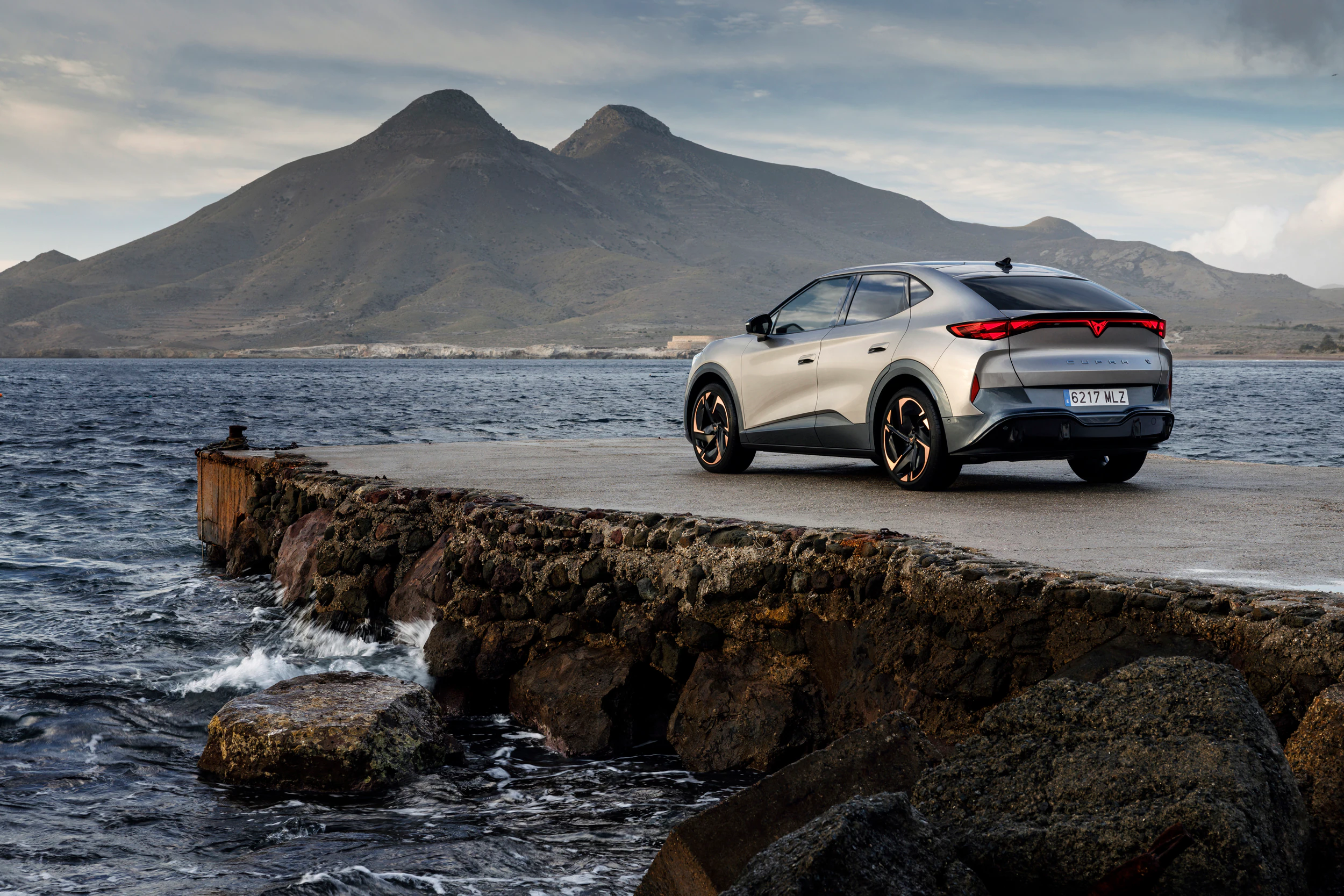
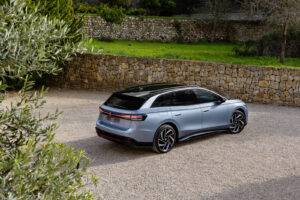
Right now the Tavascan is a single-battery car: a 77kWh pack, rear-wheel drive with 286hp in V1 and V2 trim, or dual-motor all-wheel drive with 340hp in the VZ1 and VZ2. Carwow’s current UK list runs from £47,350 for the V1 to £60,845 for the VZ2 (£62,180 once you tick the Winter Pack), with a WLTP range quoted between 299 and 353 miles depending on trim. The headline change for the 2026 model year is small but telling: Cupra is putting physical buttons back on the steering wheel in place of the touch-sensitive pads almost every reviewer disliked, adding vehicle-to-load so the car can power kit off its battery, and bringing in a digital key.
The more interesting move sits underneath that. Cupra has confirmed a new entry-level Tavascan with a 190PS motor and a smaller 58kWh battery, good for a claimed 270 miles, due in the third quarter of 2026. It will slot in below today’s V1 and is the version I would keep an eye on if your scheme lets you re-order later in the year, because a cheaper list price feeds straight into a lower benefit-in-kind bill. For anyone ordering today, though, the V1 is the one the numbers point at, and that is the car I have costed below.
Why salary sacrifice flips the answer
Buy a Tavascan with your own money, on PCP or cash, and it is a £47,000 electric SUV that will depreciate like one. Order the same car through a workplace salary sacrifice scheme and you are giving up gross pay, so a higher-rate taxpayer avoids 40% income tax and 2% National Insurance on every pound that goes towards the car. The only tax that comes back is benefit-in-kind, and for a zero-emission car that rate is tiny: 3% of the P11D value in 2025/26, rising to 4% in 2026/27 and 5% in 2027/28, per HMRC’s published company-car appropriate-percentage tables.
Image: Cupra
On a V1 with a P11D value of roughly £47,300, that works out as below. These are the taxable-benefit figures, the part HMRC actually charges you for; the gross monthly sacrifice itself depends on your provider’s lease rate, so treat any single quote you are shown as illustrative and subject to your own scheme.
Tax year (EV BiK rate)
Taxable benefit
20% taxpayer pays
40% taxpayer pays
2025/26 (3%)
£1,419
£284/yr (≈£24/mth)
£568/yr (≈£47/mth)
2026/27 (4%)
£1,892
£378/yr (≈£32/mth)
£757/yr (≈£63/mth)
2027/28 (5%)
£2,365
£473/yr (≈£39/mth)
£946/yr (≈£79/mth)
P11D ≈ £47,300 (V1 list). Rates: HMRC company-car appropriate percentages. Recompute against your own P11D.
A 40% taxpayer is paying about £47 a month in tax this year for the use of a £47,000 car. That single number, not the styling, is why the Tavascan earns its place on a sacrifice scheme.
Image: Cupra
That is the whole game. A 40% taxpayer is handing back about £47 a month in tax this year for the use of a £47,000 car, and the gross cost of the lease is coming out of pre-tax salary. It is the same logic that makes the Cupra Born on a salary sacrifice scheme such good value, only on a bigger, more usable body. Run a private lease or PCP on the Tavascan and none of that tax relief exists, which is why I rarely think PCP is the right tool for an EV that a scheme will take off your gross pay instead.
Which Tavascan I would actually order
The trim you pick matters more on a sacrifice scheme than it does in cash, because every extra thousand on the list price lifts your benefit-in-kind bill for as long as you hold the car. My order of preference runs from the bottom up, not the top down.
Trim
List (OTR)
Power / drive
WLTP range
Who it suits
Entry 190PS (from Q3 2026)
Below V1 (TBC)
190PS, RWD, 58kWh
≈270 miles
Lowest BiK, shorter commutes; worth waiting for
V1
£47,350
286hp, RWD
up to 353 miles
The value pick today; longest range
V2
£53,845
286hp, RWD
up to 353 miles
Kit you can mostly live without
VZ1 / VZ2
£55,945 / £60,845
340hp, AWD
up to 299 miles
Want the pace; pay for it in BiK and range
Prices: Carwow UK listing, checked 24 June 2026. Entry-level pricing not yet confirmed by Cupra.
The V1 is the one I would sign for if I needed the car now. It has the full 77kWh battery and the longest range of the lot, and on a scheme the £6,500 you would spend stepping up to the V2 buys mostly cosmetic kit while quietly raising your tax bill. The AWD VZ cars are quick and lose range for the privilege; unless you genuinely need 340hp, they are the wrong call on a company-car ticket. If your scheme allows a later re-order, the 58kWh entry car arriving this autumn is the genuinely clever buy, because the lower list price drags the benefit-in-kind down with it.
Image: Cupra
The running costs, and the catch
Charged at home on an off-peak tariff, a Tavascan is cheap to feed; lean on the public rapid network and the sums change fast, as our look at UK public charging prices in 2026 lays out. The honest catch with this car is twofold. First, the real-world range sits behind a Tesla Model Y, so if you do regular long motorway runs the VZ cars in particular will have you charging more often than the badge suggests. Second, like every premium EV it will shed value, which is precisely why I want the scheme carrying that depreciation risk rather than you carrying it on finance.
If your employer does not offer salary sacrifice, the case cools considerably, and a sharper-driving rival such as the closely related Skoda Enyaq or a keener lease on the Audi Q4 e-tron on salary sacrifice deserve a look before you commit. And one more thing worth saying plainly, because it costs people real money: if your scheme or a private lease lets you pay monthly rather than annually, check the rate. Paying monthly can quietly cost the equivalent of a serious APR, the same trap I flagged in paying your car insurance monthly, and it applies to plenty of motoring bills, not just insurance.
Image: Cupra
Who I would sign the order form for
If you are a higher-rate taxpayer with a salary sacrifice scheme, a driveway charger and a commute the V1’s range swallows comfortably, this is an easy yes: a genuinely desirable, well-built electric SUV for a tax bill that rounds to a couple of restaurant meals a month, and a 2026 cabin update that removes its most annoying flaw. If you are buying with your own cash or on PCP, or you do big motorway mileage that exposes the range, it is a much closer call, and I would either wait for the cheaper 58kWh car or shop the rivals first. Against the brilliant but pricier alternatives such as a BMW i4 on the same scheme or the Kia EV6’s company-car numbers, the Tavascan undercuts on style and holds its own on cost. The salary-sacrifice route is doing the heavy lifting, but it is doing it well.
My score: 8/10. Representative figures here are illustrative, based on HMRC company-car rates and current UK list prices, and are not a finance offer or personal advice; your benefit-in-kind bill depends on your P11D value and marginal tax rate.
Buyer action
EV and salary-sacrifice checks
Use this as the final check before paying a deposit, signing finance paperwork or relying on a headline monthly figure.
We use cookies to make this site work, measure how it is used, and (with your consent) personalise advertising. Strictly necessary cookies always run. Analytics and advertising cookies run only if you accept. See our Cookie Policy and Privacy Policy.
Car Deal Expert — independent UK automotive publisher since 2008.