Petrol vs diesel vs EV running costs in 2026: the real five-year maths
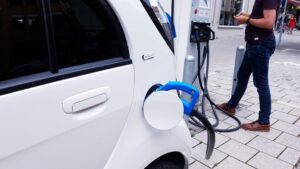
Here is the number that should reframe the whole petrol-versus-EV argument: an electric car costs just 6–8p a mile to run when you plug it in at home overnight — but charge that same car at a motorway rapid unit and it climbs to 19–22p a mile, dead level with a petrol hatch. The savings everyone quotes don’t live in the car. They live in your driveway. According to the RAC’s Fuel Watch figures for 2026, petrol at 157p a litre works out at 14–18p a mile in a 40mpg car, and diesel at 188p a litre lands at 17–21p a mile in something returning 45mpg. So before you’ve factored in tax, depreciation or a single service, the three fuels are already telling very different stories — and the variable that decides which one wins isn’t the badge. It’s where you charge.
I want to walk through the five-year maths properly, because the headline savings are real, but they come with conditions attached that nobody puts on the showroom window. Here is how the three stack up before you get into a specific model:
| Running cost (2026) | Petrol (40mpg) | Diesel (45mpg) | EV (home charge) |
|---|---|---|---|
| Fuel cost per mile | 14–18p | 17–21p | 6–8p home / 19–22p rapid |
| Road tax (VED, from April 2026) | £190/yr | £190/yr | £190/yr |
| Expensive-car supplement (list price over £40,000) | £600/yr for 5 yrs | £600/yr for 5 yrs | £600/yr for 5 yrs (EVs now in scope) |
| Cheapest to fuel? | No | Middle | Yes — but only on home off-peak charging |
| Best suited to | Low mileage, no driveway | High motorway mileage, no home charging | High mileage with a driveway and off-peak tariff |
The fuel-cost gap is genuine — if you can charge at home (running costs)
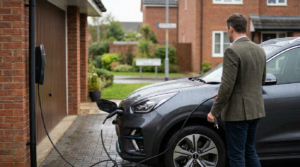
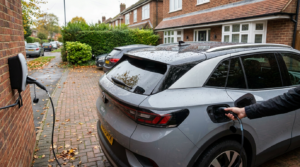
Start with the best-case EV. Home electricity at roughly 25p/kWh, a car returning four miles per kWh, and you’re at the bottom of that 6–8p band. Set that against a petrol car at 15p a mile and the per-mile difference is stark. CarCostCheck’s running-cost analysis puts the fuel saving at £1,060 a year against an equivalent petrol car at 10,000 miles — £5,300 over five years. Against diesel the gap narrows, because diesel’s stronger economy claws some of it back: ElectricDrives’ 2026 breakdown has the EV saving around £546 a year over diesel at the same mileage. Still real money — but roughly half the petrol figure.
Now take the home charger away. ChargeUK’s analysis models a realistic mixed driver — 80% home, 20% public — and lands at a blended 10p a mile against petrol’s 15p. That’s a saving of about £250 a year at 5,000 miles and £500 at 10,000. Useful, but notice what’s happened: a fifth of your charging on public rapids has already halved the saving. Push that public share higher — the reality for anyone parking on a street — and at 76p/kWh on the rapid network, the EV’s advantage doesn’t just shrink, it evaporates.
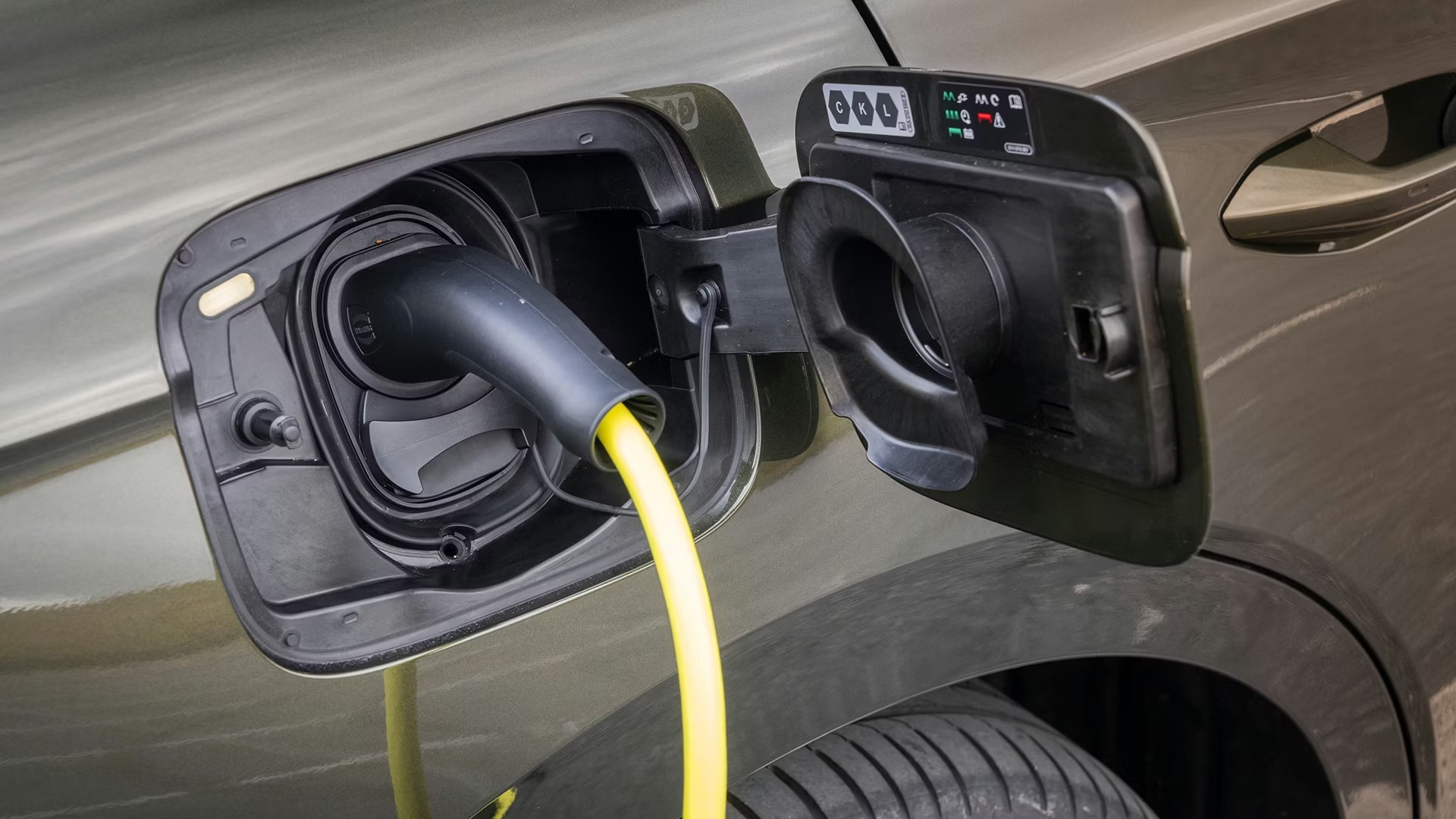
The EV saving isn’t a property of the car. It’s a property of your parking space. No driveway, no off-peak tariff, and the cheapest fuel quietly becomes one of the dearest.
April 2026 rewrote the tax side
For years the clean answer was that EVs paid nothing in road tax. That ended this year. Under the DVLA’s April 2026 VED rates, electric cars now pay the standard £190 a year — the same as petrol and diesel. That particular advantage is simply gone.
And there’s a sharper sting for the kind of car this audience actually shortlists. Any car with a list price over £40,000 — which covers most of the desirable EVs — pays the expensive-car supplement of £600 a year for five years on top. That’s £3,000 of extra tax across the ownership window, and EVs were specifically brought into its scope this year. A £48,000 electric saloon and a £48,000 petrol one now sit on the same tax bill. If your mental model of EV ownership still includes “and it’s free to tax,” update it.
Depreciation is the line on the spreadsheet that hurts
Here is where the fuel savings can get quietly eaten. Pence-per-mile gets the headlines; depreciation empties the bank account. CarCostCheck’s worked example is brutally clear: a Vauxhall Corsa-e sheds about £16,500 over three years, while the petrol Corsa 1.2T loses around £10,340 across the same period. That’s a £6,000-plus swing — comfortably more than the fuel saving hands back.
Add it all up and the three-year total cost of ownership lands at roughly £21,750 for the Corsa-e against £16,580 for the petrol Corsa. On that example, the cheaper car to fuel is the dearer car to own. It is a single model pairing, not a law of physics — depreciation varies wildly by badge, and a strong-residual EV tells a very different story — but it punctures the lazy assumption that “cheaper per mile” automatically means “cheaper to own.”
So who actually comes out ahead?
Let me be concrete, because this is a decision with a right answer for most people — just not the same answer for everyone.
The high-mileage home-charger wins outright. If you’ve a driveway, an off-peak tariff and you’re covering 10,000-plus miles a year, the EV’s £5,300 five-year fuel saving over petrol is large enough to absorb the £190 tax and still come out ahead — provided you buy a model that holds its value. The maths does the heavy lifting there; the £1,060-a-year gap is the engine of the case.
The diesel still earns its keep at the top of the mileage table. If you’re a genuine long-hauler with no home charging — reps, rural drivers, anyone living on the motorway network — diesel’s 45mpg and the EV’s mere £546-a-year edge make the electric car a much harder sell once public charging dominates. Run the cost-per-mile calculator against your real annual mileage before you commit; the break-even moves fast.
The lower-mileage, no-driveway driver should think hard before going electric. Strip out home charging and you strip out the entire saving. At 5,000 miles on mostly public rapids, with £190 of tax, possibly the £600 supplement, and steeper depreciation, the EV can genuinely cost more to live with than the petrol car it replaced.
What would get my signature on the order form
On the numbers as they stand in 2026, I wouldn’t sign for an EV on the running-cost argument alone unless I could tick two boxes: home charging on an off-peak tariff, and a model with a credible residual value. Tick both and the petrol car has no answer to a £1,000-a-year fuel gap. Miss either — no driveway, or a badge that depreciates like the Corsa-e example — and I’d take the petrol car without much agonising, and a high-mileage motorway diesel without any at all.
What would change my mind? A public charging price that stops behaving like premium unleaded, and EV residuals that settle down. Both are inching the right way. But the honest 2026 position is this: the electric car is the cheapest to run and one of the dearer to own, and which of those two facts matters more is decided entirely by your driveway and your mileage — not by the brochure. Work out your own pence-per-mile first. The rest of the argument follows from it.
How we compare
Buyer action
Where to check next
Use this as the final check before paying a deposit, signing finance paperwork or relying on a headline monthly figure.