News · 24 Jun 2026 · Michael Harrison
Seven hundred thousand cars worldwide, 44,000 of them on UK driveways, all sharing the same small petrol engine and the same unsettling problem: under the right conditions it can catch fire. That is the headline from the recall Autocar reported in April 2026, and if you bought a recent Vauxhall Corsa, Mokka or Frontera, this is the one I would stop and read properly before doing anything else today.
Stellantis, the group that now owns Vauxhall and Opel alongside Peugeot, Citroen, Fiat and the rest, is actually running two distinct, unrelated recalls in the UK at the same time. They get muddled together in headlines because they landed within weeks of each other, but the engines, the faults and the affected models are different. So let me separate them cleanly, because which one applies to you changes how urgently you should pick up the phone.
The mild-hybrid fire risk: the big one (Vauxhall and Opel recall)
This is the recall with the numbers. As What Car? has set out, it covers cars fitted with the 1.2-litre 48V mild-hybrid petrol engine. The fault is specific and, frankly, the sort of thing that makes me wince: electrical arcing can occur between the petrol particulate filter pipe and the belt starter generator, the small motor that does the mild-hybrid heavy lifting. Arcing means heat, and heat next to fuel-system hardware means fire risk. There is no dressing that up.
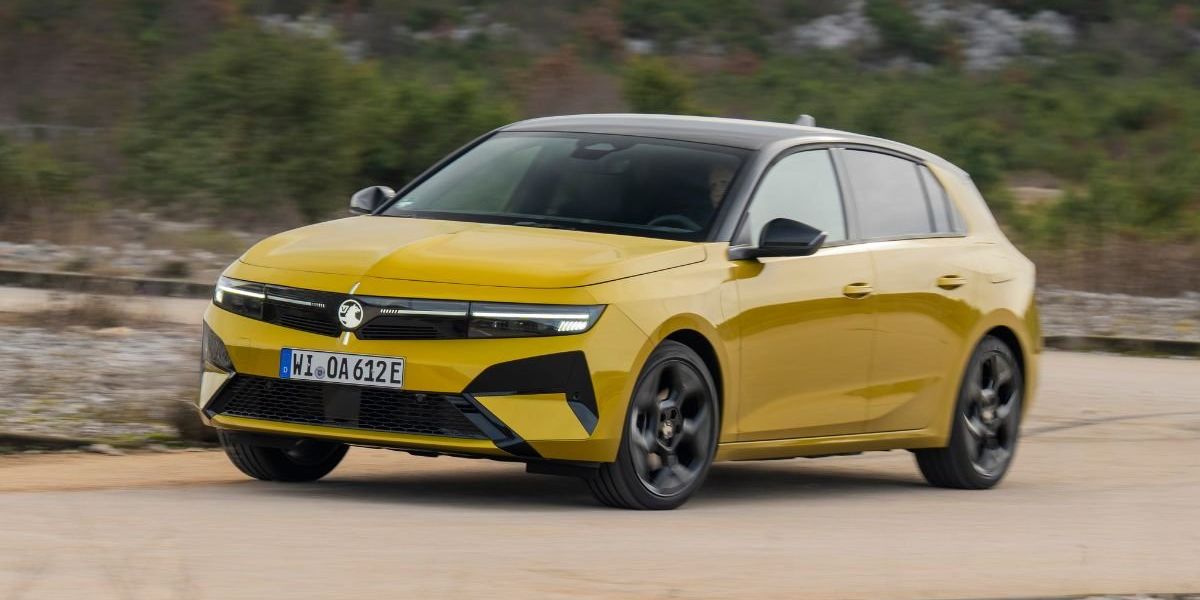
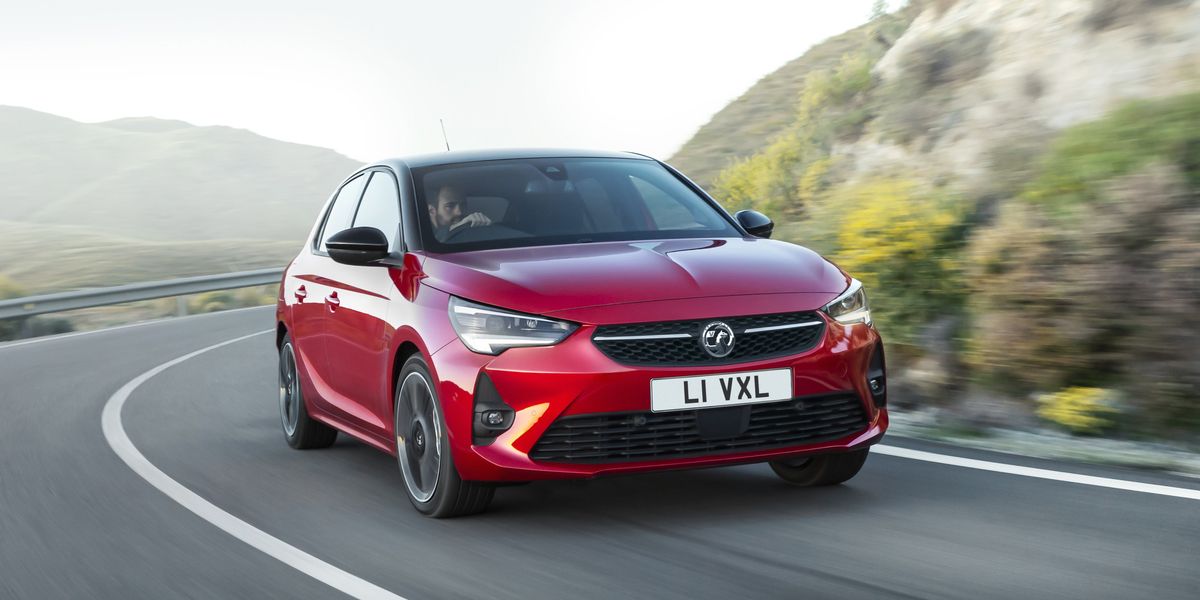
On the Vauxhall side, the UK breakdown is 1,888 Corsas, 2,057 Fronteras and 534 Mokkas, all built between 2023 and 2026. Auto Express lists the wider group of affected models, because the same engine sits under the bonnet of Peugeots, Citroens and Fiats too: this is a shared-platform problem, not a Vauxhall-specific one. The scale is what gives it weight: S&P Global puts the UK figure at 44,000 and the global total at around 700,000.
The fix, to Stellantis’s credit, is not a major undertaking. Dealers add a protection cup over the belt starter generator and adjust the clearance so the two components can no longer arc against each other. The quoted labour time is around 30 minutes. That is a morning’s inconvenience, not a fortnight without your car.
A free 30-minute fix against a fire risk is the easiest decision an owner will make all year, and the most expensive one to keep putting off.
The diesel water-pump recall: smaller, but nasty in its own way
The second recall is entirely separate and gets far less attention, which is exactly why I want to flag it. Auto Express reported that around 10,000 UK vehicles with the 1.5-litre BlueHDi diesel engine have been called back over a faulty water-pump pulley that can detach in service.
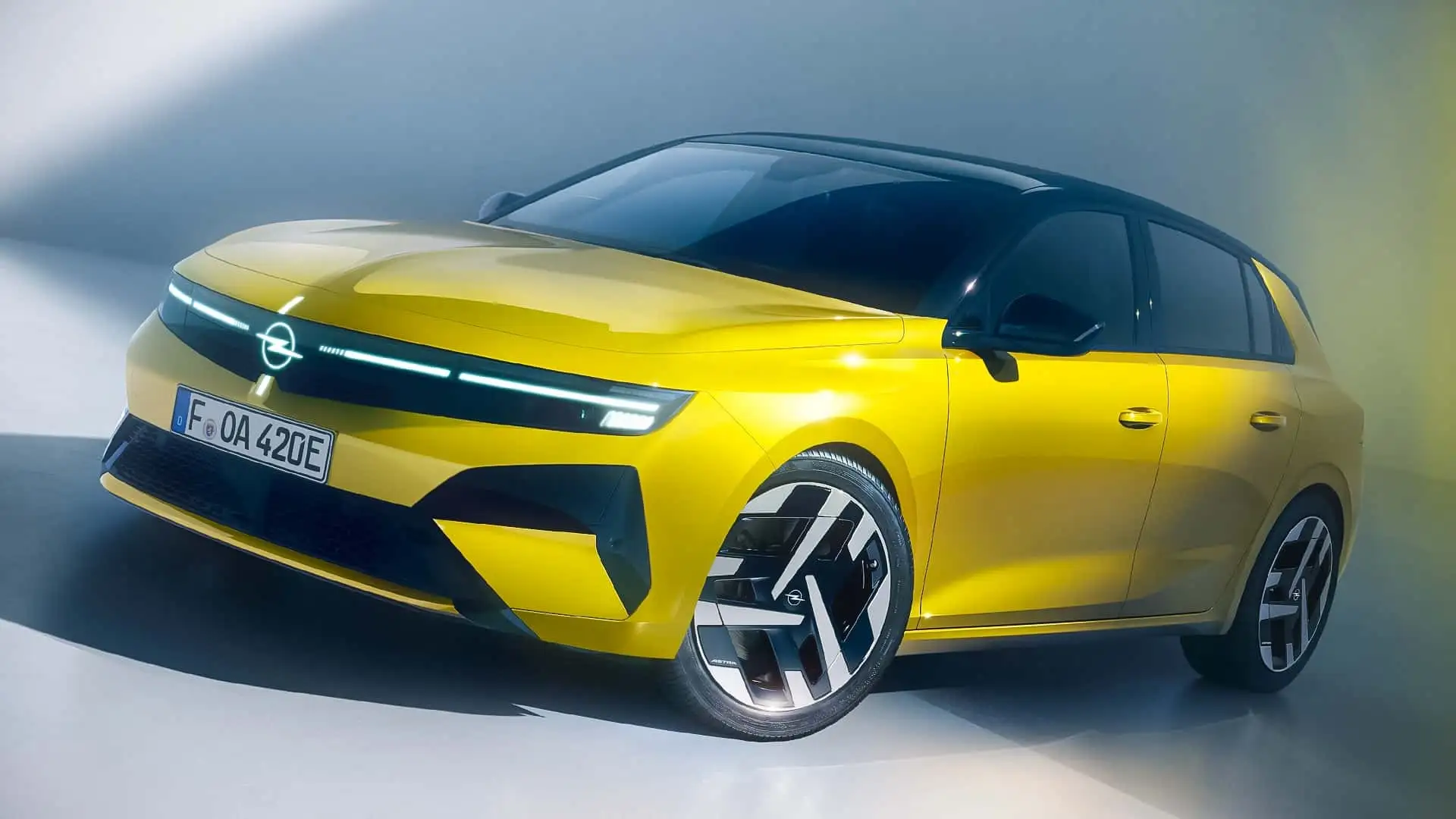
Two failure modes follow from that, and neither is trivial. The first is engine damage: lose the water pump and you lose cooling, and that can end an engine. The second is the one that bothers me more: detached parts can fall from the car onto the road, which is a hazard to whatever is behind you. The affected Vauxhalls here are the Astra, Corsa, Combo and Vivaro, built between October 2025 and February 2026, so this catches both passenger cars and the vans that small businesses run every day.
The repair is heavier than the fire-risk job (dealers replace the water-pump kit, a roughly two-and-a-half-hour task) but it is still free, and still very much worth booking. A van off the road for an afternoon is cheaper than a seized engine on the hard shoulder of the M6.
It is free, and that is not a courtesy
One point I want to be firm on, because owners still ask: a manufacturer safety recall is repaired free of charge at a franchised dealer. That is not goodwill or a special offer that might lapse. It is simply how UK safety recalls work, and the Government’s own guidance spells it out. If any dealer ever tries to charge you for recall work, that is your cue to walk out and call another.
It is also worth remembering that older Vauxhall and Opel models carry longer-running recalls that never quite go away: the industry-wide Takata airbag programme has swept up cars across the 2005 to 2018 era, including the likes of the Astra, Mokka and Zafira. If you run an older car and have never checked, do not assume someone else did it for you.
If one of these is on your driveway
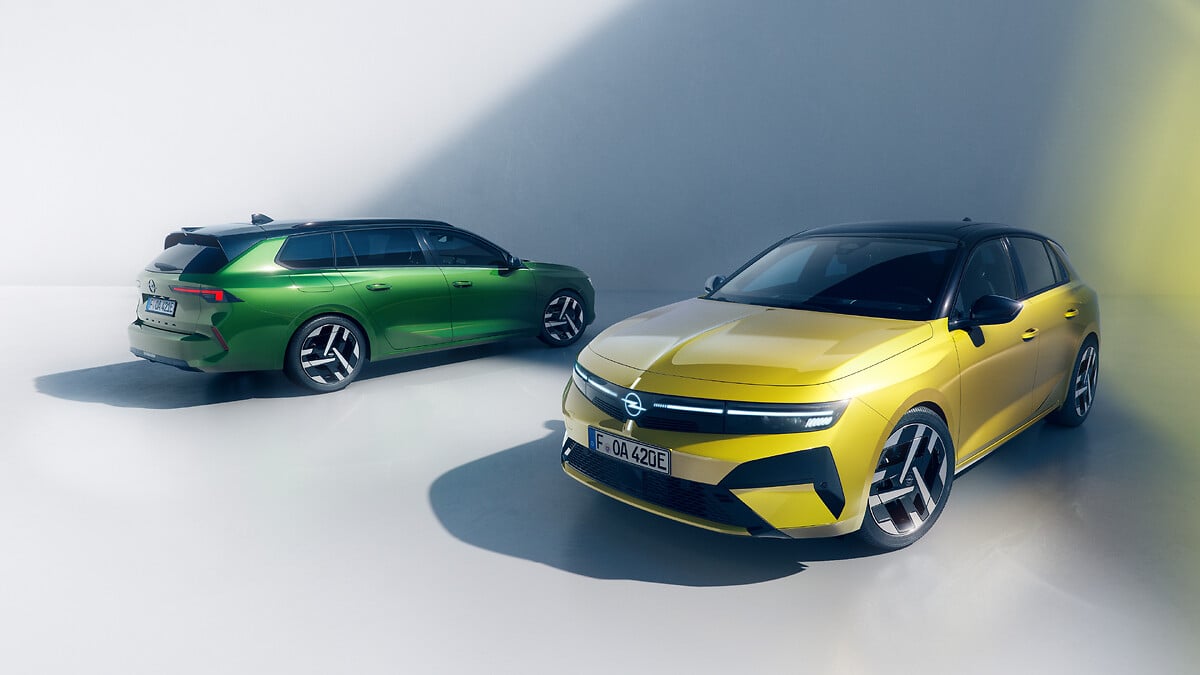
Here is where I land. If you own a 2023-onwards Corsa, Mokka or Frontera with the mild-hybrid petrol engine, treat the fire-risk recall as a this-week job rather than a someday job: a half-hour fix against a fire risk is the easiest decision you will make all year, and I would not leave the car parked in an attached garage overnight until it is done. If you run a recent BlueHDi diesel Astra, Corsa, Combo or Vivaro, book it in too, especially if it is a working van earning its keep.
And if you are not sure which, if any, applies to you, do not sit waiting for a letter: they are slow and they get lost. Take two minutes, put your registration into the DVSA checker at gov.uk/check-vehicle-recall, and let the database tell you. The check is free, the fix is free, and the only thing it costs you is the morning you would otherwise have spent worrying about it.
Buyer action
Where to check next
Use this as the final check before paying a deposit, signing finance paperwork or relying on a headline monthly figure.