Car Deal ExpertIndependent UK car-buying guidance: premium used cars, finance, salary-sacrifice EVs, insurance, recalls and consumer protection since 2008.
BMW’s UK recall in 2026: what the latest fire-risk action covers
BMW is recalling 24,732 UK cars over a starter-motor fire risk. See the affected models, the engine-running warning and how to check your reg for free.
BMW is recalling 24,732 UK cars over a starter-motor fire risk. See the affected models, the engine-running warning and how to check your reg for free.
Nearly 25,000 BMWs on UK roads are now subject to a recall over a fault that can, in the worst case, set the car alight while it sits with the engine running. Auto Express reported on 12 February 2026 that BMW is recalling 24,732 cars in Britain — part of a global action covering roughly 575,000 vehicles — because a manufacturing defect in the starter motor can, in rare cases, end in a short circuit and fire. The headline instruction from BMW is unusually blunt: don’t leave one of these cars unattended with the engine running.
That single line tells you this is not a routine “book it in when convenient” notice. So here is exactly what the latest action covers, which cars are caught, and what I’d do if my registration came back as affected.
What the February recall actually covers
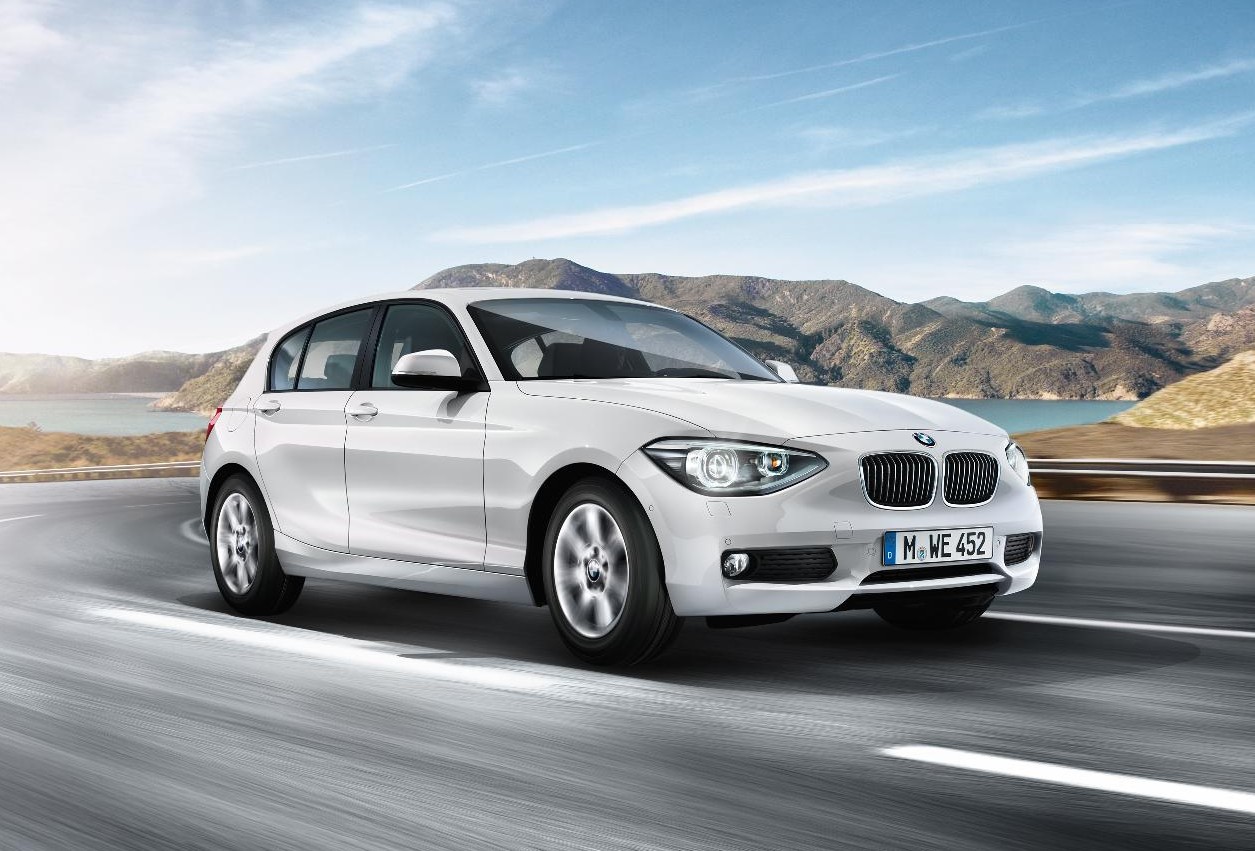
The defect sits in the starter motor’s magnetic switch. According to the recall detail, a manufacturing flaw can cause increased wear, stop the engine starting, and — in the more serious scenario — lead to a short circuit and fire. It affects cars built across a fairly narrow window: July 2020 to July 2022.
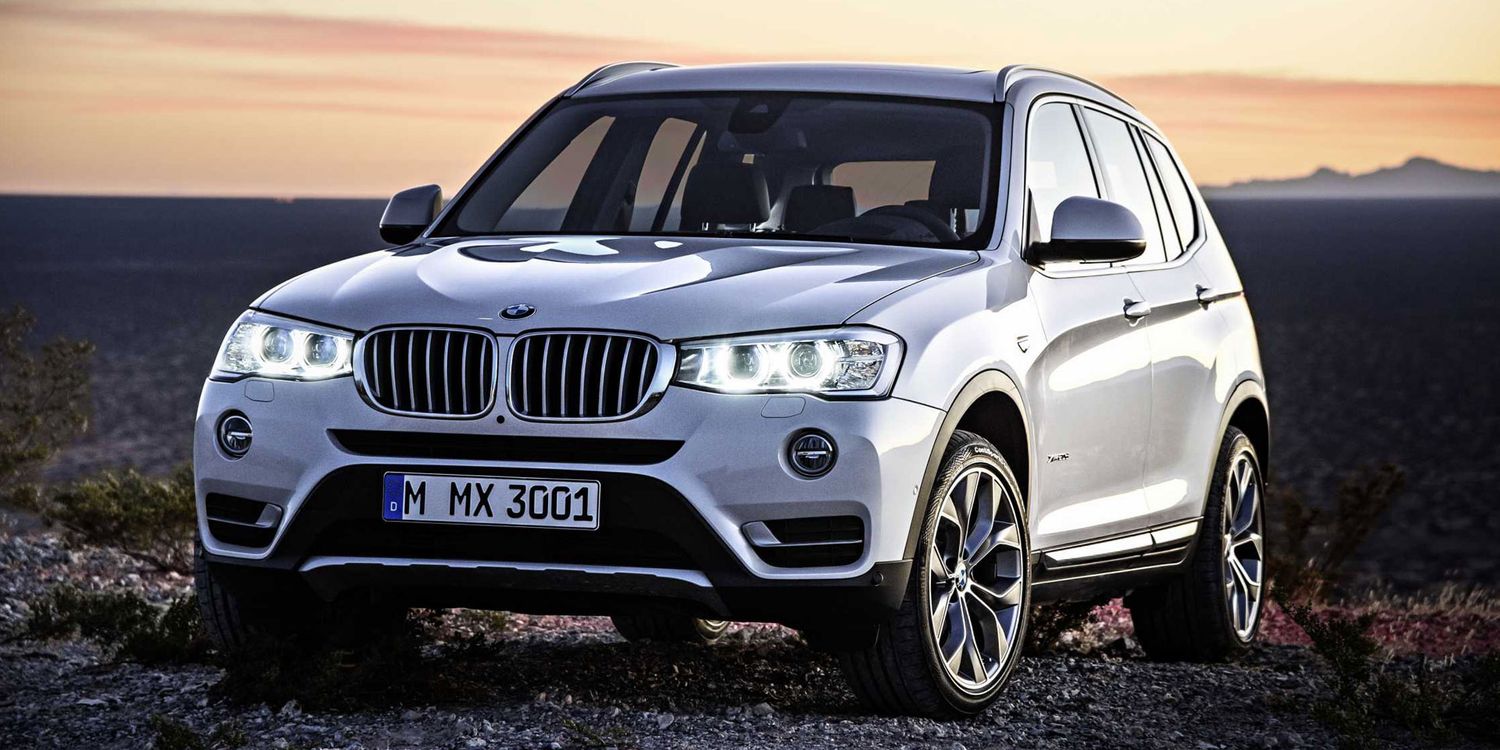
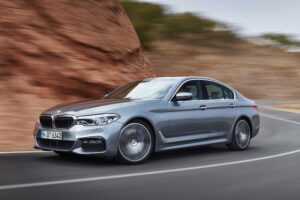
Image: Autocar
The model list is long, and it reaches deep into BMW’s core UK range:
2 Series Coupé (G42)
3 Series (G20, G21)
4 Series (G22, G23, G26)
5 Series (G30, G31)
6 Series Gran Turismo (G32)
7 Series (G11, G12)
X3 and X4 (G01, G02)
X5 and X6 (G05, G06)
Z4 (G29)
If you bought a 3 Series, 5 Series or X5 roughly three to five years ago, in other words, this is worth two minutes of your attention. These are not fringe models — they are the cars that fill UK company car parks and motorway middle lanes.
Why the “engine running” warning is the part that matters
Most recalls come with reassurance that the risk is low and you can keep driving. This one is softer-spoken but more pointed: the specific behaviour BMW is warning against is leaving the car unattended with the engine running. That covers the everyday habits plenty of owners don’t think twice about — warming the cabin on a frost morning, idling on the drive while you nip back inside, sitting in a queue with the engine on.
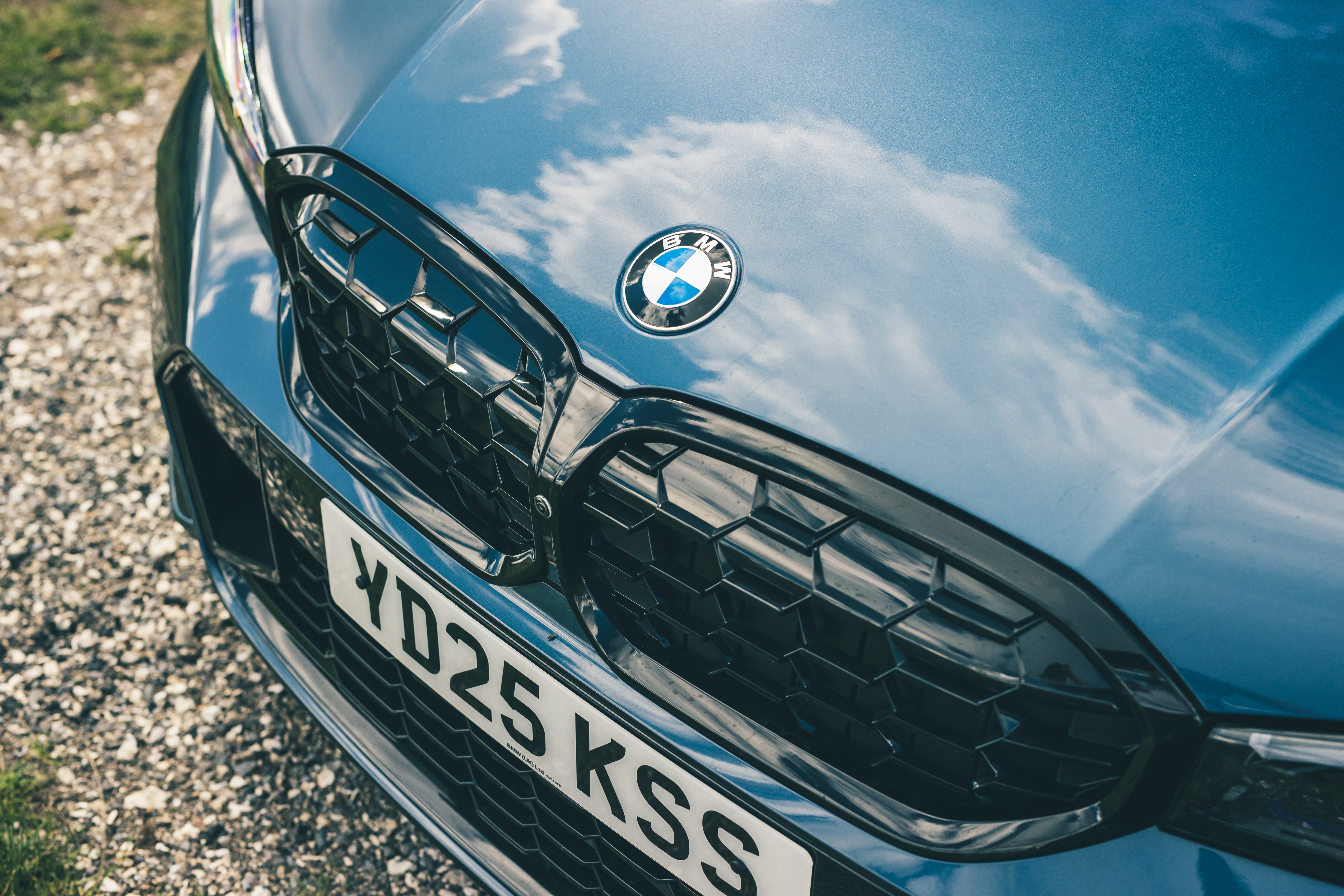
Image: Uk
What makes me uneasy isn’t the headline fire risk, which by BMW’s own framing is rare. It’s that the mitigation depends entirely on owner behaviour until the fix is done. A starter-motor fault you can’t see or hear is precisely the kind of defect people forget about the moment the warning letter goes in the recycling.
The cars caught here aren’t outliers — they’re the 3 Series, 5 Series and X5s that make up the backbone of BMW’s UK fleet. A recall this central isn’t one to file under “later”.
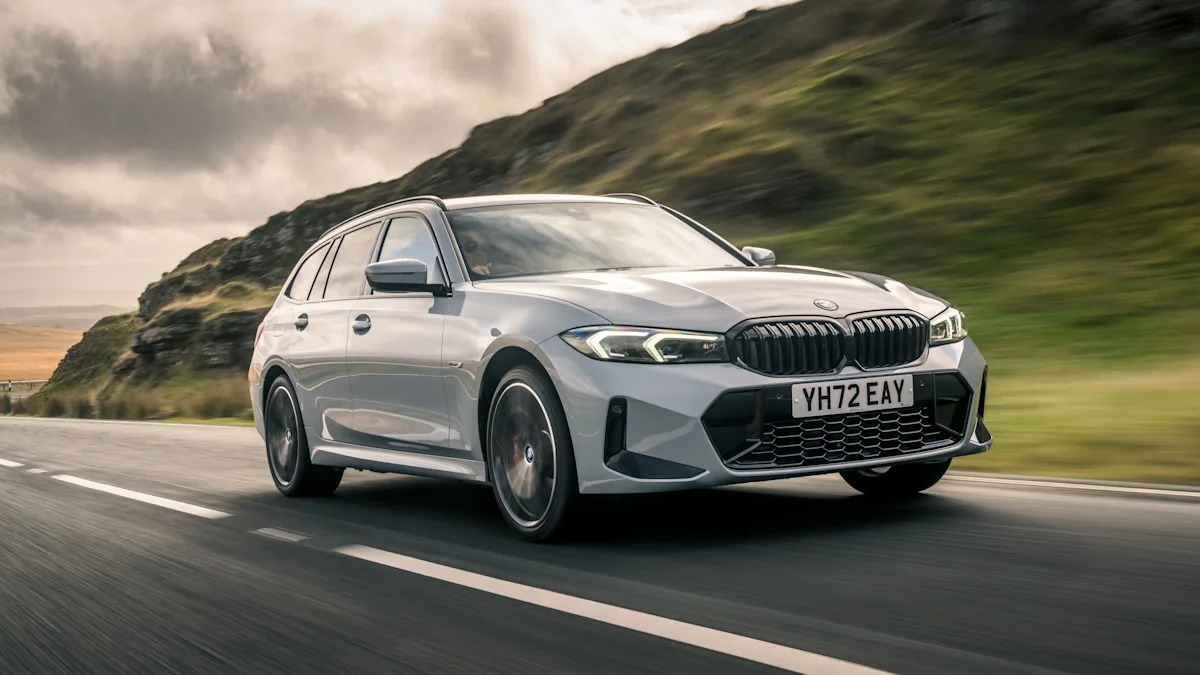
Image: Which
It isn’t the only BMW recall of 2026
The starter-motor action lands on top of a far larger campaign already running this year. As part of a February DVSA round-up covering more than 500,000 cars across BMW, Range Rover and Volvo, BMW’s airbag recall (reference R/2025/327) covers a striking 441,520 vehicles — 1 Series, 3 Series, 5 Series, X1 and X3 models built between 2006 and 2015. The defect there is more alarming on paper: the driver’s airbag may deploy with too much force and release sharp metal fragments into the cabin.
The practical upshot is that a sizeable slice of the UK’s used BMW market is now sitting under one recall or another. An older 3 Series might be caught by the airbag action; a near-new one by the starter motor. Buying a second-hand BMW this year without running a recall check is, frankly, careless.
How to check — and what it costs you
Two things to know. First, the work is free: safety-recall repairs and parts are carried out at no charge by authorised BMW service partners, as they must be. Second, you don’t have to wait for a letter. BMW is working with the DVLA to obtain owners’ addresses and will write to affected drivers, but you can get ahead of the post.
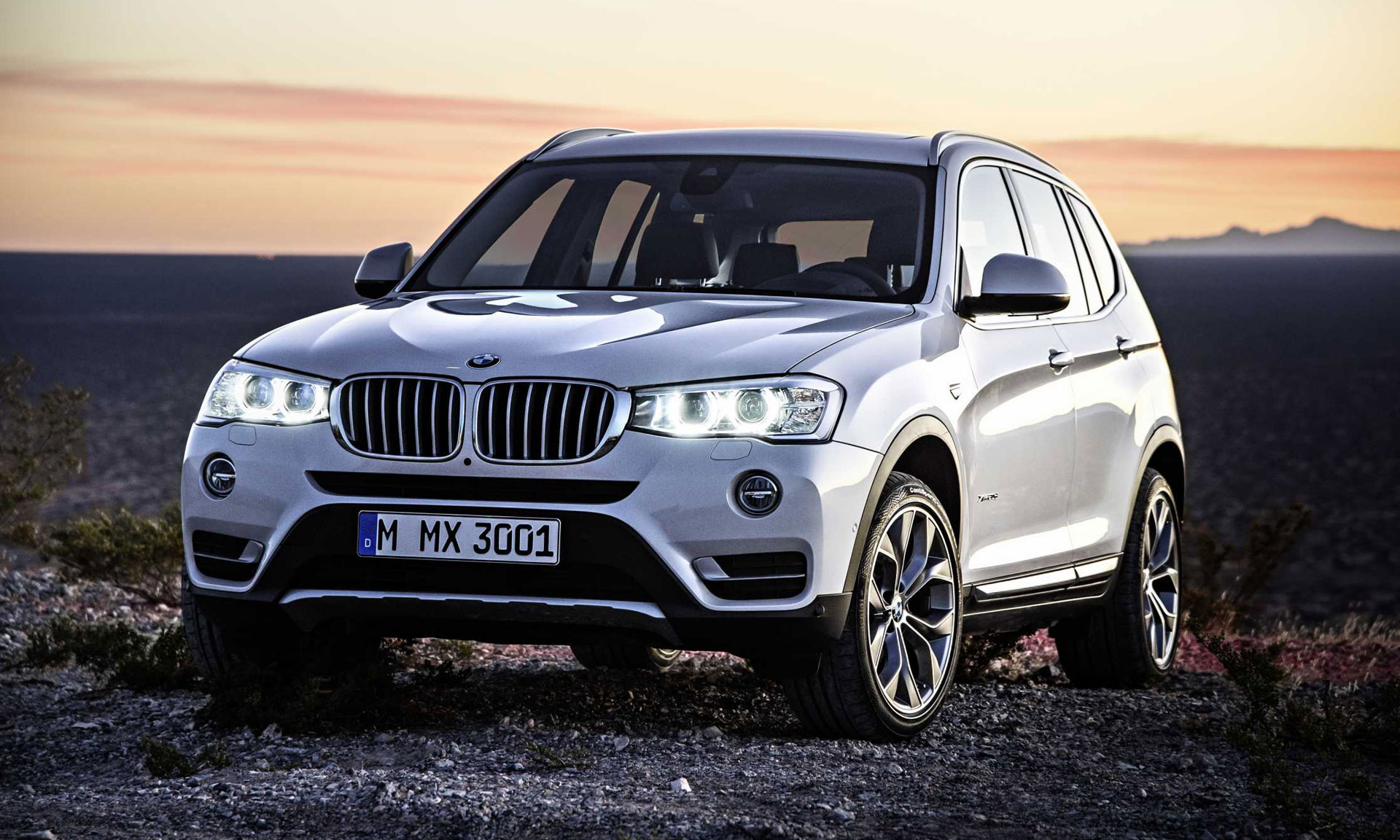
Image: Which
Run your registration through the official GOV.UK vehicle recall checker, which will tell you in seconds whether your car is on the list. From there a call to your local authorised BMW dealer with your reg or VIN will confirm the action against your specific car and book the fix.
The two minutes I wouldn’t skip
My position is simple. If your BMW was built between mid-2020 and mid-2022 and appears on that model list, treat this as a do-it-today job, not a someday one — check the reg, book the repair, and until it’s sorted, don’t leave the car idling unattended. The fix is free and the inconvenience is small; the downside of ignoring it is not. And if you’re shopping for a used BMW right now, make a clean recall check a condition of the deal rather than an afterthought. What would change my mind on the urgency? Only confirmation that your specific car has already had the work done — and the GOV.UK checker will tell you that too.
Buyer action
Where to check next
Use this as the final check before paying a deposit, signing finance paperwork or relying on a headline monthly figure.
We use cookies to make this site work, measure how it is used, and (with your consent) personalise advertising. Strictly necessary cookies always run. Analytics and advertising cookies run only if you accept. See our Cookie Policy and Privacy Policy.
Car Deal Expert — independent UK automotive publisher since 2008.