UPDATED · News · 24 Jun 2026 · Michael Harrison
Forty-four thousand UK cars, a free 30-minute fix, and a fault that gets more dangerous in the rain — that is the headline number from the Vauxhall recall that landed this spring, and it is only one of three live campaigns owners need to know about. When Autocar reported in April 2026 that Stellantis was pulling back 44,000 British cars over a fire risk, the Corsa and Mokka were front and centre. If you drive a recent Vauxhall, here is what is actually being recalled, why it matters, and the five minutes of admin I would not put off.
The big one: 44,000 mild-hybrids and a fire risk (Vauxhall recall UK)
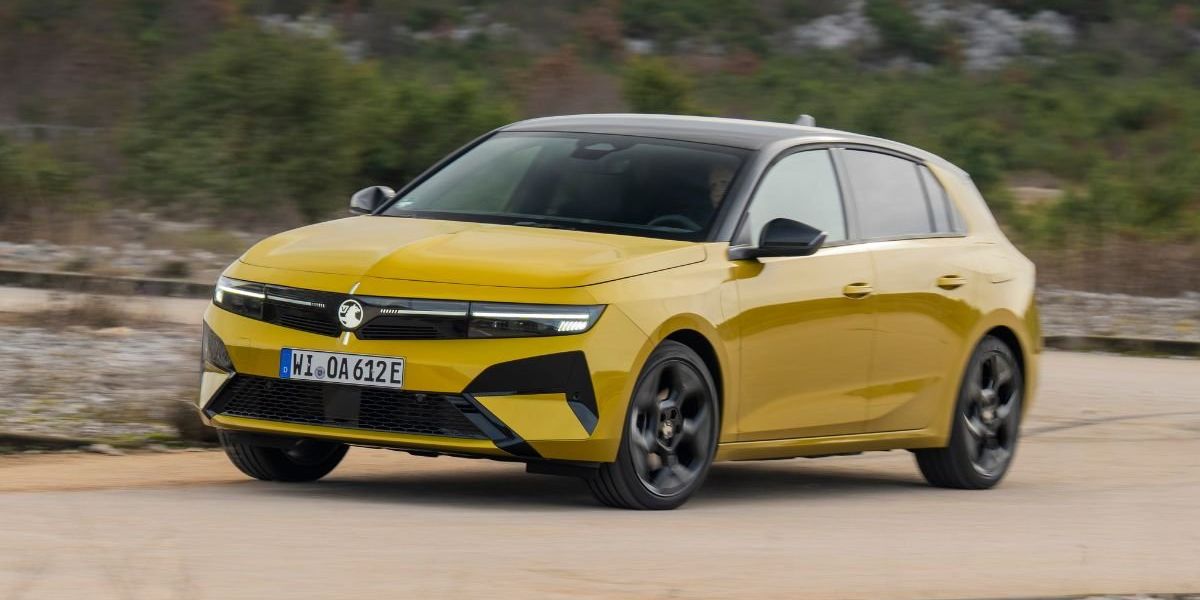
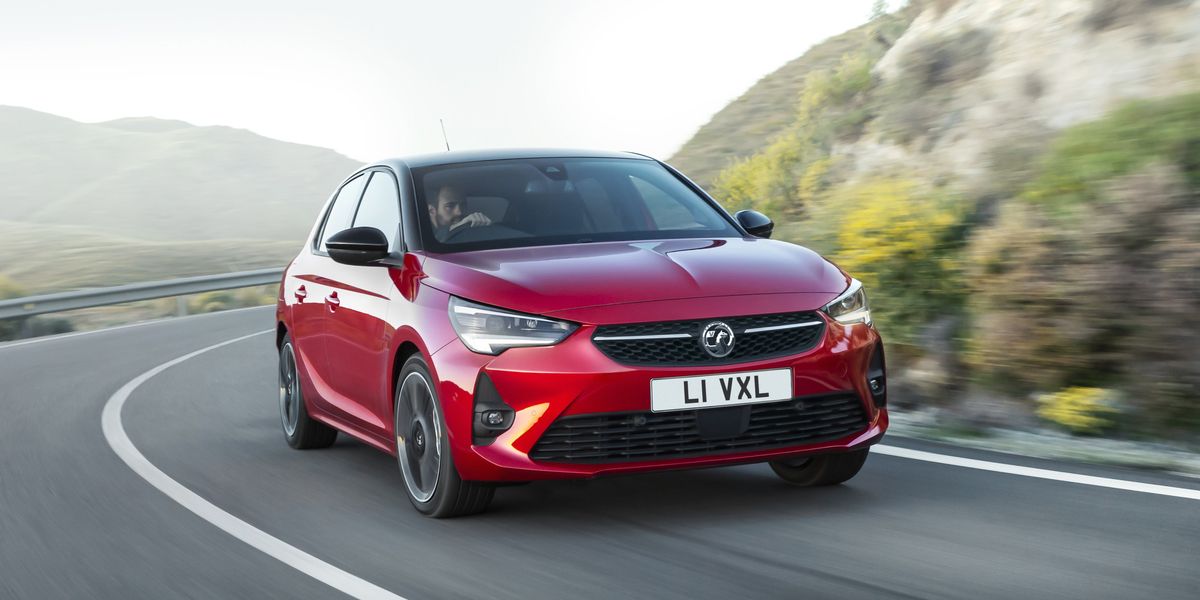
This is the recall with the scale and the scary word attached to it. The campaign covers roughly 44,000 cars in the UK — and around 700,000 globally — all fitted with the 1.2-litre mild-hybrid petrol engine. On the Vauxhall side that means the Corsa, Mokka and Frontera, built between 2023 and 2026, though the same engine spreads the problem across Peugeot, Citroen, DS, Fiat, Jeep and Alfa Romeo too.
The fault is a packaging one. As What Car? explains, there is insufficient clearance between the petrol particulate filter (GPF) pipe and the belt that drives the starter-generator. In the wrong conditions — and damp weather is the trigger — that can lead to electrical arcing, and arcing near a hot exhaust component is exactly the chain of events that ends in an engine-bay fire.
The reassuring part is the remedy. Auto Express notes the repair is a free, roughly 30-minute job: a dealer fits a protective cap and adjusts the clearance. No parts to wait months for, no courtesy-car saga. For a fire risk, that is about as painless as a fix gets.
A 30-minute fix for a fire risk is the easiest “yes” in motoring — the only real danger here is the owner who shrugs and books it for “sometime”.
The quieter one: 10,000 diesels with a part that can fall off
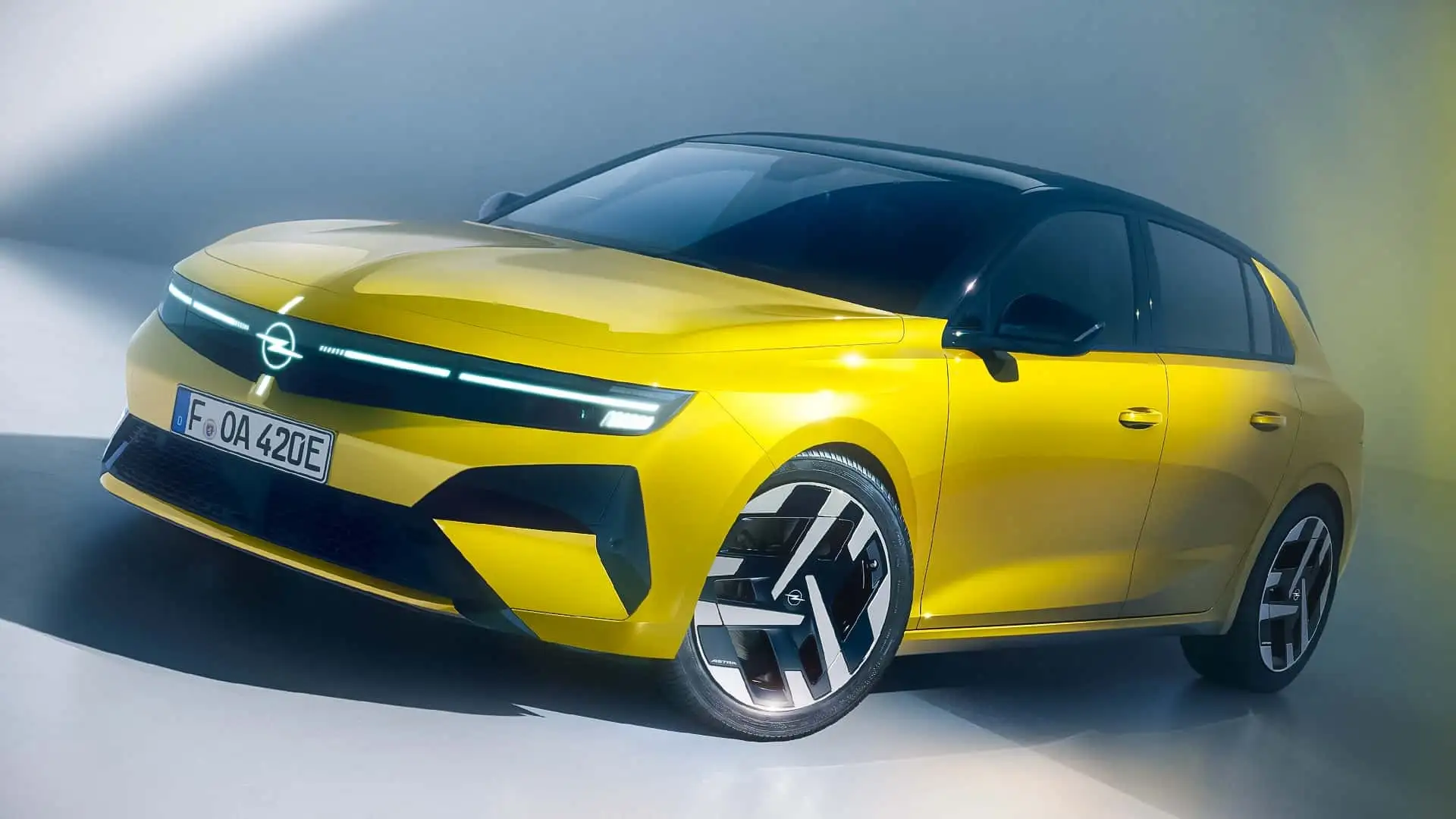
The second campaign got far less attention, and that is exactly why I am flagging it. In May 2026, Auto Express reported a separate recall of around 10,000 UK vehicles fitted with the 1.5-litre BlueHDi diesel. For Vauxhall that pulls in the Astra, Corsa, Combo and Vivaro, alongside the Peugeot and Citroen vans that share the engine.
Here the water pump pulley can detach. At best that means a sudden loss of drive; at worst, a detached component becomes debris inside a running engine bay. The build window is tight — October 2025 to February 2026 — so this is squarely a problem for the newest cars and vans on the road. The fix is bigger than the petrol job: a free water-pump kit replacement that takes about two and a half hours. Still free, still worth booking the moment you get the letter.
The one that never quite goes away: Takata airbags
If you run an older Vauxhall or Opel, there is a third, slower-burning issue. The Takata airbag saga is still live in 2026, and Vauxhall continues to run a dedicated recall programme for the degrading inflators. The cars that tend to surface under that long-running programme reach back across the Astra H and J, Mokka, Meriva, Zafira C and Vectra, plus Chevrolet’s Aveo and Trax, but the only authoritative, up-to-date list is the government’s recall record itself, so the VIN check below is what settles whether your exact car is covered.
The mechanism is the one that made global headlines: degrading inflators that can, in the worst cases, rupture and fire metal fragments into the cabin. Replacement airbags are fitted free of charge. Because these cars are now well into the used market — and may have changed hands several times — owners cannot assume a previous keeper sorted it. Checking the VIN is the only way to be sure.
How to check your car in five minutes
This is the bit that actually protects you, and it is genuinely quick. Start with the government’s free DVSA recall checker, which works from your registration and covers every manufacturer and every one of these three campaigns. If it flags an outstanding action against your car, call any Vauxhall dealer with your VIN to book the fix; you do not need to have bought the car there.
Two practical notes. First, a recall is tied to the car, not the owner — so if you have bought a used Corsa, Mokka or Astra recently, the letter may have gone to an address you have never lived at. Don’t wait for the post; check the VIN yourself. Second, all three repairs are free, and a manufacturer recall does not depend on the car being in warranty or serviced at a main dealer. There is no upsell here to be wary of.
What I’d do this week
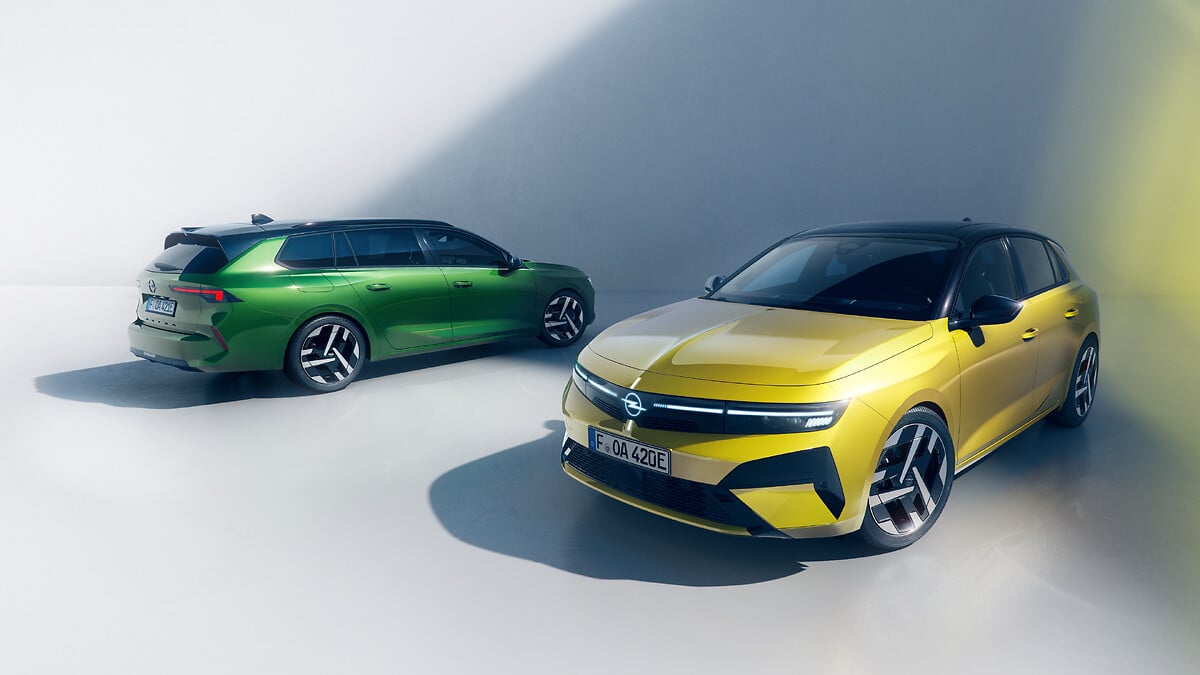
If you drive a 2023-onward Corsa, Mokka or Frontera, treat the fire-risk recall as a do-it-now item — a damp British autumn is not the season to gamble on clearance tolerances, and a half-hour appointment closes it out completely. If you run a recent Astra, Combo or Vivaro diesel from that October 2025-February 2026 window, book the water-pump job before any long motorway run. And if your Vauxhall is the older sort, the one with a few owners behind it, spend the five minutes on the VIN check regardless of what you think a previous keeper did — Takata is the one recall where “probably fine” is not good enough. None of this costs a penny. The only thing it costs is the inertia of not booking it, and on a fire risk, that is a price I wouldn’t pay.
Buyer action
Where to check next
Use this as the final check before paying a deposit, signing finance paperwork or relying on a headline monthly figure.