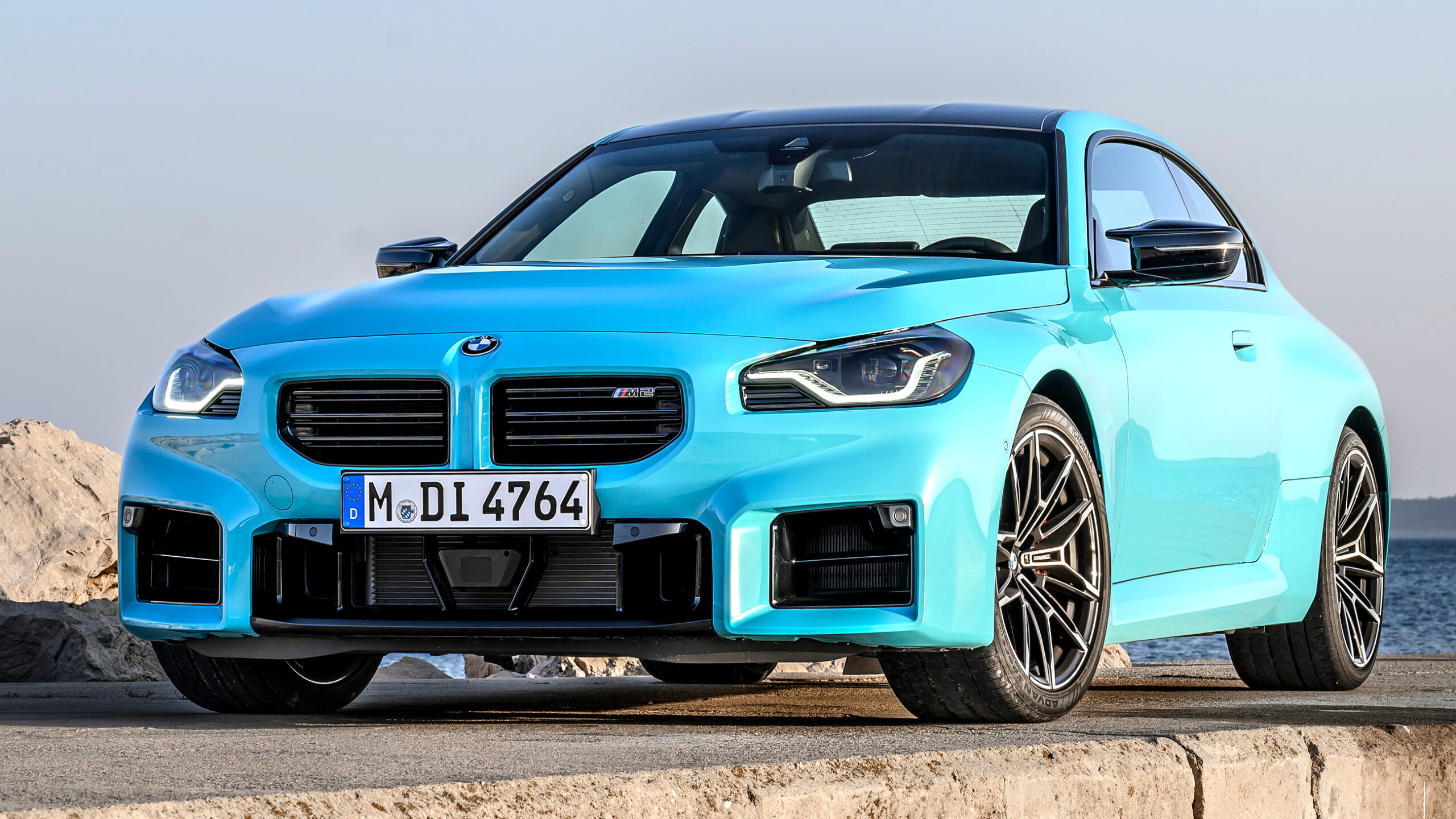
Modified car insurance trips up M, RS and AMG owners, and the mistake is rarely the modification itself but the failure to declare it. A remap, bigger wheels or a louder exhaust changes the risk an insurer prices, and UK law makes you declare it. Get it wrong and a voided policy follows.
What real owners say (CDE data)
- Most-praised aspects: specialist brokers will rate a sensible build fairly; declaring mods can lower a premium rather than raise it; agreed-value cover removes the haggle after a write-off.
- Most-criticised aspects: mainstream insurers refusing common mods; owners assuming dealer-fit “factory options” never need declaring; claims queried at the point of loss, not at quote.
- Reliability signal: specialist modified-car insurers report that big performance changes such as a turbo upgrade can raise a premium substantially, with exhaust and wheel changes more modest, while FOS non-disclosure decisions turn on whether the owner declared the change.
What actually counts as a modification on an M, RS or AMG
Insurers treat a modification as any change that moves the car away from its factory build, and the list is broader than most owners expect. The headline items are the obvious ones: an ECU remap or tune, a turbo or supercharger upgrade, a cat-back or downpipe exhaust, coilovers or lowering springs, bigger brakes, and non-standard wheels and tyres. Cosmetic changes count too: a bodykit, a splitter, a wrap, tinted windows, and uprated in-car entertainment (ICE) such as an aftermarket head unit. Even a panel filter or induction kit is declarable. Alloy wheels, exhaust changes and suspension work are among the most commonly declared mods, so specialist underwriters know them well.
The line that catches owners out is the soft one. A remap that adds 60bhp to an RS3 is plainly a performance change, but a quad-tip exhaust, a set of lightweight forged wheels or a stiffer anti-roll bar is just as declarable because it alters performance, value, repair cost or theft appeal. Our look at why BMW M and Audi RS insurance sits so high explains how performance and repair complexity feed the quote in the first place.
Factory options versus aftermarket: where the grey area sits
A genuine factory option fitted on the production line, the AMG carbon-ceramic brakes or the BMW M Driver’s Package ordered as original equipment, is part of the car’s specification and is usually captured by the registration and VIN. Still confirm the exact trim and options at quote, because two cars on the same plate can carry very different specifications and values. The grey area is the dealer-fit accessory: an M Performance exhaust or an AMG aero kit added after registration is an accessory, and an insurer may treat it as a modification even though it came from the manufacturer’s catalogue. When in doubt, declare it and let the underwriter decide.
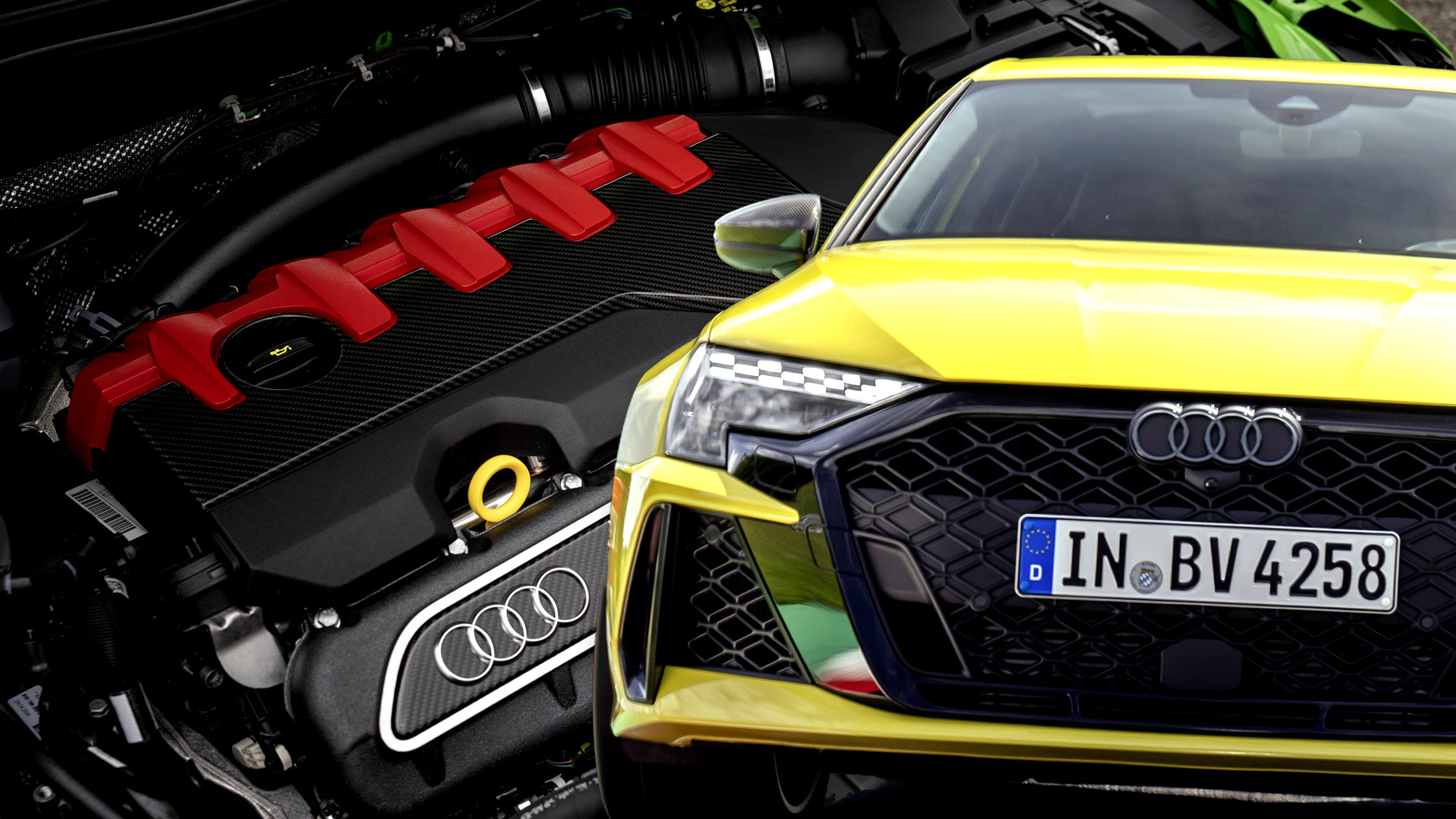
This matters most on approved-used buys, where a previous owner may have added parts the dealer never logged. Treat the car as modified until the build sheet proves otherwise. Our guide to high-value car insurance over £50,000 sets out the wider declaration list an underwriter expects to see.
Why you must declare under the Consumer Insurance Act 2012
The legal backbone is the Consumer Insurance (Disclosure and Representations) Act 2012 (2012 c.6). It replaced the old duty to volunteer everything with a clearer duty to take reasonable care not to make a misrepresentation when you take out, renew or change a policy. In practice that means answering the insurer’s questions honestly and completely, including the modification questions. The Act splits a misrepresentation into careless or deliberate/reckless, and the remedy scales with that.
The consequences are not theoretical. A careless misrepresentation can see a claim reduced proportionately or the policy rewritten on the terms the insurer would have offered had it known. A deliberate or reckless one can void the policy outright, keep the premium and refuse the claim, leaving you uninsured at the moment of a loss and exposed to a third-party bill. The Financial Ombudsman Service regularly publishes decisions where an undeclared modification decided the outcome, and the deciding question is almost always the same: did the owner declare the change.
How modifications change the premium and the Thatcham group
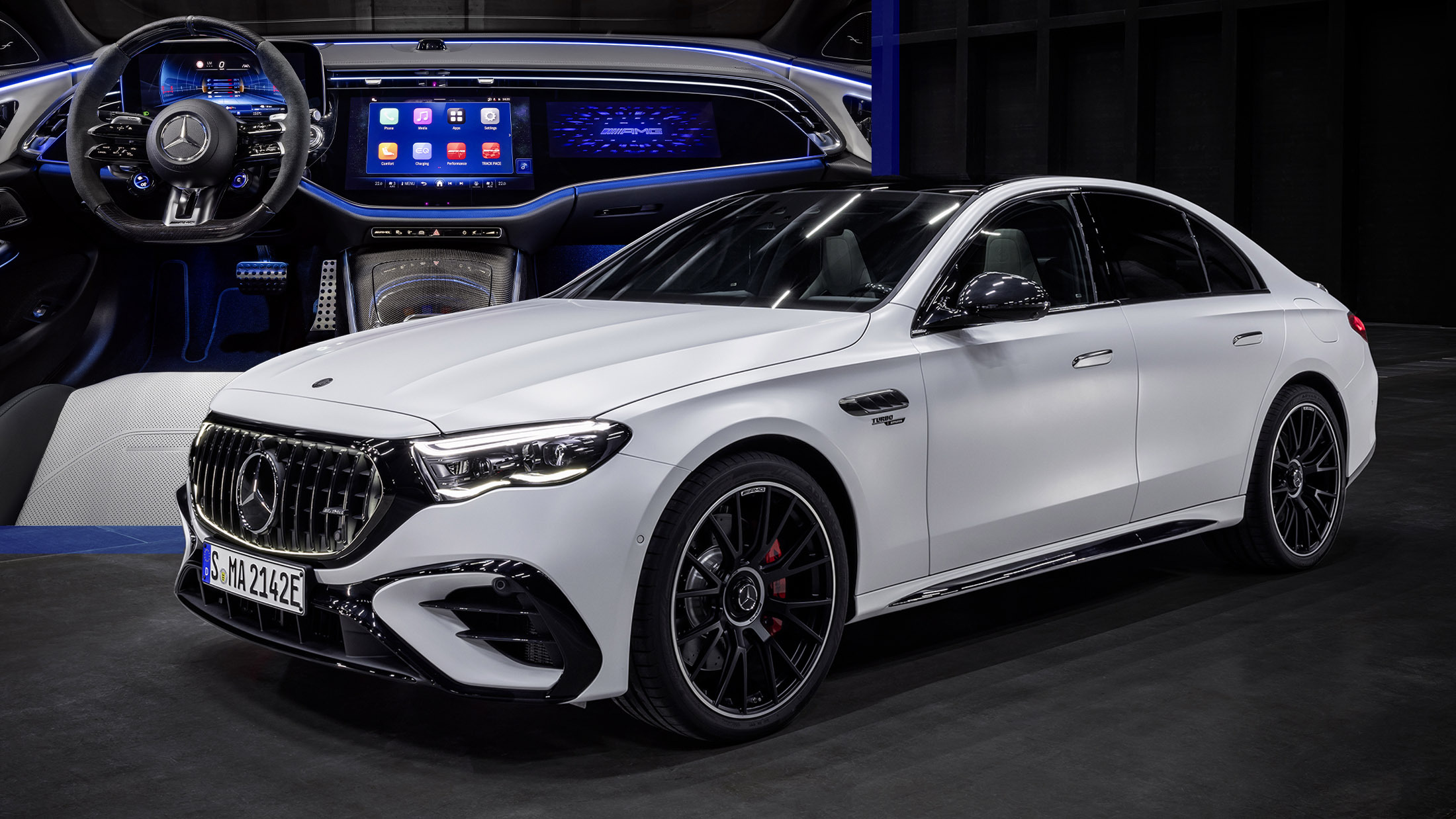
Every mainstream car sits in a Thatcham Research insurance group from 1 to 50 (now moving to the newer five-part Vehicle Risk Rating), set from repair cost, new value, performance and security. M, RS and AMG cars already sit near the top because they are fast, expensive to repair and attractive to thieves. A modification can push the assessed risk higher again: a remap lifts performance, an aftermarket exhaust or bodykit raises repair cost, and uprated ICE or wheels raise theft appeal. That is why specialist modified-car insurers warn that a big performance change such as an aftermarket turbo can raise a premium substantially, with exhaust and wheel changes more modest.
The counter-intuitive part is that declaring can lower the bill. Mainstream insurers often load a modified car heavily or decline it, while a specialist scheme underwrites the build properly and prices it accurately. Specialist modified-car schemes say owners who move from a loaded mainstream quote can save a meaningful sum, so it pays to compare a dedicated scheme rather than assume a modified car is always dearer. The table below sets out the Thatcham factors a modification can move.
| Modification type | Thatcham factor it moves | Typical premium effect |
|---|---|---|
| ECU remap / tune | Performance, repair cost | Significant uplift; turbo or supercharger upgrade the largest |
| Cat-back / aftermarket exhaust | Repair cost, performance | More modest uplift than a power upgrade |
| Coilovers / lowering springs | Performance, repair cost | Moderate uplift |
| Non-standard wheels and tyres | Repair cost, theft appeal | Common declared mod; moderate uplift |
| Bodykit / splitter / wrap | Repair cost, value | Cosmetic; varies by part cost |
| Uprated ICE / brakes | Theft appeal, repair cost | Varies; ICE raises theft risk |
Modified car insurance schemes worth knowing for an M, RS or AMG
For a heavily built M, RS or AMG, a specialist broker usually beats a price-comparison panel. Adrian Flux runs a dedicated modified scheme and publishes its acceptance of performance and cosmetic mods; Lancaster Insurance and Footman James lean toward modern-classic and enthusiast cars and offer agreed value on the right build; Hagerty UK focuses on collectible and appreciating performance cars.
We compare two of these in detail in our piece on Hagerty UK versus Adrian Flux for a used Porsche 911, and our Footman James and Lancaster comparison for a modern-classic JLR or BMW M covers the enthusiast end. Read each scheme’s own eligibility page before you commit, because acceptance criteria differ by car, mileage and the exact build.
Agreed value and the photo record you should keep
On a modified or appreciating performance car, agreed value prevents a fight after a total loss. A standard market-value policy pays what the insurer reckons the car was worth, which rarely reflects a careful build. An agreed-value policy fixes the figure up front, backed by photos and, where required, a valuation. Our explainer on agreed value versus market value cover sets out when it is worth paying for, and the same logic that drives Range Rover insurance costs high, repair complexity and theft, applies to a modified M or AMG.
The clip above is BMW M’s official launch film for the M2 CS, here to show the kind of factory-fast car this guide is about. The insurance discipline is the same whether the speed came from the factory or from a remap: declare the build and insure it honestly.
Document the build before you need to. Photograph each modification in good light, keep receipts and fitting invoices, note part numbers, and record the odometer. Date the photos. If the worst happens, that file is the difference between a smooth agreed-value settlement and an argument you will probably lose. Keep a copy off the car, in cloud storage, so a stolen vehicle cannot take the evidence with it.
Your practical modified-car declaration checklist
Before you buy a policy or add a part, work through this. List every change from factory, performance and cosmetic, including parts a previous owner fitted. Confirm the exact trim and any genuine factory options against the build sheet or VIN. Declare the full list at quote and again at renewal, and tell the insurer before you fit anything new rather than after. Ask whether a specialist modified scheme prices the build better than the mainstream panel, and whether agreed value is available. Build the photo-and-receipt record described above. Finally, check the policy schedule lists each declared mod in writing; if a change is missing from the schedule, it is not covered. You can confirm any broker’s authorisation for free on the FCA register.

Modified car insurance on an M, RS or AMG is straightforward once you accept the rule that matters: declare everything, in writing, at quote and at renewal. The modifications themselves are not the problem. Specialist brokers underwrite remaps, exhausts, coilovers and wheels every day, and declaring a sensible build can cut your premium rather than inflate it compared with a loaded mainstream quote. The real risk is silence. Under the Consumer Insurance Act 2012, an undeclared change can see a claim refused or the policy voided, the worst outcome for a car worth tens of thousands. Our view: treat the declaration list and photo record as part of the build, not an afterthought. Use a specialist scheme for anything beyond mild cosmetic work, take agreed value on a careful or appreciating car, and confirm every declared mod appears on the schedule. Do that and you keep the fun without carrying the uninsured risk.
For the wider picture on covering a fast, expensive car, our overview of premium EV and performance insurance and the rest of our car insurance guidance cover the repair-cost and theft drivers behind every quote.
Do I have to declare every modification on my car insurance?
What happens if I do not declare a modification?
Do factory options count as modifications?
Will declaring modifications always raise my premium?
Should I take agreed value on a modified performance car?
What should I photograph and document for a modified car?
Buyer action
Where to check next
Use this as the final check before paying a deposit, signing finance paperwork or relying on a headline monthly figure.