High-value car insurance for anything over £50,000 is a different product to the policy on a family hatchback, and treating it the same is how owners of a Range Rover, Porsche or BMW M end up short at a total loss. The gap that catches people is agreed value versus market value, because a standard policy pays what the car is worth on the day, not what you paid. Get the valuation, the security and the declarations right and the cover holds; get them wrong and an insurer can pay less, or nothing.
What real owners say (CDE data)
CDE cross-referenced the published Trustpilot ratings of three named high-value specialists (Adrian Flux, Hagerty UK and Footman James), DVLA most-stolen-car data reported in May 2024, and the duty set out in the Consumer Insurance (Disclosure and Representations) Act 2012, checked 1 June 2026.
- Most-praised aspects: tailored valuations for modified or limited-mileage cars, named specialists scoring well on Trustpilot (Hagerty UK around 4.7, Adrian Flux and Footman James around 4.4), and access to manufacturer-approved repairer networks rather than the cheapest bodyshop.
- Most-criticised aspects: claims-stage disputes over what “market value” actually means, mid-term admin fees, and frustration when a mainstream insurer refuses to fix agreed value on a daily-driven modern car.
- Reliability signal: premium SUVs and saloons sit in the highest Thatcham insurance groups (40 to 50) because of parts and repair cost, and theft risk is real: the Ford Fiesta topped DVLA’s most-stolen list with 4,446 cars, while Range Rover Sport thefts fell 47% year on year after Land Rover spent more than £25m on security updates.
Why insuring a £50,000 car is a different job
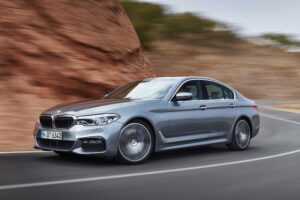
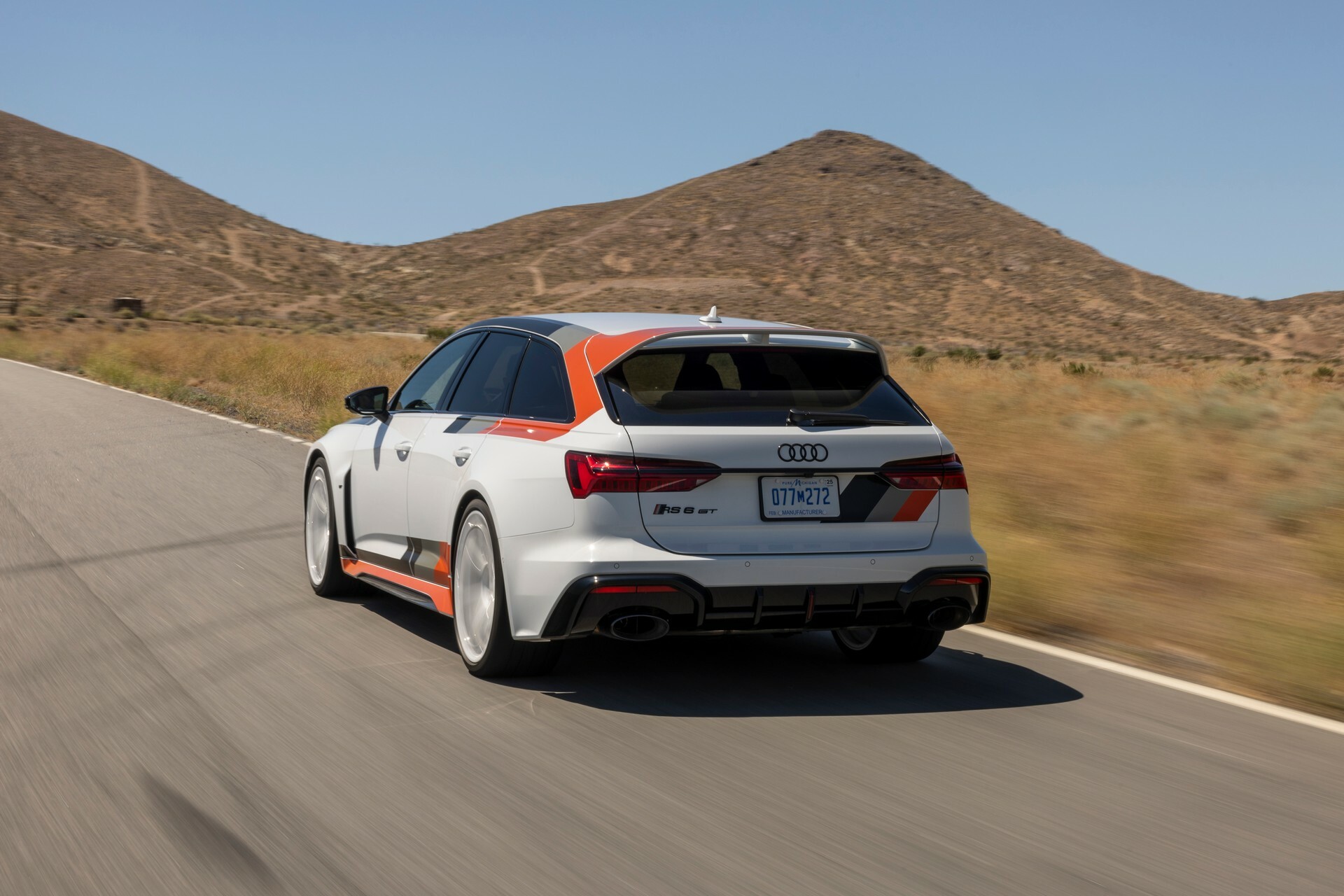
A £55,000 Range Rover Sport, a £70,000 Porsche Cayenne or a six-figure Audi RS6 Avant GT carries risks a mainstream quote engine is not built to price. Parts cost more, panels are aluminium or carbon, and a front-end knock that writes off a Fiesta is a five-figure repair on an AMG. That feeds straight into the Thatcham insurance group: most of these cars sit at group 40 to 50, the very top of the scale, which is why the premium is high before you have added a single mile. The other half of the problem is settlement. If the worst happens, the number on the cheque depends entirely on the valuation basis you chose at the start, and most owners never chose at all.
Agreed value versus market value, and why it decides your payout
This is the single most important distinction in high-value car insurance. A standard comprehensive policy settles a total loss at market value, which the Financial Ombudsman Service defines as the cost of buying a comparable replacement of the same make, model, age, mileage and condition, not what you paid and not what you still owe on finance. Insurers usually anchor that figure to trade guides, so a settlement can land below what the owner expects. Agreed value works differently: you and the insurer fix a figure in advance, backed by photos and often an independent valuation, and that is what gets paid if the car is written off. The catch in the UK is that true agreed value is mostly the preserve of classic, specialist and limited-mileage policies, which is exactly why names like Hagerty UK and Footman James come up. On a daily-driven modern Range Rover or Porsche, many mainstream insurers will only offer market value, so the protection is in choosing a provider and policy that will actually fix a number.
Specialist and high-value insurers versus the mainstream
The comparison-site default is built around volume motoring, not a £70,000 performance car with modifications and a low annual mileage. Specialist insurers and brokers such as Hagerty UK, Adrian Flux, A-Plan, Lancaster and Footman James exist precisely for this market: they underwrite modified, imported, limited-mileage and modern-classic cars that a mainstream panel either loads heavily or declines. The trade-off is that a specialist often quotes a higher headline premium but offers terms a mainstream policy cannot, such as agreed value, multi-car arrangements, salvage-retention rights and laid-up cover. We treat these as the type of provider to compare rather than a recommendation, and the right answer depends on how the car is used. A car that does 3,000 miles a year and lives in a garage is a very different risk from a 15,000-mile daily commuter, and a specialist will price that nuance where a broad panel will not.
Approved repairers and manufacturer-approved bodyshops
Where your car gets fixed after a claim matters more on a premium car than almost anything else in the policy. Mainstream insurers steer claims into their own approved-repairer network, which keeps costs down but does not guarantee a manufacturer-approved bodyshop with the jigs, paint and training for aluminium-bodied Land Rovers or AMG carbon panels. A repair done outside the manufacturer scheme can affect resale value, future warranty goodwill and the integrity of advanced driver-assistance calibration. Better high-value policies either use manufacturer-approved repairers as standard or let you nominate the franchised bodyshop. Before you sign, ask the insurer in writing whether repairs go to a manufacturer-approved centre, whether genuine parts are used, and whether you can choose your own repairer. On a Porsche or a Range Rover, the answer to those three questions is worth more than a small saving on the premium.
Security: Thatcham trackers, immobilisers and the keyless problem
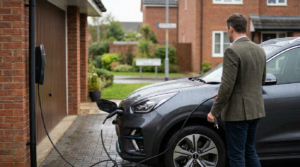
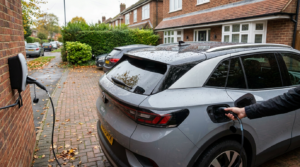
Premium cars are stolen to order, usually through a relay attack that amplifies a keyless fob’s signal from inside the house. Thatcham Research, which sets the UK’s vehicle security standards, has rated keyless vulnerability for years and the data shows why insurers care: while overall UK theft fell around 6% in 2024, premium SUVs and saloons remain prime export targets. Insurers respond by making security a condition of cover. Many high-value and specialist policies require a Thatcham-approved tracker (typically S5 or S7) and an aftermarket immobiliser before they will quote, and some will not insure certain models without one. The owner’s side of this is simple: store keys in a signal-blocking pouch, fit the tracker the policy specifies, and keep the proof. If a stolen car had no working tracker the policy demanded, the claim is exposed.
What you must declare, and what non-disclosure does to a claim
Consumers no longer owe the old “utmost good faith” duty to volunteer everything. Under the Consumer Insurance (Disclosure and Representations) Act 2012, your duty is to take reasonable care not to make a misrepresentation when you answer the insurer’s questions. That sounds softer, but it bites: if you answer carelessly or deliberately give wrong information, the insurer can reduce a claim proportionately or, for a deliberate or reckless misrepresentation, avoid the policy and refuse to pay. The declarations that most often trip up premium owners are modifications (wheels, remaps, exhausts, body kits), annual mileage, who the main and named drivers really are, where the car is kept overnight, and any business use. Answer the actual question accurately and keep a record. A remap you forgot to mention or a mileage figure you guessed low can turn a valid claim into a partial or refused one.
Modifications, mileage, garaging and business-use declarations
Each of these is a specific risk factor an insurer prices, and getting one wrong is the fastest route to a dispute. Modifications change value and theft appeal, so a specialist that will note them on an agreed value is safer than a mainstream policy that may treat an undeclared mod as a material misrepresentation. Mileage matters because a low-mileage garaged car is a cheaper risk; declare it honestly rather than optimistically. Garaging and overnight location feed both theft and the postcode rating, so the address where the car actually sleeps is the one to give. Business use is the quiet trap: commuting, “social, domestic and pleasure”, and genuine business mileage are different classes, and a director using a car for client visits on a personal-use policy may not be covered for an at-work incident. If you are weighing what happens to the finance shortfall after a write-off, our guide to GAP insurance on a £60,000 Range Rover after the FCA review shows where a market-value settlement can leave you out of pocket.
How an agreed value is actually set
Setting an agreed value is not a number you invent. The insurer or its appointed valuer wants evidence: a set of dated photographs covering the exterior, interior, engine bay and any modifications, the service history, mileage, and often an independent valuation or a recent sales record for comparable cars. On rare or modified examples the insurer may ask for a club or specialist valuation. Once accepted, the figure is written into the schedule and reviewed at renewal, because values move. The discipline is to keep the valuation current: if the car appreciates and you do not update it, you are underinsured; if it depreciates and you do not adjust, you are paying for cover you cannot claim. For most modern premium cars the realistic protection is a provider that will fix a number with photographic evidence, not a vague promise to “settle fairly”.
For a worked example of agreed value against standard cover on a single car, our explainer on Jaguar F-Type insurance and the agreed value question shows how the valuation basis changes the payout on a real model.
What high-value car insurance actually buys: a cited specs view
The table below sets out the features that separate a high-value policy from a mainstream one, and where each fact comes from. None of these is invented: each row reflects an FCA, FOS, Thatcham or legislative source.
| Feature | Mainstream policy | High-value / specialist policy |
|---|---|---|
| Total-loss basis | Market value (comparable replacement) | Agreed value available on eligible cars |
| Repairer | Insurer approved network | Manufacturer-approved bodyshop / own choice |
| Modifications | Often loaded or excluded | Underwritten and noted on the valuation |
| Security required | Standard immobiliser | Thatcham-approved tracker (S5 / S7) often mandatory |
| Mileage / use | Broad bands | Limited-mileage and laid-up options priced precisely |
Checks to run before you insure a £50,000-plus car
Run these before you pay a premium, in this order. They are the points that decide whether a claim is paid in full.
- Confirm the valuation basis in writing: is it market value or agreed value, and what evidence does the insurer want to fix the figure?
- Check the security requirement on the Thatcham Research standard your model needs, and fit the exact tracker the policy specifies before cover starts.
- Ask whether repairs go to a manufacturer-approved bodyshop and whether genuine parts are guaranteed.
- List every modification, your real annual mileage, the overnight address and any business use, and answer each question accurately under the Consumer Insurance (Disclosure and Representations) Act 2012.
- Compare a mainstream quote against a specialist such as Hagerty UK, Adrian Flux or Footman James to see what agreed value and limited-mileage terms cost.
- Check that the insurer is FCA authorised on the FCA register, and know that a dispute can go to the Financial Ombudsman Service for free.
High-value car insurance is worth the extra effort the moment the car is worth more than the trade guide says, or once it carries modifications, low mileage or a manufacturer-approved repair requirement. If you own a £50,000-plus Range Rover, Porsche, BMW M, Audi RS or AMG, our view is that the valuation basis matters more than the headline premium: a market-value policy that pays the trade figure can leave you thousands short, while a provider that will fix a number on photographic evidence protects what you actually own. We would compare a mainstream quote against a named specialist, insist on a manufacturer-approved bodyshop, fit the exact Thatcham tracker the policy demands, and answer every declaration question accurately rather than optimistically. The buyer who walks away from a high-value policy is the one with a near-standard, average-mileage car where a mainstream comprehensive quote already pays market value and asks for nothing unusual. Everyone else should treat the cheapest quote with suspicion and read the settlement clause first.
Is agreed value available on a daily-driven £60,000 Range Rover?
What does market value mean if my car is written off?
Why is high-value car insurance so expensive?
Do I have to fit a Thatcham tracker on a premium car?
Can a claim be refused if I got a declaration wrong?
Should I use a specialist insurer or a comparison site?
Related reading on CDE
Buyer action
Where to check next
Use this as the final check before paying a deposit, signing finance paperwork or relying on a headline monthly figure.