Car Deal ExpertIndependent UK car-buying guidance: premium used cars, finance, salary-sacrifice EVs, insurance, recalls and consumer protection since 2008.
The 76-plate lands on 1 September 2026, adding 50 to the year for UK car registrations. Learn how it works.
Add 50 to 26 and you get the headline number for the British car market’s second-biggest day of the year. From 1 September 2026, every new car registered in Great Britain will wear a “76” age identifier , XX76 XXX , and the DVLA’s own vehicle registration guidance (INF104) sets out exactly why. It is not a typo, not a rebrand, and not a quirk. It is the system working precisely as it was designed to back in 2001 , and understanding the arithmetic tells you more about when to buy than any forecourt banner will.
Here is the short version. The 76-plate replaces the 26-plate that has been on new cars since 1 March 2026. As Auto Trader explains, the two-digit age identifier follows a deliberately split convention: March releases simply take the year (26), while September releases add 50 to it. So September 2026 becomes 26 + 50 = 76. Come March 2027 the cycle resets to “27,” and the following September will read “77.” There is no mystery here, just a formula that has quietly governed UK plates for a quarter of a century.
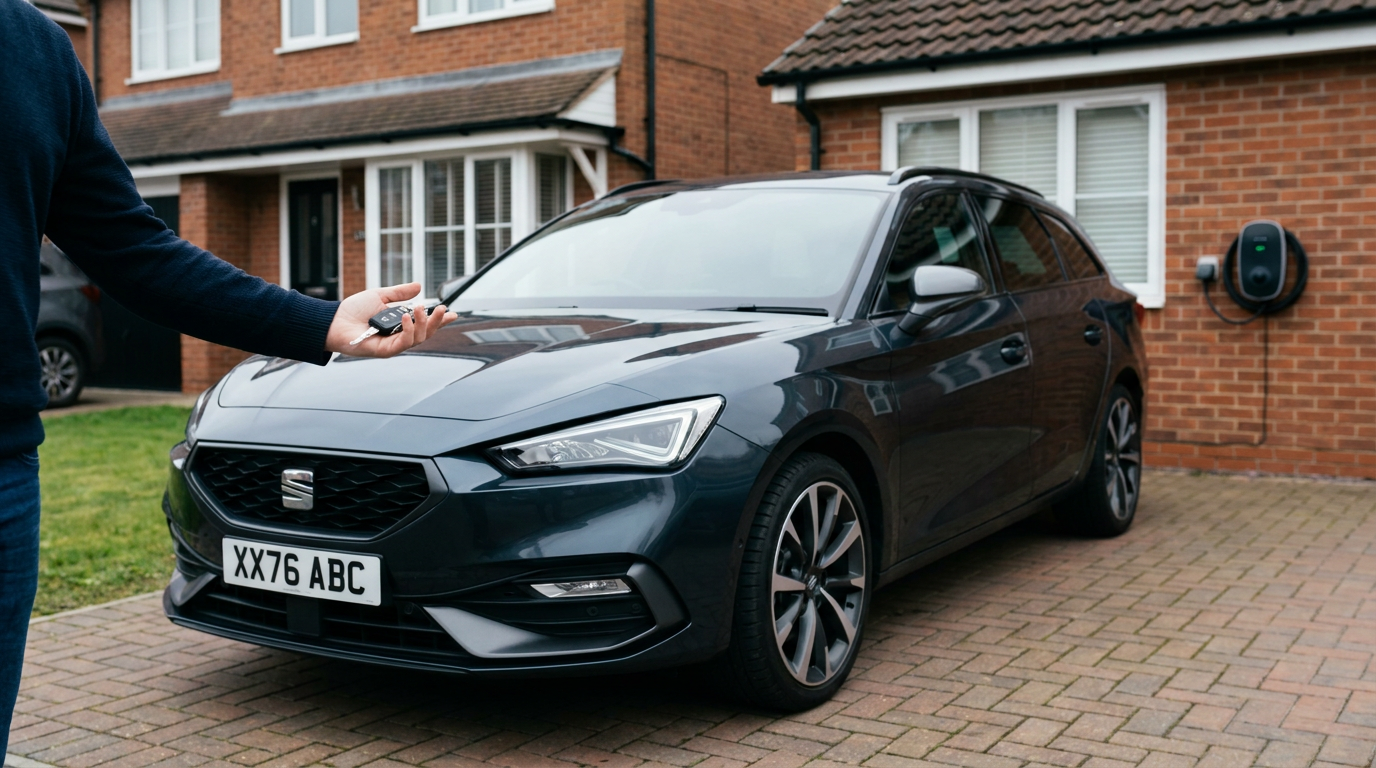
Image: CDE
Why “76” and not “26” (76-plate)
The reason for the +50 trick is purely practical. Britain moved to twice-yearly plate releases to smooth out the registration spikes that used to cripple dealers every August. To keep the two annual batches visually distinct, the autumn identifier was pushed into the 51–99 band. As New Reg sets out, that means a glance at the middle two digits tells you not just the year a car was first registered but the half of the year too. A 76-plate car was registered between September 2026 and February 2027. A 26-plate car came earlier, between March and August 2026. Same calendar year, six months apart, and the number plate makes the difference legible at twenty paces.
That legibility is the whole point of the format. The current “new-style” registration , two letters, a two-digit age identifier, then three letters , was introduced on 1 September 2001 and engineered to run all the way to February 2051. The 76-plate, then, sits almost exactly halfway through the scheme’s planned 50-year life. We are at the midpoint of a numbering system most drivers never think about until they are about to spend thirty grand on a car wearing it.
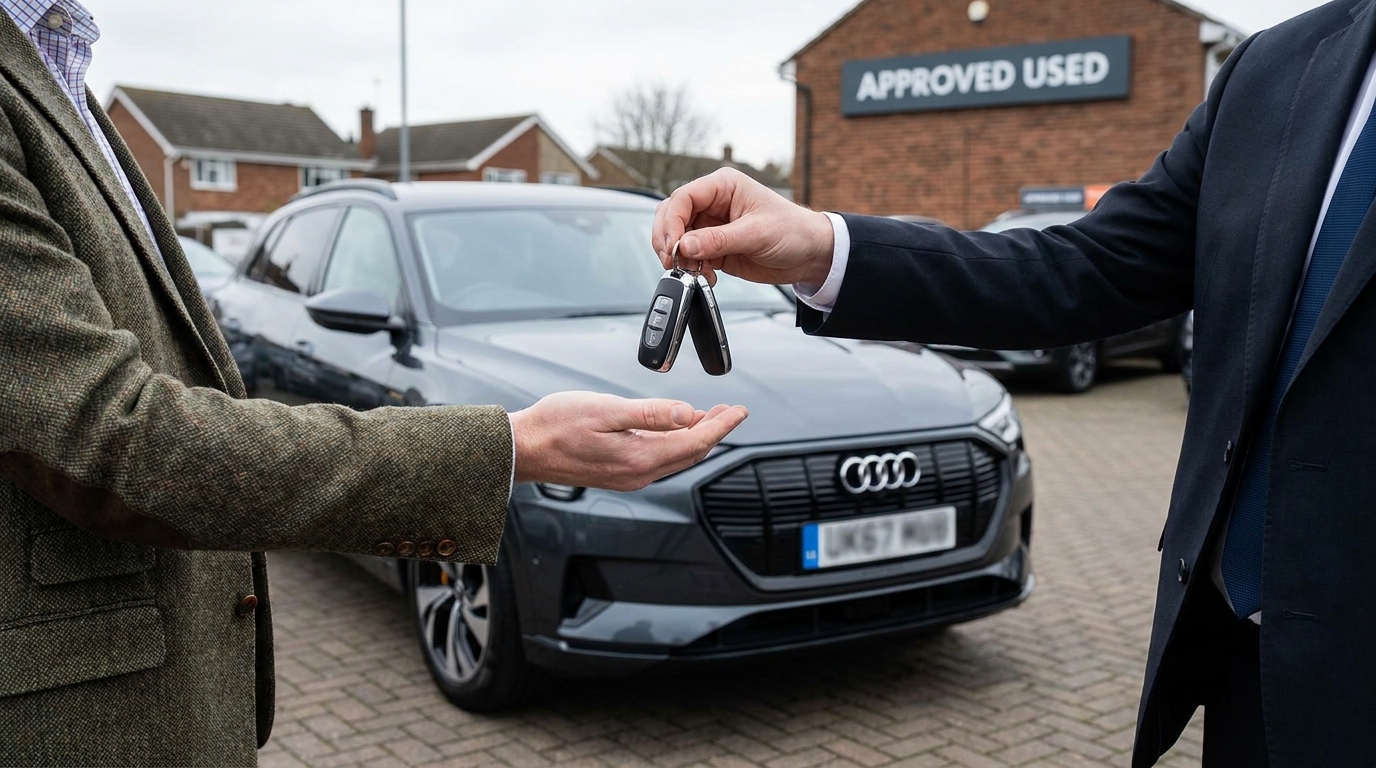
Image: CDE
How long the 76-plate lasts
The 76 identifier runs from 1 September 2026 to 28 February 2027, after which the March 2027 “27” plate takes over under the usual six-monthly changeover , a timetable confirmed by both the DVLA guidance and webuyanycar’s plate guide. That six-month window matters more than it looks, because it shapes the two things buyers actually care about: the price of a new car and the resale value of the one they are trading in.
A plate is a date stamp you cannot peel off. For years it tells every future buyer the exact half-year your car rolled off the line , and that is precisely why the changeover is a negotiating lever, not a marketing gimmick.
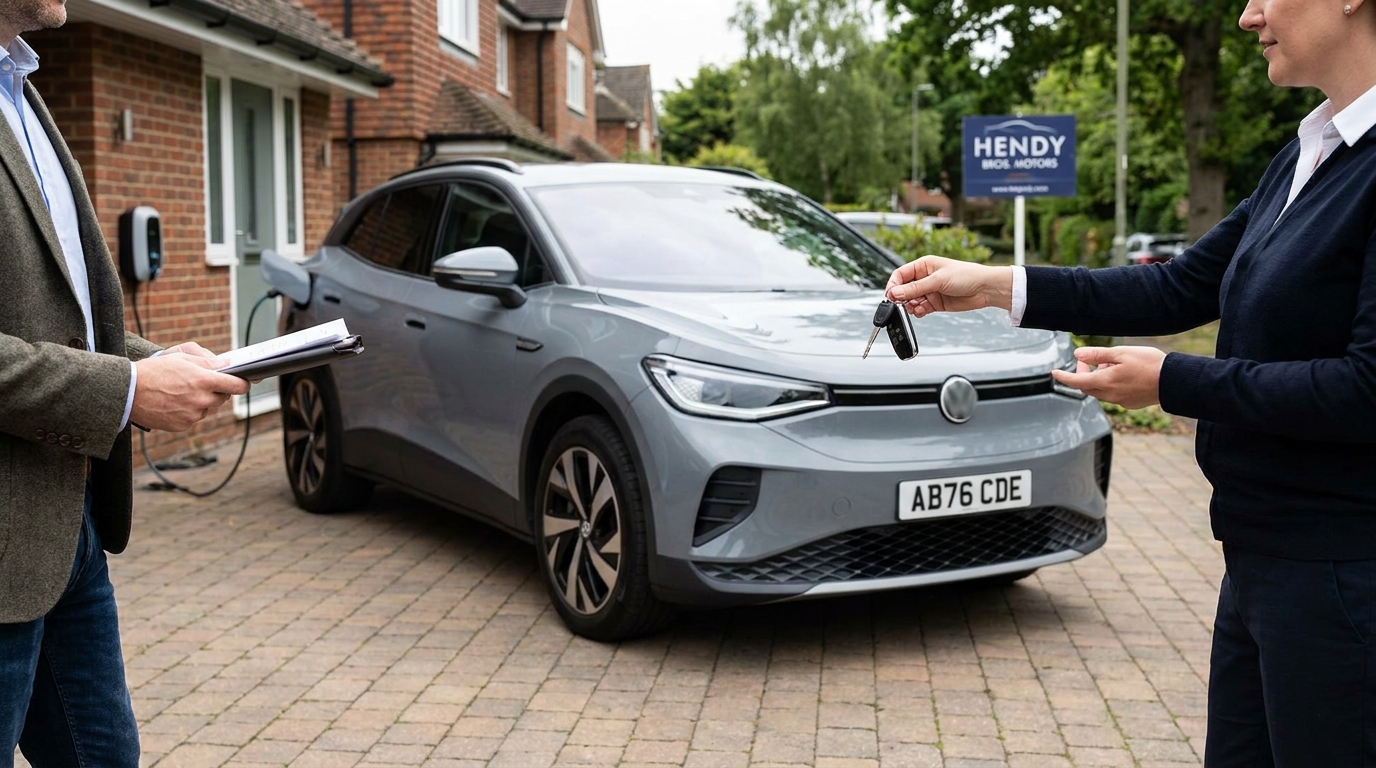
Image: CDE
What it means if you’re buying
If you are chasing the freshest possible plate for status , and plenty of buyers genuinely are , then 1 September is your date, and you should have your order locked weeks in advance, because September is one of the two busiest registration months in the calendar and the best allocations go early. The flip side is that the run-up to a plate change is traditionally where dealers are keenest to shift the outgoing 26-plate stock. If the badge on the back matters less to you than the figure on the invoice, the last fortnight of August 2026 is where I would be doing my haggling, not the first week of September.
For sellers it cuts the other way. A 76-plate car will, on paper, look a full half-year younger than an otherwise identical 26-plate one when both come up for resale later , and that visible “newness” props up residuals. If you are part-exchanging, the arrival of the 76-plate is the moment your 26-plate, your 75 and everything older quietly slides one rung down the perceived-age ladder.
Image: CDE
The bit worth acting on
My honest position is that the 76-plate is a brilliant excuse and a poor reason. If you need a new car this autumn and the order timing works, by all means take the September registration , you will pay roughly the same and bank the slightly stronger residual down the line. But if you are buying purely to wear the latest digits, you are paying full retail at the busiest, least flexible moment of the year, when the same car with a 26-plate could be had for less in late August. Buy the car, in other words, not the number. The only thing that would change my mind is if you genuinely value that half-year of visible age at resale more than the discount you would forgo today , and for most drivers, it simply does not stack up. The plate is a date stamp. Make the dealer pay you to ignore it.
Buyer action
Where to check next
Use this as the final check before paying a deposit, signing finance paperwork or relying on a headline monthly figure.
We use cookies to make this site work, measure how it is used, and (with your consent) personalise advertising. Strictly necessary cookies always run. Analytics and advertising cookies run only if you accept. See our Cookie Policy and Privacy Policy.
Car Deal Expert — independent UK automotive publisher since 2008.