An insurer approved repairer is the bodyshop your insurance company wants to fix your car after a claim, and on a premium car that single choice can quietly decide whether your manufacturer warranty survives the repair. Approved-network work is faster and usually carries a repair guarantee, but the insurer picks the garage and the parts policy. You almost always keep the right to use your own repairer, ideally a manufacturer-approved bodyshop, and on an aluminium-bodied Range Rover or a Porsche this is the difference that protects resale value. Our view: read the wording before you crash, not after.
What real owners say (CDE data)
CDE reviewed owner discussion across PistonHeads and the 911uk owner forum on insurer approved-network versus manufacturer-approved bodyshop repairs, alongside the published repair-standard guidance from Thatcham Research and the manufacturer authorised-bodyshop pages (June 2026). We did not commission or inspect any individual repair.
- Most-praised aspects: manufacturer-approved bodyshops praised for genuine panels, courtesy handling and warranty paperwork that survives a future sale; speed of the insurer network when nobody is fighting over the estimate.
- Most-criticised aspects: insurer steering towards the cheapest network shop, pressure to accept non-genuine or recycled panels, and ADAS calibration treated as optional rather than mandatory after a windscreen or bumper job.
- Reliability signal: Thatcham Research repair guidance confirms that inspection, realignment and calibration must be considered wherever ADAS sensors or vehicle geometry are touched in a repair; owner threads repeatedly flag missed calibration as the hidden failure point on premium cars.
What an insurer approved repairer actually is
An approved repairer is a bodyshop that has a commercial agreement with your insurer to carry out accident repairs at agreed rates and standards. The insurer audits the shop, sets the labour rate, and often dictates the parts policy. The trade-off is real: pick the network shop and the claim usually moves faster, you skip getting your own estimate approved, and the work typically carries a guarantee for the rest of the time you own the car. The Association of British Insurers frames approved networks as the default route most comprehensive policies steer you towards, because the insurer controls cost and quality at the same time. The catch is the one most premium owners miss. The insurer chose that garage to protect the insurer’s interests, which are not always identical to protecting your six-figure car or its manufacturer warranty. On a mainstream hatchback the gap rarely matters. On a Range Rover or a Porsche it can cost you thousands at resale.
Do you have to use the bodyshop your insurer picks?
No. You generally retain the right to choose your own repairer, and reputable consumer guidance from the likes of Which? is consistent on this point: the choice of garage is yours, even when the insurer pushes its network hard. What changes when you go your own way is the friction. You will usually need to obtain a written repair estimate and have the insurer approve it before work starts, the insurer may query the cost if your chosen shop charges more than its network rate, and a courtesy car is far less likely to be included. The insurer may also decline to guarantee work it did not arrange. None of that removes your right; it just means you trade convenience for control. For a premium car that control is the whole point, because it lets you route the repair to a manufacturer-approved bodyshop rather than the cheapest contractor in the network. Our view: never let a claims handler tell you that the network shop is your only option, because it is not.
Why aluminium bodies change the repair maths
Premium cars are not made like ordinary ones. Jaguar Land Rover models such as the Range Rover and Range Rover Sport use aluminium-intensive monocoques, and several Audi and Porsche bodies mix aluminium with high-strength steel. Aluminium cannot simply be heated and pulled back into shape like mild steel; structural sections are often bonded and riveted rather than welded, and getting it wrong compromises crash performance you cannot see. Land Rover’s own authorised-bodyshop network exists precisely because of this, with shops equipped for full-structural aluminium and mixed-material repair using manufacturer-approved methods and tooling. A general high-street bodyshop on an insurer panel may be excellent on steel and completely unequipped for a bonded aluminium repair. The signal to watch is BS10125, the British Standard for vehicle damage repair, and specific structural-aluminium accreditation. If the network shop your insurer offers cannot show both for your car’s construction, that is the moment to exercise your right to a manufacturer-approved bodyshop instead.
OEM parts, ADAS recalibration and the hidden failure points
Two technical issues decide whether a premium repair is genuinely sound. The first is parts. Insurer agreements frequently allow non-genuine, matching or recycled panels to keep claim costs down. Genuine OEM panels are designed and tested to the manufacturer’s standard, and on JLR cars each genuine part is backed by a manufacturer parts warranty, which matters if a second collision tests the repair. The second is ADAS recalibration. Modern premium cars carry cameras and radar behind the windscreen, in the bumpers and in the wings; touch any of those and the systems must be recalibrated, not just refitted. Thatcham Research’s repair guidance is explicit that inspection, realignment and calibration must be considered wherever ADAS sensors or vehicle geometry are involved in a repair. A bodyshop that refits a bumper or replaces a windscreen without recalibrating the sensors behind it can leave automatic emergency braking or lane assist quietly miscalibrated. The financial loss is one thing; the safety risk is another. Confirm both genuine parts and documented ADAS calibration in writing before any approved repairer starts work.
How a manufacturer-approved bodyshop protects your warranty
This is where the brand accreditation earns its keep. Porsche has run an Approved Lifetime bodywork repair warranty since 1998, and Porsche Cars Great Britain is clear that this cover is lost if the work is not carried out by a Porsche-recommended bodyshop, each one independently audited against Porsche operating standards. Land Rover applies the same logic: its authorised bodyshops use manufacturer methods and genuine parts to uphold warranty and value, and the cars carry a six-year corrosion perforation warranty that a botched non-approved repair can void. Use a random insurer-network shop on a bonded aluminium panel and you can break the corrosion and body warranty without realising until a buyer’s inspector finds filler or non-genuine panels years later. The repair guarantee an insurer network offers covers the insurer’s work; it does not reinstate a manufacturer body warranty you have just forfeited. On a premium car the two guarantees are not interchangeable, and the manufacturer one is usually worth far more at resale.
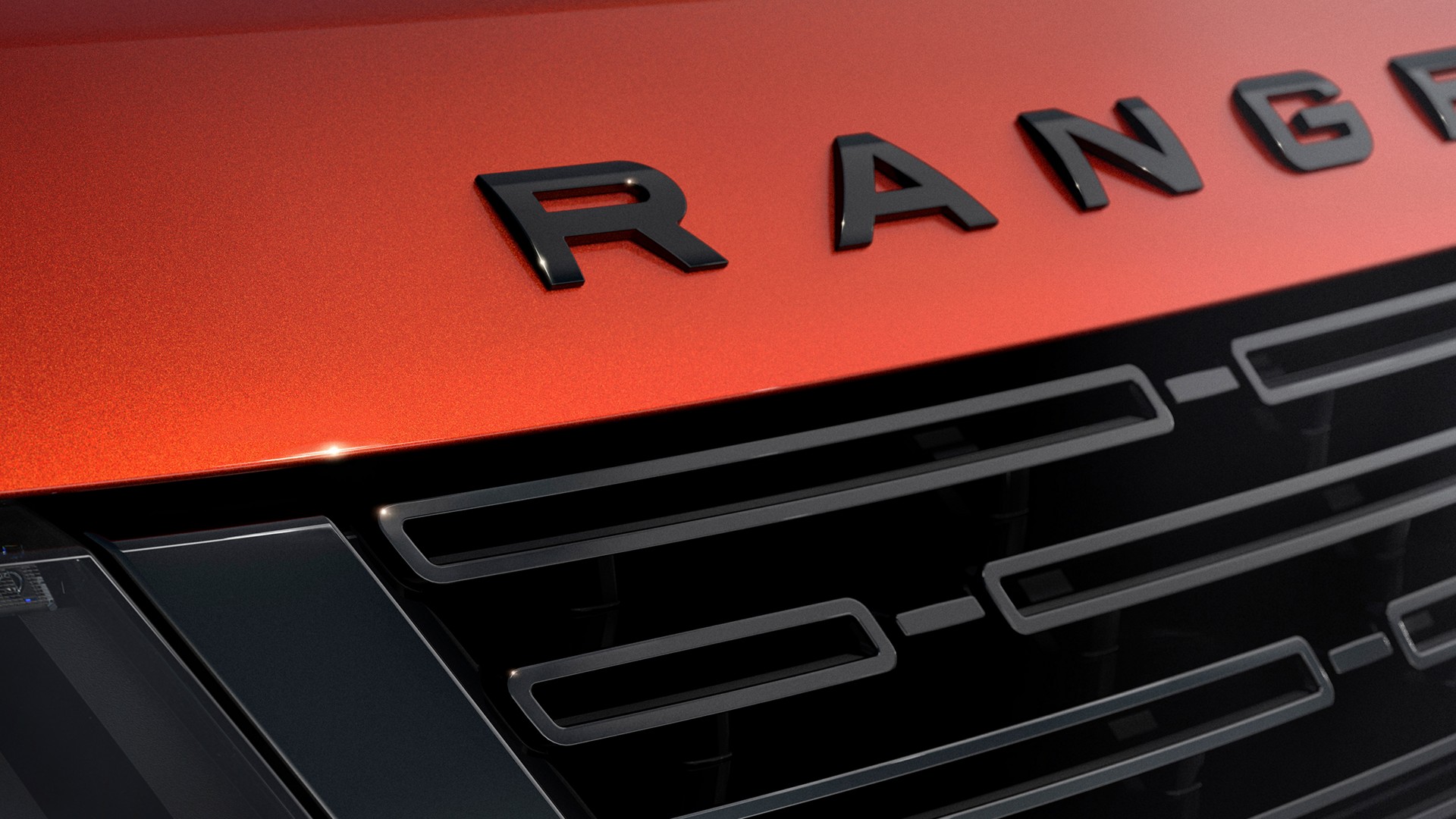
Insurer network versus manufacturer bodyshop, side by side
The two routes are not opposites so much as different priorities. The table sets out where each one wins, drawn from the manufacturer authorised-bodyshop pages and Thatcham repair guidance rather than any single insurer’s marketing.
| What matters | Insurer approved repairer | Manufacturer-approved bodyshop |
|---|---|---|
| Who chooses it | Your insurer (its network) | You (your right to choose) |
| Claim speed | Usually fastest, no estimate to approve | Slower; estimate often needs insurer sign-off |
| Repair guarantee | Insurer guarantee on its work | Manufacturer-backed repair guarantee |
| Parts policy | May allow non-genuine, matching or recycled | Genuine OEM parts to manufacturer standard |
| Aluminium / bonded work | Varies; check BS10125 and structural accreditation | Full-structural aluminium capability as standard |
| ADAS recalibration | Should be done; confirm in writing | Built into the approved repair method |
| Body / corrosion warranty | Can be voided by a non-approved repair | Preserved when method and parts are correct |
What to check in your policy wording before you ever claim
Most owners read their policy for the first time after a crash, which is exactly the wrong moment. Three clauses decide your position. First, the choice-of-repairer wording: does the policy say it will only guarantee work by its approved network, and what happens if you nominate your own bodyshop. Second, the parts clause: does the insurer reserve the right to fit non-genuine, matching or recycled parts, and can you insist on genuine OEM. Third, the betterment and excess detail: some insurers charge an extra excess or withhold a courtesy car if you use your own repairer. A handful of specialist premium and agreed-value policies actively include a guaranteed manufacturer-approved repair, which is one reason the right cover for a premium car is rarely the cheapest comparison-site quote. If your current wording is silent or vague on any of the three, that is the conversation to have with your insurer now, in writing, while you have leverage and time.
This connects directly to how you insure the car in the first place. The case for an agreed value rather than market value policy is partly about repair quality, and our guide to high-value car insurance over £50,000 covers approved repairers and what to declare in one place. If you own a Range Rover specifically, the reasons Range Rover insurance costs run so high tie straight back to expensive aluminium repairs. The same repair-cost logic drives premium EV insurance pricing, and it is worth checking how any aftermarket warranty you hold treats accident damage alongside your policy.
Where to verify your repair rights before signing anything
Before you accept any bodyshop, run these checks; they take an afternoon and can save a four-figure resale hit, and they sit alongside the rest of our car insurance coverage for premium owners.
- Read your insurer’s choice-of-repairer and parts clauses in full, or ask them in writing to confirm both for your specific car.
- Check the manufacturer’s UK authorised-bodyshop list directly, for example the Land Rover authorised bodyshop page or the Porsche GB recommended repairers directory.
- Confirm the proposed shop holds BS10125 and, for an aluminium car, structural-aluminium accreditation.
- Get genuine OEM parts and documented ADAS recalibration written into the repair authorisation, in line with Thatcham Research repair guidance.
- If you feel steered or pressured, consumer-rights guidance from Which? car insurance sets out the choice you are entitled to.
Our take
On a mainstream car, letting your insurer steer you to an approved repairer is a sensible, fast default and we would not argue with it. On a premium car our view flips. The insurer’s network exists to control the insurer’s cost, and on an aluminium-bodied Range Rover or a structurally complex Porsche that incentive can leave you with non-genuine panels, a skipped ADAS calibration and a voided manufacturer body warranty you only discover at resale. Accept the insurer’s approved repairer when the damage is cosmetic, the shop holds BS10125 and structural-aluminium accreditation for your car, and genuine parts plus documented calibration are guaranteed in writing. Insist on a manufacturer-approved bodyshop the moment any of those is missing, especially for structural or bonded work. The risk that flips the whole decision is a claims handler quietly downgrading the parts or skipping calibration to hit a network rate. Check your wording before you crash, not after, and the choice of bodyshop stays yours where it belongs.
Do I have to use my insurer’s approved repairer on a premium car?
Will using my own bodyshop affect my warranty?
What is ADAS recalibration and why does it matter after a repair?
Can my insurer fit non-genuine or recycled parts to my car?
What should I check in my policy before an accident happens?
Buyer action
Where to check next
Use this as the final check before paying a deposit, signing finance paperwork or relying on a headline monthly figure.