Premium car insurance groups run from 1 to 50, and almost every car a premium buyer wants sits near the top of that scale. A new Range Rover, an Audi RS6 Avant and a Porsche 911 all land in group 50, while a BMW M5 sits in 49. This guide explains who sets the groups, what actually drives them, and how to read a group rating when you are shopping so you are not blindsided by the renewal quote.
What real owners say (CDE data)
- Most-praised point: owners who understood the group before buying were rarely shocked by the quote; those who treated it as the whole story were.
- Most-criticised point: two near-identical trims landing in different groups, and high-value SUVs facing extra security conditions at renewal.
- Reliability and cost signal: expensive parts, long repair times and high performance keep nearly every flagship at or near group 50, regardless of how carefully it is driven.
What the 1 to 50 group scale actually means
Every new car and light van sold in the UK is given a rating on a scale of 1 to 50. Group 1 cars are the cheapest to insure; group 50 cars are the most expensive. The rating is a risk shorthand: it bundles how much the car costs, how dear it is to fix, how fast it goes and how well it resists theft into a single advisory number insurers use as one input when pricing your cover. According to MoneyHelper’s car insurance guidance, smaller, lower-powered models sit in the low groups while powerful cars sit at the top, which is why the premium segment clusters in the 40s and 50s. The group is the same wherever you live, but your premium is not: postcode, age, mileage, claims history and security all move the final figure.
Who sets premium car insurance groups
The ratings are run by Thatcham Research, the motor insurers’ research centre, working with the Group Rating Panel. Manufacturers feed detailed vehicle data straight into Thatcham’s database, and that information is passed to the ABI (Association of British Insurers) Group Rating Panel on a weekly basis to set an advisory group rating score. The panel includes the ABI and the Lloyd’s Market Association. Two things matter here for premium buyers. First, the group is advisory: an individual insurer can price above or below it. Second, because it is set per variant from the manufacturer’s own data, two cars with the same badge can sit in different groups depending on trim, engine and equipment. That is not a quirk; it is the system working as designed.
The factors that drive a group rating
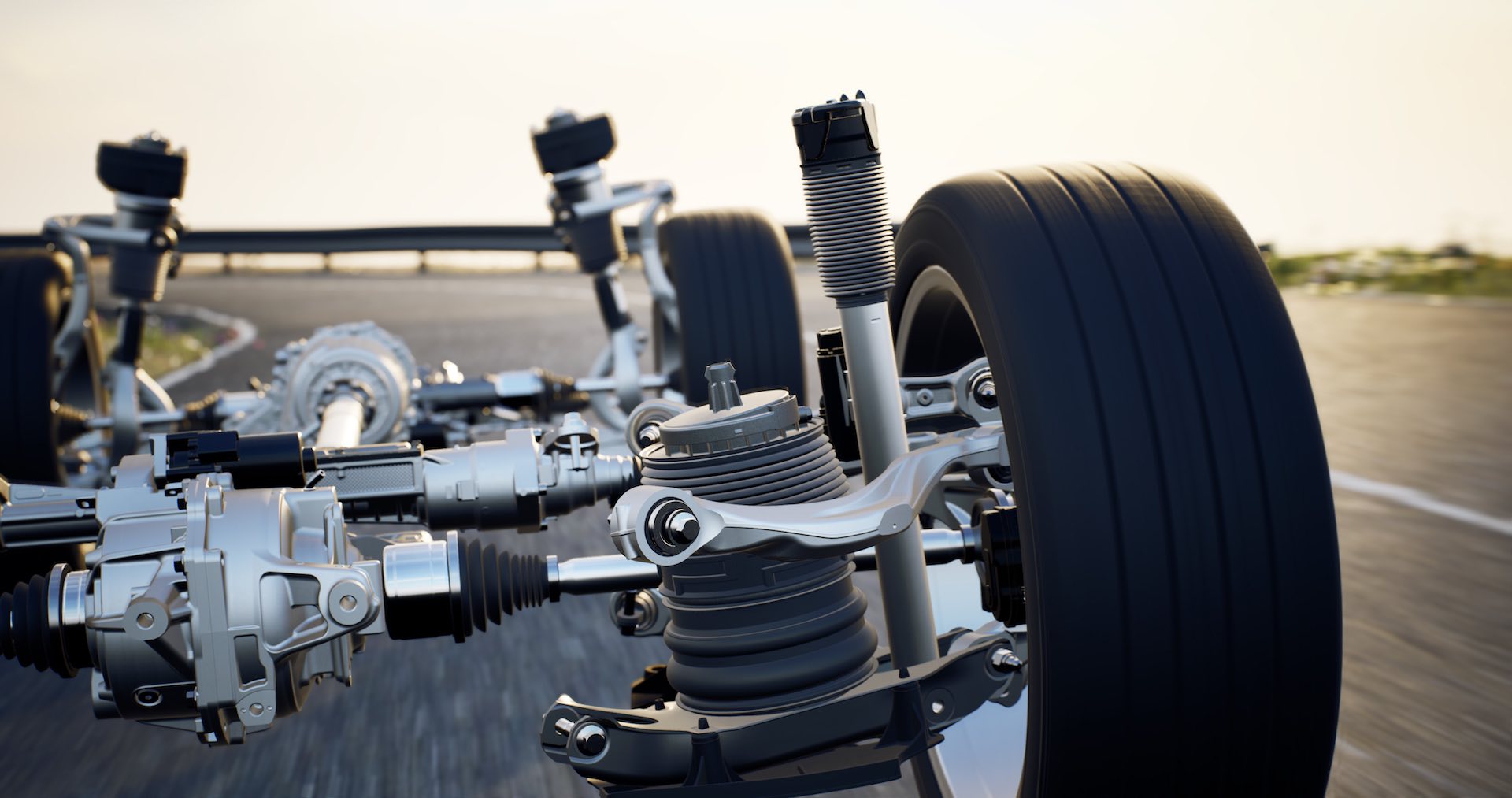
Thatcham assesses more than 125 data points per car, grouped into four areas. Cost covers the repair strategy and how long and how dear it is to return the car to its original condition after a claim. Price reflects the new price across trim levels and the cost of settling a total loss. Performance takes in 0 to 60 acceleration, weight and top speed. Design looks at the complexity of standard-fit systems, including security and active safety equipment. Thatcham also adds a security suffix showing how the car performs against a benchmark set of theft tests. For a premium car this is brutal arithmetic: a six-figure list price, aluminium or carbon bodywork, big alloys, a sub-four-second 0 to 60 and a roof full of sensors all push the same way. No clever spec pulls an RS6 or a 911 out of the top band.
Why flagship and performance cars sit at the top
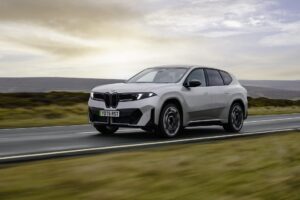
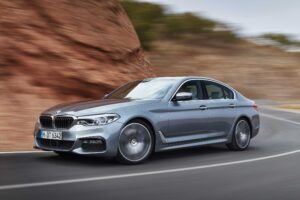
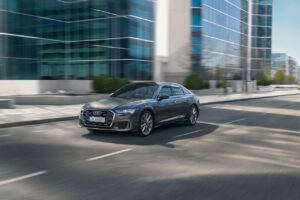
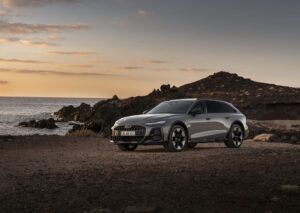
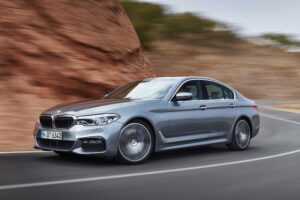
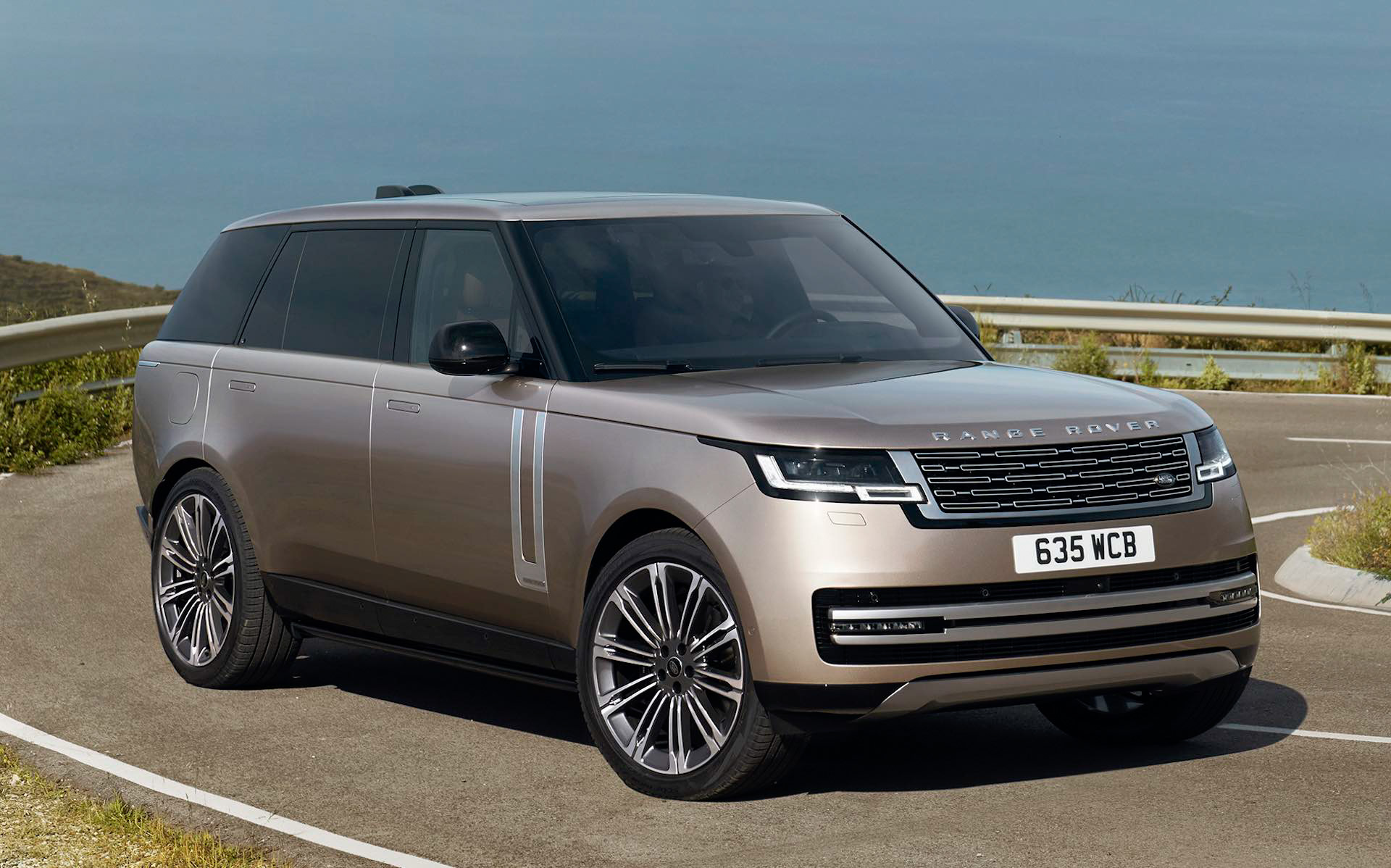
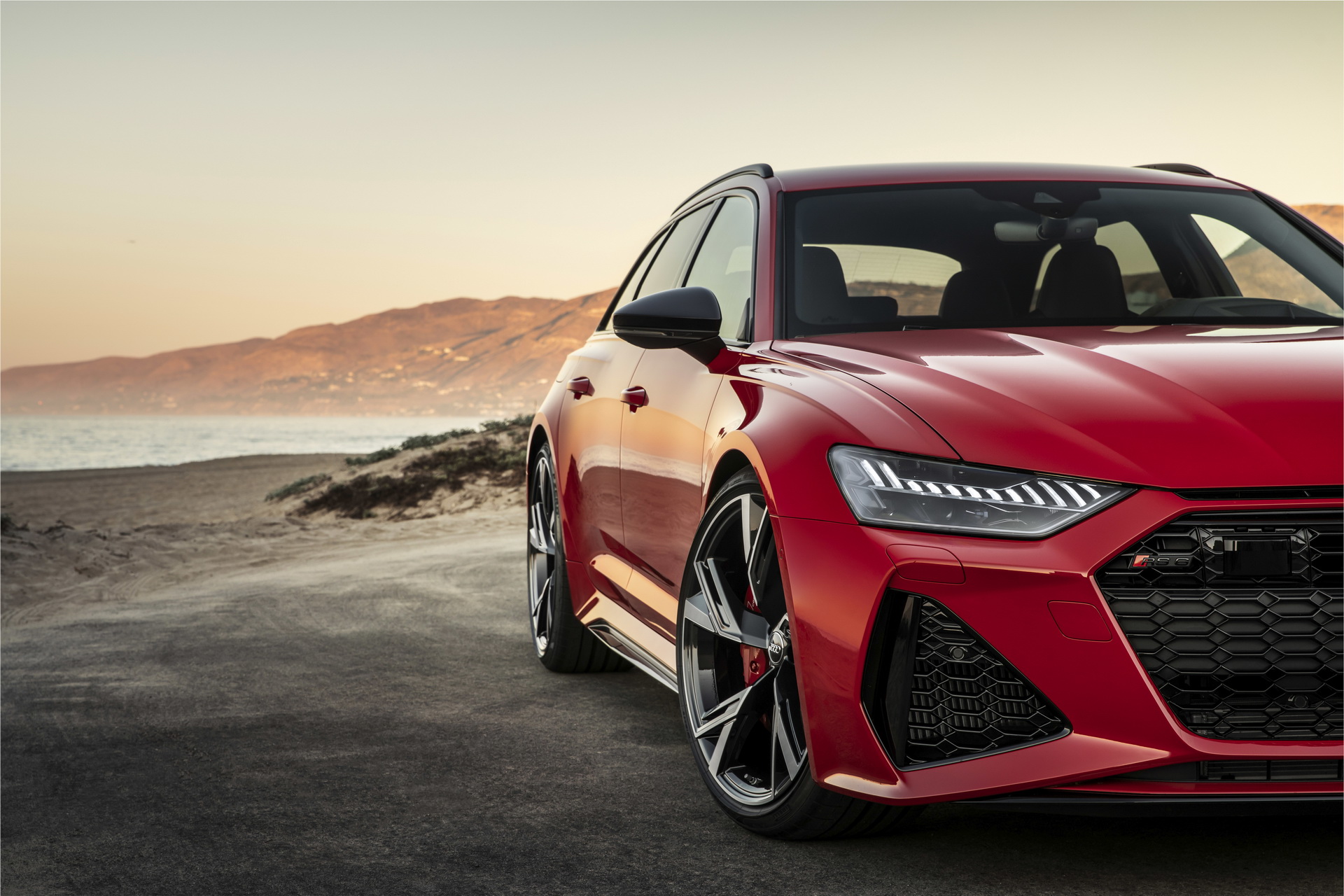
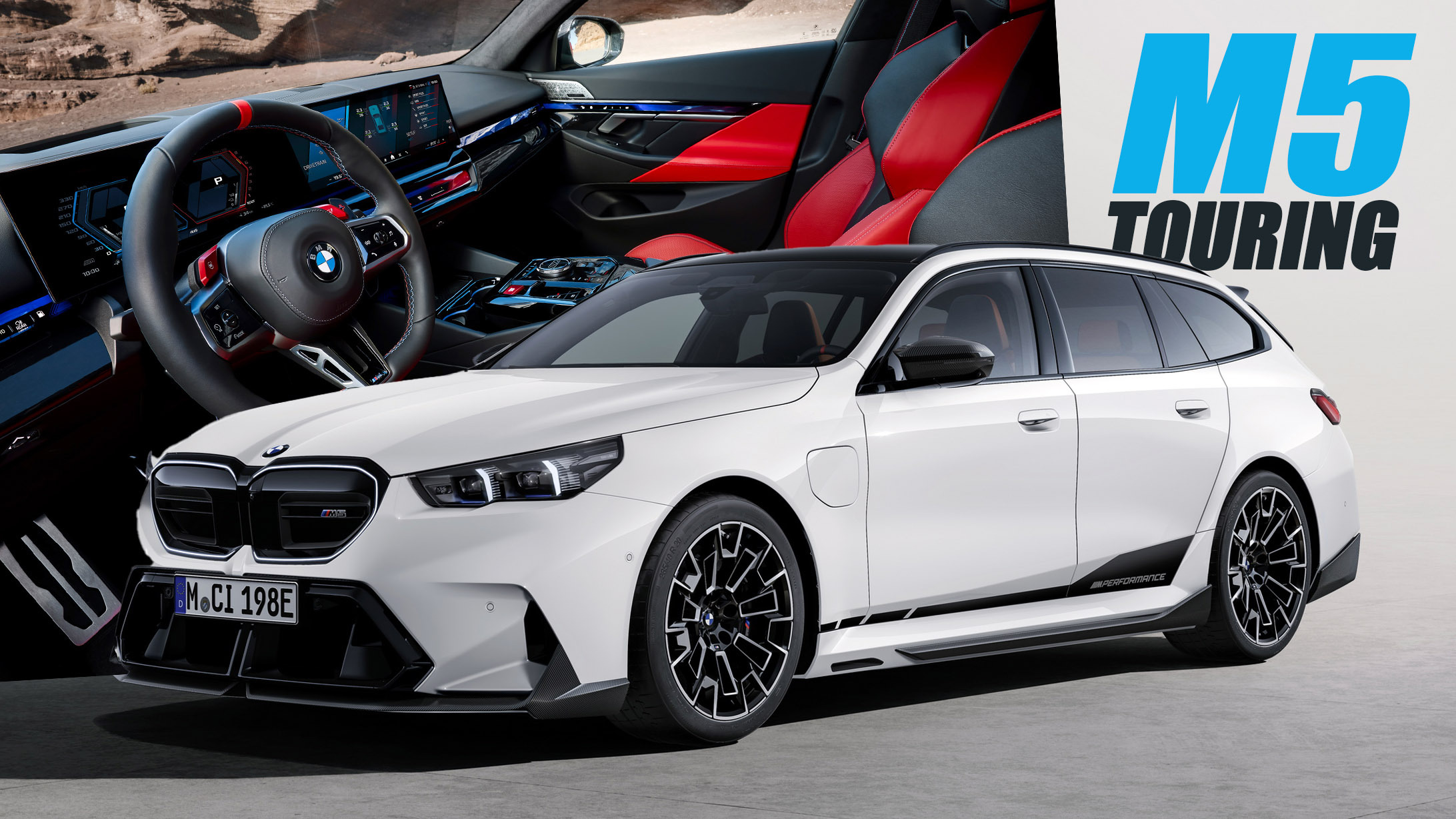
Group 50 is crowded with exactly the cars our readers shortlist. The current Range Rover SUV (2022 on) is almost entirely group 50, with only the entry 3.0 P400 Autobiography dropping to 47 and one D300 Westminster Edition at 49, per Parkers insurance group data. The Audi RS6 Avant (2020 on) is group 50 across every trim, and the Porsche 911 (992) coupe is group 50 in every variant Parkers lists. Even the latest BMW M5 lands in 49. The reasons stack: a flagship is dear to buy, dear to repair, fast, and a theft target. Honest John notes a new Range Rover is “right at the top of the tree” at group 50, while an older one can range from the mid-20s upward depending on spec and use.
Premium models mapped to their insurance groups
The table below maps real premium variants to their published UK insurance group. Note how little daylight there is between a luxury SUV, a super-estate and a sports car once you reach this end of the market, and how a premium EV can actually undercut a petrol flagship.
| Model (variant) | Insurance group (1 to 50) | Source |
|---|---|---|
| Audi RS6 Avant (2020 on, all trims) | 50 | Parkers |
| Porsche 911 (992) coupe (2019 to 2024, all trims) | 50 | Parkers |
| Range Rover SUV (2022 on, most trims) | 50 (P400 Autobiography 47) | Parkers |
| BMW M5 (2024 on, all variants) | 49 | Parkers |
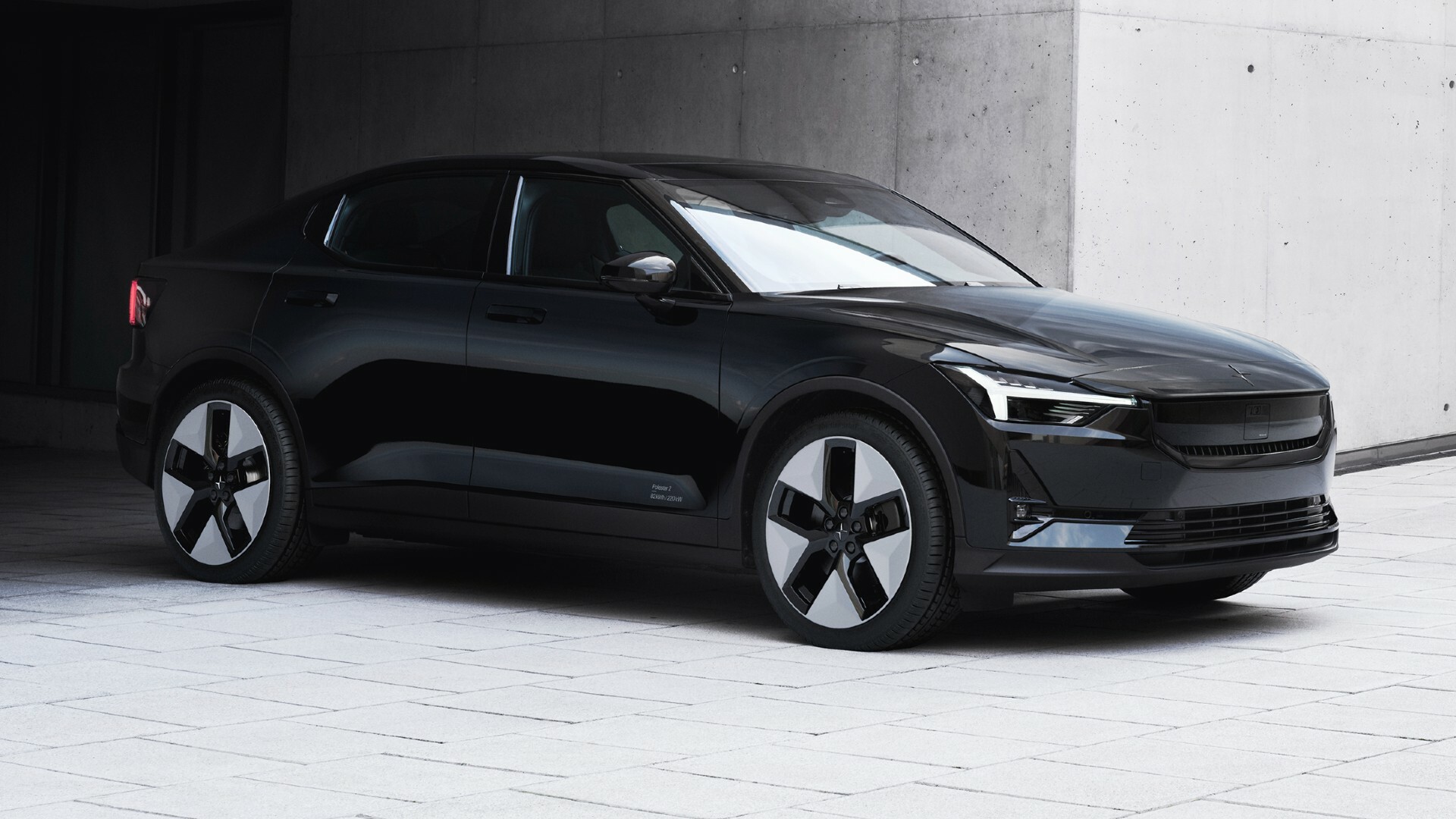
| Polestar 2 (2020 on, range across trims) | 34 to 46 | Parkers |
How to use a group when you are shopping
Treat the group as one input, not the whole premium. It tells you the relative risk band; it does not tell you your price. A 50-year-old in a quiet rural postcode with nine years no-claims can insure a group 50 car for far less than a 30-year-old in a city centre pays for a group 35 car. Use the group to compare like for like (an RS6 at 50 will broadly cost more to cover than an A6 in the high 30s), then run a real quote before you commit. Where two trims sit in different groups, it is usually the bigger engine, the larger wheels or a pricier infotainment unit pushing one up. For the maths behind a specific flagship, our guides to Range Rover insurance costs in 2026 and to BMW M and Audi RS insurance show what the group translates to in real money.
Group versus your actual premium
The group rating is fixed to the car; the premium is built around you. Two owners of the same group 50 Range Rover can pay very different amounts because insurers layer postcode theft data, mileage, driver age, modifications, parking and claims history on top of the base risk. This is why a group is useful for ruling cars in or out early but useless as a price forecast. It also explains a common frustration: a buyer reads that two premium cars share group 50, assumes identical cover costs, then finds one quotes higher because its theft record or parts supply is worse. The group narrows the field; only a quote settles it. On a car likely to hold value, our explainer on agreed value versus market value matters as much as the group itself.
Security and tracker conditions that affect insurability
For the most stolen premium models, the group is only half the story; insurers increasingly attach security conditions to cover at all. Many now require a Thatcham-accredited S5 tracker, which uses automatic driver recognition (a tag you carry) to flag movement without the key present, on high-value models such as the Range Rover, Land Rover Defender, BMW X5 and Audi Q7. Land Rover’s own security guidance reflects the same reality: keyless relay theft drove the industry to demand professionally fitted, insurer-approved trackers. Confirm any tracker requirement before you buy, not at renewal, because a missing or self-fitted device can leave cover invalid. The cost of compliant security is small against the premium and the excess after a theft. Owners weighing the extras should read our look at declaring modifications on an M, RS or AMG, since aftermarket changes interact with both the group and the security terms.

Where EVs sit in the group system
Premium electric cars do not get a free pass, but they are not automatically worst-in-class either. The Polestar 2 spans roughly groups 34 to 46 depending on motor and trim, per Parkers, which can undercut a comparable petrol performance saloon. The pull works both ways: EVs carry high repair costs (battery structures, sensors and specialist labour push the Cost and Design factors up) but many premium EVs are not outright performance flagships, which keeps the Performance factor below an RS or M car. So a sensibly specced premium EV often lands a few groups under a petrol equivalent, while a Porsche Taycan Turbo or a dual-motor performance EV climbs back toward 50. If salary sacrifice is your route in, weigh the group against the wider picture in our guide to premium EV insurance in 2026, and the category page for car insurance collects the rest of our cover guides.
Watch: cutting the cost on a high-group car
You cannot change a car’s group, but you can change what you pay around it. Martin Lewis walks through the levers that move a premium on a high-group car, from renewal timing to the way you describe your job and mileage.
Checks to run before you commit
Before you put down a deposit on a high-group premium car, work through these:
- Look up the exact variant’s group on Parkers or Honest John, not just the model line, since trims differ.
- Run a real quote on at least two comparison sites for your own postcode, age and mileage before you buy, so the group becomes a price you can plan around.
- Read general guidance on what affects a premium at MoneyHelper and on how grouping works at Thatcham Research.
- Confirm any Thatcham S5 tracker or approved-repairer condition in writing for high-value SUVs and performance cars before purchase.
- Ask whether agreed-value cover is available and what it costs, especially on cars likely to hold value.
- Price up the cover on more than one trim if you are still choosing, because dropping a band can save more than the spec is worth.
Our take on insurance groups for premium cars
Our view: premium car insurance groups are a useful filter and a poor crystal ball. At this end of the market almost everything you want sits in the 40s or 50s, so the group rarely changes which car you buy; it changes how seriously you should take the quote stage and the security conditions. We would not reject a 911 or an RS6 because it is group 50, that is simply the cost of the category, but we would absolutely run real quotes on the specific variant and postcode before signing, and we would confirm any tracker requirement in writing first. The one place the group genuinely shifts a decision is at the margins: a premium EV a few bands lower, or an entry trim that drops out of 50, can be the sensible buy if cover cost is tight. Read the group, then price the car you actually intend to drive.
What do premium car insurance groups mean?
Why are premium cars almost always group 50?
Does a high insurance group always mean a high premium?
Who decides UK car insurance groups?
Do premium EVs sit in lower insurance groups than petrol cars?
Will fitting a tracker change my car’s insurance group?
Where can I check a specific premium car’s insurance group?
This article is general guidance, not personalised financial or insurance advice. Insurance groups and premiums change; check the current rating for your exact variant with Thatcham Research, Parkers or Honest John, and confirm cover terms with an FCA-authorised insurer or broker before you buy.
Buyer action
Where to check next
Use this as the final check before paying a deposit, signing finance paperwork or relying on a headline monthly figure.